

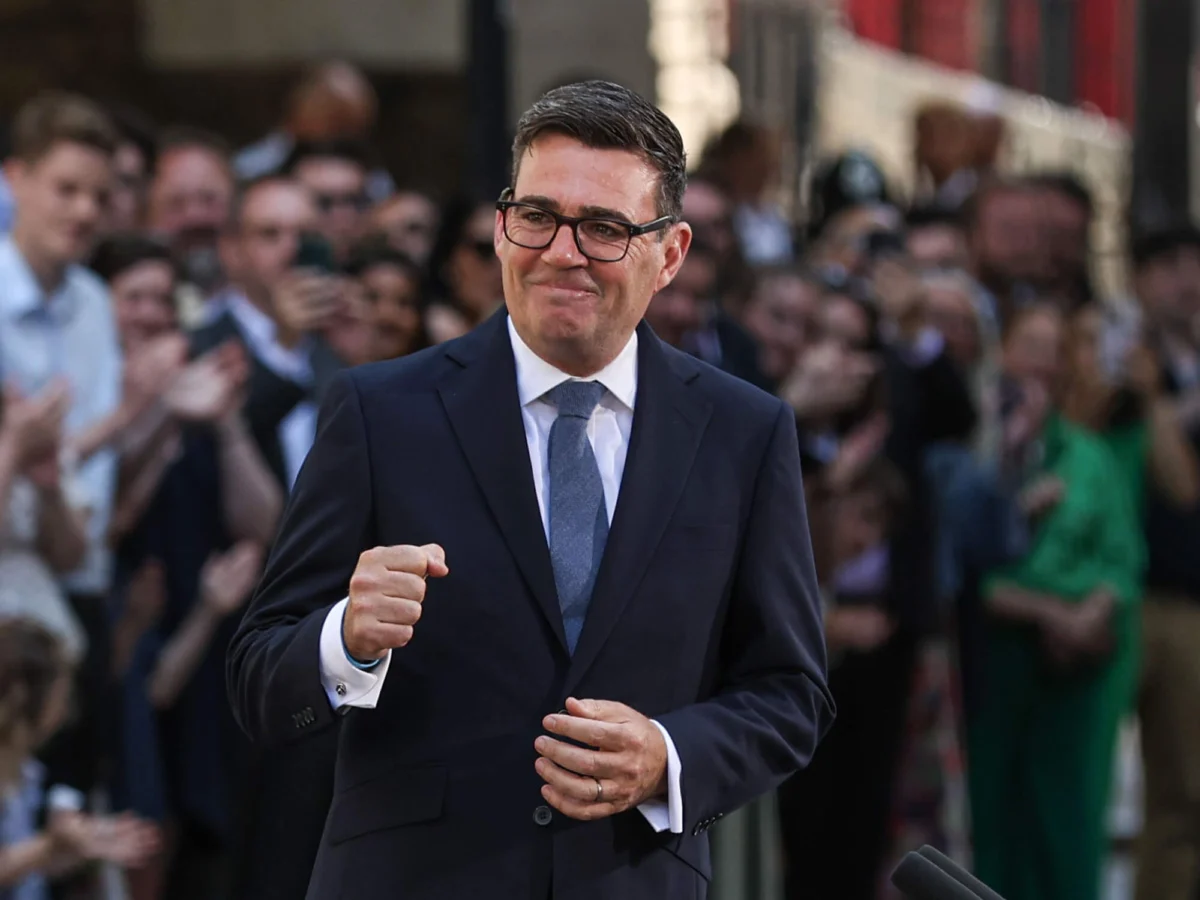
His ascension to the highest political office on 20 July 2026, following the resignation of Kier Starmer, marked a significant shift in British politics. As the former Mayor of Greater Manchester, Burnham had already carved out a reputation as a politician deeply engaged with culture and community, a persona often underlined by his vocal appreciation for a diverse array of guitar bands. This personal passion has been brought into sharper focus with his new role, offering a glimpse into the cultural inclinations of the nation’s leader.
A Premiership Rooted in Northern Grit and Indie Anthems
Burnham’s political journey, culminating in his premiership, has been closely watched. From his early days as the Member of Parliament for Leigh (2001-2017) to his impactful tenure as Mayor of Greater Manchester (2017-2026), he has consistently championed regional development, social justice, and cultural regeneration. His move to Number 10 followed a period of political turbulence, with Starmer’s departure paving the way for a leadership contest that saw Burnham emerge victorious. This background is crucial to understanding the man now at the helm, a leader whose public image is as much about policy and governance as it is about a relatable connection to popular culture, particularly music.
The Prime Minister’s musical tastes gained renewed public attention through a 2022 interview with The Quietus, which was recently recirculated by Louder magazine. In this candid discussion, conducted during his mayoral term, Burnham articulated his deep admiration for "guitar bands" and shared insights into the albums that have profoundly shaped his musical landscape. This re-sharing by prominent music publications underscores the public’s interest in the personal side of political figures, especially when those interests align with widely cherished cultural touchstones.
The Sonic Landscape of a Leader: From Indie Pioneers to Rock Legends
Burnham’s musical selections reveal a profound connection to the lineage of British and international guitar music, spanning multiple decades and subgenres. His curated list for The Quietus included seminal works from The Beatles, The Stone Roses, and Radiohead, demonstrating an appreciation for both foundational rock and its more experimental offshoots. However, it was his emphatic declaration regarding The Wedding Present’s 1987 debut, George Best, that particularly resonated, with Burnham hailing it as "the pinnacle of guitar music."
The Wedding Present: A Pinnacle of Guitar Expression
Burnham’s fervent endorsement of George Best by the Leeds-based indie band The Wedding Present speaks volumes about his specific appreciation for intricate, driven guitar work and intelligent lyricism. He recounted playing the album "to death," captivated by its comprehensive appeal. "I loved it and it had everything for me," he stated, elaborating on his enduring affection for "soaring guitar bands," a quality he believes George Best embodies better than any other.
The album, named after the iconic Manchester United footballer, is a masterclass in indie rock, characterised by David Gedge’s rapid-fire, intertwining guitar riffs and his distinctive, conversational vocal delivery. Tracks like "Everyone Thinks He Looks Daft," which Burnham specifically cited, exemplify the band’s ability to craft narratives of everyday life and relationships with an understated yet powerful emotional resonance. "I love David Gedge’s style, that slightly conversational, matter-of-fact thing. Everyone Thinks He Looks Daft, it’s just great," Burnham noted, underscoring the album’s lasting impact on him. This preference highlights a taste for music that is both technically accomplished and lyrically grounded, shying away from overt grandiosity in favour of authentic expression. For Burnham, George Best has been a "constant," an album that captured his imagination from the first listen and continues to do so.
The Smiths: Defining a Generation’s Sound
Another cornerstone of Burnham’s musical identity is The Smiths, particularly their 1984 compilation album, Hatful of Hollow. This record, a collection of singles, B-sides, and BBC radio sessions, became a defining artifact of 1980s British indie music, showcasing Morrissey’s poetic lyrics and Johnny Marr’s innovative guitar arrangements. Burnham vividly recalled the cultural impact of The Smiths during his school years, describing their appearances on Top Of The Pops as "a massive thing."
His personal journey with the band began when a school friend introduced him to Hatful of Hollow, an album he subsequently purchased at the legendary Piccadilly Records in Manchester. "I listened to that to death. It was the first indie record I ever bought," he shared, marking it as a formative experience in his musical development. This anecdote not only grounds his appreciation in a personal history but also connects him to a specific cultural moment when independent music began to challenge mainstream sensibilities, a narrative that has strong resonance with a politician often seen as an advocate for alternative voices and regional identity.
A Broader Palette: From NYC Revival to Celtic Punk
Beyond these deeply cherished albums, Burnham’s selections showcased a broader appreciation for guitar-centric genres. He praised The Strokes’ debut, Is This It?, an album that spearheaded the garage rock revival of the early 2000s with its raw energy and understated cool. This choice demonstrates an openness to more contemporary sounds while maintaining a preference for guitar-driven authenticity.
Equally intriguing was his nod to The Pogues’ Rum Sodomy & The Lash. This 1985 album, known for its furious blend of traditional Irish folk music with punk rock energy, speaks to a taste for music that is both rebellious and deeply rooted in cultural heritage. Shane MacGowan’s distinctive songwriting and the band’s raucous performances offer a stark contrast to the precise indie of The Wedding Present, illustrating a multifaceted musical palate that embraces both intensity and melodic craftsmanship.

His mentions of The Beatles, The Stone Roses, and Radiohead further solidify his position as a connoisseur of guitar music’s evolution. The Beatles represent the foundational rock and pop artistry, The Stone Roses epitomise the euphoric Madchester scene of the late 80s and early 90s, and Radiohead signify the more experimental and critically acclaimed trajectory of modern alternative rock. Together, these choices paint a portrait of a leader whose musical interests are diverse yet consistently anchored in the power and versatility of the guitar.
Beyond Listening: The Prime Minister as a Musician
Burnham’s connection to guitar music extends beyond mere fandom; he is also an active participant. Reports and photographic evidence have captured the former Mayor of Manchester playing both guitar and bass on multiple occasions, indicating a practical affinity for stringed instruments. His apparent preference for Gretsch and Gibson guitars suggests an appreciation for iconic instruments known for their distinct sounds and storied histories within rock and roll. This hands-on engagement with music adds another layer to his persona, presenting him not just as a consumer of culture but as a contributor to it, however privately.
This personal musicianship could hold various implications. It might foster a deeper empathy for the creative industries, artists, and venues, potentially influencing his approach to cultural policy. For a sector that often faces funding challenges and structural issues, having a Prime Minister who understands the practicalities and passion behind music creation could be a significant asset. It also serves to humanise the political figure, making him more relatable to a public that often views politicians through a detached lens.
A Tradition of Tuneful Leaders: Politicians and the Six-String
Andy Burnham is by no means an anomaly among world leaders who have a known passion for the guitar. This cultural intersection of politics and music has a curious history, demonstrating how leaders often use their personal interests to connect with broader constituencies or project a specific image.
Tony Blair, a former Labour Prime Minister, famously leaned into his love for the six-string during his time as leader. Prior to becoming Prime Minister in 1997, his guitar playing was a known aspect of his public persona, often presented as part of his modern, youthful image. During his premiership, he reportedly received multiple celebrity guitar gifts, including one from U2’s Bono, further cementing this aspect of his public identity. While some viewed this as a genuine expression of interest, others saw it as a calculated move to appear more accessible and culturally aware.
Across the Atlantic, former US Secretary of State Antony Blinken also frequently showcased his musical talents. During his tenure, Blinken was often keen to grab a guitar, sometimes performing blues covers at public events. These impromptu performances, often shared on social media, served to present a more personable and approachable side of the diplomat, softening the often-rigid image of international politics.
Perhaps the most prolific political guitar player currently on the world stage is Singapore’s Prime Minister Lawrence Wong. Wong has garnered significant attention for sharing his extensive guitar covers on platforms like YouTube, encompassing a wide range of artists from rock pioneers like Chuck Berry and Eric Clapton to contemporary pop sensations like Taylor Swift. His public displays of musical skill are a deliberate effort to connect with a diverse populace, particularly younger generations, and showcase a leader who is culturally engaged and technologically savvy.
These examples illustrate a broader trend: music, particularly the guitar, serves as a powerful tool for politicians to forge connections, express individuality, and even bridge cultural divides. For Burnham, his well-documented love for guitar bands and his personal musicianship position him within this tradition, but with a distinctly British, indie-rock flavour.
Implications for UK Cultural Policy and the Creative Economy
The arrival of a Prime Minister with such a deep and demonstrable passion for music, especially the guitar-driven genres that form a significant part of the UK’s cultural heritage, carries potential implications for the nation’s creative economy and cultural policy. The UK music industry is a significant contributor to the national GDP, supporting hundreds of thousands of jobs and projecting British soft power globally. In 2023, the industry’s economic contribution was estimated to be in the billions of pounds, underscoring its vital role.
While it would be speculative to predict specific policy changes, a Prime Minister who genuinely understands the ecosystem of live music venues, recording studios, independent labels, and music education from a personal perspective could be more attuned to its needs and challenges. Burnham’s past advocacy for regional arts and culture as Mayor of Greater Manchester, where he championed initiatives supporting grassroots venues and local artists, offers a precedent. His premiership might signal a renewed focus on:
- Support for Grassroots Music Venues: These venues are the lifeblood of the music industry, providing crucial platforms for emerging artists. A PM with Burnham’s background might be more inclined to protect and invest in these spaces.
- Music Education and Talent Development: An appreciation for the craft of music could translate into stronger policies for music education in schools and funding for talent development programmes, ensuring the next generation of musicians is nurtured.
- Strengthening the Creative Economy: Recognising music as a significant economic driver, his government might explore strategies to boost investment in the music tech sector, touring infrastructure, and international promotion of British artists.
- Cultural Diplomacy: His personal taste in music, particularly British indie, could be leveraged in cultural diplomacy, fostering international connections through shared artistic appreciation.
Ultimately, Andy Burnham’s premiership brings with it not just a new political direction but also a distinct cultural resonance. His open embrace of guitar-driven music, from indie anthems to classic rock, adds a human and relatable dimension to his leadership. As he navigates the complex challenges of governing the United Kingdom, his well-established connection to the power and passion of music will undoubtedly remain a notable, and perhaps influential, aspect of his public persona.
