

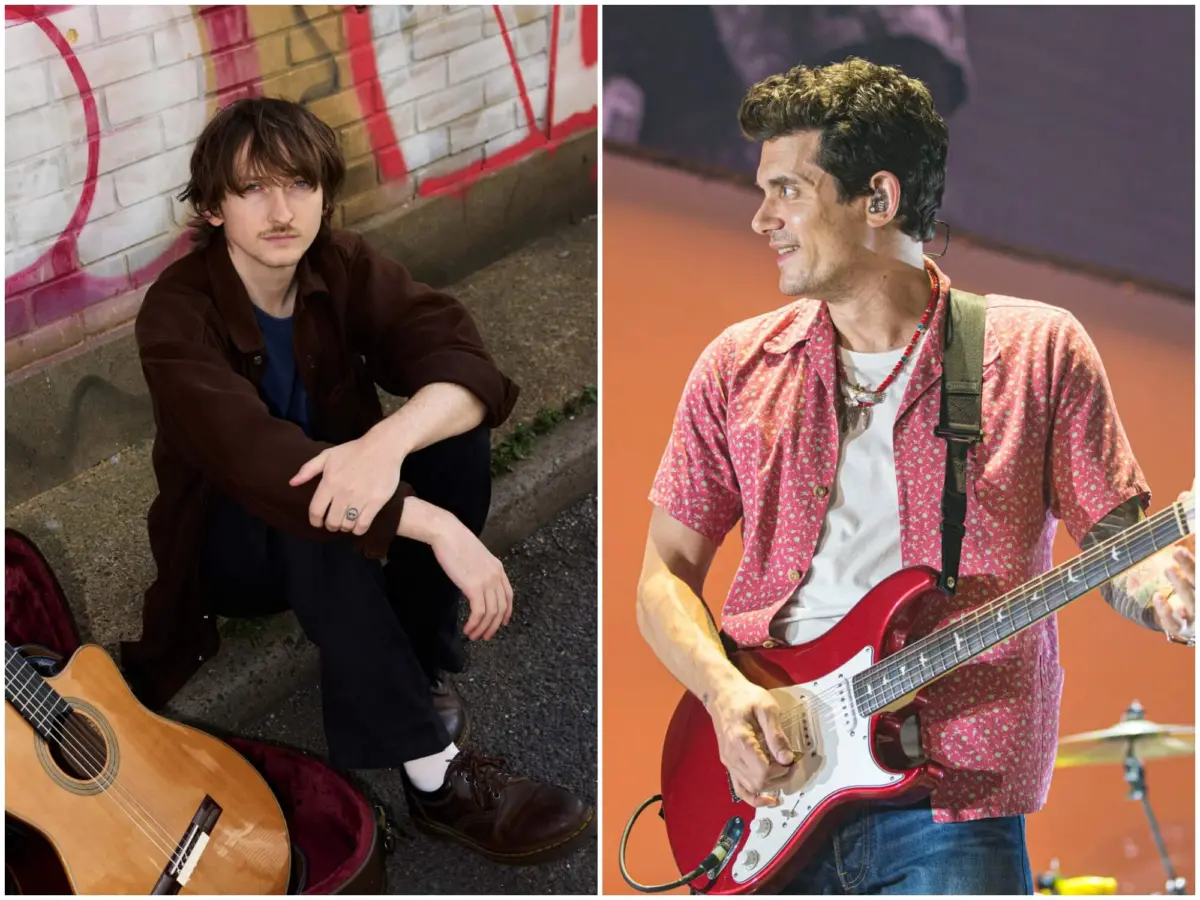
The independent music landscape has been significantly reshaped by the virality of short-form content platforms, and few narratives exemplify this shift more compellingly than that of Hudson Freeman. The artist, celebrated for his distinctive "lo-fi country Kurt Cobain" aesthetic, captured widespread attention last November when a riff from his track "If You Know Me" permeated social media, igniting a fervent buzz that ultimately led to a recording contract with the esteemed Mom + Pop Records and an unsolicited endorsement from Grammy-winning guitarist John Mayer. This rapid ascent culminates in the impending release of his debut record, Doom Country, slated for November 6, marking a pivotal moment in his burgeoning career.
The Genesis of a Viral Sensation
Freeman’s unique sound, characterized by a nylon-stringed acoustic guitar delivering what many have dubbed "country Nirvana," first caught fire on platforms like Instagram Reels and TikTok. The "If You Know Me" riff, with its raw, introspective quality and minimalist production, resonated deeply with an online audience actively seeking authenticity amidst a sea of highly produced content. The viral phenomenon was not merely a fleeting trend; it was an organic groundswell that saw millions of users engaging with the snippet, sharing it across networks, and creating their own interpretations. This digital word-of-mouth amplified Freeman’s profile exponentially, transforming him from an underground artist into a subject of widespread musical discussion almost overnight. The evocative label "country Nirvana" speaks volumes, suggesting a fusion of grunge’s emotional intensity and folk’s narrative depth, delivered with an unpolished, accessible charm that belies its sophisticated musicality. The nylon-string guitar, often associated with classical or Latin genres, offers a warmer, more intimate timbre than its steel-string counterpart, contributing to the lo-fi, almost melancholic atmosphere that defines Freeman’s signature style and draws comparisons to the iconic grunge frontman, Kurt Cobain, known for his raw, unvarnished delivery.
John Mayer’s Unstinting Endorsement
The true testament to the riff’s impact arrived when John Mayer, a musician renowned for his discerning taste and exceptional guitar prowess, took notice. After encountering Freeman’s viral segment, Mayer recorded his own rendition using a PRS Collection Series 2014 Nylon Acoustic and shared it with his vast Instagram following. This act was far more than a casual nod; it was a powerful co-sign from one of the most respected and commercially successful guitarists of the modern era. For an emerging artist like Freeman, such an endorsement translates into immediate, invaluable exposure to a global audience that trusts Mayer’s judgment. Mayer’s consistent history of championing lesser-known talents further underscores the sincerity of his appreciation. In 2024, he notably brought folk artist Madison Cunningham, then 27, on tour with him, publicly extolling her virtuosic abilities. In an Instagram post, Mayer famously stated that if he were to witness Cunningham’s performance without ever having played guitar, he would "race out and buy one the next day," a sentiment that powerfully conveys his admiration for genuine artistry. This pattern of advocacy highlights Mayer’s role not just as a performer, but as a significant tastemaker and mentor within the contemporary music scene, leveraging his considerable platform to elevate artists he genuinely believes in.
A Strategic Partnership: Mom + Pop Records
The momentum generated by the viral riff and Mayer’s endorsement quickly translated into tangible career progression for Freeman. Nearly a year after the "If You Know Me" phenomenon, he announced his signing with Mom + Pop Records, an independent label celebrated for its diverse roster of critically acclaimed artists. The label, home to acts such as Beach Bunny, Courtney Barnett, and Tom Morello, has established itself as a hub for unique and impactful voices in alternative and indie music. This partnership signifies a crucial step for Freeman, providing him with the infrastructure, resources, and promotional power necessary to translate viral success into sustained career growth. Mom + Pop’s reputation for fostering artistic independence while providing robust industry support aligns well with Freeman’s stated desire to maintain his unique artistic vision. The label’s A&R team undoubtedly recognized not only the immediate buzz around Freeman but also the depth and originality of his songwriting and sound, identifying him as an artist with long-term potential beyond a single viral moment. Their track record suggests a strategic investment in artists who possess both commercial appeal and profound artistic integrity, making Freeman a natural fit within their esteemed catalog.
Hudson Freeman’s Artistic Vision: "Doom Country"
With the backing of Mom + Pop, Freeman is set to release his debut full-length album, Doom Country. The title itself is a provocative declaration, signaling a record that delves into themes of existential dread, societal decay, and personal introspection, all filtered through his signature grunge-folk, lo-fi lens. Freeman describes the album as deeply "personal," offering a candid look into his upbringing as an Evangelical Christian. This background profoundly shaped his worldview, particularly the pervasive anxieties surrounding the apocalypse, the Rapture, and the fear of being "left behind." These eschatological narratives, deeply embedded in certain religious doctrines, provide a potent framework for Doom Country‘s lyrical content.
However, Freeman transcends a purely theological interpretation, expanding these personal fears to encompass contemporary societal anxieties. He articulates a profound sense that "everything feels kind of apocalyptic now," pointing to the perceived collapse of political institutions and various societal structures. His observation that living in America currently feels "not just bad. It’s stupid. It’s a tragedy" underscores a pervasive disillusionment that many share. Yet, he infuses this weighty subject matter with a unique blend of pathos and satire, aiming to create an album about the "fallout of the Rapture, but it’s farcical." This intention suggests a record that balances dark themes with moments of dark humor or absurdity, reflecting the often surreal nature of contemporary crises. Musically, listeners can anticipate the continuation of his shoegazey, grunge-folk style, likely incorporating atmospheric textures, raw vocal deliveries, and the distinct sound of his nylon-string guitar to craft a soundscape that is both haunting and strangely comforting. The blend of deeply personal narrative with broader social commentary positions Doom Country as a significant artistic statement from a voice uniquely attuned to the anxieties of the present moment.
Navigating Mainstream Attention and Artistic Integrity
Despite the undeniable boost from John Mayer’s endorsement, Freeman maintains a clear vision for his artistic path, expressing no immediate desire for a direct musical collaboration with Mayer. "I have a lot of respect for him being a major artist who co-signs younger, unknown artists," Freeman stated in an interview with Guitar.com, acknowledging Mayer’s generosity. "It doesn’t feel like a lot of legacy artists go out of their way to do that." However, he firmly believes that he and Mayer "exist in their own lanes of music" and asserts, "I wouldn’t make a song with him." This stance is not one of disrespect, but rather a strategic assertion of artistic independence. Freeman recognizes the immense value of Mayer’s public appeal – "Most people know who John Mayer is. He’s probably the last seriously palatable guitarist on a mainstream scale, so for him to co-sign If You Know Me was cool" – yet he is determined to carve his own niche through his distinct grit, style, and merit. This approach reflects a mature understanding of the music industry: leveraging external validation for visibility, but ultimately trusting in one’s own creative compass to define one’s legacy. It’s a delicate balance between accepting mainstream support and safeguarding artistic authenticity, a challenge many emerging artists face in an increasingly commercialized landscape.
The Broader Implications for Music Discovery
Hudson Freeman’s journey from viral sensation to signed artist offers a compelling case study on the evolving dynamics of music discovery and artist development. The traditional gatekeepers of the music industry—radio, MTV, major labels—have been significantly disrupted by the democratization of content creation and distribution facilitated by social media platforms. The "If You Know Me" phenomenon underscores the power of organic virality, where a snippet of music, unadorned by extensive marketing budgets, can capture the collective imagination of millions. This paradigm shift means that talent, regardless of traditional industry connections, can find an audience and attract the attention of influential figures like John Mayer, as well as discerning A&R executives at labels like Mom + Pop.
Moreover, Mayer’s role as an "influencer" in the truest sense of the word highlights a new form of mentorship in the digital age. His endorsement functions as a powerful signal, directing his vast and engaged fanbase towards new artists he genuinely believes in. This not only provides immediate exposure but also lends an unparalleled layer of credibility, potentially accelerating an artist’s trajectory by years. The narrative also speaks to the increasing fluidity of genres, with "grunge-folk" and "doom country" representing a broader trend of artists fearlessly blending disparate musical styles to create something fresh and resonant. This genre-bending approach caters to an audience that is increasingly diverse in its musical tastes and less bound by traditional classifications.
Anticipation and Future Prospects
As the release of Doom Country on November 6 draws near, anticipation within the indie music community is palpable. The album promises to be a powerful and introspective statement, solidifying Hudson Freeman’s position as an artist with both a unique sound and a compelling narrative. His ability to fuse deeply personal experiences with broader societal critiques, delivered through a distinctive musical style, positions him as a significant voice in contemporary music. The backing of Mom + Pop Records ensures that Doom Country will receive robust promotional support, reaching an audience far beyond the initial viral sphere. Furthermore, the announcement of a European and UK tour scheduled for February 2027 signals a long-term strategic plan for Freeman’s career, indicating a commitment to building a global fanbase and solidifying his presence on the international stage. This comprehensive approach, combining organic viral success, high-profile endorsement, strategic label partnership, and a distinctive artistic vision, marks Hudson Freeman as an artist whose trajectory will be keenly watched in the years to come.
