

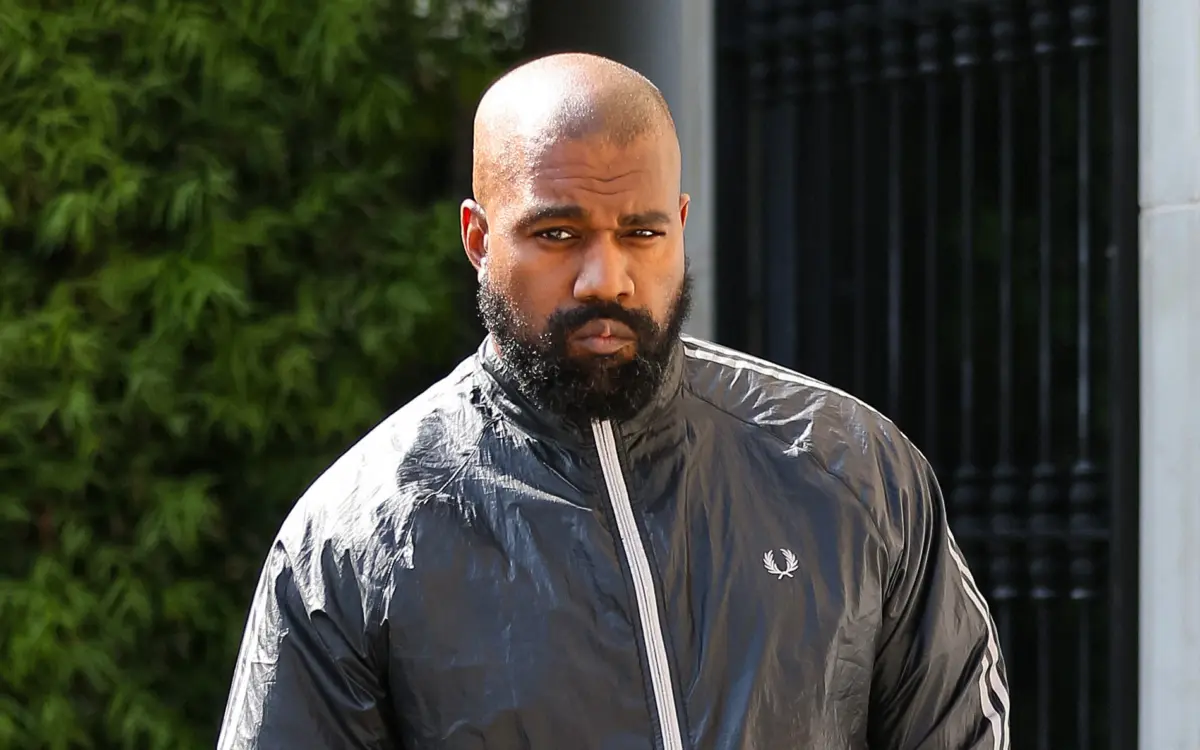
Wireless Festival has been canceled following the United Kingdom Home Office’s decision to deny entry to its scheduled headliner, Kanye West. The London-based rap and R&B festival announced the abrupt cancellation on Tuesday, April 7, stating, "As a result of the Home Office banning YE from entering the United Kingdom, Wireless Festival has been forced to cancel. All ticket holders will receive an automatic full refund." This drastic measure comes after a significant period of escalating pressure on the festival organizers and sponsors due to West’s controversial public statements, including antisemitic and pro-Nazi remarks made in recent years. The fallout has led to a significant disruption for the festival and its attendees, highlighting the complex interplay between artistic freedom, public sentiment, and corporate responsibility.
Mounting Pressure and Sponsor Exodus
The decision to ban West from the UK marks a significant escalation in the consequences stemming from his inflammatory rhetoric. In the days leading up to the festival’s cancellation, major corporate sponsors began severing ties with Wireless Festival in protest of West’s booking. Brands such as Pepsi, PayPal, and Diageo, all prominent in the festival’s sponsorship landscape, announced their withdrawal, citing concerns over their association with an artist who has repeatedly espoused hateful ideologies. This exodus of financial backing created a precarious situation for the festival, underscoring the financial and reputational risks associated with aligning with controversial figures. The collective action by these corporations sent a clear message about the unacceptable nature of West’s public pronouncements within the contemporary corporate environment.
Beyond the commercial sphere, political figures also voiced their disapproval. Prime Minister Sir Keir Starmer publicly described the decision to book West as "deeply concerning," adding to the growing chorus of condemnation. This political opposition further amplified the pressure on the festival organizers to reconsider their headliner choice. The British government’s involvement, culminating in the Home Office’s formal ban, signifies a strong stance against individuals whose presence is deemed detrimental to public good, particularly when their public statements have incited hatred and discrimination.
The Home Office Decision: Grounds for Exclusion
According to reports from the BBC, Kanye West submitted an application for an Electronic Travel Authorisation (ETA) to travel to the UK on Monday, April 6. The Home Office’s swift rejection of this application was based on the grounds that his presence in the country would not be "conducive to the public good." This legal framework allows the UK government to exclude individuals whose activities or statements are considered harmful to societal harmony or national values. The decision reflects a deliberate policy to prevent the dissemination of hate speech and to protect the public from individuals associated with extremist ideologies. The specific nature of West’s past statements, particularly those targeting the Jewish community, appears to have been the primary driver behind this stringent immigration ruling.
West’s Response and Community Reactions
In the wake of the mounting backlash and prior to the official ban, Kanye West issued a statement addressing the controversy surrounding his planned Wireless Festival performances. He asserted that his "only goal is to present a show of change" and to "bring unity, peace and love through my music." He also extended an offer to meet with "members of the Jewish community in the UK in person, to listen." This statement, presented as an attempt to de-escalate the situation and demonstrate a willingness to engage, was met with a measured response from the Board of Deputies of British Jews.
The Board acknowledged the offer of dialogue but stipulated a condition for any meeting. They stated, "We are willing to meet Kanye West as part of his journey of healing, but only after he agrees not to play the Wireless Festival this year." This response indicated a desire for tangible actions and a commitment to the festival’s cancellation before engaging in restorative conversations. The Board’s position underscored the sentiment that West’s performances would lend a platform to his controversial views, even if indirectly, and that genuine reconciliation required a prior renunciation of such opportunities.
Festival Republic’s Defense and Shifting Stance
Prior to the UK ban and the festival’s eventual cancellation, Melvin Benn, the managing director of Festival Republic, the company behind Wireless Festival, had publicly defended the decision to book West. In a statement, Benn acknowledged the abhorrent nature of West’s past comments regarding Jewish people and Hitler, stating, "What Ye has said in the past about Jews and Hitler is as abhorrent to me." However, he argued that West’s music is widely available and consumed in the UK through commercial radio, streaming, and downloads without explicit condemnation from the public.
Benn further contended that West had a legal right to enter the country and perform. He maintained that the festival’s intention was not to provide a platform for opinion but solely for the performance of his music, which he characterized as songs currently played and enjoyed by millions. He also invoked the principle of forgiveness, suggesting, "Forgiveness and giving people a second chance are becoming a lost virtue in this ever-increasing divisive world and I would ask people to reflect on their instant comments of disgust at the likelihood of him performing (as was mine) and offer some forgiveness and hope to him as I have decided to do." This defense highlighted a tension between artistic expression and public accountability, with Benn initially advocating for a more lenient approach based on the potential for redemption and the separation of artistic output from personal beliefs. However, this stance ultimately proved untenable in the face of overwhelming public and governmental pressure.
Chronology of Events
The events leading to the cancellation of Wireless Festival and Kanye West’s UK ban can be traced through a series of interconnected developments:
- Recent Years: Kanye West makes a series of antisemitic and pro-Nazi statements across various public platforms, generating widespread condemnation.
- Leading up to April 6: News emerges that Kanye West is scheduled to headline Wireless Festival in London. This announcement sparks significant controversy and backlash.
- Days before April 7: Major sponsors, including Pepsi, PayPal, and Diageo, announce their withdrawal from Wireless Festival due to the booking of Kanye West.
- April 6: Kanye West submits an Electronic Travel Authorisation (ETA) application to enter the UK.
- April 7 (Morning): Prime Minister Sir Keir Starmer expresses concern over West’s booking. Kanye West issues a statement offering to meet with the Jewish community and promising a "show of change." The Board of Deputies of British Jews responds, setting conditions for a meeting.
- April 7 (Afternoon): The UK Home Office formally denies Kanye West entry into the United Kingdom, citing that his presence would not be conducive to the public good.
- April 7 (Evening): Wireless Festival announces its cancellation due to West’s inability to enter the UK, promising full refunds to ticket holders.
Broader Implications and Analysis
The cancellation of Wireless Festival and the subsequent ban of Kanye West from the UK carry significant implications for the music industry, public discourse, and the evolving landscape of celebrity accountability.
Artistic Freedom vs. Public Responsibility: This incident reignites the long-standing debate about the boundaries of artistic freedom. While artists are often afforded a degree of latitude in their creative expression, the widespread condemnation of West’s statements suggests a growing societal intolerance for hate speech, even when it emanates from a prominent cultural figure. The decision by the Home Office indicates that national governments are increasingly willing to intervene when such speech is deemed harmful to public order and social cohesion.
Corporate Social Responsibility: The swift withdrawal of major sponsors demonstrates the heightened awareness and pressure on corporations to align their brands with ethical values. In an era of social media scrutiny, companies are more vulnerable than ever to public backlash if they are perceived as supporting individuals who espouse discriminatory or hateful views. This trend suggests that sponsorship decisions will increasingly be influenced by the ethical standing and public pronouncements of artists.
Impact on the Music Industry: The event serves as a stark reminder to festival organizers and promoters of the due diligence required when booking headliners. The potential financial and reputational damage from controversies surrounding artists can be substantial. This may lead to more stringent vetting processes and a greater emphasis on artists with a track record of responsible public behavior. Furthermore, it highlights the power of collective action by campaign groups and the public in shaping industry decisions.
The Role of Government: The Home Office’s decision to ban West underscores the evolving role of government in regulating public discourse, particularly in the context of immigration. While freedom of expression is a cornerstone of democratic societies, it is not absolute. When speech incites hatred or poses a threat to public safety and order, governments may invoke powers to restrict entry or participation. This intervention sets a precedent for how similar situations might be handled in the future.
West’s Recent Performances: It is noteworthy that Kanye West has not faced similar repercussions on home soil. He recently performed two sold-out shows at Los Angeles’ SoFi Stadium in support of his album Bully, with notable guest appearances from artists such as Lauryn Hill, Travis Scott, and Don Toliver. This contrast in reception between the US and the UK highlights the differing cultural and regulatory environments regarding controversial public figures. While his US performances were met with enthusiastic crowds, his UK prospects were effectively shut down by governmental action.
Future of Festivals and Artist Bookings: The Wireless Festival saga is likely to influence future booking strategies for major music events. Organizers will need to carefully weigh the artistic appeal of performers against the potential for controversy and the impact on their brand, sponsors, and audience. The incident also raises questions about the long-term career implications for artists who engage in hateful rhetoric, and whether a path to redemption and reintegration into mainstream events is genuinely available and, if so, what that path entails. The ultimate cancellation of Wireless Festival signifies a significant loss for music fans and the London cultural calendar, underscoring the far-reaching consequences of divisive public statements.
