

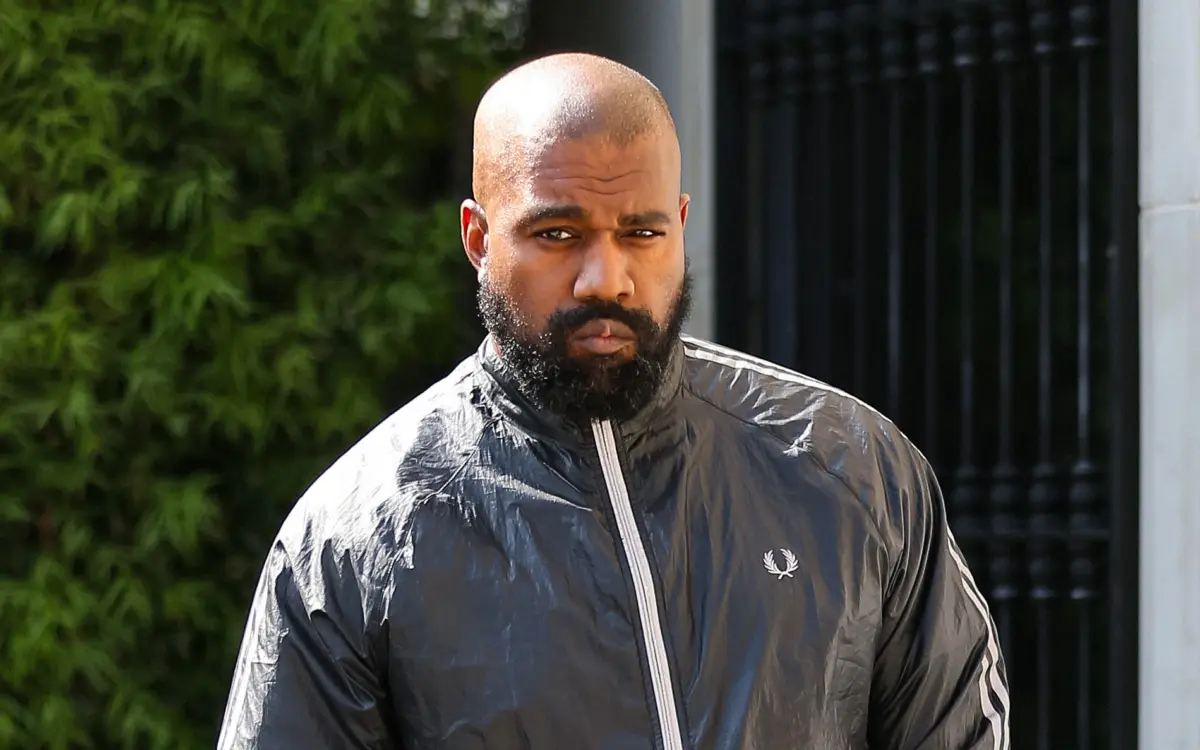
Wireless Festival has been canceled after its headliner, Kanye West, was denied entry into the UK. The London-based rap and R&B festival announced in a statement on Tuesday (April 7) that, "As a result of the Home Office banning YE from entering the United Kingdom, Wireless Festival has been forced to cancel. All ticket holders will receive an automatic full refund." This abrupt cancellation follows a tumultuous period of mounting pressure from major sponsors, campaign groups, and political figures in the UK, all stemming from the festival’s decision to feature the controversial artist as its sole headliner. The controversy intensified due to West’s widely publicized antisemitic and pro-Nazi remarks made in recent years.
Escalating Backlash and Sponsor Withdrawals
The decision to book Kanye West, now legally known as Ye, ignited a significant backlash that ultimately proved too substantial for the festival organizers to overcome. In the days leading up to the cancellation, several prominent brands, including Pepsi, PayPal, and Diageo, publicly announced their withdrawal of sponsorship in protest of Ye’s inclusion. This exodus of financial backing signaled a serious challenge to the festival’s viability and highlighted the widespread disapproval of the artist’s recent public statements.
The gravity of the situation was further underscored by statements from political leaders. Prime Minister Sir Keir Starmer publicly characterized the booking as "deeply concerning," aligning with the sentiments of many who questioned the ethical implications of providing a platform for an artist with such a history of inflammatory rhetoric. This political opposition added another layer of pressure on the festival organizers and the Home Office, creating a climate of intense scrutiny.
Home Office Intervention and grounds for Denial
The definitive action to prevent Ye’s entry into the United Kingdom came directly from the Home Office. According to reports from the BBC, Ye submitted an application for an Electronic Travel Authorisation (ETA) on Monday, April 6, with the intention of traveling to the UK. However, this application was subsequently rejected by the Home Office. The official grounds for denial were stated as the artist’s presence in the country being "not conducive to the public good." This determination reflects the UK government’s stance on individuals whose public statements or actions are deemed harmful to societal cohesion or public order.
The decision by the Home Office marks a significant intervention, effectively preempting any potential performances by Ye at the Wireless Festival and solidifying the consequences of his controversial remarks. This move also sets a precedent for how the UK government might handle similar situations involving international artists with a history of problematic public pronouncements.
Ye’s Attempted Rebuttal and Community Engagement
In an effort to mitigate the escalating controversy surrounding his planned Wireless Festival performances, Ye issued a statement earlier on Tuesday. In this statement, he articulated his intention to "present a show of change" and to "bring unity, peace and love through my music." He also extended an offer to meet with "members of the Jewish community in the UK in person, to listen." This overture appeared to be an attempt to address the deep-seated concerns raised by his antisemitic remarks and to demonstrate a willingness to engage in dialogue and reconciliation.
The Board of Deputies of British Jews responded to Ye’s statement with a measured approach. They indicated a willingness to meet with the artist, framing it as part of "his journey of healing." However, their offer was contingent on Ye agreeing not to perform at the Wireless Festival. This condition underscored the community’s priority: to see a clear commitment to de-escalation and accountability before engaging in direct dialogue, particularly in the context of a scheduled performance.
Festival Republic’s Defense and Shifting Stance
Prior to the official UK ban and the festival’s subsequent cancellation, Melvin Benn, the managing director of Festival Republic (the company behind Wireless Festival), had publicly defended the decision to book Ye. Benn acknowledged the abhorrent nature of Ye’s past statements regarding Jews and Hitler, stating, "What Ye has said in the past about Jews and Hitler is as abhorrent to me." However, he argued that Ye’s music is widely available and consumed in the UK through commercial radio, streaming, and downloads without significant public outcry or condemnation. He further asserted that Ye had a legal right to enter and perform in the country.
Benn’s defense centered on the distinction between artistic performance and the endorsement of offensive opinions. He stated, "We are not giving him a platform to extol opinion of whatever nature, only to perform the songs that are currently played on the radio stations in our country and the streaming platforms in our country and listened to and enjoyed by millions." He also appealed for a sense of forgiveness and second chances, suggesting that in an increasingly divisive world, these virtues were becoming "lost." Benn’s perspective highlighted a belief in the possibility of redemption and the importance of allowing artists to perform their work, even in light of past transgressions.
However, with the Home Office ban and the subsequent cancellation of Wireless Festival, this defense became moot. The ultimate decision rested with governmental authority, superseding the festival’s initial commitment to Ye’s performance.
Broader Context and Recent Activities
Kanye West was slated to headline all three nights of the Wireless Festival, scheduled for July 10, 11, and 12. The festival, a prominent fixture in the UK’s urban music calendar, draws a significant international audience and is known for its diverse lineup of rap and R&B artists. The cancellation represents a substantial disruption for festival-goers and the wider music industry.
In contrast to the situation in the UK, Ye had recently experienced a relatively smooth reception on home soil. He had performed two sold-out shows at Los Angeles’ SoFi Stadium in support of his new album, reportedly titled Bully. These concerts featured a number of high-profile guest appearances, including Lauryn Hill, Travis Scott, and Don Toliver, indicating continued support and collaboration within segments of the American music scene. The stark difference in reception between the UK and the US highlights the varying thresholds of tolerance and the specific sensitivities surrounding public figures’ controversial statements in different cultural and political landscapes.
Timeline of Events
- Recent Past: Kanye West (Ye) makes a series of antisemitic and pro-Nazi remarks, sparking widespread condemnation.
- Leading up to April 7: Major sponsors like Pepsi, PayPal, and Diageo withdraw their support for Wireless Festival due to Ye’s booking. UK political figures, including Prime Minister Sir Keir Starmer, express concern.
- Monday, April 6: Kanye West applies for an Electronic Travel Authorisation (ETA) to enter the UK.
- Tuesday, April 7 (Morning): Ye issues a statement expressing a desire for change and offering to meet with members of the Jewish community. The Board of Deputies of British Jews responds, setting conditions for a meeting.
- Tuesday, April 7 (Announcement): The Home Office rejects Ye’s ETA application, citing his presence as not conducive to the public good.
- Tuesday, April 7 (Announcement): Wireless Festival announces its cancellation due to Ye’s denied entry, promising full refunds for ticket holders.
Analysis of Implications
The cancellation of Wireless Festival due to Kanye West’s UK ban carries significant implications for several stakeholders. For the festival organizers, it represents a considerable financial and reputational blow. The sudden cancellation disrupts operations, necessitates refund processes, and potentially impacts future booking decisions. For ticket holders, it’s a major disappointment, leading to the forfeiture of planned entertainment and potential logistical complications.
From a broader perspective, the Home Office’s decision underscores a hardening stance against individuals whose public discourse is deemed harmful. It signals that freedom of expression does not equate to an unfettered right of entry, particularly when past statements have caused significant offense and potential societal harm. This action may influence how other countries assess the entry of controversial figures and could embolden similar governmental interventions in other jurisdictions.
The situation also highlights the evolving power dynamics between artists, sponsors, and the public in the digital age. Social media amplifies both support and criticism, creating rapid and intense pressure campaigns that can directly influence major events. The withdrawal of key sponsors demonstrates the significant financial leverage that brands wield and their sensitivity to reputational risk associated with controversial associations.
Furthermore, the case raises ongoing debates about artistic freedom versus social responsibility, the nature of redemption, and the efficacy of public apologies in the face of deeply ingrained prejudice. The differing reactions in the UK and the US suggest that the impact and perception of such controversies can be highly context-dependent, influenced by national histories, cultural norms, and political climates. The long-term ramifications for Kanye West’s international touring career and his relationship with global audiences remain to be seen, but this incident undoubtedly marks a significant chapter in his often tumultuous public life.
