

The digital landscape for independent musicians and content creators has undergone a fundamental transformation over the last decade, shifting from centralized distribution hubs to a fragmented ecosystem of social media platforms. In this environment, the "link in bio" has evolved from a simple directory of URLs into a critical piece of digital real estate. Recent analysis by music marketing experts, most notably author and industry veteran Jesse Cannon, suggests that Koji has emerged as the premier platform for musicians, producers, and instrumentalists looking to consolidate their online presence while maximizing fan conversion and revenue.
As social media platforms like Instagram, TikTok, and X (formerly Twitter) continue to restrict outbound linking to a single profile slot, the efficiency of that link determines the success of an artist’s digital marketing strategy. The shift toward Koji represents a broader trend in the creator economy: the move away from static landing pages toward interactive, app-based ecosystems that facilitate direct-to-fan transactions without requiring users to leave the host application.
The Evolution of the Digital Gateway for Artists
The concept of a "link in bio" began as a technical workaround for Instagram’s refusal to allow hyperlinked text in post captions. Early solutions, such as Linktree, provided a basic list of buttons. However, as the creator economy matured—reaching an estimated valuation of over $250 billion in 2023—the needs of musicians became more sophisticated. Modern artists require more than a list of links; they require a mobile-optimized storefront, a data collection hub, and a media player.

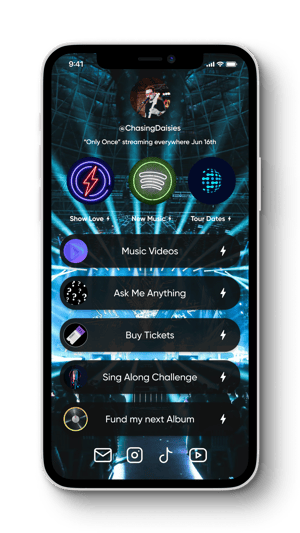
Jesse Cannon, a prominent figure in music marketing known for his "Musformation" series and his influential book Get More Fans, recently conducted an exhaustive comparison of various platforms. His findings indicate that while several competitors exist, Koji’s architecture offers a distinct advantage by treating the link-in-bio space as an operating system rather than a menu. This allows musicians to integrate complex functionalities—such as selling digital goods or hosting video "ask me anything" sessions—directly within the social media browser.
The Importance of the Digital First Impression
In the fast-paced environment of social media discovery, the transition from a "viewer" to a "fan" often happens in a matter of seconds. Cannon emphasizes that the first impression an artist makes on a potential follower is frequently overlooked. A cluttered or slow-loading landing page can lead to high bounce rates, effectively wasting the marketing efforts used to drive traffic to the profile.
Koji addresses this by providing high-fidelity customization tools. Unlike traditional platforms that offer limited templates, Koji allows artists to use personalized text, high-resolution graphics, and video backgrounds to maintain brand consistency. This level of aesthetic control ensures that the transition from a curated Instagram feed to the link-in-bio feels seamless, reinforcing the artist’s professional identity. According to Cannon, this user experience is the primary driver in converting casual listeners into lifelong supporters.
The Technical Advantage: The Koji App Store
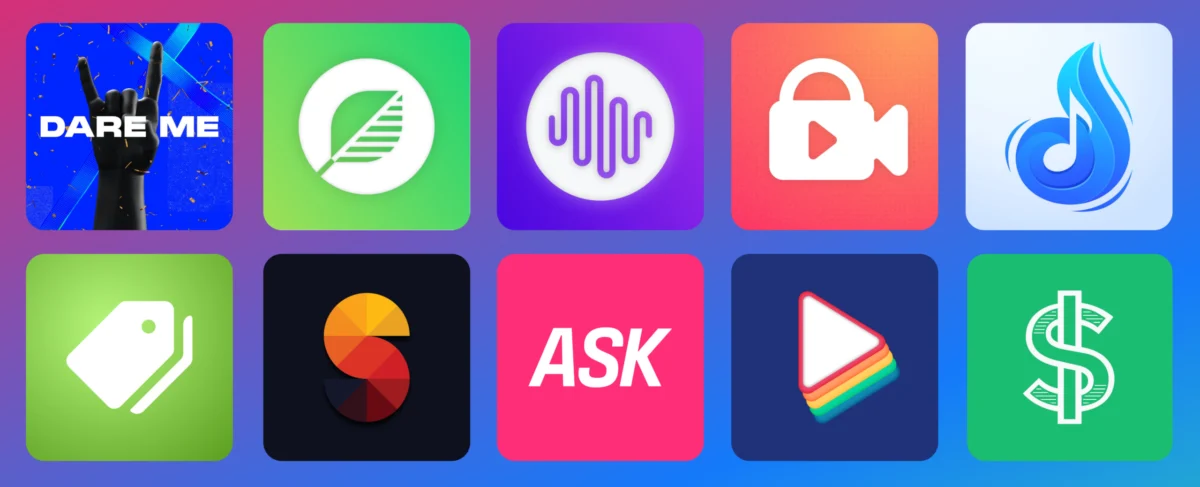
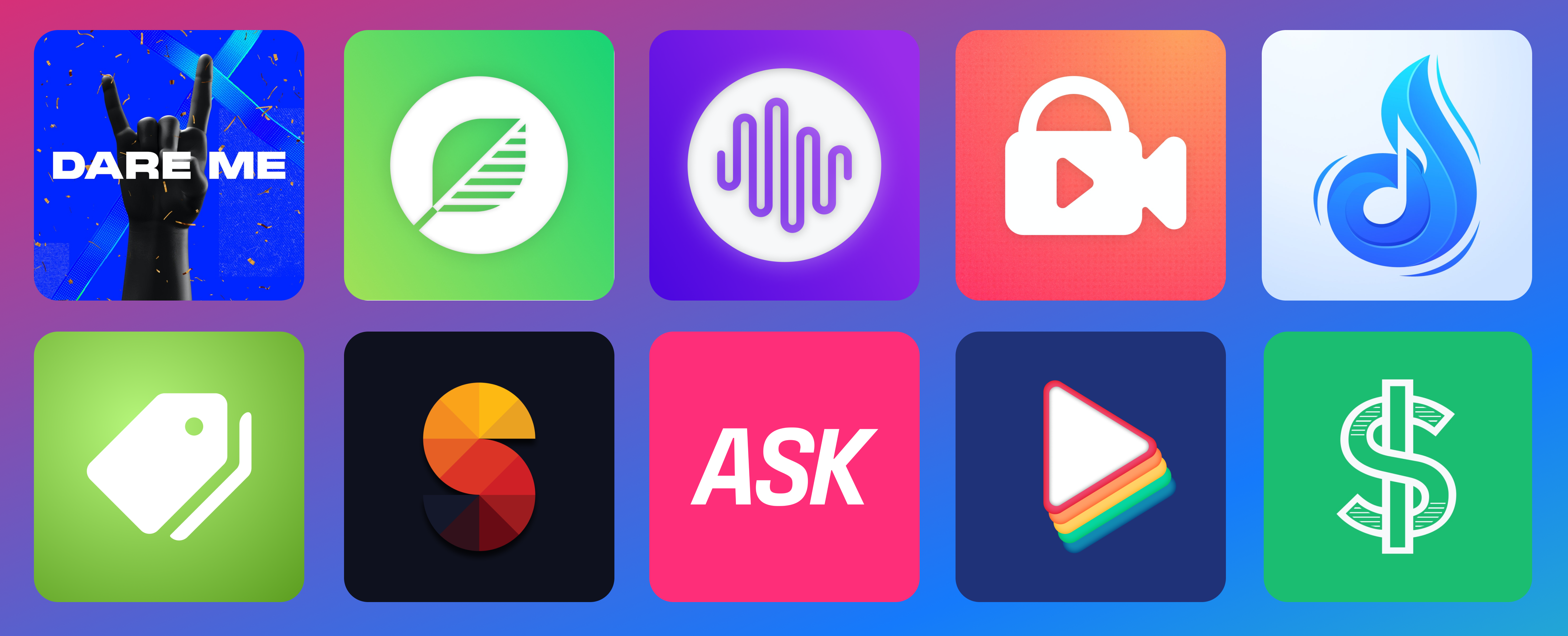
The most significant differentiator for Koji is its integrated App Store. This feature allows musicians to add functionality to their profiles via "mini-apps." Critically, these are not native iOS or Android applications that require a download from an external store; they are web-based applications that run instantly within the browser of the social media app the fan is already using.

The removal of "friction"—the number of steps a user must take to complete an action—is a cornerstone of digital commerce. By utilizing Koji’s mini-apps, a fan can purchase a beat, tip an artist, or sign up for a newsletter without ever closing their social media app. This technical infrastructure bypasses the traditional "walled gardens" of mobile operating systems, allowing for a higher percentage of completed transactions.
Industry data suggests that for every additional click required in a checkout process, conversion rates drop by approximately 20% to 30%. By consolidating the experience, Koji significantly mitigates this loss, providing a more efficient pipeline for monetization.
Diversifying Revenue Streams Through Mini-Apps
For the modern musician, reliance on streaming royalties alone is rarely a sustainable business model. The average payout per stream across major platforms remains under $0.005, necessitating millions of plays to generate a living wage. Consequently, direct-to-fan monetization has become essential.
Cannon highlights several Koji mini-apps that provide immediate utility for artists at various stages of their careers:

- Digital Storefronts: Musicians can sell unreleased tracks, sample packs, or sheet music directly.
- Fan Interaction Tools: Apps that allow fans to pay for personalized video shoutouts or "Ask a Question" features create high-margin revenue streams.
- Lead Generation: Integrated email and SMS signup forms allow artists to own their audience data, protecting them from changes in social media algorithms.
- Tipping and Crowdfunding: Direct "Tip Jar" features allow fans to support creators during live streams or after discovering new music.
By hosting these tools in one location, Koji functions as a centralized business hub. This is particularly beneficial for independent producers and instrumentalists who may not have the resources to maintain a traditional e-commerce website.
Strategic Implementation: Building the Ultimate Profile
To maximize the efficacy of a Koji profile, Cannon and other marketing experts suggest a strategic approach to layout and content. The goal is to move the most important actions to the top of the hierarchy while providing enough depth to engage "super-fans" who want to explore further.
Experts recommend five core strategies for musicians using the platform:
- Prioritize the Primary Call to Action: Whether it is a new single or a tour announcement, the most important link should be visually distinct and placed at the top.
- Utilize Rich Media: Incorporating video previews or high-quality imagery helps to bridge the gap between the music and the visual brand.
- Simplify Navigation: While Koji offers hundreds of apps, over-cluttering a profile can lead to "choice paralysis." Selecting 5–7 high-impact apps is generally more effective than a long list of low-value links.
- Regular Updates: A link-in-bio should be a living document. Updating the profile to reflect current projects keeps the content fresh for returning fans.
- Data-Driven Adjustments: Using Koji’s built-in analytics, artists can see which links are performing well and which are being ignored, allowing for iterative improvements to the fan experience.
Comparative Market Analysis
When compared to legacy platforms like Linktree or newer competitors like Beacons and Bio.fm, Koji’s positioning is unique due to its developer-friendly ecosystem. While Linktree has recently added some monetization features, its core remains a "list of links." Beacons offers similar "all-in-one" capabilities but often requires a subscription for advanced features.
Koji’s model, which focuses on a robust app-based architecture, provides a higher degree of flexibility. Furthermore, Koji typically takes a smaller percentage of transactions compared to traditional storefronts, making it a more attractive option for artists operating on thin margins. The platform’s ability to facilitate Web3 integrations and NFT galleries also positions it as a more future-proof solution for artists looking to experiment with blockchain technology.
Chronology of the Link-in-Bio Movement
The trajectory of this technology can be traced through several distinct phases:
- Phase 1 (2014–2016): The "One Link" era, where artists manually changed their bio link to point to their latest YouTube video or SoundCloud track.
- Phase 2 (2016–2019): The "Directory" era, characterized by the rise of Linktree. Artists began using simple landing pages to offer multiple destinations.
- Phase 3 (2020–Present): The "Mini-App" or "Operating System" era. Led by Koji, this phase sees the link-in-bio becoming a fully functional extension of the artist’s business, capable of handling commerce, communication, and data collection.
Broader Industry Implications and Future Outlook
The endorsement of Koji by industry experts like Jesse Cannon signals a shift in how the music industry views social media traffic. Labels and independent artists alike are beginning to realize that social media "reach" is a vanity metric if it cannot be converted into "resonance"—measurable engagement or financial support.
By providing a professional-grade storefront and engagement hub for free, Koji is democratizing the tools that were previously only available to major label artists with high-budget web development teams. This leveling of the playing field allows independent creators to compete more effectively in a saturated market.
Looking forward, the integration of artificial intelligence and more sophisticated data analytics into platforms like Koji is expected to further refine the fan experience. As the music industry continues to move toward a "direct-to-consumer" model, the importance of a centralized, high-performance digital gateway will only increase. For musicians, the "link in bio" is no longer just a technical necessity; it is the cornerstone of their digital business strategy.
In conclusion, the transition to Koji represents a strategic move toward a more integrated, efficient, and profitable digital presence. As Jesse Cannon’s analysis suggests, for musicians who view their art as a business, the choice of platform is a critical decision that impacts first impressions, fan retention, and long-term financial sustainability.
