

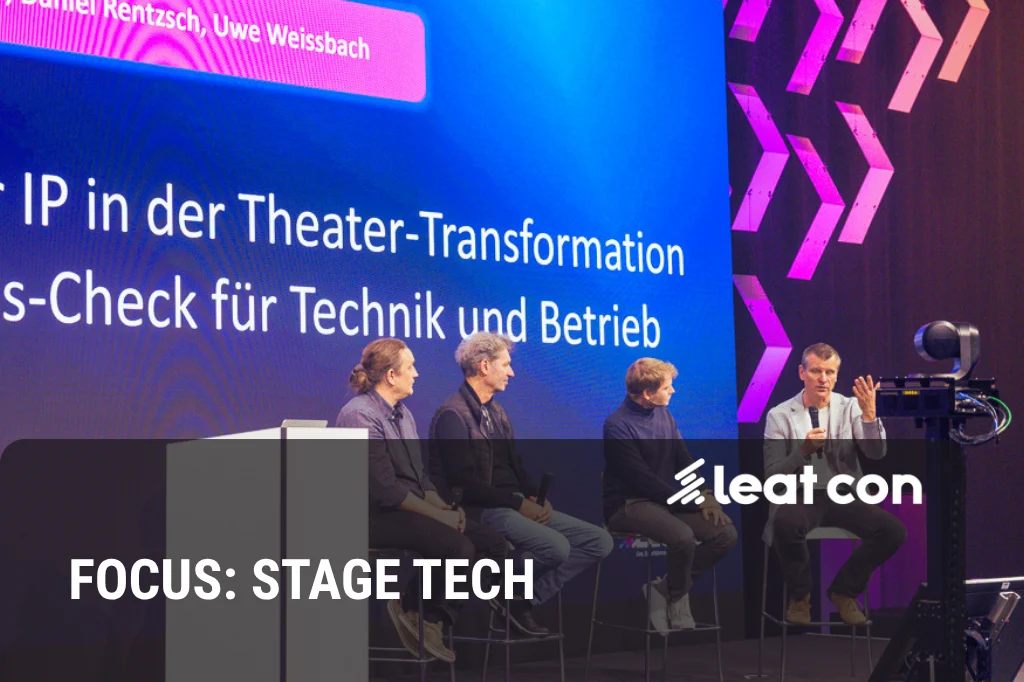
As the global performing arts sector undergoes a period of rapid digital transformation and regulatory overhaul, the LEAT CON 26 convention has emerged as a pivotal forum for addressing the multifaceted challenges facing modern theater production. Scheduled for late August 2026, the convention has unveiled its comprehensive Stage Tech Program, designed to bridge the gap between traditional stagecraft and the cutting-edge technological demands of the mid-2020s. With a focus on the intersection of architectural planning, safety compliance, and creative innovation, the event serves as a critical junction for technicians, architects, and artistic directors navigating an increasingly complex operational landscape.
The theater industry currently stands at a crossroads, where the necessity for modernized infrastructure meets the stringent requirements of new safety legislation and the creative possibilities of artificial intelligence. LEAT CON 26 addresses these themes head-on, offering a curated selection of lectures, masterclasses, and site visits that highlight the evolving role of technology in the cultural sector. The program’s emphasis on practical application ensures that theoretical discussions are grounded in the realities of daily theater operations, from the management of hazardous substances to the implementation of complex 3D mapping projects.
A Strategic Forum for Modern Stagecraft
The Stage Tech Program at LEAT CON 26 is structured to provide a holistic view of the theater ecosystem. One of the central pillars of the event is the exploration of how theater buildings and planning processes are adapting to the demands of the 21st century. As many historic European theater houses face the dual pressure of aging infrastructure and the need for carbon-neutral operations, the insights provided by experts like Prof. Dr.-Ing. Bri Newesely are particularly timely. Newesely’s sessions focus on the development of theater structures and the intricacies of modern planning, emphasizing that the architectural shell must be as flexible as the technology it houses.
A significant highlight of the program is the keynote by Dietrich Wersich, a member of the Hamburg Parliament and former Senator for Culture and Media. In his address, titled "No Curtain Without You: Why Culture Depends on Technology," Wersich underscores the socio-political importance of the technical workforce. His presence at the convention signals a growing recognition among policymakers that the sustainability of the cultural sector is inextricably linked to investment in technical infrastructure and personnel. This political perspective is crucial at a time when public funding for the arts is under intense scrutiny across Europe, necessitating a clear articulation of the value provided by the "invisible" workers behind the scenes.
Regulatory Evolution: Navigating the MVStättVO 2025
Perhaps the most pressing technical concern for German theater operators in 2026 is the implementation of the updated MVStättVO 2025 (Muster-Versammlungsstättenverordnung), the model ordinance governing places of public assembly. The 2025 revision introduces significant changes to safety protocols, fire protection, and the legal responsibilities of venue managers. At LEAT CON 26, Timon Löhr from Karchowski provides a critical "practice check" of these new rules.
The updated ordinance reflects a shift toward more integrated safety management systems, requiring technicians to possess a deeper understanding of risk assessment and legal liability. The convention’s sessions on this topic are designed to demystify the legislative language and provide actionable frameworks for compliance. This is complemented by specialized segments on the safe handling of hazardous materials, led by Kerstin Budde and Frederik Zimmer, which address the use of pyrotechnics, atmospheric effects, and chemicals in scenic construction—areas that are subject to increasingly rigorous environmental and occupational health standards.
The Intersection of Art and Artificial Intelligence
While safety and planning form the foundation of the industry, creative innovation remains its lifeblood. LEAT CON 26 places a heavy emphasis on the role of emerging technologies in storytelling. The "From Stage to Space" session with Philipp Contag-Lada explores the evolution of projection technology, moving beyond simple backgrounds to immersive environments that redefine the relationship between the performer and the space.
The integration of Artificial Intelligence (AI) into stage design is another focal point, particularly in the masterclasses led by JoJo Tillmann. AI is no longer a futuristic concept in theater; it is being used to automate complex lighting cues, generate real-time visual responses to performer movements, and optimize acoustic environments. The convention explores how these tools can be used ethically and creatively to enhance the audience experience without overshadowing the human element of live performance.
Furthermore, the world premiere of the 2026 edition of "FASZINATION LICHT," presented by Ralph Larmann and Max Keller, showcases the pinnacle of lighting design. Larmann, known for his high-profile photography of global concert tours, and Keller, a legendary figure in theater lighting, provide a rare look at the aesthetic trends shaping the visual language of the stage. This presentation highlights the shift toward photometric precision and the use of high-dynamic-range (HDR) lighting systems that offer unprecedented control over color and intensity.
Technical Excellence and Educational Masterclasses
To ensure that attendees can translate these high-level concepts into technical proficiency, LEAT CON 26 features a series of intensive masterclasses. These sessions are designed for senior professionals seeking to refine their expertise in specialized niches.
- Acoustics and Sound Reinforcement: Prof. Dr. Anselm Goertz leads sessions on the physics of sound in complex theatrical spaces. As theater productions become more aurally ambitious, the need for precise acoustic planning and advanced loudspeaker arrays has never been greater.
- 3D Mapping and Digital Scenography: Philipp Contag-Lada provides hands-on training in the calibration and execution of large-scale projection mapping, a skill set that is becoming standard in both modern opera and commercial event production.
- Photometric Data Management: Herbert Bernstädt addresses the technical nuances of lighting data, ensuring that designers can achieve consistent results across different hardware platforms and venues.
These educational offerings reflect a broader industry trend: the professionalization of the stage technician role. In 2026, a stage technician is as much a data scientist and systems engineer as they are a traditional craftsman. LEAT CON 26 serves as a vital resource for this ongoing professional development.
Industry Reactions and Socio-Economic Impact
Preliminary feedback from industry associations and technical directors suggests that LEAT CON 26 is meeting a critical need for centralized knowledge sharing. The "Side Events" program, which includes behind-the-scenes tours of the Deutsches Schauspielhaus and the Hamburgische Staatsoper, has been particularly well-received. These tours offer a rare glimpse into the operational challenges of major repertory theaters.
The Hamburg State Opera, for instance, is currently navigating the complexities of maintaining a rigorous performance schedule while planning for a major new building. This real-world case study provides invaluable data on how to balance tradition with the requirements of a modern, tech-heavy production house. Analysts suggest that the insights gained from these sessions will influence theater renovation projects across the DACH region (Germany, Austria, Switzerland) for years to come.

From an economic perspective, the innovations showcased at the convention have significant implications for the efficiency of the sector. By adopting more standardized planning processes and energy-efficient lighting technologies, theaters can mitigate rising operational costs. The focus on safety compliance also reduces the risk of costly legal disputes and production delays, providing a more stable foundation for artistic experimentation.
Chronology of Innovation: The Path to 2026
The themes of LEAT CON 26 are the culmination of several years of industry evolution. Following the disruptions of the early 2020s, the theater world saw a surge in the adoption of streaming and hybrid performance models. By 2024, the focus had shifted toward "smart venues"—buildings equipped with integrated IoT sensors for climate control and equipment monitoring.
In 2025, the focus narrowed to regulatory compliance with the announcement of the MVStättVO revisions. LEAT CON 26 represents the convergence of these trends. It is the first major gathering where the practical implications of the 2025 regulations are being fully dissected alongside the mature application of AI and 3D mapping technologies. The convention’s timeline reflects a sector that has moved past the "crisis management" phase and is now proactively designing its future.
Looking Ahead: The Future of the Performing Arts Infrastructure
As LEAT CON 26 concludes, the industry is left with a clearer roadmap for the future. The integration of technology is no longer viewed as a threat to the "liveness" of theater, but rather as a necessary tool for its survival and growth. The convention proves that the "magic" of the stage is increasingly reliant on a sophisticated backbone of data, engineering, and legal precision.
The broad impact of the Stage Tech Program extends beyond the theater walls. The standards discussed regarding safety, lighting, and acoustics often set the tone for the wider live events industry, including corporate launches, festivals, and architectural installations. By fostering a dialogue between politicians, architects, and technicians, LEAT CON 26 ensures that the cultural sector remains at the forefront of technological and social progress.
In an era where digital entertainment is ubiquitous, the live theater experience must offer something unique and technically flawless. The innovations and strategies unveiled at LEAT CON 26 provide the industry with the means to meet this challenge, ensuring that the curtain continues to rise on stages that are safer, smarter, and more creative than ever before.
