

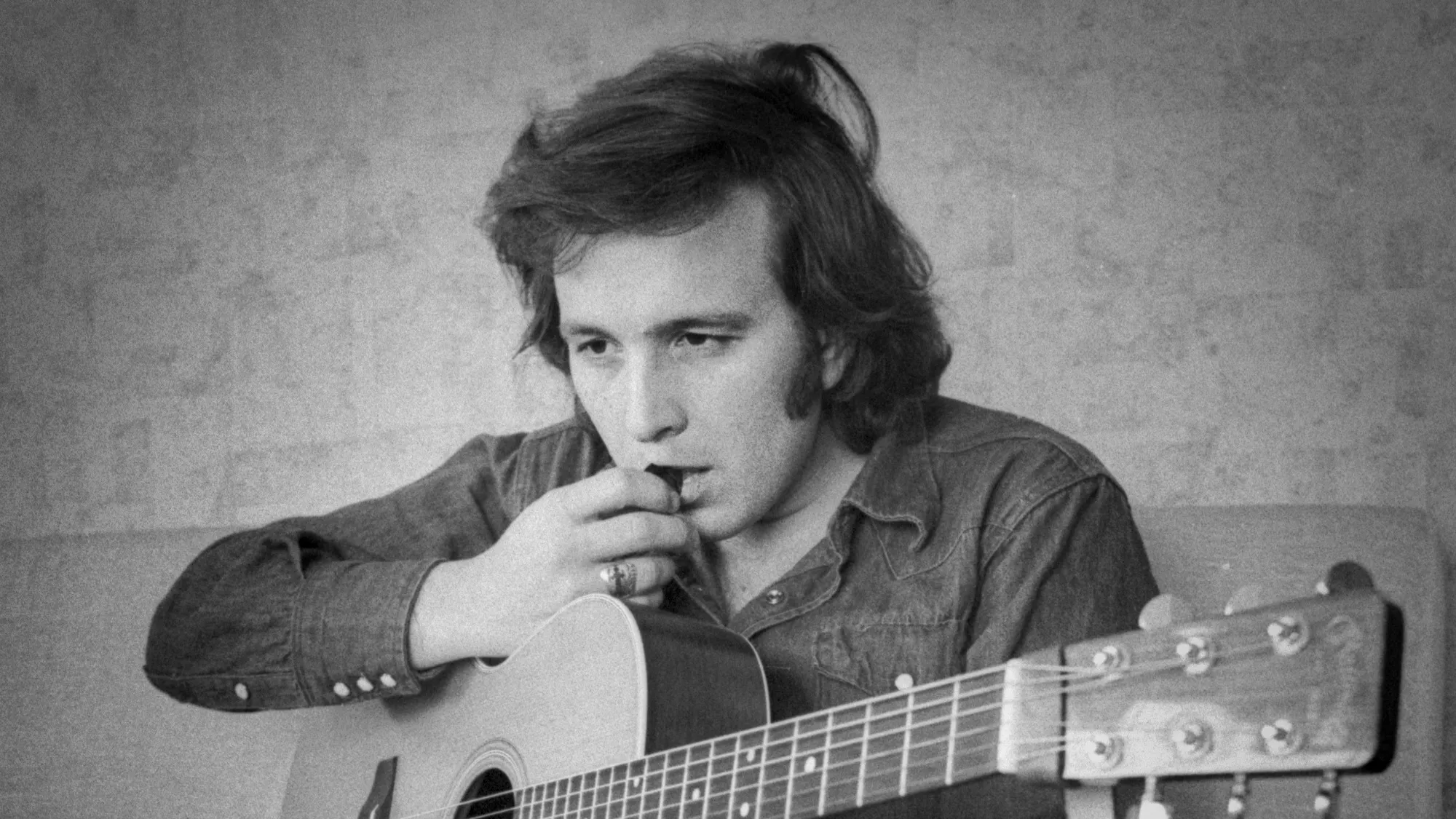
The 1970s marked a transformative era in the American musical canon, characterized by a shift from the psychedelic experimentation of the late 1960s toward a more introspective, acoustic-driven narrative style. During this period, a specific cadre of folk singer-songwriters emerged, producing works of such profound cultural resonance that the songs themselves often eclipsed the public recognition of their creators. This phenomenon, where a melody or a lyric becomes a permanent fixture of the collective consciousness while the artist’s personal history remains secondary, defines the legacies of figures such as Yusuf / Cat Stevens, Jim Croce, and Don McLean. These artists did more than chart hits; they provided the sonic architecture for a decade defined by personal reflection and societal transition.
The Spiritual and Commercial Odyssey of Yusuf / Cat Stevens
Cat Stevens, born Steven Georgiou and now known as Yusuf Islam, represents one of the most successful commercial juggernauts of the folk-rock era. With a career spanning over five decades, Stevens has achieved a level of statistical success that few solo artists can claim. To date, his catalog has generated more than 100 million record sales globally, bolstered by a digital presence that exceeds two billion streams. His work serves as a bridge between the traditional folk movement and the pop-sensibility of the early 1970s.
The height of Stevens’ influence occurred between 1970 and 1972 with the release of the seminal albums Tea for the Tillerman and Teaser and the Firecat. These records produced staples such as "Wild World" and "Father and Son," songs that have since become multi-generational touchstones. "Wild World," specifically, has seen a vast array of reinterpretations, ranging from Mr. Big’s hard rock version to Maxi Priest’s reggae-infused cover, demonstrating the inherent versatility of Stevens’ songwriting.
However, Stevens’ career is perhaps most notable for his 1977 conversion to Islam and his subsequent departure from the music industry at the peak of his fame. This transition was prompted by a near-death experience while swimming at Malibu Beach, an event that led him to seek spiritual clarity. He adopted the name Yusuf Islam and remained largely absent from the Western pop world for nearly three decades, focusing instead on education and humanitarian efforts. His return to secular music in the 21st century, under the moniker Yusuf, was met with critical acclaim, including his 2014 induction into the Rock and Roll Hall of Fame. His song "The First Cut Is The Deepest" remains a masterclass in songwriting efficiency, having reached the top of the charts for different artists in four consecutive decades, most notably by P.P. Arnold, Rod Stewart, and Sheryl Crow.
The Tragic Trajectory and Blue-Collar Resonance of Jim Croce
While Cat Stevens represented the philosophical and spiritual seeker, Jim Croce was the voice of the American everyman. Croce’s rise to prominence was a study in perseverance; he spent much of the 1960s working as a teacher, a truck driver, and a construction worker while struggling to find a foothold in the music industry. It was this "blue-collar" background that informed his lyrical themes, blending sensitive ballads with upbeat, character-driven narratives about urban life and working-class struggles.
Croce’s commercial breakthrough arrived in 1972 with the album You Don’t Mess Around with Jim. The title track and "Time in a Bottle" established him as a songwriter capable of both gritty storytelling and profound vulnerability. "Time in a Bottle," written for his son A.J. Croce, would eventually become one of the most enduring love songs of the era, though its greatest chart success was born of tragedy.
On September 20, 1973, at the age of 30, Croce was killed in a plane crash in Natchitoches, Louisiana, just as his career was reaching its zenith. The accident occurred shortly after a performance at Northwestern State University. In the immediate aftermath, the public’s response was unprecedented. His third album, I Got A Name, was released posthumously and quickly ascended to No. 1 on the Billboard 200. Simultaneously, his previous release, Life and Times, reached No. 2.
The longevity of Croce’s music is evidenced by its constant presence in modern media. "Bad, Bad Leroy Brown" and "You Don’t Mess Around with Jim" are frequently utilized in film and television to evoke a specific sense of 1970s Americana. Despite a professional career that lasted less than two years in the mainstream spotlight, Croce’s ability to distill complex emotions into relatable vignettes has ensured that his work remains a staple of contemporary folk and soft rock radio.
Don McLean and the Anatomy of a Cultural Epic
Don McLean occupies a unique space in music history, primarily due to the creation of "American Pie," a song that has been analyzed, deconstructed, and celebrated more than perhaps any other single in the history of recorded music. Released in late 1971, the eight-and-a-half-minute epic became an immediate cultural phenomenon, despite its unusual length for radio play at the time.
The song is ostensibly a tribute to Buddy Holly, Ritchie Valens, and "The Big Bopper," who died in a 1959 plane crash—an event McLean famously dubbed "The Day the Music Died." However, the lyrics serve as a dense, metaphorical history of the United States from the late 1950s through the 1960s, touching upon the loss of innocence and the shifting social landscape. In 2015, McLean’s original working manuscript for the song sold at auction for $1.2 million, underscoring its status as a piece of American historical literature rather than just a pop song.
McLean has often addressed the autobiographical nature of his work, noting that while the song is a witness to history, it is also a personal narrative. Speaking to historical archives, McLean noted that the song moves from personal memories of childhood to a broader fantasy of what America was becoming. This duality—the personal versus the political—is what gave the folk movement of the 1970s its staying power.
While "American Pie" is his most recognized work, McLean’s broader discography, including the album Tapestry and the hit "Vincent" (a tribute to Vincent van Gogh), showcases a songwriter of immense technical skill and emotional depth. "Vincent" remains a significant achievement in its own right, used globally to educate audiences about mental health and the artist’s struggle, further cementing McLean’s role as a chronicler of the human condition.
The Broader Impact: Folk as the Foundation of Modern Songwriting
The success of Stevens, Croce, and McLean was not an isolated phenomenon but part of a larger movement that prioritized the "singer-songwriter" as a singular creative force. This era saw the decline of the traditional Brill Building model, where songwriters and performers were often separate entities, and the rise of the artist as an auteur.
Data from the Recording Industry Association of America (RIAA) indicates that the folk and soft-rock genres of the 1970s laid the groundwork for the multi-platinum successes of the 1980s and 90s. The emphasis on acoustic arrangements and lyrical storytelling influenced a diverse range of later artists, from Tracy Chapman and Indigo Girls to modern figures like Ed Sheeran and Hozier.
The 1970s folk movement also represented a shift in the business of music. It was the first era where "back-catalog" value became a significant economic driver. As the initial listeners of these artists aged, they continued to purchase the music in new formats—from vinyl to 8-track, cassette, CD, and eventually digital streams. This created a sustainable revenue model for labels and estates, proving that high-quality songwriting has a shelf life far exceeding the initial chart run.
Chronology of Influence: Key Milestones
The timeline of these artists’ impact reveals a decade of intense creativity and sudden, often jarring, shifts in fortune:
- 1969: Don McLean records his debut album, Tapestry, establishing the groundwork for the folk-rock boom.
- 1970: Cat Stevens releases Tea for the Tillerman, which goes multi-platinum and defines the "sensitive singer-songwriter" archetype.
- 1971: "American Pie" is released, spending four weeks at No. 1 and becoming the longest song to ever top the Billboard Hot 100 at that time.
- 1972: Jim Croce breaks into the mainstream with You Don’t Mess Around with Jim, bringing a new level of character-driven storytelling to the charts.
- 1973: The tragic death of Jim Croce leads to a massive posthumous surge in his popularity, with "Time in a Bottle" becoming a No. 1 hit after his passing.
- 1977: Cat Stevens officially converts to Islam, beginning a long hiatus from the music industry that would last until the mid-2000s.
- 2017: The Library of Congress selects "American Pie" for preservation in the National Recording Registry for being "culturally, historically, or aesthetically significant."
Analysis of the Enduring Folk Legacy
The enduring popularity of these 1970s folk icons can be attributed to the "authenticity" they projected during an era of significant social upheaval. Following the Vietnam War and the Watergate scandal, American audiences sought music that felt honest, grounded, and personal. The acoustic guitar became the instrument of truth, and the folk singer-songwriter became the era’s most trusted narrator.
Furthermore, the "coverability" of these songs has ensured their survival. When an artist like Sheryl Crow covers "The First Cut Is The Deepest" or a film like X-Men: Days of Future Past features "Time in a Bottle" in a pivotal scene, it introduces these works to a demographic that may not have been alive during the 1970s. This "sync" licensing and re-interpretation economy has turned 1970s folk into a permanent pillar of the global entertainment industry.
In conclusion, the works of Yusuf / Cat Stevens, Jim Croce, and Don McLean represent more than just nostalgic relics of a bygone decade. They are foundational texts of modern popular music. While the names of the songwriters may occasionally recede into the background of the cultural consciousness, the melodies they crafted and the stories they told continue to resonate with an objectivity and emotional clarity that transcends the era of their creation. Their legacy is not found merely in record sales or chart positions, but in the enduring relevance of their lyrics in the lives of listeners worldwide.
