

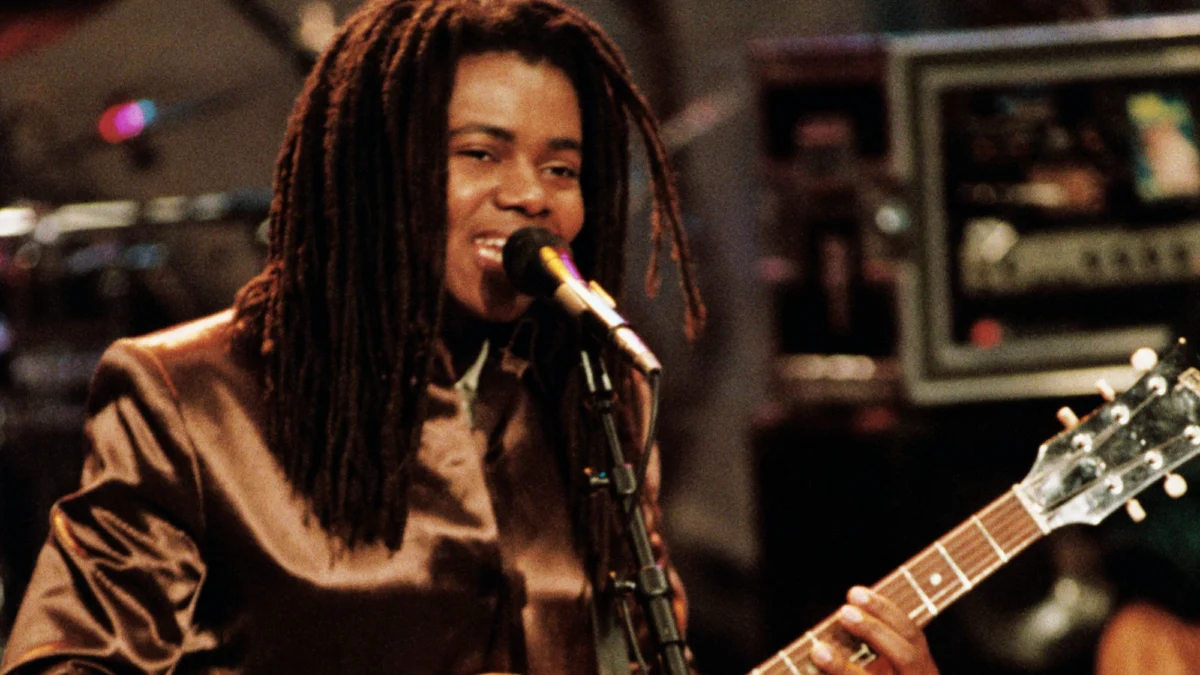
The decade of the 1980s is frequently remembered for the rise of synthetic pop, hair metal, and the advent of MTV, yet it also served as a pivotal era for the evolution of folk music. During this period, the genre shifted from the overt political protest movements of the 1960s and 1970s toward a more introspective, personal style of storytelling. This transition birthed tracks that captured the nuances of the human condition with such precision that their meanings have not only endured but intensified as their creators and audiences have aged. Songs by Tracy Chapman, Paul Simon, and John Prine, originally released between 1986 and 1988, now resonate with a profound weight that comes from decades of lived experience, reflecting themes of systemic struggle, existential dread, and the isolation of adulthood.
The Socio-Economic Resonance of Tracy Chapman’s Fast Car
When Tracy Chapman released "Fast Car" as the lead single from her 1988 self-titled debut album, it was immediately recognized as a masterpiece of narrative songwriting. However, in the late 1980s, the song was often interpreted through the lens of Reagan-era economic disparities and the burgeoning "new folk" revival. Today, as Chapman has entered her 60s and the song has seen a massive resurgence in popular culture, its lyrics regarding the cycle of poverty and the desperation for upward mobility hit with a renewed, grittier reality.
The chronology of "Fast Car" is a testament to the timelessness of folk storytelling. Its initial success was bolstered by Chapman’s legendary performance at the Nelson Mandela 70th Birthday Tribute at Wembley Stadium in June 1988. Standing alone with an acoustic guitar, Chapman captivated a global audience, propelling the song to No. 6 on the Billboard Hot 100. Fast forward to 2023, and country star Luke Combs’ cover of the track reached No. 2 on the same chart, introducing the narrative to Gen Z and Alpha.
The data surrounding this resurgence is staggering. Following the 2024 Grammy Awards, where Chapman performed the song alongside Combs in a rare public appearance, "Fast Car" saw a 221% increase in streams. For older listeners, the lyrics "You got a fast car / I want a ticket to anywhere" no longer represent the naive hope of youth, but rather the heavy realization of how difficult it is to actually "be someone." As an artist ages, the line "I had a feeling that I could be someone" shifts from an aspiration to a reflection on the compromises made over a lifetime.
Paul Simon and the Existential Midlife Crisis of Graceland
In 1986, Paul Simon released Graceland, an album that remains one of the most commercially successful and artistically controversial records of the 20th century. While much of the contemporary discourse centered on Simon’s decision to record in South Africa during the apartheid-era cultural boycott, the lyrical content of the hit single "You Can Call Me Al" provided a blueprint for the modern existential crisis.
The track is famously "rock-forward," featuring a prominent bass solo by Bakithi Kumalo and a bright horn section, but its "folk DNA" is found in its dense, self-deprecating prose. Simon was 45 years old when the song was released—the literal "middle" of his life. The opening lines, "A man walks down the street / He says, ‘Why am I soft in the middle, now? / Why am I soft in the middle? / The rest of my life is so hard,’" were originally seen as a clever play on physical aging and personal dissatisfaction.
Now, with Simon at 83, these lyrics carry an institutional weight. The song explores the "short-term memory" and the feeling of being "foreign" in one’s own life—themes that become increasingly relevant as one navigates the latter stages of a career. Industry analysts note that Graceland has sold over 16 million copies worldwide, and its longevity is attributed to this very relatability. Simon’s recent struggles with hearing loss, which he has discussed in various interviews, add a poignant layer to his performance of these tracks; the "hard" nature of life he sang about in the 80s has manifested in physical and professional challenges that he now meets with the grace of a legacy artist.
John Prine and the Architecture of Loneliness
John Prine, often cited as the "Mark Twain of American songwriting," released "Speed of the Sound of Loneliness" on his 1986 album German Afternoons. Prine’s work has always been characterized by an ability to find the extraordinary in the ordinary, and this track is a definitive example of his mastery. Unlike the polished production of many 80s hits, Prine’s folk-country hybrid focused on the breakdown of communication and the internal "running" that people do to avoid their feelings.
The lyrics, "You’ve broken the speed of the sound of loneliness / You’re out there running just to be on the run," serve as a sophisticated metaphor for emotional unavailability. In 1986, Prine was a veteran of the folk scene, but he had yet to reach the "elder statesman" status he would hold until his passing in 2020. Over the decades, this song became a staple for artists ranging from Nanci Griffith to Kacey Musgraves, proving its universal appeal.
The impact of Prine’s songwriting is reflected in his two Grammy Lifetime Achievement Awards and his induction into the Songwriters Hall of Fame. Analysis of his later-career performances shows a significant shift in how "Speed of the Sound of Loneliness" was delivered. Following his battles with squamous cell carcinoma in the late 90s and lung cancer in 2013, Prine’s voice became deeper and more gravelly. This physical change made the lyrics about the "sting of being alone" feel more earned. For the audience, watching an older Prine perform this song was a reminder that loneliness is not a phase of youth to be outgrown, but a recurring element of the human experience.
Supporting Data and Industry Analysis
The enduring popularity of these 1980s folk tracks is supported by modern consumption metrics. According to Luminate’s 2023 Year-End Report, "Catalog" music (songs older than 18 months) continues to dominate the market, accounting for over 70% of total music consumption in the United States. Folk and Americana, while smaller in total volume than Pop or Hip-Hop, show the highest rates of "active" listening, where fans seek out specific albums and artists rather than relying on passive playlists.
| Artist | Song | Release Year | Peak Billboard Rank (Original) | Key Theme |
|---|---|---|---|---|
| Tracy Chapman | Fast Car | 1988 | No. 6 | Cycles of Poverty |
| Paul Simon | You Can Call Me Al | 1986 | No. 23 | Midlife Existentialism |
| John Prine | Speed of the Sound of Loneliness | 1986 | N/A (Genre Chart Success) | Emotional Isolation |
The data indicates that these songs have a "long tail" in the digital era. For example, Paul Simon’s Spotify monthly listeners consistently hover around 10 million, with "You Can Call Me Al" being his most-streamed solo track. This suggests that the "harder hitting" nature of these lyrics is being validated by a cross-generational audience that finds modern relevance in 40-year-old poetry.
Official Responses and Cultural Implications
In a rare statement following the 2023 success of "Fast Car," Tracy Chapman expressed her surprise and gratitude: "I never expected to find myself on the country charts, but I’m honored to be there. I’m happy for Luke and his success and grateful that new fans have found and embraced ‘Fast Car.’" This response highlights a key trend in the industry: the "de-siloing" of genres. Folk lyrics from the 80s are no longer confined to the "Folk" category; they are being treated as foundational texts for Country, Indie, and Rock.
Musicologists suggest that the reason these songs "hit harder" now is due to the erosion of the "future-optimism" that characterized much of the 20th century. In a modern context of economic instability and social isolation, the blunt honesty of 1980s folk provides a form of "radical empathy." When Paul Simon sings about being "soft in the middle," he is providing a vocabulary for the vulnerabilities of aging that are often ignored in a youth-obsessed culture.
Broader Impact and the Future of the Genre
The legacy of these three tracks extends into the current "Americana" movement, which has seen artists like Brandi Carlile, Jason Isbell, and Tyler Childers adopt the same "hard-hitting" lyrical strategies. These modern artists frequently cite Chapman, Simon, and Prine as the architects of their sound.
The broader implication of this trend is the realization that folk music functions as a living archive of human emotion. As the original artists age, the songs do not become relics; they become mirrors. The "fast car" is no longer just a vehicle; it is a symbol of the fleeting nature of opportunity. The "sound of loneliness" is no longer just a clever phrase; it is a recognized frequency in the lives of many.
In conclusion, the folk music of the 1980s, exemplified by the works of Chapman, Simon, and Prine, has undergone a process of maturation. The lyrics have been polished by time, gaining a clarity that was perhaps invisible during their initial release. As these artists have navigated the complexities of aging, their songs have remained steadfast, offering a profound reminder that while the world changes, the fundamental struggles and triumphs of the human spirit remains remarkably consistent. The fact that these tracks continue to dominate charts and touch hearts decades later is a testament to the power of a well-written line and the enduring necessity of the folk tradition.
