

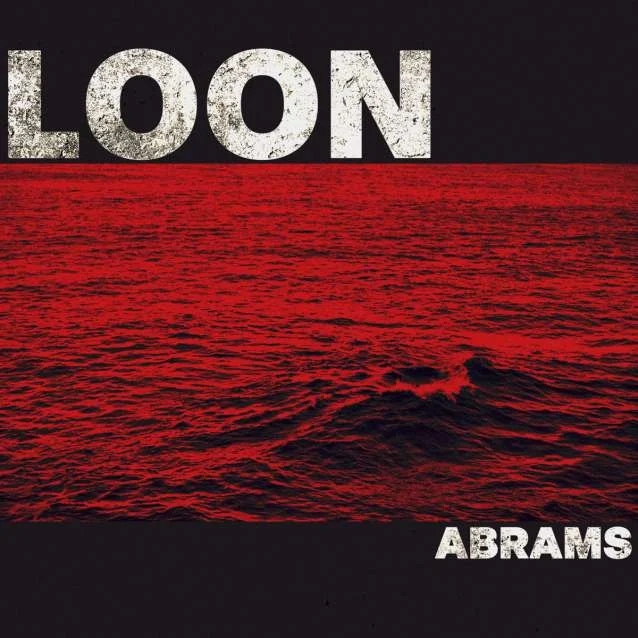
The Colorado-based quartet ABRAMS has unveiled their latest sonic assault, "Loon," a departure from their established stoner-friendly sludge sound. Following a discography characterized by post-metal grandeur, this new release signals a significant shift, embracing a raw, unadulterated rage that reflects a palpable discontent with the contemporary world. This evolution marks ABRAMS’s most aggressive and thematically charged offering to date, pushing the boundaries of their established sonic identity.
A Radical Sonic Metamorphosis
"Loon" detonates with an immediate and visceral impact. The opening track, "Glass House," eschews the gradual build-ups of previous works for an explosive introduction. A thuggish beat, a surge of feedback, and a barrage of antagonistic riffs immediately set a tone of confrontational urgency. The song is described as a tense, angst-ridden punk rock blowout, exhibiting an unprecedented level of energy and a streamlined, hard-as-nails momentum. The inclusion of ferocious double-kicks, angular guitar noise, and nauseous breakdowns positions ABRAMS as a "spitting, screaming sludgecore bulldozer," a description that underscores the raw power and revitalized aggression present throughout the album. The track concludes with a "deeply nasty burst of fast-as-fuck aggro," a deliberate statement of intent to leave listeners "suitably concussed."
The subsequent track, "White Walls," continues this trajectory with a stuttering, lurching blaze of belligerence. The song incorporates spiky post-punk overtones, a stylistic departure that, combined with vocal harmonies, lends a necessary shroud of humanity to the otherwise brutish soundscape. The article highlights the crucial role of vocalists Taylor Iverson and Zachary Amster, whose "gritty, soulful vocals" are credited with forging connections with the listener. The contrast between the gnarliness of the riffs and the "bittersweet melodies that surf across them" is identified as a key element in the album’s compelling nature.
Navigating the Sonic Landscape of "Loon"
The album’s tracklist demonstrates a deliberate progression of ABRAMS’s newfound intensity. "Last Nail" is characterized as an "exhilarating bolt of post-everything rock," strategically placed to offer a dynamic shift. "Said & Done" is noted for its "rambunctious clatter with noise rock roots" and "triumphantly abused guitar," further emphasizing the album’s abrasive textures. "Waves" adopts a more measured and melodic approach, yet its effectiveness is amplified by a "steady build-up of untamed distortion," ensuring its emotional impact is delivered with venom.
The thematic undercurrent of "Loon" is further explored in "How Did I Lose My Mind?" This track directly addresses a sentiment of widespread disorientation and desperation, particularly relevant in the current socio-political climate. Its "sinuous, loping groove" and "persistent, grinding bassline" create an atmosphere of palpable unease, resonating with the album’s overarching theme of disillusionment.
The latter half of "Loon" maintains the quality and distinctiveness established in its opening tracks. "A State Of Mind" offers moments of introspection, described as "dreamy and restrained" with prominent vocal harmonies. However, this mellower disposition is underpinned by a "rugged, mid-paced gait" that imbues its melodic core with a "sense of purpose."
"Home" represents a peak of intensity, employing a "furious attempt to pin listeners to the wall" through colliding riffs and an "air-tight ensemble performance" that teeters on the brink of "exhausted collapse." This sonic chaos is juxtaposed with the sprightly and awkward nature of "Remains," which begins with an upbeat tempo before descending into "hurried and harried dissonance." The album concludes with "Sirens," a track that, despite the album’s prevailing aggression, offers the "prettiest melodies and gentlest atmosphere" that "Loon" allows, providing a nuanced, albeit still charged, conclusion.
Contextualizing the Shift: ABRAMS’s Artistic Trajectory
ABRAMS, hailing from Colorado, has a history of crafting music that resonated with fans of stoner rock and post-metal. Their previous five full-length albums, including "The Death of Everything" (2010), "Coping" (2013), "Strike" (2015), "The Lost and Found" (2018), and "In the Name Of" (2021), established a sonic palette characterized by atmospheric grandeur and introspective themes. These releases garnered a dedicated following for their ability to blend heavy riffing with expansive soundscapes.
The decision to pivot towards a more aggressive and overtly angry sound on "Loon" can be seen as a response to the increasingly volatile global landscape. The article explicitly links this shift to "the fractious state of the world and the looming sense of catastrophe that invades every aspect of so-called normal life." This suggests a conscious artistic choice to mirror societal anxieties and frustrations through their music, rejecting apathy in favor of direct, unvarnished expression.
The release of "Loon" follows a consistent release schedule for the band, with their last album, "In the Name Of," arriving in 2021. This new material, therefore, represents a significant development within a relatively short period, indicating a rapid evolution in their creative output and thematic focus. The album’s title, "Loon," itself can be interpreted as a commentary on perceived madness or irrationality in contemporary society, further aligning with the album’s aggressive stance.
Industry and Fan Reactions (Inferred)
While direct statements from external parties were not included in the original content, the described sonic shift is likely to elicit varied reactions from the music industry and ABRAMS’s fanbase. The band’s established sound has a distinct appeal, and the departure into "sludgecore" territory may surprise or even alienate some long-time listeners. However, the article emphasizes the "thrilling" and "invigorating" nature of the new material, suggesting it possesses a broad appeal beyond their core demographic.
Music critics and journalists who follow the stoner and sludge metal scenes will undoubtedly analyze this stylistic evolution. Comparisons to bands like Quicksand and -(16)-, as mentioned in the review, indicate ABRAMS is now operating in a broader sonic spectrum. The album’s thematic resonance with contemporary issues may also garner attention from outlets that focus on socially conscious music.
For fans, the immediate impact of "Loon" is its raw emotional power. The description of the album as "sharp, smart and entirely free of extraneous distractions" suggests that while the sound is different, the underlying artistic intent remains focused and impactful. The band’s ability to convey anger without resorting to "empty-head wrath" implies a level of sophistication that will likely be appreciated by discerning listeners.
Broader Implications and Analysis
The transformation of ABRAMS on "Loon" is indicative of a broader trend within the heavy music scene, where artists are increasingly using their platforms to address societal malaise. The album’s rejection of apathy and embrace of full-throated rage can be seen as a cathartic response to global anxieties, from political instability to environmental concerns.
The success of "Loon" will likely be measured not only by its commercial performance but also by its critical reception and its ability to resonate with listeners on an emotional level. If the album achieves widespread recognition for its aggressive yet artful execution, it could inspire other bands to explore similar thematic and sonic territories.
Furthermore, the article’s concluding remark, "Maybe the slow disintegration of social sanity has its benefits after all," offers a sardonic yet thought-provoking perspective. It suggests that even in the face of societal breakdown, creative output can flourish, offering a vital outlet for expression and connection. "Loon" stands as a testament to this, a sonic manifestation of anger channeled into a powerful and undeniably exciting artistic statement. The album’s emphasis on "hardest and heaviest songs they have ever committed to tape, but also the most unashamedly exciting" solidifies its position as a significant entry in ABRAMS’s discography and a compelling soundtrack to turbulent times.
