

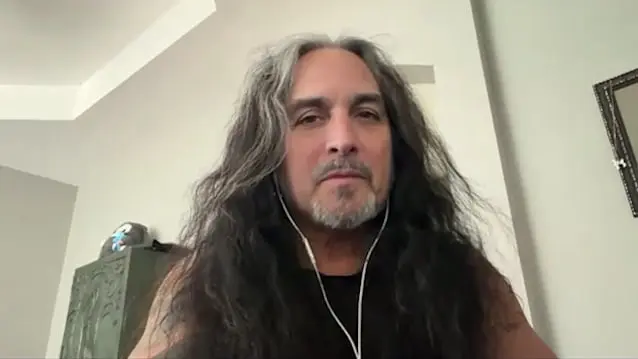
In a recent candid interview with Poland’s KVLT Magazine, Mark Osegueda, the iconic frontman of thrash metal titans DEATH ANGEL, offered a comprehensive update on the band’s progress in crafting their next full-length album, the follow-up to their critically acclaimed 2019 release, "Humanicide." The conversation delved into the intricate songwriting sessions, the potential inclusion of recent singles, and a projected timeline for the album’s release, painting a vivid picture of the band’s renewed creative drive.
Osegueda confirmed that DEATH ANGEL is actively engaged in the creation of new material, a process that has included the release of several impactful singles in recent years. These standalone tracks, "Wrath (Bring Fire)" and "Cult Of The Used," both released in 2025, and "The Never Was," unveiled in 2026, offer a tantalizing glimpse into the band’s evolving sound and lyrical themes. However, the inclusion of these singles on the forthcoming album remains fluid. "We wanna amass a bunch of songs and then pick out the best songs," Osegueda explained. "So we don’t know and we can’t guarantee how many of the singles will be on the record. One or two very well may be, but at the same time, it could just be a whole slew of new songs." This approach reflects a meticulous dedication to curating a cohesive and potent collection of material, reminiscent of their early career strategies.
The band is currently deep in the demoing phase, a crucial step in refining new compositions before entering the studio for full tracking. "We’re still writing, for sure," Osegueda emphasized. "We definitely have some full songs that are demoed, yeah, for sure. And we’re currently writing some more to do some more demo tapes. And the studio’s all set up for, to start doing the basic tracks for them, and we’re gonna demo as many as we can." The intention is to capture the raw energy and foundational ideas of each song, allowing for thorough evaluation and selection. The band harbors a strong ambition to commence recording in the studio by the upcoming summer, a goal that underscores their focused momentum.
The question of a release date for the new album, while met with a degree of cautious optimism, also highlights the complexities of modern music production and distribution. Osegueda projected a potential release window in the first quarter of 2028, a timeframe that accounts for the extensive marketing, manufacturing, and logistical demands of a major album launch. "I know how long it takes for marketing and whatnot, and especially pressing vinyl these days takes a lot longer," he stated. This realistic assessment acknowledges the significant lead times required for physical media production, a perennial challenge for artists in the contemporary music landscape. The band aims to be actively recording by the summer of 2027, setting a clear path toward their release aspirations.
A significant aspect of DEATH ANGEL’s creative philosophy, as highlighted by Osegueda, is their commitment to assembling a body of work that represents their absolute best. He drew a parallel to their highly regarded 1990 album, "Act III," stating, "We wanna kind of approach it like we did ‘Act III’ — write a mass of songs, and then cherry-pick the best songs and narrow it down to one record." This deliberate and discerning process has been a hallmark of their career, ensuring that each album release is a testament to their artistic integrity and unwavering pursuit of excellence.
The Lingering Shadow of Global Events and Creative Adaptation
The extended period between "Humanicide" and the upcoming album has naturally led to questions about its causes. Osegueda unequivocally identified the COVID-19 pandemic as the primary catalyst for this extended creative interval. The global upheaval brought about unprecedented challenges, impacting not only individual well-being but also the very fabric of artistic creation and collaboration. "COVID played a huge role… I’d actually say the main reason was COVID," he admitted. The initial stages of the pandemic were marked by uncertainty and personal adversity, with drummer Will Carroll experiencing a severe illness. "And then once he healed up, it was a process of healing for everyone worldwide, wondering what the hell is going on."
This period of global introspection and enforced isolation led to varied responses within the music community. While many contemporaries channeled their experiences into prolific songwriting, DEATH ANGEL’s approach was more nuanced. The band adapted by exploring alternative creative avenues. Osegueda and guitarist Rob Cavestany collaborated on an acoustic EP, "Under Pressure," released under the DEATH ANGEL moniker. To maintain their connection with their fanbase and hone their craft, they also embraced virtual platforms, hosting streaming shows and online performances. "We put a lot of concentration in that and relearning old songs. And that’s what we kind of put our focus on to." This strategic pivot allowed them to remain engaged and productive while navigating the unprecedented circumstances. As the world began to reopen, the band gradually re-engaged with live performances, a process that naturally influenced their focus and the pacing of their new album’s development.
Addressing Speculation and Maintaining Artistic Focus
Osegueda also directly addressed speculation regarding the potential impact of his involvement with the solo band of SLAYER guitarist Kerry King on DEATH ANGEL’s album production timeline. He firmly dismissed the notion that this collaboration significantly impeded their progress. "As far as the Kerry King thing, how it affected it, I wouldn’t say that plays a major part in it," he asserted. Osegueda clarified that his role in songwriting primarily involves lyrics and melodies, which can be developed irrespective of his geographical location or other musical commitments. "The only way it could have would be if, say, I wrote the music, but I don’t write the music. I write lyrics and melodies, so as long as the music’s there, no matter where I am, I can write it." He reiterated that the primary factor influencing the extended timeline was the collective experience of the pandemic and the subsequent reintegration into a post-pandemic world.
The band’s enduring commitment to their live performance identity was also underscored. "We’re back on solid ground and we started touring again a great deal, and now it’s time to really focus on this new record while still getting some live shows out there, just so we feel like we still are on top of our live game, ’cause we’ve always been a live band. It’s something we pride ourselves on." This dedication to maintaining their electrifying stage presence is a crucial element of their identity and a constant source of inspiration for their studio work.
The Legacy and Evolution of DEATH ANGEL
DEATH ANGEL, a foundational pillar of the Bay Area thrash metal scene, boasts a storied history dating back to their formation in 1982. Emerging as teenage prodigies, they quickly established themselves with a potent blend of speed, technicality, and raw energy. Their debut album, "The Ultra-Violence" (1987), recorded when drummer Will Carroll was a mere 14 years old, showcased their precocious talent and complex song structures. Subsequent releases like "Frolic Through the Park" (1988) and their major-label debut "Act III" (1990) further solidified their reputation, earning them accolades and a dedicated following. The latter album, in particular, demonstrated a growing melodic sensibility while retaining their thrash metal ferocity, evidenced by MTV airplay for singles like "Seemingly Endless Time."
After a hiatus, the band triumphantly reunited in 2001, embarking on a remarkable second chapter characterized by a string of critically lauded albums. Releases such as "The Art Of Dying" (2004), "Killing Season" (2008), "Relentless Retribution" (2010), "The Dream Calls For Blood" (2013), "The Evil Divide" (2016), and "Humanicide" (2019) showcased their continued artistic growth, blending classic thrash aggression with refined songwriting and contemporary production. "Humanicide" achieved a significant milestone, earning DEATH ANGEL a Grammy nomination for "Best Metal Performance," a testament to their enduring relevance and impact.
The recent singles, "Wrath (Bring Fire)" and "Cult Of The Used," released in 2025, serve as potent harbingers of their ongoing creative evolution. "Wrath (Bring Fire)" delivered a high-octane assault rooted in their classic Bay Area sound, while "Cult Of The Used" emerged as a socially charged anthem, characterized by precise riffing and commanding vocals. These releases reaffirmed the band’s creative momentum and their unwavering commitment to delivering intense and thought-provoking music.
In commemoration of the 35th anniversary of "Act III," DEATH ANGEL embarked on a special anniversary tour, performing the seminal album in its entirety alongside beloved classics. This immersive experience resonated deeply with longtime fans, highlighting the album’s enduring legacy and the band’s continued connection with their audience. The tour is slated to continue through 2026 and 2027, with additional dates anticipated.
The current lineup, comprising Mark Osegueda (vocals), Rob Cavestany (guitar), Ted Aguilar (guitar), Damien Sisson (bass), and Will Carroll (drums), has remained remarkably stable for nearly two decades. This enduring synergy forms one of the most formidable and cohesive units in the band’s history. Their collective experience translates into their powerful live performances, as they continue to tour extensively across the globe, gracing major festivals and headlining venues, solidifying their reputation as one of thrash metal’s most electrifying and enduring live acts. The anticipation for their next studio album, fueled by these recent updates, continues to build among their dedicated global fanbase.
