

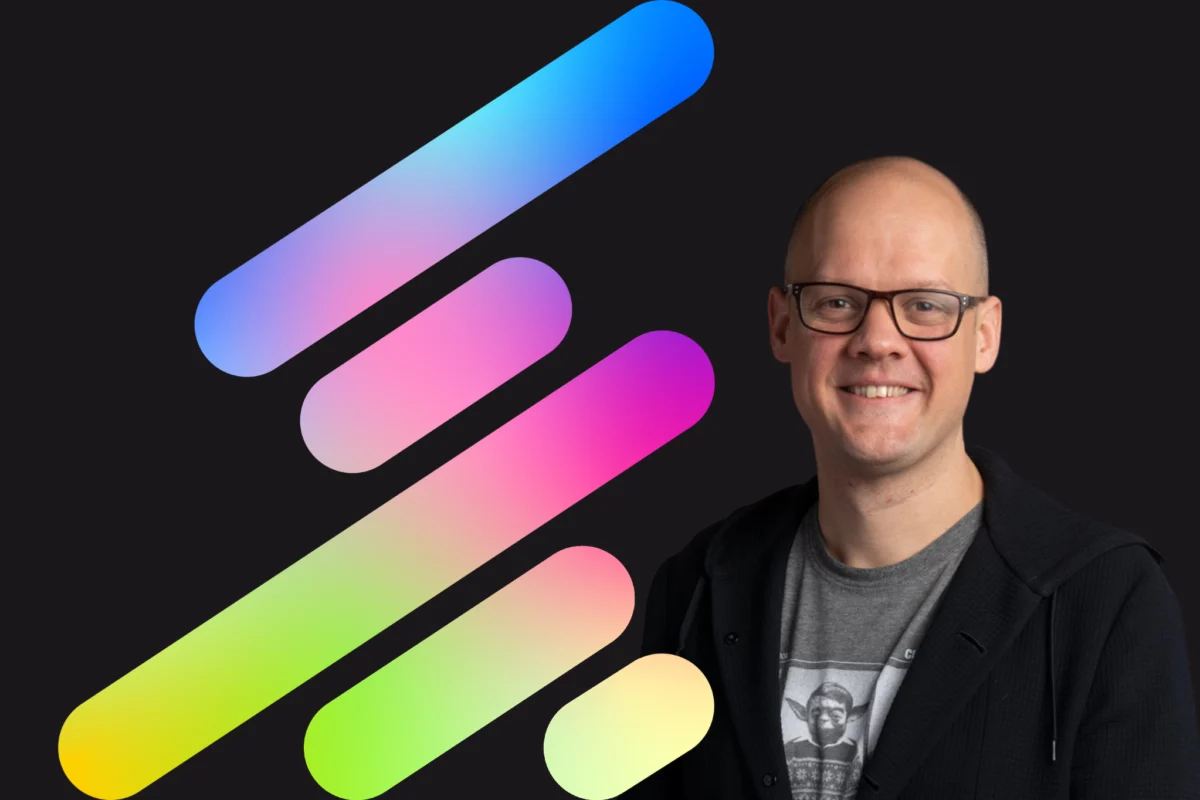
The professional audio industry is currently navigating a pivotal transition toward unified digital networking, where the complexities of hardware integration are increasingly managed through sophisticated software layers. As the demands for high-fidelity, low-latency audio distribution in large-scale environments grow, the need for intuitive management tools has become paramount. At the upcoming leat con 26, a premier trade fair for live entertainment and technology, Meyer Sound is set to address these challenges by presenting the latest advancements in its Nebra 2 software platform. This session, led by industry veteran Merlijn van Veen, will focus on how Nebra 2 serves as a centralized ecosystem for AVB-Milan network workflows, offering a streamlined approach to connection management, system monitoring, and hardware discovery.
Scheduled for October 6, 2026, at the Tech Stage, the presentation arrives at a time when the "Milan" protocol—a user-driven network technology built on the IEEE Audio Video Bridging (AVB) open standards—is seeing record adoption across the global touring and installation markets. Meyer Sound’s Nebra 2 represents a significant leap forward in making these complex protocols accessible to system engineers and front-of-house technicians who require rapid deployment and absolute reliability in high-pressure environments.
The Technological Shift: From Analog Complexity to Digital Streamlining
To understand the significance of Nebra 2, one must first look at the trajectory of audio networking over the past decade. For years, the industry relied on proprietary or semi-proprietary digital protocols that often struggled with interoperability between different manufacturers. The emergence of the Milan Workgroup, under the umbrella of the Avnu Alliance, sought to solve this by creating a standards-based deterministic network protocol. Milan ensures that all certified devices work together seamlessly, guaranteeing that audio packets arrive on time, every time, without the risk of dropouts or synchronization issues.
However, while the underlying protocol is robust, the management of these networks has historically required deep IT knowledge. Meyer Sound recognized this barrier and developed the Nebra platform to act as the "connective tissue" of the modern audio rig. Nebra 2 expands on the original version’s foundation by integrating disparate tasks—such as device discovery, routing, and real-time health monitoring—into a single, cohesive user interface. By abstracting the complex networking layers into a visual and logical workflow, Meyer Sound aims to reduce the "setup fatigue" often experienced by touring crews.
Core Features of Nebra 2: Connection Management and Beyond
The focal point of the leat con 26 session will be the Connection Management capabilities of Nebra 2. In traditional setups, connecting a series of processors, amplifiers, and loudspeakers required navigating multiple software applications or manual patching. Nebra 2 simplifies this by providing a unified environment where any Milan-certified device—regardless of the manufacturer—can be identified and patched within the software.
Key functional highlights of the platform include:
- Unified Device Discovery: Nebra 2 automatically scans the network to identify all available Milan-compliant endpoints. This eliminates the need for manual IP configuration or the use of third-party network scanning tools.
- Dynamic Routing: The software allows for complex signal routing with a drag-and-drop interface. This is particularly critical for large-scale festivals where signal paths may change between different acts.
- Integrated System Monitoring: Beyond just making connections, Nebra 2 provides real-time telemetry for Meyer Sound systems. This includes temperature monitoring, voltage levels, and driver status, allowing engineers to preemptively address hardware issues before they impact a performance.
- Scalability: Whether managing a small corporate theater or a stadium-sized line array system, the software architecture is designed to handle hundreds of nodes without a decrease in responsiveness.
Merlijn van Veen: Bridging the Gap Between Engineering and Application
The presentation at leat con 26 will be delivered by Merlijn van Veen, Meyer Sound’s Senior Technical Support Specialist. Van Veen is widely regarded as one of the industry’s leading educators in sound system design and optimization. His involvement signals the importance Meyer Sound places on the educational aspect of software deployment.
Van Veen’s session is expected to go beyond a mere product demonstration. It will likely delve into the "why" behind the software’s design philosophy, illustrating how Nebra 2 addresses the practical, "on-the-ground" problems faced by system techs. His expertise in acoustic modeling and system alignment provides a unique perspective on how network management software directly influences the final sonic outcome for the audience.
Contextualizing leat con 26 in the Global Pro-Audio Calendar
The leat con (Live Entertainment and Technology Convention) has rapidly established itself as a critical hub for the European pro-audio and event technology sectors. As the 2026 edition approaches, the event serves as a barometer for the health of the live events industry. Following years of post-pandemic recovery and the subsequent surge in "mega-tours," the industry is now focused on sustainability and efficiency.
Software solutions like Nebra 2 contribute to these goals by reducing the hardware footprint required for system management and decreasing the time spent on-site for configuration. By optimizing the workflow, production companies can achieve higher quality results with fewer personnel hours, a crucial factor in an era of rising labor costs and tightening tour schedules.
Data and Industry Trends: The Rise of Milan-AVB
The adoption of Milan-AVB technology has seen a steady upward trend. According to industry reports from 2024 and 2025, the number of Milan-certified products in the market has grown by over 40% year-on-year. This growth is driven by the demand for "future-proof" infrastructure in permanent installations, such as stadiums, performing arts centers, and corporate headquarters.
Meyer Sound, as a founding member of the Avnu Alliance, has been at the forefront of this movement. The release and subsequent update of Nebra reflect a broader industry move toward "Software Defined Pro-Audio." In this paradigm, the value of a hardware purchase is increasingly tied to the software ecosystem that supports it. For venue owners, investing in a Meyer Sound system managed by Nebra 2 represents a commitment to a platform that can be updated and refined via software long after the physical loudspeakers have been installed.
Strategic Implications for System Integrators and Rental Houses
For system integrators, the arrival of Nebra 2 simplifies the handover process to clients. A centralized management platform means that venue staff can be trained on a single interface rather than multiple disparate systems. This reduces the likelihood of user error and lowers long-term maintenance costs.

For rental houses, Nebra 2 offers a competitive advantage in terms of "turnaround time." The ability to quickly reconfigure a complex network for different clients means that equipment can spend less time in the warehouse and more time on the road. Furthermore, the robust monitoring capabilities of Nebra 2 provide rental companies with a digital log of how their equipment was used (and potentially abused) in the field, facilitating better asset management.
Chronology of Meyer Sound Software Innovation
The journey to Nebra 2 is the result of decades of software development at Meyer Sound. The timeline of this evolution highlights the company’s commitment to integrated solutions:
- 1990s: Introduction of SIM (Source Independent Measurement), which revolutionized live sound alignment.
- 2000s: The release of the Compass control software, which provided a graphical interface for the Galileo and Callisto processors.
- 2010s: Launch of MAPP XT and later MAPP 3D, providing high-resolution acoustic prediction.
- 2023: The initial launch of Nebra, marking Meyer Sound’s first dedicated platform for Milan network management.
- 2026: The presentation of Nebra 2 at leat con, representing a mature, fully integrated ecosystem that bridges prediction, control, and monitoring.
Broader Impact on the Live Sound Experience
While software management might seem like a "behind-the-scenes" technicality, its impact on the audience experience is profound. A more efficiently managed system is a more reliable system. By giving engineers better tools to monitor and adjust audio networks in real-time, Nebra 2 helps ensure that technical glitches—such as audio dropouts or synchronization errors—are virtually eliminated.
Furthermore, the ease of routing provided by Nebra 2 encourages more creative uses of spatial audio and immersive soundscapes. As immersive audio becomes the standard for high-end productions, the ability to manage hundreds of independent audio objects over a Milan network becomes a necessity rather than a luxury.
Official Outlook and Future Directions
While Meyer Sound has not released a formal "press statement" regarding the specific secrets of the leat con presentation, the company’s recent activities suggest a focus on open-platform collaboration. By ensuring Nebra 2 plays well with other Milan-certified brands, Meyer Sound is positioning itself not just as a loudspeaker manufacturer, but as a leader in the broader infrastructure of professional audio.
Industry analysts expect that by the end of 2026, the distinction between "audio engineer" and "network administrator" will continue to blur. Tools like Nebra 2 are designed to facilitate this transition, providing a bridge for traditional audio professionals to master the digital landscape without needing a degree in computer science.
As the industry gathers at the Tech Stage in October, the focus will be clear: the future of sound is not just in the air, but in the network. Meyer Sound’s Nebra 2 stands as a testament to the power of integrated software to transform complex technical challenges into streamlined, creative opportunities for the world’s leading sound designers.
