

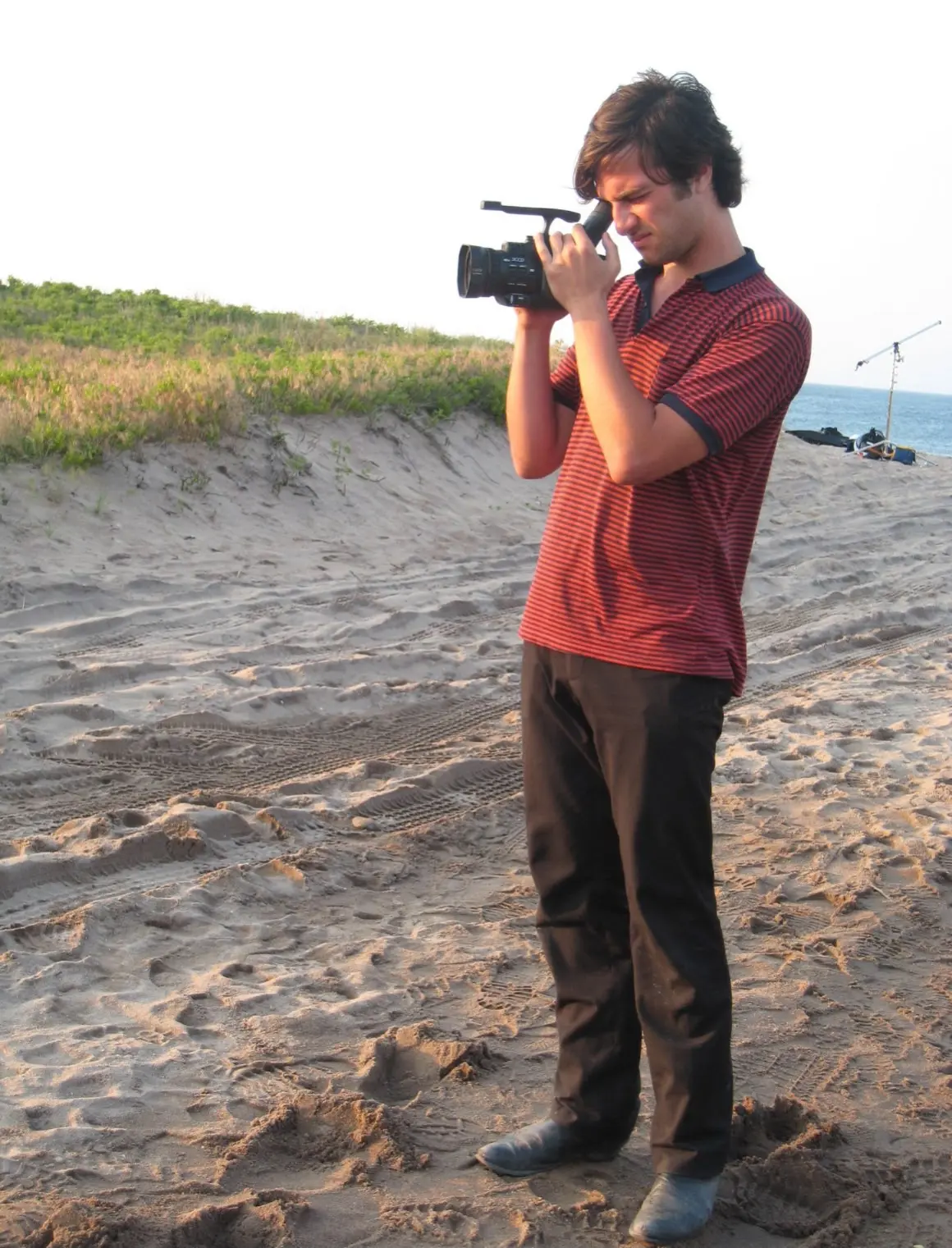
The creative world mourns the untimely passing of Ray Tintori, the acclaimed director and collaborative force behind some of the most distinctive music videos of the 21st century, who died this month at the age of 43. Tintori, known for his imaginative and often surreal visual narratives, was a pivotal figure in shaping the early aesthetic of indie rock darlings MGMT, among many other artists. His death has sent ripples through the entertainment industry, prompting a profound and heartfelt tribute from MGMT, who credited him with being indispensable to their early success and foundational artistic identity.
MGMT’s Poignant Homage to a "Dear Friend and Longtime Collaborator"
On their official Instagram account, psychedelic pop duo MGMT – comprising Andrew VanWyngarden and Ben Goldwasser – shared an emotional eulogy, underscoring the depth of their connection with Tintori. Their message, a testament to his unique genius and collaborative spirit, resonated deeply with fans and industry peers alike.
"We are so sad to lose our dear friend and longtime collaborator Ray Tintori. MGMT wouldn’t be where we are now without him, truly," the band’s statement began, immediately establishing the profound impact Tintori had on their career trajectory. This isn’t merely a professional acknowledgement but a deeply personal one, reflecting a bond forged in the crucible of creative experimentation during their formative years.
The tribute continued, highlighting Tintori’s instrumental role in crafting the visual identities for three of their most iconic and genre-defining hits from their debut album, Oracular Spectacular: "Ray directed and helped us scrap together the first three videos from Oracular Spectacular: Time To Pretend, Electric Feel & Kids, and most recently Dancing In Babylon (Loss of Life)." These videos were not just accompaniments to the music; they were extensions of MGMT’s whimsical, often subversive, and profoundly unique artistic vision, establishing a visual language that became synonymous with the band’s breakout success.
The band vividly recalled Tintori’s open-minded and enthusiastic approach to their wildest ideas: "‘What if we made monsters like in ‘The Thing’ and then had them terrorize a poor little toddler and oh yeah what if Joanna Newsom was his mother! And we could have a Nietzsche quote but attribute it to Mark Twain!’ etc etc forever and ever and Ray’s response was inevitably an enthusiastic ‘I love it!’" This anecdote encapsulates Tintori’s creative ethos – an unbridled enthusiasm for the absurd, a willingness to push boundaries, and an uncanny ability to translate avant-garde concepts into compelling visual narratives. It speaks to a rare collaborative chemistry, where outlandish ideas were met not with skepticism but with fervent encouragement, leading to some of the most memorable music videos of their era.
MGMT lauded Tintori’s inherent creative qualities: "Ray was always down to riff and brainstorm in the realm of the absurd, and was endlessly overflowing with a sharp-edged creative vision. Gently subversive, and usually with a sly smirk. He was full of love and brightness and he possessed a creative quality and vision that reverberated far beyond MGMT." This description paints a picture of an artist who was not only technically skilled but also deeply empathetic and genuinely passionate about his craft, capable of injecting warmth and wit into even the most unconventional projects. His "gently subversive" nature hints at an artist who challenged conventions with intelligence and charm, leaving an indelible mark on those he worked with and the art he created.
The tribute concluded with a powerful assertion of his lasting legacy: "He treated everyone he brought along as a true collaborator and illuminated a path for others to pursue their own inventions. His artistic impact and influence will no doubt be felt for generations. We will miss you, Ray. You are in our hearts forever, Andrew and Ben." This sentiment underscores a core aspect of Tintori’s character – his ability to empower others and foster a truly collaborative environment, a quality that is invaluable in the often hierarchical world of film and music production. His influence, MGMT believes, extends far beyond his direct contributions, inspiring a new generation of visual storytellers.
A Chronology of Creative Endeavors: From Wesleyan to Widespread Acclaim
Ray Tintori’s journey into the world of film and visual arts was, perhaps, serendipitous given his lineage and educational background. He was the son of distinguished film editor John Tintori, known for his work on numerous critically acclaimed films, and the late script supervisor Mary Cybulski, whose meticulous eye ensured cinematic continuity. Growing up immersed in the craft of filmmaking undoubtedly provided Tintori with an intrinsic understanding of narrative structure and visual storytelling from a young age.
His academic path led him to Wesleyan University, a liberal arts institution renowned for its strong film program and a vibrant creative environment. It was at Wesleyan that Tintori’s path serendipitously intersected with that of Andrew VanWyngarden and Ben Goldwasser, the future members of MGMT. This shared collegiate experience laid the groundwork for a creative partnership that would soon redefine the visual landscape of indie music.
The Oracular Spectacular Era: Defining a Visual Identity (2007-2008)
MGMT’s debut album, Oracular Spectacular, released in 2007 in the UK and 2008 in the US, was a critical and commercial phenomenon. Its blend of psychedelic pop, synth-driven melodies, and introspective yet whimsical lyrics captivated audiences worldwide. However, the album’s success was inextricably linked to its visual presentation, largely crafted by Tintori.
- "Time To Pretend" (2008): This video, a darkly humorous commentary on the trappings of fame and the band’s own anxieties about success, perfectly captured the song’s satirical tone. Tintori’s direction plunged viewers into a surreal world of lavish excess, animal masks, and unsettling undertones, laying bare the grotesque side of rockstar fantasy. The video’s distinct visual style helped cement MGMT’s image as artists who were both profoundly artistic and subtly subversive.
- "Electric Feel" (2008): Known for its vibrant, almost hallucinatory aesthetic, the video for "Electric Feel" transported viewers to a fantastical jungle teeming with anthropomorphic creatures and mystical elements. Tintori’s direction here leaned into the psychedelic, creating a lush, dreamlike landscape that complemented the song’s euphoric sound. It was a masterclass in world-building, transforming a relatively simple premise into a visually rich and immersive experience.
- "Kids" (2008): Perhaps the most iconic of the three, the "Kids" video is a disturbing yet captivating exploration of childhood innocence confronted by monstrous figures. The narrative, as hinted at by MGMT’s tribute, involved unsettling creatures terrorizing a toddler, with Joanna Newsom appearing as the child’s mother. This video became a cultural touchstone, showcasing Tintori’s fearless approach to challenging traditional music video tropes and his ability to evoke complex emotions through startling imagery. Its blend of horror and poignant vulnerability resonated deeply, making it one of the most talked-about videos of its time.
These three videos were instrumental not only in propelling Oracular Spectacular to widespread recognition but also in establishing a new benchmark for music video creativity in the indie sphere. They were not just promotional tools but artistic statements in their own right, demonstrating Tintori’s exceptional talent for translating abstract musical concepts into compelling visual narratives.
A Broadening Canvas: Diverse Collaborations and Cinematic Ventures
Tintori’s unique vision and collaborative spirit quickly made him a sought-after director across the music industry. While he continued his creative partnership with MGMT, most recently directing the video for "Dancing In Babylon" (featuring Christine and the Queens) from their 2024 album Loss of Life, his portfolio expanded significantly to include a diverse array of artists from various genres.
His directorial credits boast an impressive list of acclaimed musicians, each project reflecting his ability to adapt his distinctive style to suit the artist’s aesthetic:
- Arcade Fire: For this celebrated indie rock collective, Tintori brought his signature blend of the fantastical and the subtly unsettling, contributing to their reputation for visually striking and conceptually rich projects.
- Solange: Working with Solange, an artist known for her meticulously curated visual identity and experimental approach, Tintori demonstrated his versatility, crafting visuals that complemented her avant-garde R&B sound.
- Chairlift: For the indie pop duo, Tintori likely tapped into his ability to create whimsical and charming narratives, perfectly aligning with their often playful and ethereal music.
- Bonnie "Prince" Billy (Will Oldham): Collaborating with an artist as enigmatic and iconoclastic as Bonnie "Prince" Billy would have allowed Tintori to explore darker, more introspective themes, showcasing his range beyond the overtly psychedelic.
- The Cool Kids: For the hip-hop duo, Tintori would have adapted his style to a more urban and contemporary aesthetic, proving his ability to navigate different cultural landscapes within music.
- The Killers: Directing for a stadium-rock band like The Killers would have presented a different set of challenges and opportunities, likely involving larger-scale productions while still retaining his unique artistic sensibility.
Beyond music videos, Tintori’s creative ambition extended to the realm of cinema. He directed three short films, which served as further platforms for his distinctive narrative voice and experimental techniques. More significantly, Tintori was a co-founder of Court 13, a New Orleans-based independent film collective. This collective gained international recognition for its groundbreaking work, most notably the full-length feature film Beasts Of The Southern Wild (2012).
While Benh Zeitlin directed Beasts Of The Southern Wild, Tintori’s role as a co-founder of Court 13 signifies his deep involvement in fostering the collective’s unique, raw, and visually poetic approach to storytelling. Beasts of the Southern Wild garnered immense critical acclaim, including four Academy Award nominations (Best Picture, Best Director, Best Actress, and Best Adapted Screenplay), and won the Grand Jury Prize at the Sundance Film Festival. Its blend of magical realism, gritty reality, and stunning cinematography bore the hallmarks of the collaborative, imaginative spirit that Tintori embodied and championed within Court 13. His foundational input undoubtedly contributed to the collective’s ethos of independent, boundary-pushing filmmaking.
Personal Connections and Enduring Intellectual Pursuits
In his personal life, Ray Tintori was dating former Saturday Night Live performer Heidi Gardner at the time of his death. Their relationship brought together two creative forces from different corners of the entertainment industry, reflecting Tintori’s broad appeal and engaging personality.
Tintori also cultivated a deep passion for cinema beyond his professional endeavors, evidenced by his co-hosting of To The White Sea, a podcast dedicated to exploring the Coen brothers’ unproduced screenplay of the same name. Alongside Jordan Fish, Tintori delved into the intricacies of screenwriting, cinematic vision, and the art of storytelling, showcasing his intellectual curiosity and analytical prowess. The podcast, a testament to his enduring love for film, will continue in his honor, as announced by Fish this week, ensuring that Tintori’s voice and insights will continue to be shared with listeners.
Broader Impact and Lasting Legacy
Ray Tintori’s passing represents a significant loss to the creative community. His contributions extended beyond individual projects; he played a crucial role in shaping the aesthetic of an entire era of independent music and filmmaking.
His influence on the music video landscape, particularly during the late 2000s and early 2010s, cannot be overstated. At a time when MTV’s cultural dominance was waning, Tintori’s work, along with that of other visionary directors, helped redefine the music video as an essential artistic medium, rather than just a promotional tool. He proved that low budgets could translate into high artistic impact, relying on inventive concepts, unconventional narratives, and a keen eye for visual poetry. His "gently subversive" style injected much-needed originality and wit into the genre, inspiring countless aspiring directors and artists to think beyond conventional formats.
MGMT’s tribute eloquently highlights Tintori’s role as a "true collaborator." In an industry often marked by hierarchical structures, his approach fostered an environment where ideas flowed freely, and every participant felt valued. This collaborative ethos is crucial for genuine artistic innovation, allowing disparate creative elements to coalesce into something greater than the sum of its parts. His ability to encourage and empower others, to "illuminate a path for others to pursue their own inventions," is a testament to his generosity of spirit and his profound belief in the collective power of creativity.
The impact of Ray Tintori’s work, from the whimsical yet profound narratives of MGMT’s early videos to his foundational role in the acclaimed Court 13 collective, will undoubtedly resonate for generations. He leaves behind a legacy of imaginative storytelling, fearless artistic exploration, and a spirit of collaboration that enriched every project he touched. His passing at such a young age leaves a void, but the vivid, unforgettable worlds he created will continue to inspire and entertain, ensuring that his artistic vision endures.
