

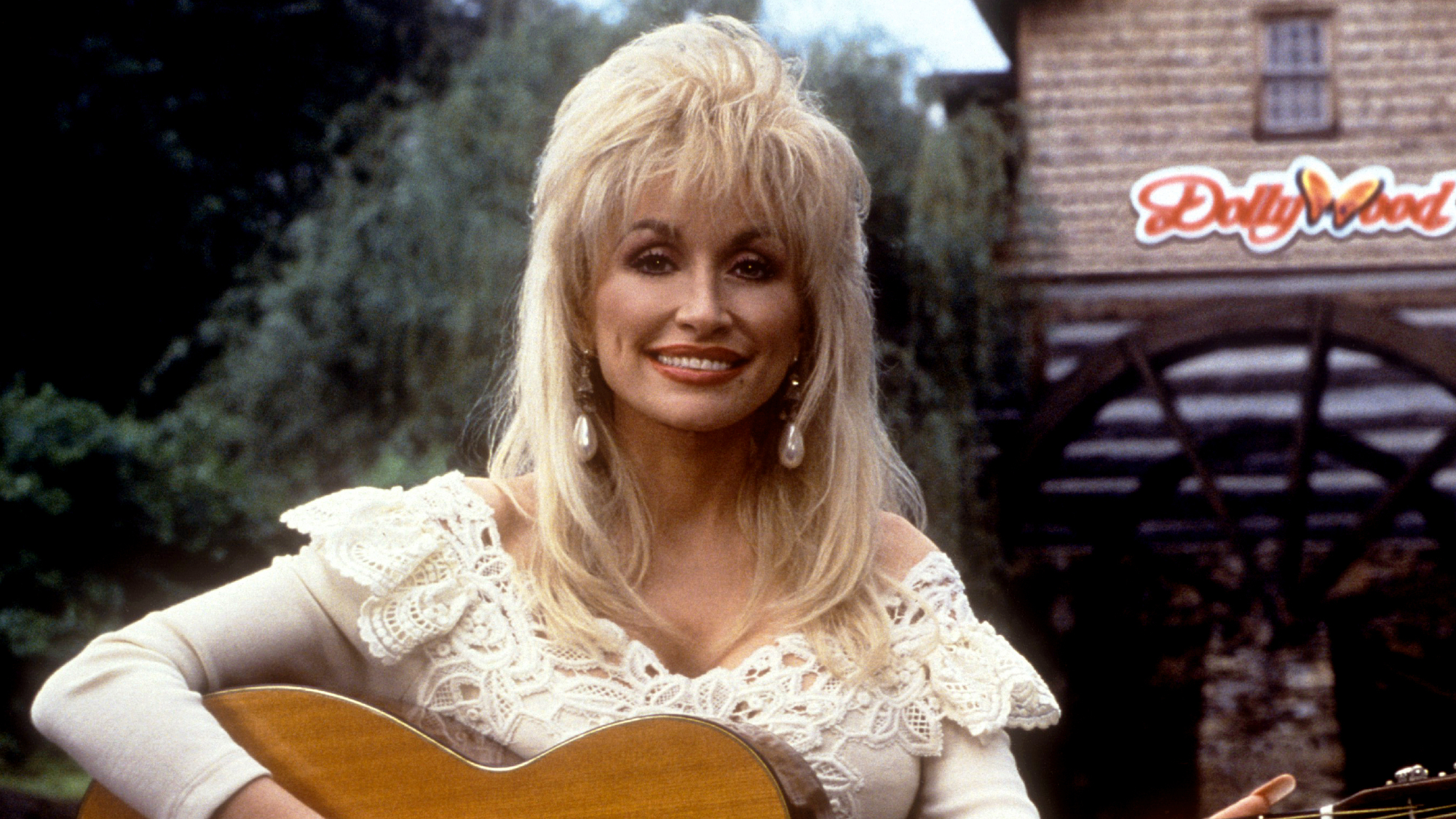
The music world is in mourning following the announcement of the passing of Dolly Parton, an icon whose influence spanned seven decades and redefined the boundaries of country music and global entertainment. As news of her death reached the industry, the Grand Ole Opry, a cornerstone of Parton’s long and storied career, became the focal point for a poignant and immediate celebration of her life. Among the artists scheduled to perform on the hallowed stage was Morgan Myles, whose last-minute set change and tearful rendition of a Parton classic served as a powerful testament to the "lighthouse" that Parton represented for generations of female artists.
Parton’s death marks the end of an era for Nashville and the broader cultural landscape. Known as much for her sharp business acumen and philanthropic spirit as for her crystalline soprano and masterful songwriting, Parton’s journey from a one-room cabin in the Great Smoky Mountains to international superstardom is often cited as the definitive American success story. At the Grand Ole Opry on Tuesday night, the atmosphere was one of somber reflection as the institution prepared to honor a member who had been part of its family for over 50 years.
The "God Wink" at the Grand Ole Opry
Morgan Myles, who gained national recognition as a finalist on Season 22 of NBC’s The Voice, found herself in a unique position as the news of Parton’s passing broke. Myles was not originally scheduled to perform during this specific week; she had been brought in as a fill-in only days prior. This timing was described by Myles as a "God wink"—a moment of divine or fated coincidence that allowed her to be present at the Opry during one of its most historic and sorrowful nights.
Upon learning of the news at approximately 2:00 p.m., Myles immediately contacted the Opry management. While she had a different setlist prepared, she requested an urgent change to perform Parton’s 1974 masterpiece, "I Will Always Love You." Myles reported that she felt an overwhelming responsibility to honor the woman who had paved the way for women in country music. "I’ve been crying all day because we lost our lighthouse," Myles told the audience, struggling to maintain her composure. Her performance was characterized by raw emotion, reflecting the collective grief of a crowd that stood in the same room where Parton had stood countless times since her debut as a teenager in 1959.
A Legacy Rooted in the Tennessee Hills
To understand the weight of Parton’s loss, one must look at the trajectory of her life. Born in 1946 in Sevierville, Tennessee, Dolly Rebecca Parton was the fourth of 12 children. Her upbringing was defined by what she termed "dirt poverty," living in a cabin that lacked electricity and running water. However, it was this environment that nurtured her storytelling ability. Songs like "Coat of Many Colors" were not merely hits; they were ethnographic accounts of Appalachian life, bringing the struggles and dignities of the rural poor to the forefront of the American consciousness.
Parton’s arrival in Nashville the day after her high school graduation in 1964 is a legendary piece of music history. Within a few years, she became a household name through her partnership with Porter Wagoner on his syndicated television show. While her early success was tied to Wagoner, Parton’s ambition and talent soon demanded a solo path. This transition inspired "I Will Always Love You," a song written not as a romantic breakup anthem, but as a professional farewell to Wagoner, showcasing her early ability to blend personal sentiment with universal appeal.
Chronology of a Country Music Icon
Parton’s relationship with the Grand Ole Opry serves as a timeline for her professional growth and the evolution of the genre itself:
- 1959: At just 13 years old, Parton made her debut on the Grand Ole Opry stage. She was introduced by Johnny Cash, who recognized her potential even then. This early appearance was a precursor to her lifelong commitment to the institution.
- 1967: Parton released "Hello, I’m Dolly," her debut studio album, which reached number 11 on the Billboard Country albums chart.
- 1969: Parton was officially inducted as a member of the Grand Ole Opry. This induction solidified her status as a core figure in the country music establishment.
- 1973-1974: This period saw the release of "Jolene" and "I Will Always Love You," two songs that would eventually be inducted into the Grammy Hall of Fame.
- 1980: Parton successfully crossed over into mainstream pop and film with 9 to 5, a move that expanded her influence far beyond the borders of Nashville.
- 2019: The Grand Ole Opry celebrated Parton’s 50th anniversary as a member with a dedicated television special, "Dolly Parton: 50 Years at the Opry."
Data and Impact: By the Numbers
The scale of Parton’s career is reflected in the staggering statistics of her success. She remains one of the most honored female country performers of all time.
- Songwriting Catalog: Parton composed over 3,000 songs throughout her career.
- Chart Performance: She achieved 25 number-one hits on the Billboard country music charts, a record for a female artist at the time.
- Awards: Her trophy room included 11 Grammy Awards (out of 50 nominations), 10 Country Music Association Awards, and 7 Academy of Country Music Awards.
- Philanthropy: Through her "Imagination Library," Parton gifted over 150 million books to children worldwide, aiming to improve literacy rates in underserved communities.
- Economic Influence: Her theme park, Dollywood, remains the most-visited ticketed attraction in Tennessee, providing thousands of jobs and fueling the economy of her home region.
Industry Reactions and Official Tributes
The Grand Ole Opry’s response to Parton’s passing was immediate and multi-faceted. In a statement, the organization described her as "the heart of country music." As a tribute to her enduring presence, the Opry announced that its iconic marquee would remain lit in her honor throughout the week. Furthermore, a special memorial show was scheduled for Saturday night, designed to bring together a variety of artists to share stories and perform Parton’s catalog.
The Saturday special is expected to be a global event, broadcast via WSM-AM, wsmonline.com, and SiriusXM Channel 58. Industry analysts suggest that the viewership for this tribute could reach record levels, as fans from around the world seek a communal space to mourn.
Other figures in the music industry have also voiced their heartbreak. Miley Cyrus, Parton’s goddaughter, had previously expressed a profound fear of losing her mentor, a sentiment that has now resonated with fans across social media platforms. Performers from various genres—ranging from rock to pop—have cited Parton as a primary influence, not just for her music, but for her ability to remain authentic and kind in an often-cynical industry.
Analysis of Parton’s Cultural Significance
Parton’s impact extended into the realms of feminism and social progress. While she often avoided overt political labels, her work spoke volumes. "9 to 5" became an anthem for office workers’ rights and gender equality in the workplace. Her ability to command her own business empire—owning her publishing rights and her own theme park—provided a blueprint for female artists to maintain creative and financial control.
Furthermore, Parton acted as a cultural bridge. In an increasingly polarized society, she remained one of the few figures who enjoyed near-universal popularity across political and demographic divides. Her genuine kindness, often noted by colleagues like Morgan Myles, was not a persona but a core tenet of her public and private life. Myles’ description of Parton as a "lighthouse" is particularly apt; she provided a sense of direction and hope for those navigating the complexities of the music business and life in general.
The Future of the Opry Without Its Treasure
As Nashville moves forward, the void left by Parton is immense. The Grand Ole Opry will continue its Saturday night traditions, but the absence of its most famous member will be felt in every "God wink" moment and every performance of "I Will Always Love You." The institution’s commitment to keeping her marquee lit is a symbolic gesture of the light she brought to the stage for over half a century.
For artists like Morgan Myles, the responsibility now shifts to carrying that light forward. The emotional performance delivered on Tuesday night served as the first of many tributes that will likely define the coming months. As the world prepares for the final broadcast memorial on Saturday, the focus remains on the music, the laughter, and the "genuine kindness" that Parton championed until the very end. Her legacy is not merely in the records sold or the awards won, but in the path she cleared for every dreamer who, like her, started with nothing but a song and a dream in a one-room cabin.
