

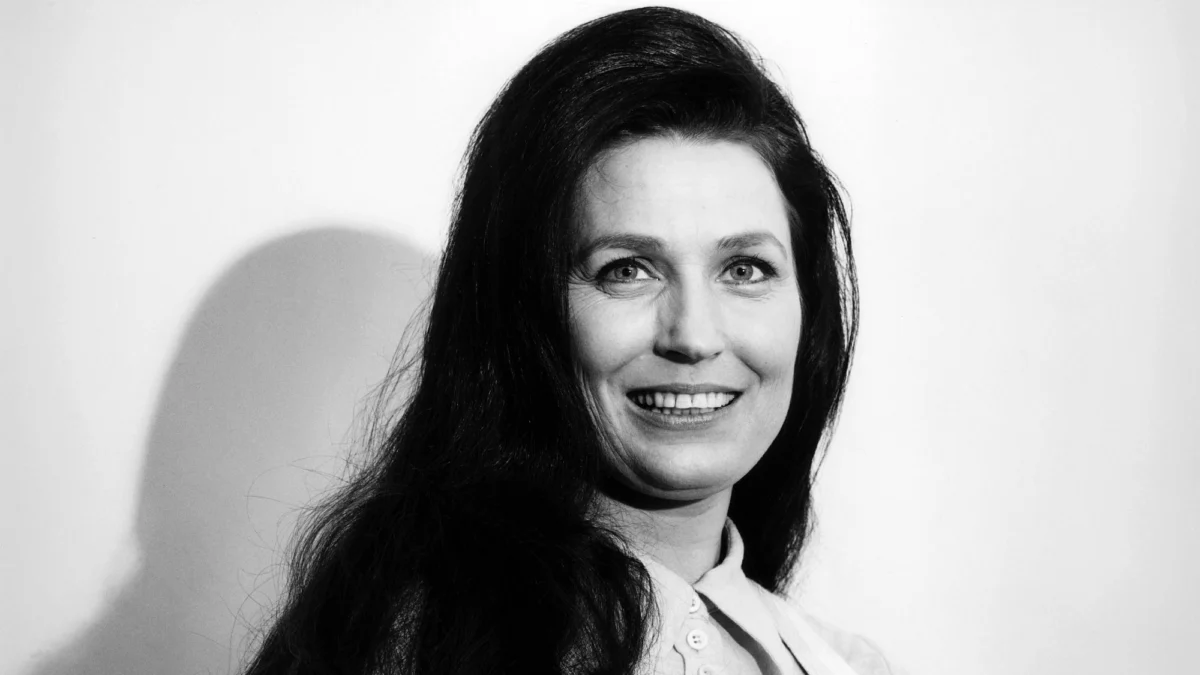
The 1970s represented a transformative decade for country music, marked by a departure from the polished "Nashville Sound" of the previous era toward a more raw, authentic, and diverse set of subgenres. During this period, the industry saw the rise of the Outlaw movement, the integration of progressive social themes, and the refinement of the working-class narrative. This era was defined not only by its musical innovation but also by the artists who challenged the status quo of the Nashville establishment. Three figures—David Allan Coe, Loretta Lynn, and Merle Haggard—emerged as pillars of this decade, each representing a unique facet of the country sound: the rebellious outlaw, the socially conscious truth-teller, and the authentic poet of the common man.
The Cultural Landscape of 1970s Country Music
To understand the significance of the 1970s in country music, one must look at the socio-political climate of the United States at the time. The nation was grappling with the aftermath of the Vietnam War, the Watergate scandal, and the burgeoning feminist and civil rights movements. These societal shifts permeated the walls of Nashville’s recording studios. While the 1960s had been dominated by the "Countrypolitan" sound—characterized by lush string arrangements and background choirs designed to cross over into pop markets—the 1970s saw a "back-to-basics" revolt.
This revolt manifested as the Outlaw Country movement, which sought to return creative control to the artists. Musicians began to demand the right to record with their own bands, choose their own material, and incorporate influences from rock and roll and folk music. This shift created a fertile ground for diversity, ranging from the honky-tonk grit of the Texas bars to the sophisticated songwriting of the "New Nashville" poets.
David Allan Coe and the Rise of the Outlaw Niche
David Allan Coe remains one of the most enigmatic and polarizing figures of the 1970s country scene. Often referred to as the "Rhinestone Cowboy" (not to be confused with Glen Campbell) or the "Mysterious Rhinestone Cowboy," Coe brought a level of edge and unpredictability that defined the Outlaw niche. His background, which included significant time spent in correctional facilities, lent him an immediate sense of authenticity that resonated with a disillusioned public.
Coe’s 1975 album, Once Upon a Rhyme, featured the iconic "You Never Even Called Me By My Name," written by Steve Goodman. The song, often called the "perfect country and western song," satirized the tropes of the genre—trains, trucks, mama, prison, and getting drunk—while simultaneously solidifying Coe’s place in the pantheon of country legends. However, it was his 1976 hit "Longhaired Redneck" that served as a cultural thesis for the decade.
In "Longhaired Redneck," Coe described the friction and eventual fusion between the counterculture "hippies" and the traditional "cowboys." The lyrics—“Where bikers stare at cowboys who are laughing at the hippies / Who are praying they’ll get outta here alive”—captured the tension of a changing South. Coe’s ability to bridge these disparate groups through the shared medium of honky-tonk music was a hallmark of the 1970s. His music was not just about entertainment; it was a pulse-taker for a subculture that felt ignored by mainstream pop and traditional country alike.
Loretta Lynn: Challenging Social Norms through Song
While the men of the Outlaw movement were rebelling against the musical establishment, Loretta Lynn was staging a different kind of revolution. By the 1970s, Lynn was already an established star, but her work during this decade took on a sharper, more confrontational edge regarding gender roles and domestic life. She became the voice of the rural woman, addressing topics that were previously considered taboo in the conservative world of country music.
The most prominent example of this was her 1975 release, "The Pill." The song celebrated the liberation provided by oral contraceptives, allowing a woman to reclaim her body and her life after years of successive pregnancies. The lyrics were blunt: “This old maternity dress I’ve got is goin’ in the garbage / The clothes I’m wearin’ from now on won’t take a giant charge / My broiler house is empty now and I’ve left the nursery / And all I’ve got to show for it is a big fat family tree.”
The reaction to "The Pill" was immediate and divisive. Over 60 radio stations across the United States banned the song, and it was denounced by various religious leaders. Despite the censorship, or perhaps because of it, the song became one of Lynn’s biggest hits, reaching number five on the Billboard Hot Country Singles chart and even crossing over to the Billboard Hot 100. Lynn’s 1970s output, which also included hits like "One’s on the Way" and "Rated X," demonstrated that country music could be a platform for serious social commentary, reflecting the realities of the Women’s Liberation movement within a rural context.
Merle Haggard: The Architect of Authenticity
Merle Haggard entered the 1970s as the definitive voice of the "working man." Having served time in San Quentin State Prison—where he famously saw Johnny Cash perform—Haggard’s "outlaw" credentials were not a marketing ploy but a lived reality. While Coe represented the flamboyant side of the rebellion, Haggard represented its soul and its technical mastery.
In the early 1970s, Haggard continued to refine the "Bakersfield Sound," a genre characterized by the twang of Fender Telecaster guitars and a driving backbeat, which stood in stark contrast to the smoother Nashville productions. His 1973 hit, "If We Make It Through December," remains a poignant exploration of economic hardship and the quiet desperation of a father unable to provide a festive Christmas for his daughter. The song resonated deeply during the 1973–1975 recession, proving Haggard’s ability to capture the national mood.
Haggard’s influence in the 1970s cannot be overstated. He achieved a string of number-one hits that remains one of the most impressive runs in music history. Between 1970 and 1979, Haggard secured over a dozen chart-topping singles, including "Someday We’ll Look Back," "Carolyn," and "It’s All in the Movies." His artistry was recognized by his peers and critics alike; in 1970, he swept the Country Music Association (CMA) Awards, winning Entertainer of the Year and Male Vocalist of the Year.
Statistical Overview and Industry Milestones (1970–1979)
The growth of the country music industry during the 1970s is reflected in the commercial data of the era. The decade saw a significant increase in the number of country-formatted radio stations and the total sales of country records.
- 1972: The release of Will the Circle Be Unbroken by the Nitty Gritty Dirt Band bridged the gap between traditional bluegrass/country legends and the younger folk-rock generation.
- 1974: The Grand Ole Opry moved from the historic Ryman Auditorium to the new, larger Opry House at Opryland USA, symbolizing the commercial expansion of the genre.
- 1975: Dolly Parton won her first CMA Female Vocalist of the Year award, signaling the rise of female solo powerhouses alongside Loretta Lynn and Tammy Wynette.
- 1976: The album Wanted! The Outlaws, featuring Waylon Jennings, Willie Nelson, Jessi Colter, and Tompall Glaser, became the first country album to be certified Platinum (selling one million copies). This milestone proved that the Outlaw sound had massive commercial viability.
| Artist | Notable 1970s Hits | Peak Chart Position (Country) |
|---|---|---|
| David Allan Coe | "You Never Even Called Me By My Name" | #8 |
| Loretta Lynn | "The Pill" | #5 |
| Merle Haggard | "If We Make It Through December" | #1 |
| Loretta Lynn | "Coal Miner’s Daughter" | #1 |
| Merle Haggard | "Always Wanting You" | #1 |
| David Allan Coe | "Longhaired Redneck" | #17 |
Broader Impact and Lasting Implications
The diversity of sound in the 1970s had long-term implications for the evolution of American music. By allowing for a broader range of lyrical themes—from Coe’s counterculture observations to Lynn’s feminist critiques and Haggard’s economic realism—the genre expanded its demographic reach. It was no longer just music for the rural Southeast; it became a national soundtrack for the working class across the United States.
Furthermore, the 1970s established the "artist-as-songwriter" model as the gold standard in country music. The success of these artists emboldened future generations, such as the Neotraditionalists of the 1980s (George Strait, Randy Travis) and the Alt-Country movement of the 1990s, to prioritize authenticity over radio-friendly polish.
The decade also saw the professionalization of the industry. The CMA Awards became a televised staple, bringing country stars into the living rooms of millions of Americans who had previously viewed the genre as a regional novelty. This visibility helped break down stereotypes about country music fans and performers.
Conclusion: A Well of Talent
The 1970s remain a "well of talent" because the era allowed for the coexistence of seemingly contradictory styles. One could find the grit of a Texas barroom, the sophistication of a Nashville studio, and the political fire of a protest rally all within the same genre.
David Allan Coe, Loretta Lynn, and Merle Haggard were more than just hit-makers; they were cultural navigators. Coe gave a voice to the fringe elements of society, Lynn broke barriers for women in conservative spaces, and Haggard provided a dignified, honest reflection of the American struggle. Together, they ensured that the 1970s would be remembered as a decade where country music found its true, unvarnished voice, forever changing the landscape of the American songbook. Their legacy continues to influence modern artists who strive for the same blend of honesty, rebellion, and musical excellence.
