

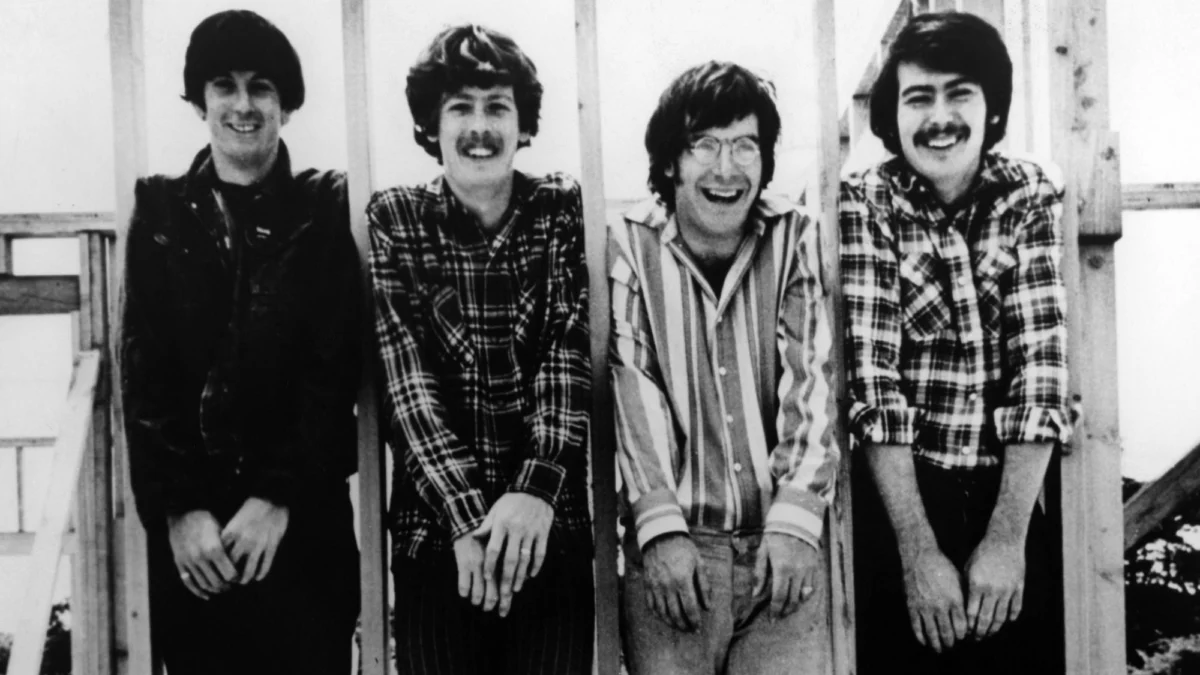
The decade of the 1960s remains one of the most transformative eras in the history of the global recording industry, characterized by a rapid evolution from the structured pop of the late 1950s to the experimental psychedelia and sophisticated production techniques of the late 1960s. During this period, the American music landscape was shaped not only by the "British Invasion" but also by a distinct domestic sound that blended folk, rock, and "bubblegum" pop. Songs such as The Lovin’ Spoonful’s "Do You Believe in Magic," Tommy James and the Shondells’ "Crimson and Clover," and The Archies’ "Sugar, Sugar" serve as critical benchmarks in this timeline. These tracks do more than evoke nostalgia for those who lived through the era; they represent significant shifts in recording technology, marketing strategies, and the socio-cultural function of music as a tool for escapism during a period of intense political and social upheaval.
The Mid-1960s Transition: The Lovin’ Spoonful and the Rise of Folk-Rock
In 1965, the American music scene was navigating the wake of the Beatles’ arrival while attempting to integrate the lyrical depth of folk music with the rhythmic drive of rock and roll. The Lovin’ Spoonful, led by singer-songwriter John Sebastian, emerged from the Greenwich Village folk scene to provide a "good-time" alternative to the increasingly somber protest music of the day. "Do You Believe in Magic," released in August 1965, reached number nine on the Billboard Hot 100 and became an anthem for the restorative power of music itself.
Technically, the song was notable for its use of the autoharp, an instrument rarely featured in mainstream rock, which gave the track its shimmering, ethereal texture. Sebastian’s lyrics addressed the listener directly, questioning the metaphysical nature of melody and rhythm. From a journalistic perspective, the song’s success signaled a shift in consumer demand toward "sunshine pop"—a genre that emphasized melodic clarity and optimistic themes. Data from the Recording Industry Association of America (RIAA) indicates that the mid-60s saw a sharp increase in 45rpm single sales, driven largely by the teenage demographic that viewed these tracks as essential components of their social identity.
The Lovin’ Spoonful’s influence extended beyond the charts. Industry analysts of the time noted that the band helped bridge the gap between the acoustic purity of the folk revival and the electric future of rock. Their ability to maintain a "homemade" feel while utilizing professional studio techniques paved the way for the singer-songwriter movement of the early 1970s.
Technological Innovation and Psychedelia: The Impact of Crimson and Clover
By 1968, the cultural climate had shifted significantly. The optimism of the early 60s had been tempered by the escalation of the Vietnam War and domestic civil unrest. In this environment, music became more experimental, utilizing new studio technologies to reflect the "hazy" and "trippy" atmosphere of the psychedelic era. Tommy James and the Shondells’ "Crimson and Clover" is a quintessential example of this transition.
Released in late 1968, the song was a radical departure from the band’s earlier "frat-rock" hits like "Hanky Panky." Tommy James took a more active role in production, experimenting with the tremolo effect on his vocals to create a vibrating, stuttering sound that became the track’s signature. This was achieved by plugging the microphone into a guitar amplifier with the tremolo turned up, a move that showcased the increasing autonomy of artists in the studio.
The song reached number one on the Billboard Hot 100 in February 1969 and remained on the charts for 16 weeks. Its success was bolstered by its release in multiple formats; the radio edit was a concise three-minute pop song, while the album version featured a five-minute extended psychedelic breakdown. This dual-release strategy demonstrated the industry’s recognition of two distinct markets: the Top 40 radio listener and the emerging "underground" FM radio audience that preferred longer, more complex compositions.
Contemporary critics and musicologists point to "Crimson and Clover" as a bridge between the garage rock of the mid-60s and the more polished, producer-driven rock of the 1970s. The song has since been covered by diverse artists ranging from Joan Jett to Prince, illustrating its enduring structural integrity and cross-generational appeal.
The Zenith of Commercial Pop: The Archies and the "Virtual Band" Phenomenon
As the decade drew to a close in 1969, the music industry witnessed the peak of "bubblegum pop," a genre designed for maximum commercial appeal and manufactured specifically for a younger audience. The most successful iteration of this trend was The Archies, a fictional band based on the characters from Archie Comics. Their hit "Sugar, Sugar" became a global phenomenon, despite the band members existing only as animated figures.
Produced by Don Kirshner and written by Jeff Barry and Andy Kim, "Sugar, Sugar" was the ultimate expression of the "Brill Building" approach to songwriting—meticulously crafted, highly repetitive, and undeniably catchy. The lead vocals were provided by Ron Dante, a prolific session singer who remained anonymous to the general public for years.
According to Billboard’s year-end data, "Sugar, Sugar" was the number-one song of 1969, outperforming legendary tracks by The Beatles, The Rolling Stones, and Elvis Presley. This achievement remains a point of intense study for music historians. It proved that a "virtual" entity could achieve greater commercial success than established live acts, a precursor to modern concepts like digital avatars and social media-driven stardom.
The song’s success was not without controversy. Members of The Monkees, another Kirshner-led project, famously rebelled against the "manufactured" nature of their music, with Michael Nesmith reportedly refusing to record "Sugar, Sugar." This tension highlighted the growing divide in the 1960s between music as an art form and music as a purely commercial commodity. Nevertheless, the track’s performance—selling over six million copies worldwide—cemented its place as a cornerstone of 1960s pop culture.
Chronology of Influence: 1965–1969
The trajectory of these three songs illustrates a broader timeline of the 1960s music industry:
- 1965: The Lovin’ Spoonful releases "Do You Believe in Magic," signifying the height of folk-rock and the "good-time" sound. The industry is still dominated by the 45rpm single and AM radio.
- 1966–1967: The "Summer of Love" and the release of Sgt. Pepper’s Lonely Hearts Club Band shift the focus toward the "album" as an art form.
- 1968: Tommy James and the Shondells release "Crimson and Clover." The use of electronic effects and self-production becomes more common as artists seek creative control.
- 1969: The Archies’ "Sugar, Sugar" dominates the charts. The year also sees the Woodstock festival, representing the peak of the counterculture movement. The juxtaposition of "Sugar, Sugar" and Woodstock illustrates the extreme diversity of the 1960s music market.
Market Data and Demographic Impact
The economic impact of 1960s rock and pop cannot be overstated. During this decade, the record industry grew from a $600 million-a-year business to a $2 billion-a-year powerhouse. The tracks mentioned above contributed significantly to this growth through:
- Sync Licensing: In the decades following their release, these songs have been licensed for hundreds of films, television shows, and commercials. "Do You Believe in Magic," for instance, has appeared in everything from Forest Gump to advertisements for consumer electronics, maintaining its revenue stream and cultural visibility.
- Radio Longevity: According to Nielsen Music data, 1960s "Oldies" and "Classic Hits" stations remain among the most-listened-to formats for the 45-64 age demographic, ensuring that these songs continue to generate performance royalties.
- Digital Streaming: On platforms like Spotify and YouTube, these tracks garner millions of monthly plays. "Sugar, Sugar" currently holds hundreds of millions of views across various official and fan-uploaded videos, proving that the "catchiness" engineered in 1969 translates effectively to the digital algorithms of the 2020s.
Broader Implications and Legacy
The legacy of these 1960s hits lies in their ability to function as "time capsules." For the "Baby Boomer" generation, these songs are intrinsically linked to specific historical and personal milestones—the transition from childhood to adolescence, the social gatherings of the era, and the collective memory of a simpler pre-digital age.
However, from a professional analytical perspective, these songs also represent the birth of modern music production. The techniques used in "Crimson and Clover" (vocal modulation) and "Sugar, Sugar" (multi-track layering and the use of session musicians) are the direct ancestors of today’s Top 40 production methods. Furthermore, the success of The Archies established a blueprint for the "manufactured" pop stars of the late 90s and early 2000s.
In conclusion, the rock and pop songs of the 1960s did more than just provide a soundtrack for a generation; they revolutionized the way music is recorded, marketed, and consumed. Whether through the folk-rock sincerity of The Lovin’ Spoonful, the psychedelic experimentation of Tommy James, or the commercial precision of The Archies, these tracks redefined the possibilities of the medium. As they continue to resonate in the modern day, they serve as a testament to an era where music was the primary vehicle for cultural expression and social connection.
