

The digital landscape for independent musicians and established recording artists has undergone a radical transformation over the last decade, shifting from centralized social media profiles to a fragmented ecosystem of streaming platforms, social video apps, and direct-to-consumer storefronts. In this high-stakes environment, the "link in bio" has evolved from a simple directory of URLs into a sophisticated digital headquarters. Music marketing expert and acclaimed author Jesse Cannon recently conducted an exhaustive evaluation of available tools, ultimately identifying Koji as the premier platform for musicians, producers, and instrumentalists seeking to consolidate their digital presence and maximize fan engagement. As the creator economy continues to expand—with market valuations projected to reach nearly $500 billion by 2027—the choice of a primary digital gateway has become a critical strategic decision for any artist looking to build a sustainable career.
The Strategic Importance of the Digital First Impression
In the contemporary music industry, the first interaction a potential fan has with an artist often occurs within the confined interface of a mobile application like TikTok or Instagram. This brief window of opportunity is where the "first impression" mentioned by Jesse Cannon becomes a quantifiable metric of success. According to Cannon, the visual and functional quality of an artist’s link-in-bio page is frequently the most overlooked component of fan-base construction. If a user clicks a link and is met with a cluttered, slow-loading, or aesthetically unappealing list of text buttons, the bounce rate increases significantly, leading to lost revenue and diminished brand loyalty.

Koji addresses this challenge by providing a suite of free, high-performance tools designed to facilitate storytelling and brand cohesion. Unlike traditional link-in-bio services that offer rigid templates, Koji functions more like a modular, personalized website. This allows artists to integrate high-definition graphics, customized text, and interactive elements that reflect their unique artistic identity. By prioritizing user experience (UX), Koji enables a seamless transition from a social media feed to a dedicated brand environment, which is essential for converting casual scrollers into lifelong listeners and supporters.
The Technical Advantage of the Koji App Store
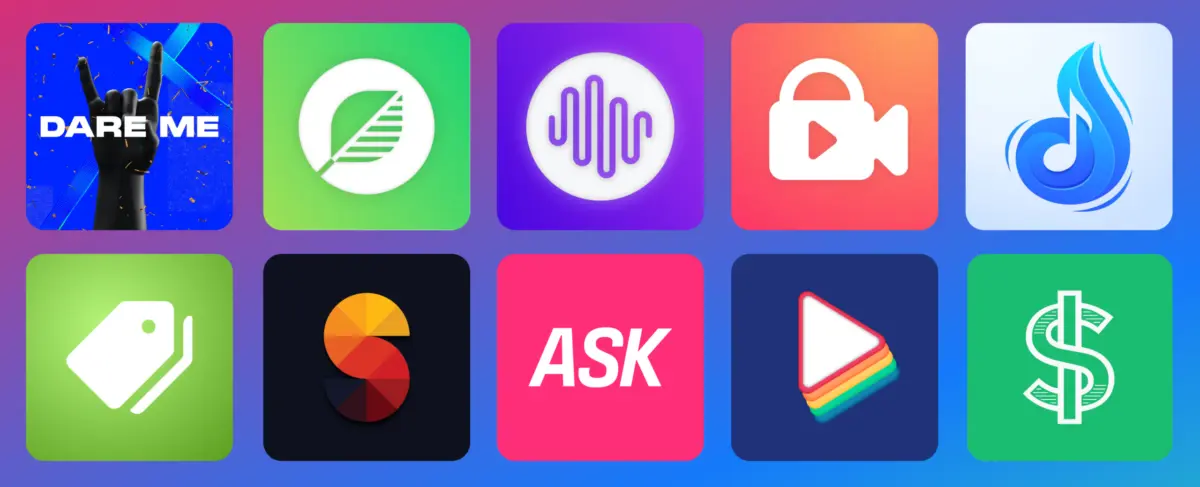
The most significant differentiator for Koji is its integrated App Store, a feature that distinguishes it from competitors like Linktree or Beacons. Cannon highlights that these are not traditional iOS or Android applications that require a trip to a third-party store and a time-consuming download process. Instead, they are "mini-apps" built directly into the Koji platform that load instantly within the social media app’s internal browser. This technical architecture removes the "friction" that typically plagues digital marketing funnels; every additional click or download requirement typically results in a 20% to 50% drop in user conversion.
The Koji App Store offers hundreds of specialized tools tailored for creators. For musicians, this includes apps for collecting fan emails, selling digital merchandise, hosting "Ask Me Anything" (AMA) sessions, and even launching crowdfunding campaigns. Because these apps operate within the link-in-bio environment, fans can complete a transaction—such as purchasing a new single or booking a shout-out—without ever leaving the artist’s profile. This "one-stop-shop" methodology is a cornerstone of modern e-commerce strategy, mirroring the "one-click" convenience popularized by major retailers like Amazon.

Monetization and the Direct-to-Fan Economy
For many years, the music industry’s revenue model was dominated by streaming royalties, which often provide fractions of a cent per play. However, the rise of the direct-to-fan (D2F) economy has shifted the focus toward higher-margin revenue streams. Cannon’s analysis emphasizes that Koji provides artists with limitless opportunities to monetize their art at any stage of their career. Crucially, the platform’s fee structure is often more favorable than traditional storefronts or specialized music platforms that take substantial cuts of an artist’s earnings.
Through the Koji ecosystem, a producer can sell beat packs, an instrumentalist can offer virtual lessons, and a singer-songwriter can sell "locked" content that fans pay to access. This diversification of income is vital in an era where touring can be unpredictable and streaming payouts remain low. By integrating these financial tools directly into the link in bio, artists can capitalize on "impulse" support—moments where a fan is inspired by a piece of content and wants to contribute financially or engage more deeply with the creator immediately.
Chronology of the Link-in-Bio Evolution
To understand Koji’s current market position, one must look at the chronology of the link-in-bio sector. In the early 2010s, Instagram’s restriction of only allowing one clickable link in a user’s profile created a bottleneck for creators. The first generation of solutions, appearing around 2016, were simple "link aggregators" that provided a vertical list of buttons. While functional, these tools lacked personality and did not allow for actual commerce or deep interactivity.

By 2019, the industry saw a shift toward "link-in-bio websites," where platforms began offering more visual customization. However, these still required users to navigate away to external sites for most actions. Koji’s entry into the market represented the third generation of this technology: the "Platform-as-a-Service" (PaaS) model. By launching its App Store, Koji transformed the link in bio from a signpost into a destination. Jesse Cannon’s recent endorsement reflects a broader industry recognition that the "link list" era is over, replaced by the need for interactive, transaction-capable digital hubs.
Data-Driven Strategies for Maximizing Reach
In his detailed analysis, Jesse Cannon provides five foundational strategies for musicians looking to build the "ultimate" Koji profile. These tips are grounded in marketing psychology and data-driven engagement tactics:
- Visual Hierarchy and Branding: Cannon advises artists to use Koji’s customization features to ensure that the most important content—whether it is a new music video or a tour announcement—is visually prioritized.
- Reducing Choice Overload: While Koji offers many apps, Cannon notes that successful profiles are curated. Presenting too many options can lead to "decision paralysis" for the fan.
- Regular Updates as a Content Strategy: Unlike a traditional website that might remain static for months, a Koji profile should be treated as a living document. Regularly updating the apps and links encourages fans to return to the profile frequently.
- Leveraging Interactive Apps: Moving beyond static links to interactive apps (like polls or fan requests) increases the time spent on the page, which is a key metric for building brand affinity.
- Direct Communication Channels: Utilizing apps that capture fan data (such as email or SMS sign-ups) allows artists to own their audience, protecting them from changes in social media algorithms.
Analysis of Implications for the Music Industry
The shift toward platforms like Koji has profound implications for the power dynamics of the music industry. Historically, record labels acted as the primary gatekeepers of fan data and distribution channels. Today, an independent artist with a well-optimized Koji profile can manage their own marketing, sales, and fan relationships with a level of sophistication that was previously reserved for major-label acts.
This democratization of technology means that "success" is no longer solely defined by radio play or chart positions. Instead, success is defined by the depth of the relationship between the artist and their core community. Jesse Cannon’s assertion that Koji serves as a personal website and storefront highlights a move toward "decentralized" fame. When an artist owns the platform where they interact with their fans, they are no longer at the mercy of a single social media platform’s declining reach or shifting business model.
Furthermore, the data insights provided by these platforms allow for more precise touring and merchandising decisions. If an artist sees that a significant portion of their Koji traffic is engaging with a "request a show" app in a specific geographic region, they can plan their tour route with a high degree of confidence in ticket sales. This level of business intelligence, powered by simple link-in-bio tools, is revolutionizing how independent music careers are managed.
Official Responses and Expert Consensus
The consensus among music marketing professionals, including Cannon, is that the integration of utility and aesthetics is the new standard. While other platforms continue to compete on price or basic features, Koji’s focus on an open developer ecosystem—where new apps are constantly being added—provides a future-proof solution for creators.
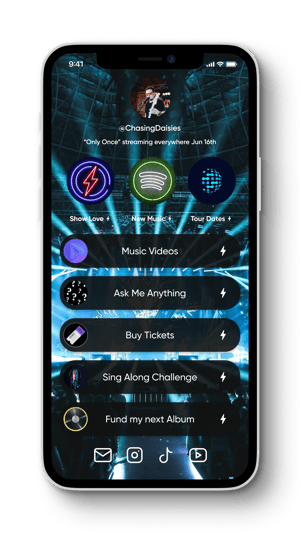
Cannon’s full analysis, featured on his "Musformation" YouTube channel, serves as a comprehensive guide for artists navigating these choices. He concludes that the ability to facilitate a "deeper relationship" with fans is the ultimate metric of a tool’s value. In the competitive attention economy, the platform that makes it easiest for a fan to listen, buy, and connect will inevitably be the one that drives the most career growth.
Conclusion: The Future of Artist-Fan Interactivity
As the digital landscape continues to evolve, the distinction between "social media" and "e-commerce" will continue to blur. Koji is at the forefront of this convergence, offering a glimpse into a future where an artist’s digital presence is as immersive and interactive as their music. For musicians, the transition to a supercharged link in bio is not merely a technical upgrade; it is a strategic repositioning. By following the insights of experts like Jesse Cannon and leveraging the power of modular mini-apps, artists can ensure that their first impression is not just a greeting, but the start of a sustainable, multi-faceted business relationship with their audience. The move from a simple list of links to a robust, app-driven ecosystem represents the next logical step in the professionalization of the creator economy, providing a blueprint for how art will be shared and monetized in the years to come.
