

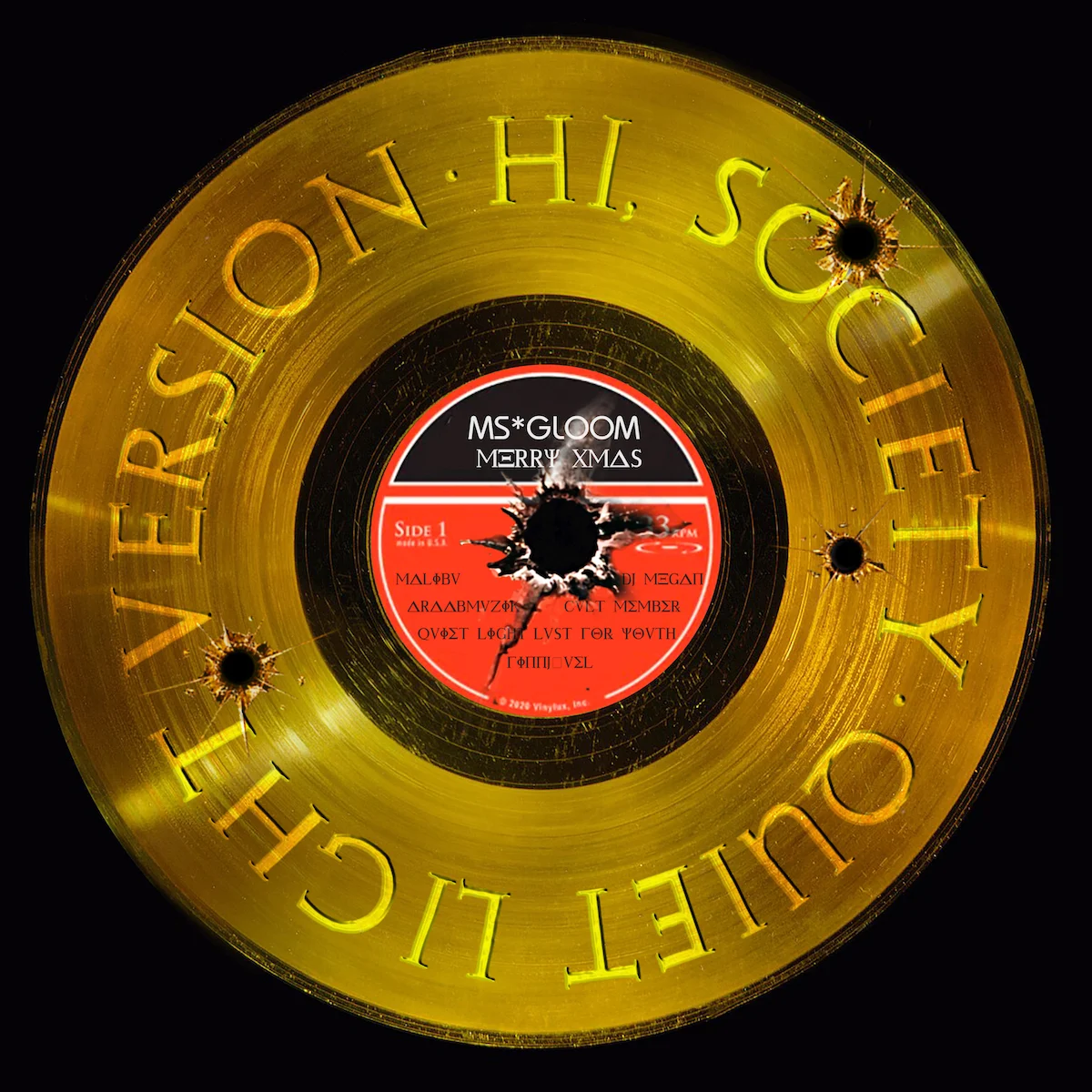
The music landscape of 2026 continues to be shaped by compelling artistic transformations, with Quiet Light, the evocative project helmed by Riya Mahesh, offering a poignant reinterpretation of Ms Gloom’s 2025 alt-pop track, "Hi, Society." This latest release underscores Mahesh’s distinctive ability to imbue existing works with her signature "hushed glow," further solidifying her status following the critical acclaim for her recent release, Blue Angel Sparkling Silver 2*, which has been widely lauded as one of the year’s most significant musical achievements, despite its initial categorization as a mixtape.
Quiet Light’s Ascendancy and the Impact of Blue Angel Sparkling Silver 2
Riya Mahesh, operating under the moniker Quiet Light, has rapidly emerged as a formidable presence in contemporary music, captivating audiences and critics alike with her deeply introspective and sonically sparse aesthetic. Her ascent has been marked by a consistent dedication to crafting immersive soundscapes that prioritize emotional resonance over overt complexity. Before the release of Blue Angel Sparkling Silver 2, Mahesh had cultivated a devoted following through a series of critically admired EPs and singles, each hinting at the expansive potential that would fully manifest in her latest full-length offering. These earlier works often explored themes of introspection, solitude, and the subtle beauty found in minimalist arrangements, laying the groundwork for her more ambitious projects.
Blue Angel Sparkling Silver 2, released earlier this year, has transcended its initial "mixtape" designation to be recognized as a pivotal album of 2026. This distinction is significant in the modern music industry, where the lines between albums, mixtapes, and extended plays have blurred. Mahesh’s decision to label it a mixtape may have been a nod to its potentially fluid creative process or a desire to subvert traditional expectations, yet its cohesive thematic structure, intricate production, and profound lyrical depth have compelled critics to elevate its status. The collection garnered widespread critical acclaim for its ethereal soundscapes, haunting vocal delivery, and the masterful weaving of electronic textures with organic instrumentation. Publications across the globe praised Mahesh’s daring approach to songwriting and production, noting her unique ability to create vast emotional spaces with seemingly few elements. Tracks from Blue Angel Sparkling Silver 2 have consistently featured on "best of" lists, highlighting its pervasive influence and undeniable artistic merit. Its success has not only propelled Quiet Light into broader public consciousness but has also solidified Riya Mahesh’s reputation as a visionary artist unafraid to explore the delicate boundaries of sound and emotion.
*Ms Gloom’s Original Vision: The Genesis of "Hi, Society"**
In stark contrast to Quiet Light’s introspective leanings, Ms Gloom, the Los Angeles-based alt-pop singer, burst onto the scene with a vibrant, often provocative sound. Her original recording of "Hi, Society," released in 2025, quickly became a standout track, emblematic of her unique blend of sharp lyricism and dynamic electronic production. Ms Gloom has carved a niche for herself in the burgeoning alt-pop scene through her unapologetic embrace of synthetic textures, driving beats, and a vocal delivery that is both assertive and alluring. Her music often delves into the complexities of modern youth culture, social commentary, and personal identity, delivered with a glossy, hyper-stylized aesthetic that resonates with a generation fluent in digital expression.
"Hi, Society" perfectly encapsulated Ms Gloom’s artistic ethos. The track was a crystalline, beat-driven electro-pop anthem, drawing comparisons to the early works of Purity Ring for its intricate synth arrangements and ethereal yet propulsive rhythms. Lyrically, "Hi, Society" offers a biting, often ironic commentary on contemporary societal norms, consumerism, and the eclectic cultural references that define a generation. The chorus, "I don’t smoke…marijuana/ Drop the bass, Harry Potter/ Kurt Cobain,…Nirvana/ Bless the shrimp, tap water," became an instant earworm. This sequence of seemingly disparate phrases – from recreational drug use to iconic pop culture figures and mundane observations – cleverly juxtaposes elements of counter-culture with mainstream phenomena, reflecting a generation’s fragmented identity and its often-ironic engagement with the world. The song’s infectious energy and intelligent wordplay resonated deeply with listeners, quickly amassing millions of streams across various platforms and establishing "Hi, Society" as a significant track in Ms Gloom’s burgeoning discography. It cemented her reputation as an artist capable of crafting commercially appealing tracks with an underlying intellectual edge.
A Transformative Reinterpretation: Quiet Light’s "Hi, Society"
The decision by Quiet Light to cover "Hi, Society" was met with considerable anticipation, given the stark stylistic differences between the two artists. Mahesh’s rendition, however, proved to be not merely a cover but a profound act of reinterpretation, stripping the original’s beat-driven exuberance down to its emotional core. Where Ms* Gloom’s version was a pulsating, high-energy declaration, Quiet Light’s is a soft, sparse ballad, almost meditative in its execution.
Mahesh’s transformation begins with a radical shift in instrumentation and tempo. The driving electronic beats and shimmering synths of the original are replaced by delicate piano chords, subtle ambient pads, and perhaps a faint, almost imperceptible drone. The tempo is significantly slowed, allowing each note and syllable to linger, creating a sense of profound introspection. Her vocal delivery, typically characterized by its hushed, almost whispered quality, brings a new layer of vulnerability to Ms* Gloom’s assertive lyrics. The crystalline sheen of the original is traded for a warm, analog intimacy, as if the song is being sung in a dimly lit room rather than a bustling club.
This recontextualization allows new facets of the lyrics to emerge. The chorus, in particular, takes on a different hue. While Ms* Gloom delivered the lines with a playful, almost defiant irony, Quiet Light’s version infuses them with a wistful melancholy. "I don’t smoke…marijuana/ Drop the bass, Harry Potter/ Kurt Cobain,…Nirvana/ Bless the shrimp, tap water" becomes less a statement of generational identity and more a quiet reflection on the absurdities and contradictions of modern life. The comparison to Halsey’s "New Americana," noted by critics, is particularly apt. Both tracks, in their respective forms, articulate a generational sensibility through a collage of cultural touchstones. While Halsey’s anthem presented a confident, almost celebratory vision of a new cultural paradigm, Quiet Light’s rendition of "Hi, Society" offers a more subdued, perhaps even melancholic, contemplation of that same landscape, filtered through a lens of quiet observation rather than overt participation. The absence of the "drop the bass" element in a literal sense, instead implied by the ethereal silence, highlights the shift from a party anthem to a thoughtful rumination.
The Art of the Cover: Bridging Genres and Audiences
The practice of covering songs is a venerable tradition in music history, serving multiple purposes beyond mere homage. It acts as a powerful conduit for artistic dialogue, allowing musicians to engage with and transform existing works, thereby imbuing them with new meaning and context. Quiet Light’s rendition of "Hi, Society" stands as a prime example of this transformative power. By taking an alt-pop track and filtering it through her distinct minimalist, ambient lens, Mahesh not only showcases her versatility but also creates a bridge between different musical genres and their respective audiences.
Such reinterpretations introduce Ms* Gloom’s original work to listeners who might primarily gravitate towards Quiet Light’s atmospheric soundscapes, and vice versa. This cross-pollination enriches the musical ecosystem, fostering discovery and broadening the appreciation for diverse artistic expressions. Historically, cover versions have been instrumental in launching careers, reviving forgotten classics, or offering fresh perspectives on contemporary hits. From Jimi Hendrix’s iconic take on Bob Dylan’s "All Along the Watchtower" to Johnny Cash’s haunting rendition of Nine Inch Nails’ "Hurt," these covers often transcend their originals, carving out their own distinct place in the cultural lexicon. In the digital age, where music discovery is increasingly algorithmic, a well-executed cover can generate significant buzz, propelling both the original and the new version into new algorithmic pathways and listener recommendations. It becomes a conversation between artists across time and genre, demonstrating music’s fluidity and endless capacity for reinterpretation.
Artist Perspectives and Industry Impact
While no official statements have been released regarding the specific motivations behind Quiet Light’s cover, it is plausible to infer a deep artistic respect from Riya Mahesh for Ms* Gloom’s songwriting. Mahesh likely found a resonant core within "Hi, Society" that she felt compelled to explore through her own sonic language. Her decision to tackle a track so distinct from her usual output speaks volumes about her confidence as an artist and her desire to push her creative boundaries.
Ms Gloom, for her part, would undoubtedly view such a high-profile reinterpretation as a significant endorsement. Artists generally welcome covers, especially when they are thoughtfully executed and bring a new dimension to their work. It validates the strength of their original composition and expands its reach. Industry analysts suggest that this collaboration, albeit indirect, could significantly benefit both artists. For Ms Gloom, it offers renewed attention to "Hi, Society" and potentially introduces her to Quiet Light’s more introspective audience, who might appreciate the lyrical depth of her original work once stripped of its pop veneer. For Quiet Light, it further demonstrates her artistic range and prowess, proving that her unique touch can elevate and transform diverse musical material, cementing her reputation as a formidable and versatile talent. This strategic release after the success of Blue Angel Sparkling Silver 2 also serves to maintain momentum and keep her name in the critical conversation.
A Chronology of Creative Dialogue
The sequence of events leading to this notable release highlights a dynamic interplay within the contemporary music scene:
- 2025: Ms* Gloom releases "Hi, Society" as a prominent single, establishing her unique alt-pop sound and garnering significant streaming numbers.
- Early 2026: Quiet Light (Riya Mahesh) releases Blue Angel Sparkling Silver 2, initially promoted as a mixtape but quickly elevated by critics to one of the year’s best albums, defining her signature ethereal and minimalist style.
- Mid-2026: Quiet Light unveils her cover version of Ms* Gloom’s "Hi, Society," showcasing a radical reinterpretation that transforms the original’s electro-pop energy into a soft, sparse ballad, sparking renewed interest in both artists’ work.
This chronology illustrates how contemporary artists engage in a continuous creative dialogue, drawing inspiration from and reinterpreting each other’s work, thereby enriching the musical landscape for listeners.
Looking Forward: The Evolving Soundscape
Quiet Light’s rendition of "Hi, Society" is more than just a cover; it is a testament to the enduring power of music to transcend genre and stylistic boundaries. It underscores the idea that a strong melody and poignant lyrics can be recontextualized indefinitely, each new interpretation revealing deeper layers of meaning. As artists like Riya Mahesh continue to explore and transform existing works, they not only pay homage to their peers but also push the boundaries of their own artistry, demonstrating that creativity is a constant conversation. This release stands as a compelling example of how artistic vision can reshape perception, inviting listeners to experience familiar narratives through a completely new sonic lens, and ensuring that the evolving soundscape of 2026 remains vibrant and unpredictable. The dialogue between artists, whether direct or through reinterpretation, continues to be a driving force in innovation and discovery within the global music community.
