

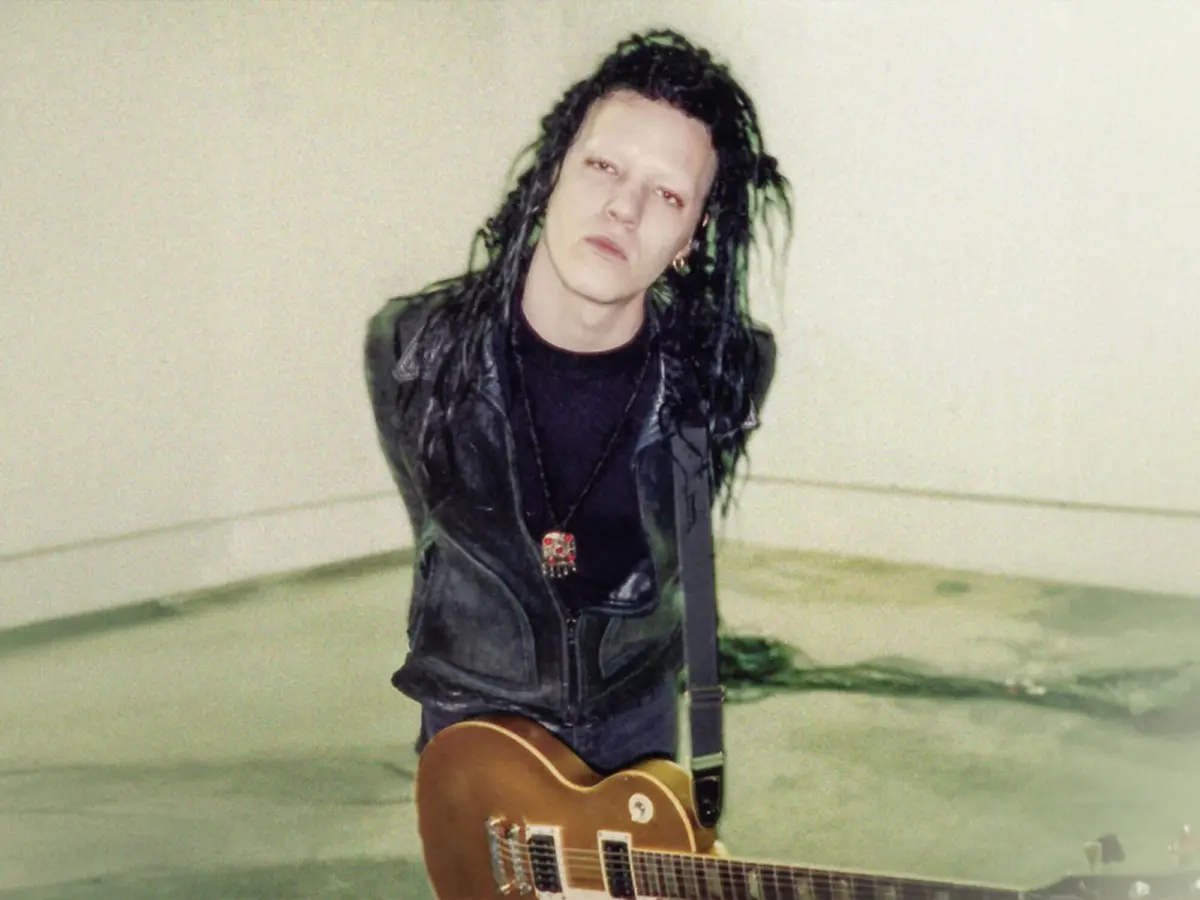
After a distinguished career spanning more than three decades, celebrated guitarist Robin Finck is set to divest a significant portion of his extensive personal gear collection, making over 200 instruments, pedals, and rare items available to the public. The highly anticipated online store on Reverb.com is scheduled to officially launch on Wednesday, November 11, offering fans and collectors a unique opportunity to acquire pieces instrumental to some of modern rock’s most iconic sounds. This unprecedented sale includes gear Finck meticulously selected and utilized during his influential tenures with industrial rock titans Nine Inch Nails and hard rock legends Guns N’ Roses, providing a tangible link to his profound contributions to music history.
A Deep Dive into a Storied Collection
The collection represents a veritable archive of Finck’s sonic journey, encompassing guitars, effects pedals, and various studio and live performance accouterments. Each item carries with it a unique narrative, having traveled the globe and contributed to countless electrifying performances. Finck, known for his innovative playing style and atmospheric contributions, expressed a profound connection to these instruments. "I’ve genuinely used and enjoyed all of these pieces, so much so that I’ve ended up with two or even three of some of them. You know I love all these sweeties, I just don’t need multiples of them anymore," Finck stated, reflecting on the practicalities of maintaining such a vast collection. He added, "I have been so fortunate to have played these on stages all over the world, and now they’re poised to play with someone new." This sentiment underscores a common thread among professional musicians who, after years of accumulating specialized equipment, often find themselves with redundant but historically significant pieces.
The Crown Jewel: "Old Gold" and its Woodstock Legacy
Headlining the meticulously curated collection is Finck’s iconic Gibson Les Paul ’60 Reissue Goldtop, affectionately known as "Old Gold." This particular instrument holds immense historical significance, having been a cornerstone of Finck’s setup during Nine Inch Nails’ groundbreaking performance at Woodstock ’94. The festival, a quarter-century after the original, marked a pivotal moment for alternative music, and NIN’s mud-soaked, raw, and visceral set remains one of its most memorable performances. "Old Gold" was not merely a stage prop; it was Finck’s primary touring guitar with Nine Inch Nails from 1994 to 2014, making it an eyewitness to two decades of the band’s evolution and countless monumental concerts. Beyond live performances, the guitar also featured prominently in NIN’s music video for "March of the Pigs," a track from their seminal 1994 album, The Downward Spiral.
Recounting the early days with Nine Inch Nails, Finck shared a vivid memory associated with "Old Gold": "On the day we shot the video for March of the Pigs, that version of Nine Inch Nails had never played a show in front of an audience. My whole world was about to tilt." He marvelled at the guitar’s resilience, adding, "This is the only guitar that made it out of 1994 intact. I don’t know why or how because it’s also the guitar I played more than any other." This anecdote highlights the arduous life of a touring musician’s instrument, often subjected to intense conditions, and the unique bond formed between artist and gear. The survival of "Old Gold" through such a formative and chaotic period makes it an even more compelling artifact.
Robin Finck’s Enduring Influence: A Chronology of Sound
Robin Finck’s career trajectory is a testament to his versatility and undeniable talent. He first joined Nine Inch Nails in 1994, just as the band was on the cusp of global superstardom with The Downward Spiral. His aggressive yet nuanced guitar work became integral to their live sound, shaping the band’s identity through extensive touring. After his initial stint with NIN, Finck famously joined Guns N’ Roses in 1997, stepping into a challenging role within a band known for its intricate guitar harmonies and powerful riffs. He contributed significantly to the long-awaited Chinese Democracy album, released in 2008, showcasing his ability to adapt to different musical landscapes while maintaining his distinctive style.
Finck’s movements between these two iconic bands illustrate his unique position in rock music. He rejoined Nine Inch Nails for tours supporting With Teeth (2005-2006) and later for the Tension (2013) and Cold and Black and Infinite (2017-2018) tours. Each period saw him employing a specific arsenal of instruments, many of which are now part of this Reverb sale. This chronological context enriches the value of each piece, transforming it from mere equipment into a historical document of specific eras and artistic endeavors.
Further Gems: Guitars That Shaped Eras
Beyond "Old Gold," the Reverb shop features several other instruments central to Finck’s career. Among them is a Fender Custom Shop Nocaster, which Finck enthusiastically describes as "one of the greatest guitars" he’s ever played. This particular Nocaster accompanied him on Nine Inch Nails’ 2013 Tension tour and continued through to the 2018 Cold and Black and Infinite tour, periods during which NIN explored increasingly complex and dynamic sonic territories. The Nocaster, a faithful recreation of Fender’s early Broadcaster/Telecaster models, is prized for its resonant tone and robust construction, characteristics that Finck undoubtedly leveraged in his performances.
Another notable offering is a Gibson ES-335, an instrument revered for its semi-hollow body warmth and versatility. This specific ES-335 saw extensive use with both Nine Inch Nails and Guns N’ Roses, underscoring Finck’s adaptability across genres. The ES-335’s ability to produce both clean, jazzy tones and rich, overdriven sounds made it an ideal choice for Finck’s eclectic playing, which often spanned abrasive industrial textures to more melodic rock passages.

Perhaps the most unique guitar in the collection is a one-of-a-kind Manson Custom MA-RF-01. Built specifically for Finck, this custom instrument was extensively played during his tours with Nine Inch Nails. Manson Guitars, famed for their bespoke creations for artists like Matt Bellamy of Muse, crafted a guitar tailored to Finck’s precise specifications, making it a truly personal extension of his artistry. Finck’s affection for this instrument is palpable, as he mused, "There is a deep history for me with, well, all of these guitars. But if you ask me which is the best guitar? It might be this one." Such a custom piece offers unparalleled insight into an artist’s personal preferences and unique sonic vision.
The Art of Sonic Sculpting: Pedals and Effects
The sale extends beyond guitars to include a selection of Finck’s beloved effects pedals, each contributing to his distinctive soundscapes. Among these are a Boss FZ-2 Hyper Fuzz, notable for its aggressive, searing fuzz tones, which bears Finck’s initials on its side – a subtle yet significant mark of authenticity. The FZ-2 is known for its ability to produce extreme distortion, a characteristic often employed in industrial and alternative rock.
Also available is a Prescription Electronics Experience pedal, distinguished by its one-of-a-kind paint job. This boutique pedal is celebrated for its ability to deliver a wide range of fuzz, octave, and wah effects, offering a versatile palette for sonic experimentation. The unique aesthetic of this particular unit further elevates its collector appeal.
Completing the pedal lineup is a DOD FX25 Envelope Filter, a unit that played a crucial role in shaping the sound of the Guns N’ Roses track "Better" from Chinese Democracy. Envelope filters are dynamic effects that respond to the intensity of a player’s attack, creating expressive, vocal-like sweeps that can add significant texture to a guitar’s sound. The inclusion of a pedal directly linked to a specific song provides a fascinating glimpse into the recording and performance processes of a major band. Finck reiterated his rationale for selling these pedals, mirroring his guitar sentiment: "I have used and loved all these deeply. I just don’t need multiples anymore."
Reverb.com: A Platform for Music History
The choice of Reverb.com as the platform for this sale is strategically significant. Reverb has established itself as the premier online marketplace for buying and selling new, used, and vintage musical instruments. Its intuitive interface, robust community features, and reputation for connecting musicians with quality gear have made it a favored destination for artists looking to sell off parts of their collections. The platform offers a transparent and authenticated process, which is crucial when dealing with high-value, celebrity-owned items.
Reverb has a proven track record of hosting official shops for numerous high-profile musicians, creating a vibrant secondary market for instruments with verifiable provenance. Robin Finck joins an illustrious roster of artists who have leveraged Reverb to share their gear with fans and collectors. This list includes Gilby Clarke (another Guns N’ Roses alumnus), Bullet For My Valentine, Kiko Loureiro, Dave Mustaine of Megadeth, and Russian Circles, among others. These sales not only provide fans with a tangible piece of their heroes’ legacies but also inject unique instruments back into the musical ecosystem, potentially inspiring new generations of players. The platform’s ability to facilitate these transactions underscores its critical role in preserving and distributing musical heritage.
The Allure and Implications of Artist-Owned Gear
The market for artist-owned musical equipment is a niche but highly passionate segment of the collector’s world. These items transcend their functional utility, becoming artifacts imbued with cultural significance. For fans, owning a guitar or pedal used by Robin Finck is more than just acquiring an instrument; it’s owning a piece of the sound that defined their youth, a connection to the raw energy of live performances, and a fragment of music history. The value of such items is often exponentially higher than their non-artist-owned counterparts, driven by emotional attachment, historical context, and the scarcity of such opportunities.
From a broader perspective, these sales offer a fascinating insight into the practical side of a professional musician’s life. The accumulation of gear is a natural byproduct of a long career, and periodic purges are often necessary. However, when these purges involve instruments used on iconic albums and tours, they become cultural events. They allow a peek behind the curtain, revealing the specific tools that contributed to celebrated recordings and live shows. For aspiring musicians, studying the gear choices of legends like Finck can provide valuable lessons in tone sculpting, equipment reliability, and the sheer grit required for a touring career.
The implications for the music industry extend to the preservation of musical heritage. While museums collect some iconic instruments, platforms like Reverb democratize access, allowing private collectors and even working musicians to own and cherish these pieces. This distribution ensures that the stories behind these instruments continue to be told and that their potential to inspire remains vibrant. The Robin Finck Reverb shop is not just a sale; it’s an invitation to own a piece of rock and roll legend, offering a rare opportunity to connect directly with the sonic architecture of two of the most influential bands of the last thirty years.
Robin Finck’s Reverb shop is set to open its digital doors on Wednesday, November 11. Enthusiasts and collectors are encouraged to visit Reverb for more information and to prepare for the opportunity to acquire these remarkable pieces of musical history.
