

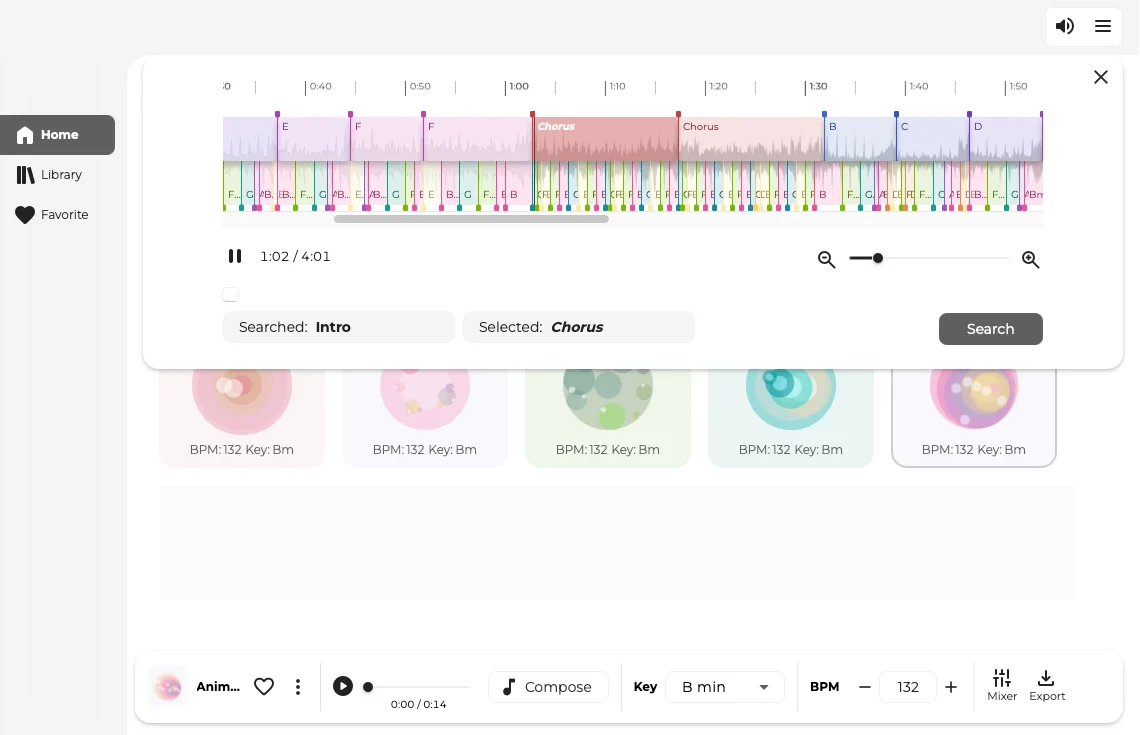
The announcement marks a significant milestone in the intersection of traditional hardware manufacturing and modern artificial intelligence, as two of Japan’s most influential technology entities join forces to redefine the digital audio workstation (DAW) ecosystem. Melody Flip, the fruit of this multi-year collaboration, is designed to function as a sophisticated creative partner for musicians, leveraging advanced machine learning to analyze existing audio and suggest melodic variations that align with a creator’s specific aesthetic intent. By prioritizing a "human-in-the-loop" philosophy, Roland and Sony Computer Science Laboratories (Sony CSL) aim to distance themselves from fully autonomous AI generators, focusing instead on tools that amplify the technical capabilities and creative instincts of the human artist.
The Evolution of AI in Musical Composition
The development of Melody Flip comes at a time when the music industry is navigating a complex transition toward AI integration. Unlike generative platforms that produce entire songs from simple text prompts, Melody Flip is built upon the premise of "musical DNA" extraction. When a user imports an audio file into the application, the underlying AI—developed through Sony CSL’s extensive research into music informatics—performs a comprehensive deconstruction of the track. This includes the identification of structural markers, beats per minute (BPM), precise beat positions, tonal key, and complex chord progressions. Furthermore, the software categorizes the audio by genre and mood, providing a contextual framework for the generation of new material.
The core of the application’s utility lies in its library of approximately 300 "creative palettes." These palettes are not merely static presets but are dynamic stylistic frameworks that guide the AI in generating melodies, basslines, and rhythmic patterns. By pairing the analysis of the user’s imported audio with these palettes, Melody Flip offers a range of melodic suggestions that are harmonically and rhythmically compatible with the original work. This allows producers to overcome creative blocks or explore stylistic avenues that they might not have considered, all while maintaining full control over the final output.
Technical Synergy: Roland and Sony CSL
The partnership between Roland and Sony CSL represents a strategic alignment of hardware expertise and software innovation. Sony CSL has long been a pioneer in AI-assisted music creation, most notably through its "Flow Machines" project, which gained international attention for its ability to assist composers in creating music in the style of specific artists or eras. Melody Flip incorporates the latest iterations of these technologies, refined for the modern production environment.
Roland, a company with a half-century legacy of shaping the sound of modern music through iconic instruments like the TR-808 and the Jupiter-8, provides the platform and the user-centric design necessary to bring these AI tools to a global audience. The company’s philosophy regarding AI is rooted in the belief that technology should serve as a collaborator. According to official statements from the corporation, the objective is to "amplify" human creativity rather than automate it. This stance is reflected in the interface of Melody Flip, which encourages users to "pick, tweak, chop, or rebuild" generated ideas, ensuring that the final artistic decisions remain in the hands of the producer.

Workflow Integration and Professional Features
Melody Flip is engineered to fit seamlessly into professional production environments. It will be released as a plug-in compatible with both macOS and Windows, supporting major DAW standards such as VST, AU, and AAX. This integration is crucial for professional adoption, as it allows creators to utilize AI-generated ideas within their established workflows without the need for external processing or cumbersome file transfers.
One of the standout features of the application is its versatile export functionality. Users are not limited to audio loops; the software allows for the export of generated melodies, chord structures, basslines, and drum parts in both high-fidelity audio and MIDI formats. The inclusion of MIDI export is particularly significant, as it enables producers to route the AI’s melodic suggestions to their favorite hardware synthesizers or virtual instruments, allowing for infinite customization of timbre and expression.
Furthermore, the visual feedback provided by Melody Flip serves an educational and analytical purpose. By visually representing a song’s structure and harmonic progression, the tool helps creators better understand the mechanics of their own compositions. This transparency is intended to improve workflow efficiency, allowing for quicker decision-making during the arrangement and mixing phases of production.
Chronology and Market Context
The road to the May 2026 release of Melody Flip has been marked by several years of research and development. The collaboration between Roland and Sony CSL was initially hinted at during industry trade shows in the early 2020s, as both companies sought to address the growing demand for intelligent creative tools.
- 2022-2023: Early research phases focused on the refinement of the "Flow Machines" algorithms for real-time DAW integration.
- 2024: Prototype testing among a select group of professional producers to ensure the "creative palettes" met industry standards for musicality.
- 2025: Finalization of the user interface and the integration of the tool into the Roland Cloud Manager ecosystem.
- March 2026: Official announcement of Melody Flip and its feature set.
- May 2026: Scheduled worldwide release via Roland Cloud.
The release of Melody Flip occurs within a broader market trend where AI in music is projected to grow significantly. Industry analysts estimate that the market for AI-driven music creation tools will reach several billion dollars by the end of the decade. Roland’s entry into this space, backed by Sony’s research, positions the company as a leader in "ethical AI," focusing on tools that preserve the value of human musicianship in an increasingly automated world.
Industry Implications and Future Outlook
The introduction of Melody Flip is likely to have a profound impact on several sectors of the music industry. For independent creators and bedroom producers, the tool lowers the barrier to entry for complex melodic composition and music theory application. For professional composers working in film, television, and gaming, the efficiency gains provided by AI-assisted analysis and generation could significantly shorten production timelines.

However, the launch also prompts a broader discussion regarding the role of AI in creative expression. While Roland and Sony CSL emphasize the collaborative nature of the tool, the industry remains divided on the long-term implications of algorithmic assistance. Critics argue that such tools may lead to a homogenization of sound, while proponents believe they will usher in a new era of experimentalism by allowing creators to break free from their own habitual patterns.
Roland’s decision to distribute Melody Flip via the Roland Cloud Manager suggests a subscription-based or tiered pricing model, consistent with their current software ecosystem. This strategy ensures that the AI models can be continuously updated with new palettes and improved analysis capabilities based on user feedback and technological advancements.
Conclusion
As the music production landscape continues to evolve, Melody Flip stands as a testament to the potential of cross-industry collaboration. By combining Roland’s deep understanding of the musician’s journey with Sony CSL’s cutting-edge AI research, the two companies have created a tool that respects the traditions of songwriting while embracing the possibilities of the future.
The official pricing for Melody Flip is expected to be announced closer to its May 2026 launch. As the industry watches closely, the success of this application may well determine the trajectory of AI integration in professional music software for years to come. Whether viewed as a sophisticated assistant or a digital muse, Melody Flip represents a bold step toward a new era of human-machine harmony in the creative arts. In the coming months, Roland is expected to provide further demonstrations of the software’s capabilities, showcasing how the "musical DNA" of a simple audio clip can be transformed into a diverse array of professional-grade melodic content.
