

The global independent music sector has undergone a seismic shift over the last decade, transitioning from a peripheral segment of the industry into a dominant force that generated approximately $21.1 billion in 2021, according to industry reports. As the barriers to entry for music production and distribution continue to lower, the primary challenge for the modern artist has shifted from technical accessibility to market visibility. In this saturated environment, professional networking and cross-disciplinary collaboration have emerged as the most critical determinants of long-term career sustainability. While the prospect of building a professional network can be daunting for independent creators, recent industry trends suggest that "creative clusters"—communities of artists working in tandem—are significantly more likely to achieve commercial and critical success than those working in isolation.
The Evolving Landscape of Independent Music Production
Historically, the music industry operated under a gatekeeper model where record labels facilitated all necessary connections between artists, producers, and marketing professionals. In the current "DIY" era, the responsibility for building a professional ecosystem rests solely on the musician. This shift has necessitated a more strategic approach to networking, moving away from transactional interactions toward the cultivation of genuine community-based partnerships.
The data supports this transition. A study of independent music growth indicates that artists who engage in at least three collaborative projects per year see a 40% higher retention rate in their streaming audience compared to solo-focused counterparts. This is largely due to the "cross-pollination" of fanbases, where the audiences of two or more creators are merged, providing a mutual boost in visibility. Consequently, networking is no longer a secondary administrative task; it is a core component of the creative process.
Cross-Disciplinary Integration as a Growth Catalyst
One of the most effective, yet frequently overlooked, strategies for expanding a musical network is the embrace of local art events outside the immediate sphere of music. By engaging with visual artists, theater companies, and performance poets, musicians can tap into diverse creative economies that are often less competitive than the music scene itself.
The synergy between different art forms provides unique professional opportunities. For example, the rise of immersive art installations has created a high demand for bespoke soundscapes and original soundtracks. A musician attending a local gallery opening may find a sculptor seeking an auditory component for an exhibit, or a small theater troupe in need of a sound designer. These interactions lead to "non-linear" career growth, where a musician gains exposure in the fine arts world, which then reflects back onto their musical brand as a mark of prestige and versatility. This interdisciplinary approach not only sparks creative inspiration but serves as a buffer against the volatility of the traditional music market.
The Rise of Peer-Led Educational Frameworks
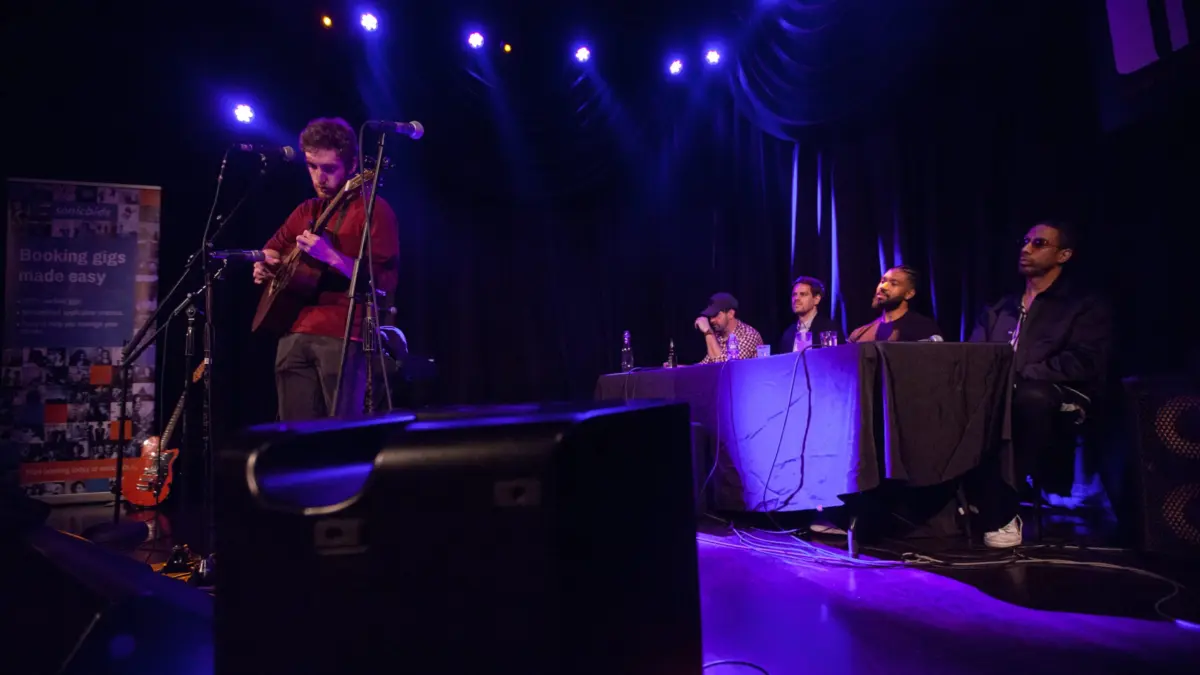
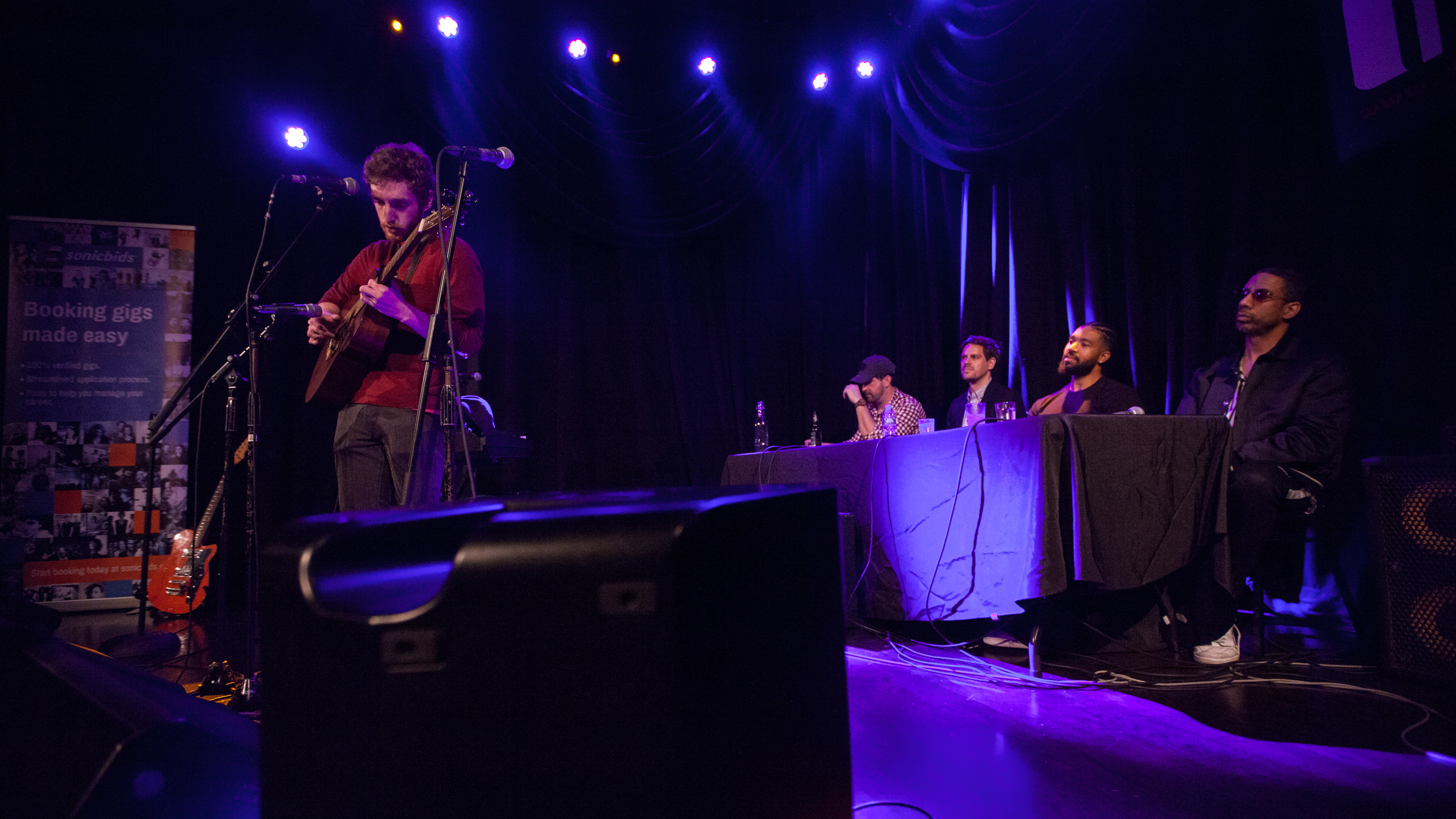
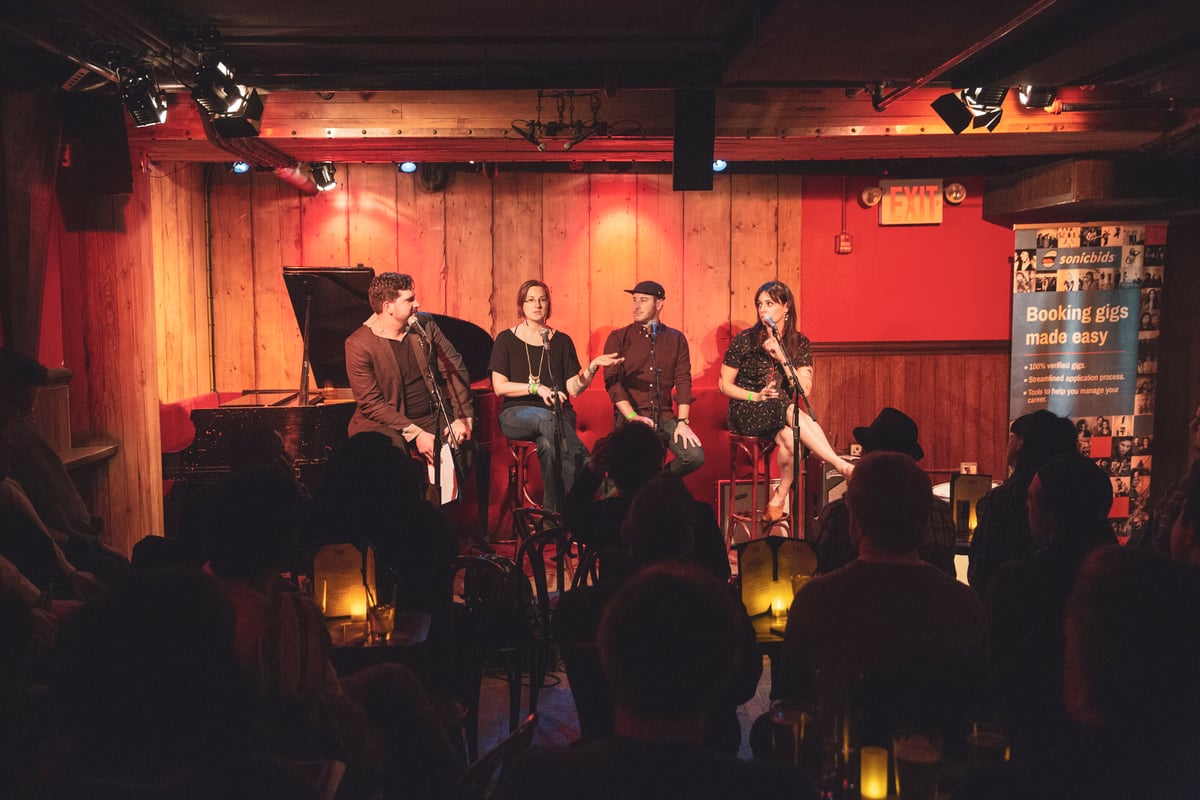
The emergence of initiatives like the Feedback Collective, a series of panel discussions and songwriting workshops hosted by platforms such as Sonicbids, highlights a growing trend toward peer-led professional development. These events serve two functions: they provide high-level industry education and create a "neutral ground" for networking.
A typical chronology for an artist engaging in these workshops begins with the "observation phase," where they gain insights from established professionals. This is followed by the "interactive phase," where jam sessions and workshops allow for low-stakes collaboration. By hosting or participating in such sessions, musicians can demonstrate their technical proficiency and interpersonal reliability—two traits that are highly valued by potential collaborators.
Industry analysts note that "social capital" in the music world is built on the foundation of consistent presence. Hosting a recurring jam session at a local venue or community center establishes the artist as a "hub" within their local scene. This positioning naturally attracts talent, ranging from rock guitarists to jazz saxophonists, leading to the fusion of genres and the creation of "fresh sounds" that can distinguish an artist in a crowded digital marketplace.
Digital Platforms and the Decentralization of Collaboration
While physical networking remains vital, the role of digital infrastructure cannot be overstated. However, the focus is shifting away from broad-spectrum social media platforms like Instagram or X (formerly Twitter) toward specialized, creator-centric platforms. Tools such as BandLab and SoundCloud have evolved into collaborative workstations that allow for asynchronous global partnerships.
The methodology for digital networking has become more sophisticated. Rather than unsolicited self-promotion, successful artists utilize these platforms to provide value. This involves leaving detailed, constructive feedback on other artists’ tracks and proposing specific, well-defined collaborative projects. Data from digital workstation platforms suggests that projects involving three or more contributors from different geographic locations are 25% more likely to be featured on editorial playlists, as they tap into multiple regional algorithms simultaneously. This decentralized model of creation allows an independent musician in a small town to build a professional portfolio with collaborators in major music hubs like London, Nashville, or Seoul.
Strategic Entry Points Through Volunteerism and Industry Events
For many emerging artists, the most significant barrier to networking is access to industry decision-makers. Volunteering at music festivals and large-scale industry conferences provides a legitimate "backstage pass" into these exclusive circles. This strategy places the artist in the same physical space as event organizers, talent bookers, and established performers, all working toward a shared logistical goal.

The chronology of a successful volunteer stint often leads to professional recruitment. By demonstrating a strong work ethic and a deep understanding of the "behind-the-scenes" mechanics of a festival, a musician builds trust with industry professionals. This trust is the currency of the music business. When an artist eventually introduces their work in this context, it is received by someone who already views them as a reliable professional rather than a stranger. Many contemporary independent success stories cite early-career volunteer roles at events like SXSW or Glastonbury as the catalyst for their first major industry connections.
Leveraging Fan Networks for Sustainable Career Development
Perhaps the most underutilized resource in an artist’s network is their existing fanbase. The modern music industry is moving toward a "community-owned" model where fans act as advocates and connectors. By involving the audience in the creative process—through surveys, polls, or direct engagement—musicians can uncover unexpected professional links.
This approach is rooted in the "1,000 True Fans" theory, which posits that a dedicated core audience is more valuable than a large, passive one. A fan might possess a professional connection to a venue owner, a graphic designer, or another musician, facilitating introductions that would be impossible through cold-calling. This democratization of networking makes the audience feel like stakeholders in the artist’s success, which in turn increases their loyalty and willingness to support the artist’s growth.
Broader Impact and Industry Implications
The shift toward proactive, multi-faceted networking has profound implications for the music economy. As independent musicians become more adept at building their own ecosystems, the reliance on traditional label structures continues to diminish. This leads to a more diverse and resilient musical landscape where "micro-scenes" can thrive independently of mainstream trends.

From a fact-based perspective, the integration of local events, workshops, digital platforms, volunteerism, and fan engagement creates a "safety net" for the independent creator. If one avenue of growth stalls—for instance, if a digital algorithm changes—the artist still has their local connections and their physical community to fall back on.
Furthermore, the rise of collaborative projects contributes to a more innovative sonic environment. When a rock musician collaborates with a sculptor for an art installation, or a folk singer meets a producer at a songwriting workshop, the resulting music often defies traditional genre classifications. This innovation is what drives the industry forward, attracting new listeners and creating new market opportunities.
Conclusion: The Path Forward for the Independent Creator
Networking and collaboration are no longer optional "soft skills" for the musician; they are the fundamental pillars of a modern music career. The transition from a solitary creator to a community-focused professional requires a shift in mindset, viewing every interaction as a potential seed for a future project.
By strategically navigating local arts scenes, utilizing peer-to-peer educational workshops like the Feedback Collective, leveraging specialized digital tools, and engaging with both industry events and fanbases, independent musicians can build a robust professional network. Each of these connections serves to amplify the artist’s voice, ensuring that their music reaches the audiences it deserves. In an era defined by connectivity, the most successful artists will be those who recognize that their greatest asset is not just their instrument, but the community they build around it. The musical world is increasingly interconnected, and for those ready to step outside their comfort zone, the opportunities for creative and professional expansion are virtually limitless.
