

The global independent music sector has undergone a radical transformation over the last decade, evolving from a peripheral niche into a primary driver of the music economy. As of 2023, independent artists—those not signed to major labels—represent the fastest-growing segment of the music industry, generating billions in annual revenue and claiming an increasing share of streaming volume. However, this democratization of music production and distribution has led to a saturated market where individual talent often struggles to gain visibility without strategic professional alliances. Networking and collaboration have moved beyond being mere social activities; they are now essential components of a sustainable business model for the modern "solopreneur" musician. While the prospect of building a professional network can be daunting for those focused on the creative process, the integration of community-centric strategies has proven to be a decisive factor in long-term career viability.
The Economic Context of the Independent Music Ecosystem
To understand the necessity of networking, one must examine the current market data. According to industry reports from MIDiA Research, the independent artist sector surpassed $2 billion in global revenue in recent years, a trend fueled by the accessibility of Digital Audio Workstations (DAWs) and direct-to-fan distribution platforms. Despite this financial growth, the sheer volume of content—with over 100,000 tracks uploaded to streaming services daily—creates a "signal-to-noise" challenge. Professional networking serves as a vital filter in this environment, allowing artists to pool resources, share audiences, and reduce the overhead costs associated with marketing and production.
Industry analysts suggest that the "middle class" of musicians—those who earn a living through their art without achieving global superstardom—relies heavily on local and digital micro-communities. These ecosystems provide the infrastructure for "sync" opportunities, touring circuits, and session work that traditional label structures once managed. Consequently, the ability to navigate these networks is as critical to a musician’s success as their technical proficiency with an instrument or software.
Multidisciplinary Symbiosis: Leveraging Local Art Scenes
One of the most effective, yet frequently overlooked, avenues for networking is the engagement with non-musical art forms. The contemporary art world is increasingly moving toward immersive and multimedia experiences, creating a high demand for original soundscapes and sonic branding. By attending local gallery openings, theater rehearsals, and poetry slams, musicians can position themselves as essential collaborators in a broader creative economy.
The logic behind this "cross-pollination" is rooted in the concept of shared audiences. When a musician collaborates with a visual artist for a gallery installation, they gain access to a demographic that may value aesthetic depth but might not frequent traditional music venues. This expands the artist’s reach into high-value sectors, such as the luxury goods market, corporate events, and public art commissions. Furthermore, interdisciplinary collaboration often leads to "sync" opportunities—the licensing of music for film, theater, or digital media—which remains one of the most lucrative revenue streams for independent creators.
The Rise of Peer-to-Peer Educational Workshops and Jam Sessions
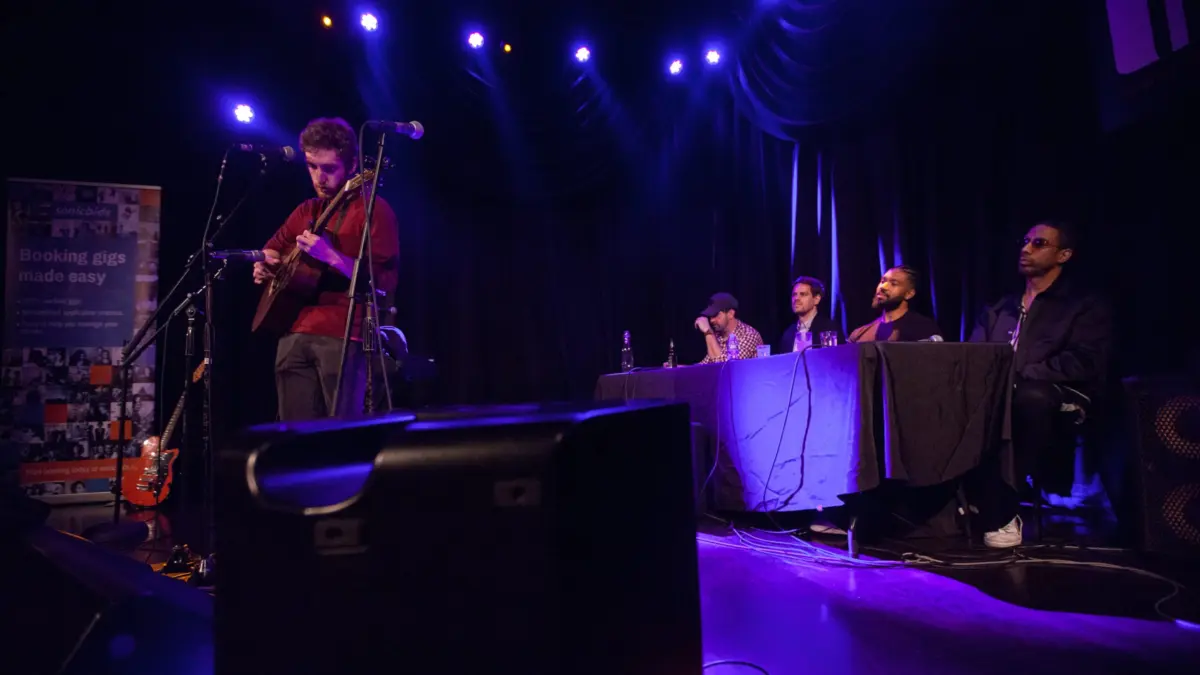
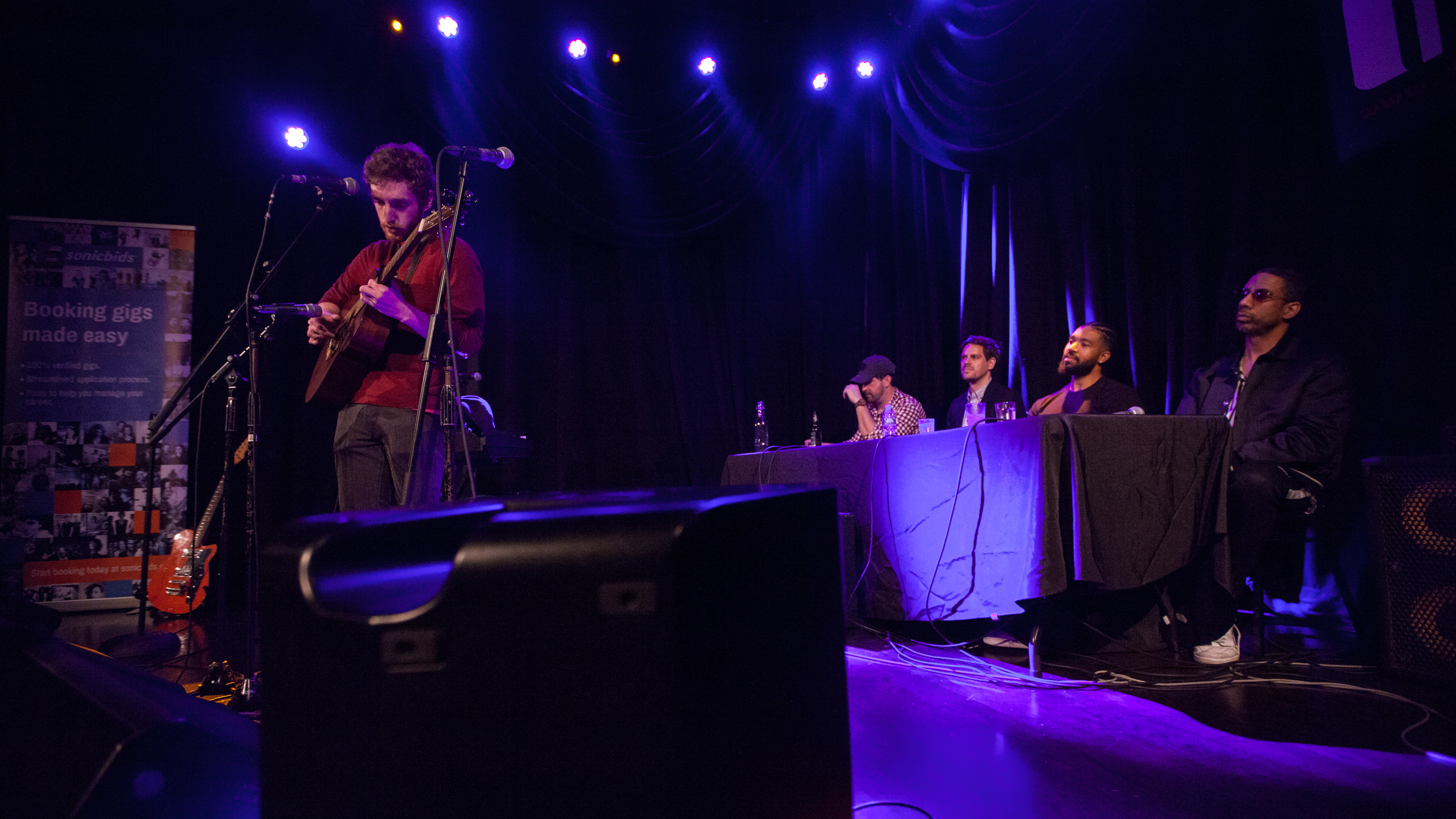
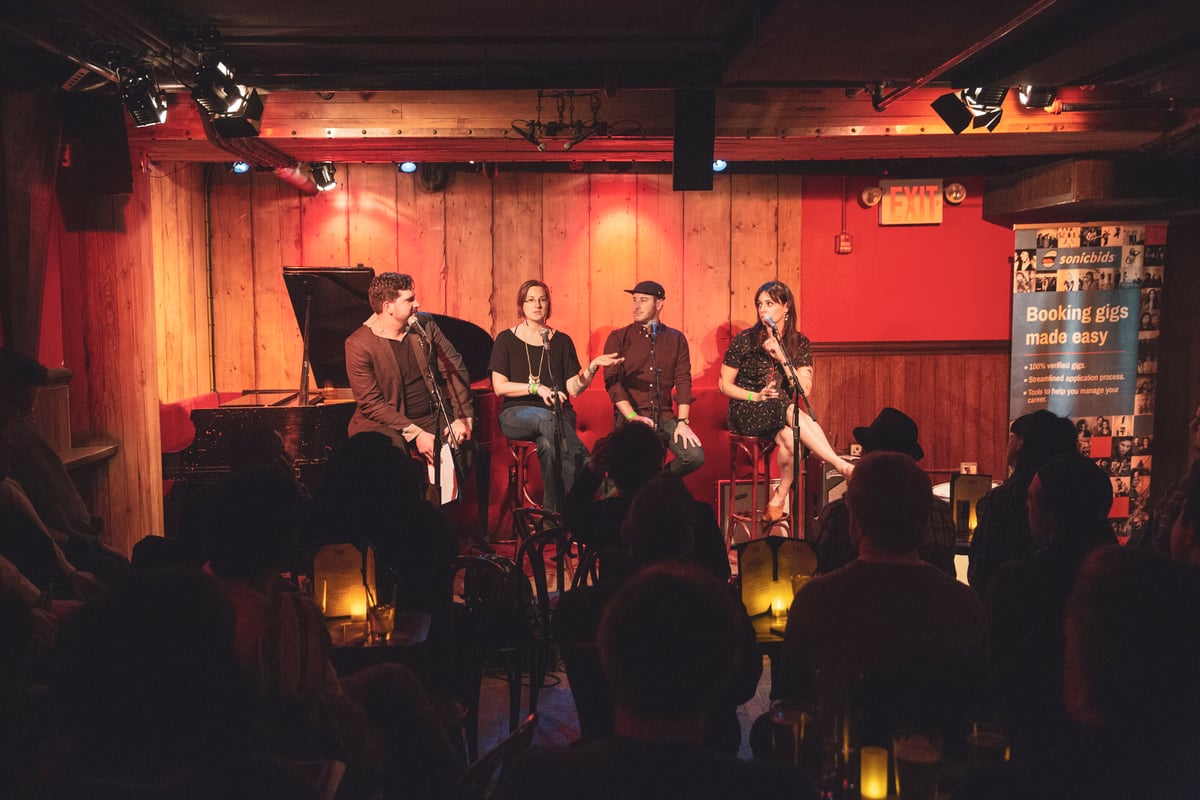
A significant shift in professional development has been the move from formal institutional training to community-led initiatives. Organizations like Sonicbids have pioneered "Feedback Collective" sessions, where musicians participate in panel discussions and songwriting workshops to refine their craft in a collaborative setting. These events serve a dual purpose: they provide technical skill enhancement while simultaneously acting as high-density networking hubs.
Hosting a jam session or a specialized workshop allows an artist to transition from a passive participant to a community leader. This leadership role enhances professional reputation and fosters a sense of reciprocity among peers. Historically, genres such as jazz and hip-hop were built on the foundation of the "session," where the exchange of musical ideas led to the creation of new sub-genres and professional collectives. In the modern context, these gatherings often include a mix of genres—such as a classical cellist collaborating with an electronic producer—resulting in "hybrid" sounds that are highly marketable in the current streaming landscape, which favors genre-fluidity.
Digital Infrastructure Beyond Traditional Social Media
While platforms like Instagram and TikTok are essential for discovery, they are often optimized for short-term engagement rather than deep professional collaboration. To build lasting partnerships, independent musicians are increasingly turning to specialized digital ecosystems designed for creators. Platforms such as BandLab, SoundCloud, and Discord have become the virtual equivalent of the recording studio lounge, where technical discussion and creative pitching occur in real-time.
A chronological analysis of digital networking shows a transition from the "broadcast" model of the early 2000s (where artists simply posted tracks) to the "collaborative" model of the 2020s. On these platforms, the "comment section" is no longer just for fan feedback; it is a space for professional inquiry. Successful independent artists often use these tools to initiate global collaborations, allowing a producer in London to work with a vocalist in Tokyo without the need for a physical studio. This "borderless" networking has significantly lowered the barrier to entry for artists in developing markets, contributing to the globalization of regional sounds like Afrobeats and K-Pop.
Operational Integration through Event Volunteerism
The logistical side of the music industry—festivals, conferences, and large-scale tours—offers a unique vantage point for networking that many performers overlook. By volunteering or working in operational roles at major events, musicians gain behind-the-scenes access to industry gatekeepers, including talent buyers, stage managers, and publicists.
This strategy provides a practical education in the "business of music." Understanding the pressure points of a festival organizer or the technical requirements of a sound engineer makes a musician a more attractive professional partner. Statements from festival organizers often highlight that they are more likely to book an artist who is "easy to work with" and understands the logistical constraints of an event. Networking in these high-pressure environments demonstrates reliability and work ethic—traits that are highly valued by industry professionals when scouting for new talent to support.

Utilizing the Fanbase as a Collaborative Engine
In the era of the "Creator Economy," the boundary between artist and audience has become increasingly porous. Independent musicians who treat their fanbase as a passive group of consumers are missing a significant networking opportunity. By utilizing polls, surveys, and interactive social media features, artists can leverage their fans’ collective knowledge and connections.
This "crowdsourced" networking can lead to unexpected professional breakthroughs. A fan might have connections to a local venue, possess graphic design skills for album art, or know a fellow musician who would be a perfect fit for a collaborative track. This approach aligns with the "1,000 True Fans" theory proposed by Kevin Kelly, which suggests that a sustainable career is built on a foundation of deeply engaged supporters who act as advocates and facilitators for the artist’s work. When fans feel a sense of "ownership" in the artist’s journey, they become a decentralized marketing and networking team.
Analysis of Long-term Implications for the Music Industry
The shift toward these decentralized networking strategies reflects a broader move away from the "top-down" hierarchy of the traditional music industry. In the past, a musician’s career was largely dependent on the approval of a few powerful executives. Today, the "horizontal" network—consisting of peers, fans, and interdisciplinary collaborators—is the primary driver of success.
This evolution has several implications:

- Increased Resilience: Artists with diverse networks are less vulnerable to shifts in the industry, such as changes in streaming algorithms or the loss of a specific manager.
- Creative Diversification: Collaboration encourages the blending of styles, which keeps the musical landscape dynamic and prevents creative stagnation.
- Economic Empowerment: By managing their own networks, independent musicians retain a higher percentage of their earnings and maintain creative control over their intellectual property.
The data supports the conclusion that the most successful independent artists are those who view networking as a form of "social capital" that can be reinvested into their careers. While the initial steps of reaching out to a stranger or hosting a workshop may be intimidating, the long-term ROI is undeniable.
Conclusion: The Path Forward for Independent Creators
Networking and collaboration are not merely supplementary tasks to be completed after the music is finished; they are integral to the creative process itself. The modern independent musician must act as a creative director, a community manager, and a business strategist simultaneously. By embracing local art scenes, participating in educational collectives, utilizing specialized digital tools, understanding industry logistics, and empowering their fanbase, musicians can build a robust professional infrastructure.
The future of the music industry belongs to those who recognize that creativity thrives in community. Every interaction—whether a conversation at a gallery, a comment on a digital track, or a shared shift at a music festival—is a potential catalyst for a new project or a career-defining partnership. As the industry continues to evolve, the ability to connect, collaborate, and contribute to the collective creative ecosystem will remain the ultimate competitive advantage for the independent musician. The transition from a solitary artist to a networked professional is the most significant step toward a sustainable and impactful career in the 21st-century musical landscape.
