

The contemporary music industry is undergoing a radical transformation characterized by the decentralization of power and the rise of the independent creator. As traditional gatekeepers lose their absolute authority, the burden of career development, promotion, and professional networking has shifted directly onto the shoulders of the individual artist. While this provides unprecedented freedom, it also presents a significant psychological and logistical challenge: the necessity of building a professional network from the ground up. Networking and collaboration, once managed by talent agencies and record labels, are now the primary drivers of growth for independent musicians. Industry data suggests that the independent artist segment is the fastest-growing part of the global music market, with revenues increasing by double digits annually. However, this growth is predicated on the ability of artists to move beyond solitary production and into a model of "interdependent" creativity, where community engagement acts as a force multiplier for individual talent.
The Shift Toward Interdisciplinary Collaboration in Local Ecosystems
The first pillar of modern networking involves a departure from the insular world of music-only events. While open mic nights and battle-of-the-bands competitions remain staples, they often suffer from "echo chamber" dynamics where musicians only interact with their direct competitors. A more effective strategy, now being adopted by savvy independent professionals, involves the intentional pursuit of interdisciplinary collaboration within local arts ecosystems. By engaging with visual artists, theatrical directors, and performance poets, musicians can tap into diversified audiences and create unique multimedia experiences that stand out in a saturated digital market.
For instance, the integration of original soundtracks into local art gallery openings or the provision of live scores for experimental theater allows a musician to showcase their work to a demographic that may not frequent traditional music venues. This cross-pollination of audiences is a proven method for organic growth. Historically, movements such as the 1970s New York "No Wave" scene or the early 2000s Brooklyn indie explosion were fueled by this exact type of interdisciplinary friction. When a musician provides a "soundscape" for a sculptor’s installation, they are not merely providing a service; they are embedding their brand into a different artistic narrative, thereby expanding their professional reach and potential for high-value synchronization (sync) licensing opportunities.
Structured Peer Review: The Workshop and Jam Session Model
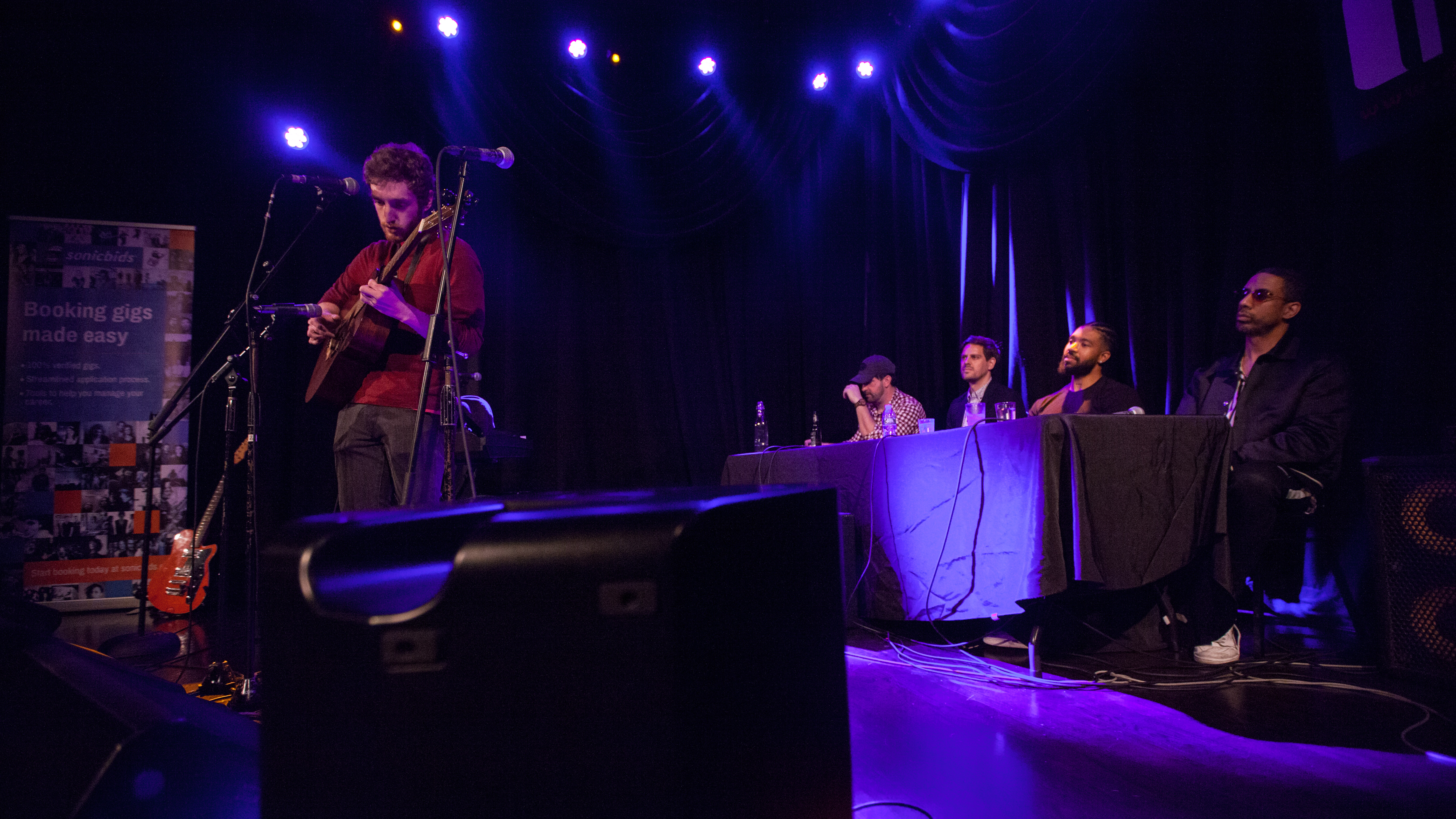
Beyond casual attendance at events, the proactive creation of structured networking environments—such as workshops and jam sessions—serves as a vital tool for professional development. Recent initiatives, such as the "Feedback Collective" panel discussions and songwriting workshops hosted by industry platforms like Sonicbids, demonstrate the efficacy of this approach. These events move beyond the informal "hangout" and into the realm of professional peer review. By hosting a workshop, an artist transitions from a seeker of opportunities to a facilitator of them, effectively elevating their status within the local hierarchy.
The chronology of a successful workshop-based networking strategy usually begins with identifying a specific gap in the local scene—perhaps a lack of dedicated spaces for jazz-fusion improvisation or a need for technical workshops on MIDI orchestration. By inviting musicians from disparate genres—for example, pairing a classical cellist with a modular synth enthusiast—the host fosters a "third space" for innovation. This environment encourages the "Fresh Sound" phenomenon, where the collision of different musical grammars leads to the creation of new sub-genres. Furthermore, these sessions serve as informal auditions. In an industry where reliability is as valued as virtuosity, seeing a potential collaborator’s work ethic and interpersonal skills in a workshop setting provides a level of vetting that a social media profile cannot match.
Digital Architecture and the Rise of Niche Collaborative Platforms
While physical proximity remains a powerful networking tool, the digital landscape has evolved far beyond the basic utility of Instagram or X (formerly Twitter). The modern independent musician must navigate a complex digital architecture designed specifically for creative collaboration. Platforms such as BandLab, SoundCloud, and specialized Discord servers have replaced traditional forums as the primary hubs for remote partnership. Unlike mainstream social media, which prioritizes passive consumption, these platforms are built on the logic of active contribution.
Strategic engagement on these platforms requires a move away from "broadcast" marketing—where an artist simply posts a link to their music—and toward "participatory" networking. This involves leaving detailed, technical feedback on other artists’ tracks and proposing specific, actionable collaboration ideas. The rise of the "remote session musician" is a direct result of this digital shift. An artist in London can now provide vocal tracks for a producer in Tokyo, with the entire transaction facilitated by cloud-based Digital Audio Workstations (DAWs). Data from MIDiA Research indicates that "creator tools" and collaborative platforms are seeing record investment, signaling a long-term industry shift toward a more connected, globalized independent workforce. This digital connectivity allows artists to bypass local limitations and find collaborators who perfectly complement their aesthetic, regardless of geography.
Strategic Volunteering and the Backstage Economy
One of the most overlooked avenues for high-level networking is the "backstage economy" of music festivals and industry conferences. For an independent artist, volunteering at a major event provides a level of access to industry professionals—promoters, booking agents, and established touring artists—that is otherwise impossible to obtain. This strategy is less about manual labor and more about proximity and social capital.
By working within the infrastructure of a festival, an artist gains a behind-the-scenes understanding of the logistics of the music business. This knowledge is invaluable when the time comes to scale their own career. Moreover, the shared experience of working toward a successful event creates a bond that is more durable than a fleeting introduction at a bar. The "desire to collaborate" is often voiced in these high-pressure environments, where the ability to remain professional and helpful under stress serves as a powerful testament to an artist’s character. Many industry success stories begin with a volunteer role that led to a last-minute opening slot or a permanent position within a touring crew, proving that in the music industry, "being in the room" is often half the battle.
Audience-Centric Networking: Leveraging the Fanbase for A&R
The final, and perhaps most modern, strategy involves the inversion of the traditional artist-fan relationship. In the traditional model, the fan is a passive consumer; in the independent model, the fan is a stakeholder and a potential networking node. Independent musicians are increasingly utilizing their fanbases as a decentralized A&R (Artists and Repertoire) department. By using polls, surveys, and direct engagement on platforms like Patreon or Discord, artists can identify potential collaborators who already have the "seal of approval" from their existing audience.
This method mitigates the risk of a collaboration failing to resonate with the core fanbase. If a survey reveals that a significant portion of an artist’s audience also follows a specific local producer, a partnership with that producer becomes a strategic business move rather than a random creative experiment. This "fan-led networking" can lead to unexpected connections, such as a fan introducing an artist to a professional contact or a brand representative. By involving the audience in the creative process, the artist fosters a deeper sense of community, which in turn leads to higher retention rates and more sustainable long-term growth.

Data Analysis and Industry Implications
The implications of these networking strategies are reflected in the broader economic data of the music industry. According to the 2023 "Loud & Clear" report by Spotify, the number of independent artists reaching significant royalty milestones has reached an all-time high. This is not merely a result of more music being uploaded, but of more artists learning how to navigate the professional landscape effectively. The "DIY" label is increasingly being replaced by "DIT" (Do It Together), reflecting the collaborative reality of the modern market.
Analysis of market trends suggests that the future of the music industry will be characterized by "micro-communities"—highly engaged, niche networks that operate independently of major label influence. Artists who master the five strategies outlined above—interdisciplinary engagement, structured workshops, digital collaboration, strategic volunteering, and fan-leveraged networking—are positioning themselves as the leaders of these communities. The "barrier to entry" in the music industry has effectively vanished, but the "barrier to success" remains high; it is no longer defined by who you know at a major label, but by how effectively you can build and maintain your own professional ecosystem.
Conclusion: The Professionalization of the Independent Artist
Networking and collaboration are no longer secondary tasks for the musician; they are core components of the professional creative process. The shift from a "competition" mindset to a "collaboration" mindset is the hallmark of the successful modern independent artist. By stepping outside the traditional confines of the music scene and embracing a multi-faceted approach to professional engagement, musicians can ensure their longevity in an ever-changing market.
The evolution of the industry demands a new type of artist: one who is as comfortable in a songwriting workshop as they are in a digital forum or a local art gallery. As the global music economy continues to favor independent creators, those who prioritize community building and strategic partnerships will be the ones who define the sound and the business of the future. The musical world is no longer a series of isolated islands, but a vast, interconnected web of talent; the most successful artists will be those who learn how to weave themselves into the center of that web.
