

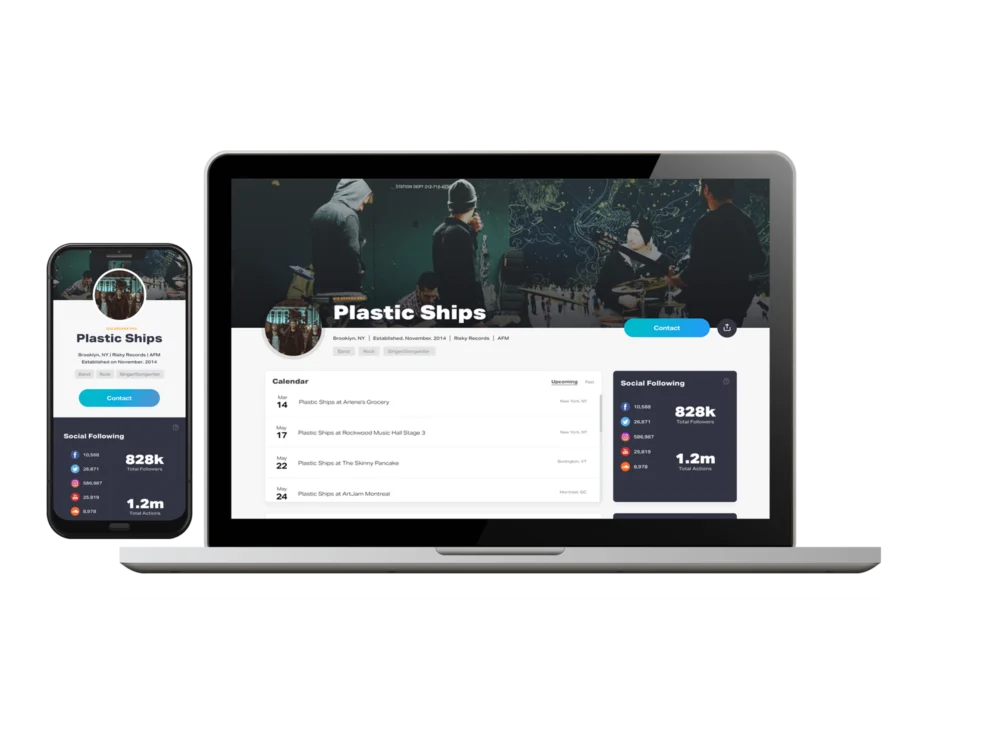
In the contemporary music landscape, where over 120,000 new tracks are uploaded to streaming platforms daily, the Electronic Press Kit (EPK) has transitioned from a supplemental promotional tool to a mandatory professional requirement for independent artists. As the music industry becomes increasingly decentralized, the ability for a singer-songwriter, producer, or band to consolidate their professional identity into a single, accessible digital hub is often the deciding factor in securing festival slots, label interest, or media coverage. The EPK serves as a digital resume and a multimedia portfolio, designed to provide industry professionals with everything they need to make an informed decision about an artist in a matter of minutes.
The Historical Trajectory of Artist Promotion
To understand the current necessity of the EPK, one must examine the evolution of music promotion over the last five decades. In the 1970s and 1980s, artists relied on physical "press packs." These were large, manila envelopes containing a physical demo tape or vinyl record, a printed biography, a 8×10 glossy black-and-white photograph, and photocopies of any previous newspaper mentions. These packages were expensive to produce and even more costly to mail to record labels and radio stations, often ending up in "slush piles" where they remained unheard.
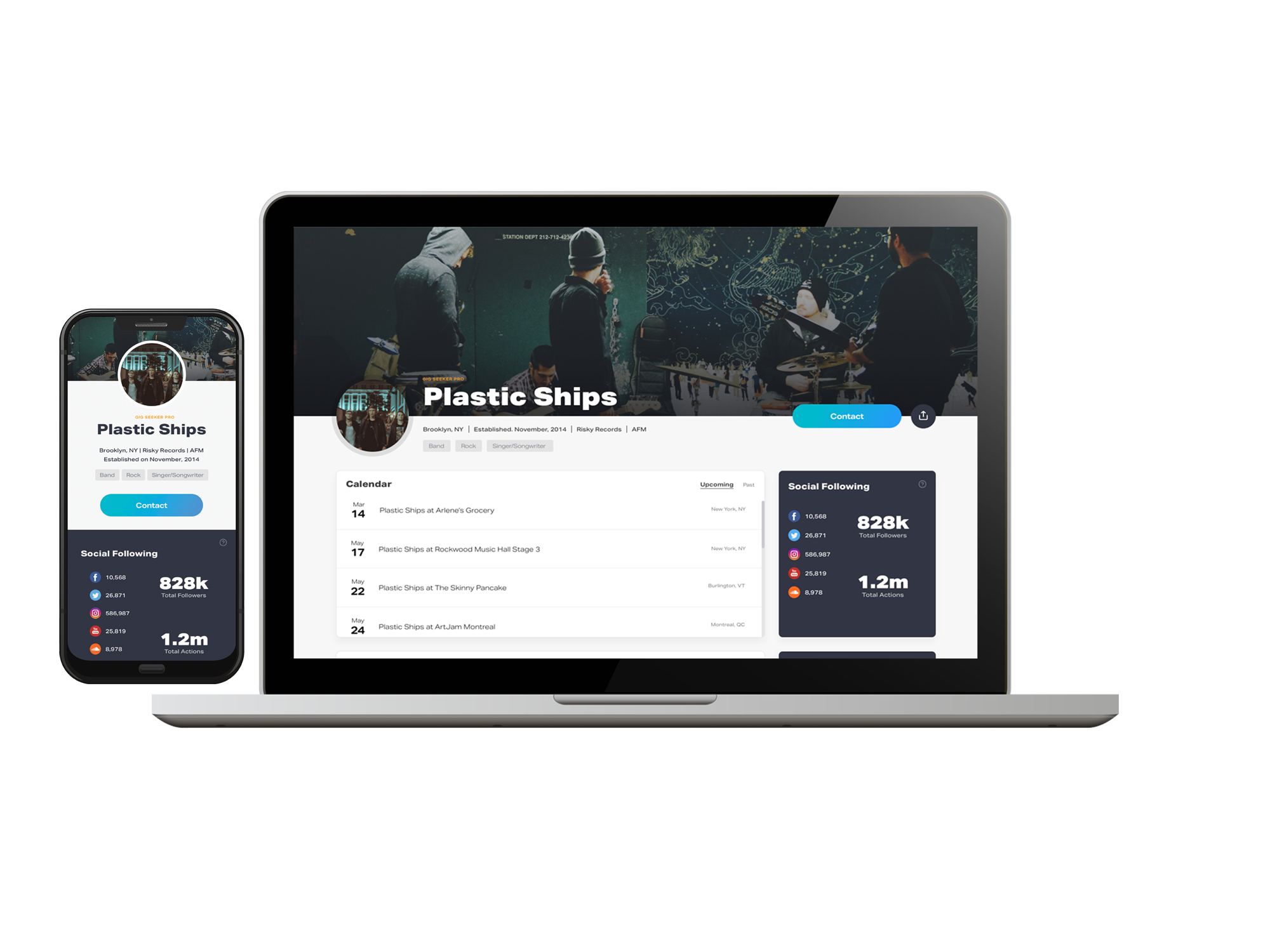
The 1990s saw the transition to CDs, but the logistical hurdles remained the same. The true paradigm shift occurred in the early 2000s with the advent of high-speed internet and digital file sharing. In 2001, Sonicbids launched, revolutionizing the industry by standardizing the Electronic Press Kit. This allowed artists to bypass the post office and deliver high-quality audio and visual materials directly to the desktops of talent buyers. Today, the EPK has evolved further, integrating real-time streaming data, social media metrics, and high-definition video, making it an interactive experience rather than a static document.
Defining the Modern EPK: Core Components and Technical Standards
A professional EPK is more than a simple link to a social media profile. It is a curated environment designed to minimize friction for the recipient. Industry analysts note that booking agents and music journalists often spend less than 60 seconds reviewing an initial pitch. Therefore, the structure of the EPK must be optimized for rapid information retrieval.
The foundational elements of a modern EPK include a professional biography, which should be provided in three formats: a "tweet-sized" elevator pitch (one sentence), a short bio (one paragraph), and a full-length narrative (300-500 words). This allows a journalist to copy and paste the version that best fits their specific publication needs.
Following the biography, the music selection is paramount. Unlike a public-facing Spotify profile, an EPK should feature 3-5 "focus tracks" that represent the artist’s current sound and highest production quality. These tracks should be available for streaming and high-quality download (WAV or 320kbps MP3) to facilitate radio play or blog features.
Visual assets represent the third pillar. High-resolution promotional photos (both landscape and portrait orientations) are essential for magazine layouts and festival posters. Additionally, the inclusion of a "Live" video—either a high-quality concert recording or a professionally shot "live-in-studio" session—is now considered non-negotiable by booking agents who need to verify an artist’s performance capabilities before committing to a contract.
Data-Driven Credibility and Market Validation
In an era defined by Big Data, the music industry has moved away from purely aesthetic scouting toward a model of market validation. An EPK provides a platform to display these metrics as "social proof." When an independent artist includes data—such as 10,000 monthly listeners on Spotify, a 15% engagement rate on Instagram, or a sold-out show at a 200-capacity local venue—they are speaking the language of the modern industry.
Supporting data from Luminate and Billboard suggests that independent artists now account for a significant portion of the total market share in the music industry. However, this democratization has led to a saturation of talent. A well-maintained EPK acts as a filter. By presenting verified press quotes from reputable blogs and showcasing past performance milestones, an artist demonstrates that they have already passed a level of professional scrutiny. This reduces the perceived risk for a talent buyer or a label representative.
Streamlining Industry Communication and Efficiency
The logistical advantage of the EPK cannot be overstated. In the traditional outreach model, an artist might send an introductory email, followed by a link to a SoundCloud track, followed by an attachment of a high-res photo, and eventually a PDF of their technical rider. This fragmented approach is a significant deterrent for busy professionals.
"Efficiency is the currency of the modern music office," states one veteran booking agent for a major North American summer festival. "If I have to hunt for a high-res photo or ask for a stage plot three times, I am likely to move on to the next artist who has everything ready in a single link."
The EPK solves this by serving as a "one-stop shop." When an artist sends an EPK link, they are providing the recipient with a complete toolkit. This includes the "Technical Rider" and "Stage Plot"—documents that detail the artist’s equipment needs and stage layout. For venue production managers, having these documents accessible months in advance is critical for ensuring a smooth event.
Accessibility and the 24/7 Global Talent Market
The digital nature of the EPK ensures that an artist’s portfolio is accessible globally and at any time. The music industry operates across every time zone; a festival scout in London might be researching talent while an artist in Los Angeles is asleep. A hosted EPK ensures that the artist’s "digital salesperson" is always working.
Furthermore, the shareability of a link-based EPK allows for internal circulation within organizations. A junior publicist can easily forward an EPK link to a senior partner, or a talent buyer can share it with a sponsorship committee. Unlike physical media, which can be lost or damaged, the EPK remains a stable, permanent, yet easily updatable reference point.
The EPK as a Dynamic Asset for Career Longevity
One of the most common mistakes independent artists make is treating the EPK as a static document created once at the beginning of their career. In reality, the most successful artists view the EPK as a living document that reflects their growth.
As an artist moves through their career, the EPK should be updated to reflect:
- New Releases: Swapping out older tracks for new singles to maintain relevance.
- Press Accolades: Adding new quotes as the artist gains recognition in larger publications.
- Updated Visuals: Reflecting changes in branding, style, or band lineup.
- Touring Milestones: Updating the "Past Performances" section to show a progression from small clubs to larger theaters or festivals.
This continuous evolution demonstrates a "trajectory of success." For a record label scout, seeing an EPK that has been consistently updated over two years provides a narrative of persistence and professional development, which is often more attractive than a single viral moment.
Broader Implications: Leveling the Playing Field
The rise of platforms like Sonicbids and the standardization of the EPK have significantly leveled the playing field between independent artists and those backed by major labels. In the past, the "gatekeepers" of the industry were largely influenced by the sheer promotional budget of the Big Three labels. Today, an independent artist with a professional, data-backed EPK can compete for the same media attention and stage time.
The implications of this shift are profound. It has moved the industry toward a meritocracy where presentation and data play a central role. While the quality of the music remains the core product, the EPK is the packaging that makes that product "shelf-ready" for the global market.
Conclusion: The Strategic Necessity of Professional Presentation
In conclusion, the Electronic Press Kit is no longer an optional luxury for the indie artist; it is a foundational pillar of a modern music career. By providing a concise representation of artistry, simplifying communication, boosting credibility through data, and ensuring 24/7 accessibility, the EPK serves as the primary bridge between the creative process and the commercial industry.
As the industry continues to evolve toward more integrated digital solutions, the artists who prioritize professional presentation will be the ones who successfully navigate the transition from local talent to global brand. The music business thrives on the ability to tell a compelling story, and the EPK is the most effective medium for an artist to take control of their narrative, celebrate their milestones, and catalyze their future success. For the independent artist looking to take the next vital step, the creation and maintenance of a high-tier EPK is the most strategic investment they can make.
