

The contemporary music industry is undergoing a seismic shift as independent artists increasingly bypass traditional gatekeepers to manage their own careers, a movement that has transformed networking from a peripheral activity into a core business necessity. In an era where over 100,000 tracks are uploaded to streaming platforms daily, the ability to build a robust professional network is often the differentiating factor between obscurity and commercial viability. While the prospect of networking can be intimidating for many creative professionals, industry data suggests that collaborative efforts are now a primary driver of audience growth and artistic innovation. This report examines the evolving strategies for independent musicians, the importance of multidisciplinary engagement, and the data-backed benefits of community-led career development.
The Shift Toward a Collaborative Independent Economy
The rise of the "independent" or "DIY" sector has been the most significant trend in the global music market over the last decade. According to reports from MIDiA Research, the independent artist segment is the fastest-growing part of the music business, generating billions in annual revenue. However, this growth has created a saturated market where organic discovery is increasingly difficult. Consequently, musicians are moving away from solitary creation and toward a "community-first" model.
Networking is no longer merely about "who you know" in the context of record labels; it is about "who you grow with" in the context of peer-to-peer ecosystems. This collaborative spirit is essential for navigating the complexities of modern music distribution, marketing, and live performance. By forming alliances with other creatives, musicians can pool resources, share audiences, and foster the kind of innovation that only occurs at the intersection of different artistic perspectives.
Multidisciplinary Engagement and the Local Arts Ecosystem
One of the most effective, yet often overlooked, avenues for networking is the local multidisciplinary arts scene. While musicians frequently gravitate toward other musicians, industry analysts suggest that the most lucrative and creative partnerships often emerge from cross-industry collaboration. Engaging with visual artists, dancers, filmmakers, and theater practitioners can open doors to unique opportunities such as gallery soundtracks, film scores, and immersive performance art.
The logic behind this is grounded in market diversification. When a musician collaborates with a visual artist for a gallery opening, they are exposed to an audience that may not frequent traditional music venues. This "cross-pollination" of fanbases is a strategic move that expands an artist’s reach without the high costs of traditional advertising. Furthermore, these environments are often less competitive and more conducive to genuine conversation than high-pressure music industry showcases.
The Resurgence of Physical Community: Workshops and Jam Sessions
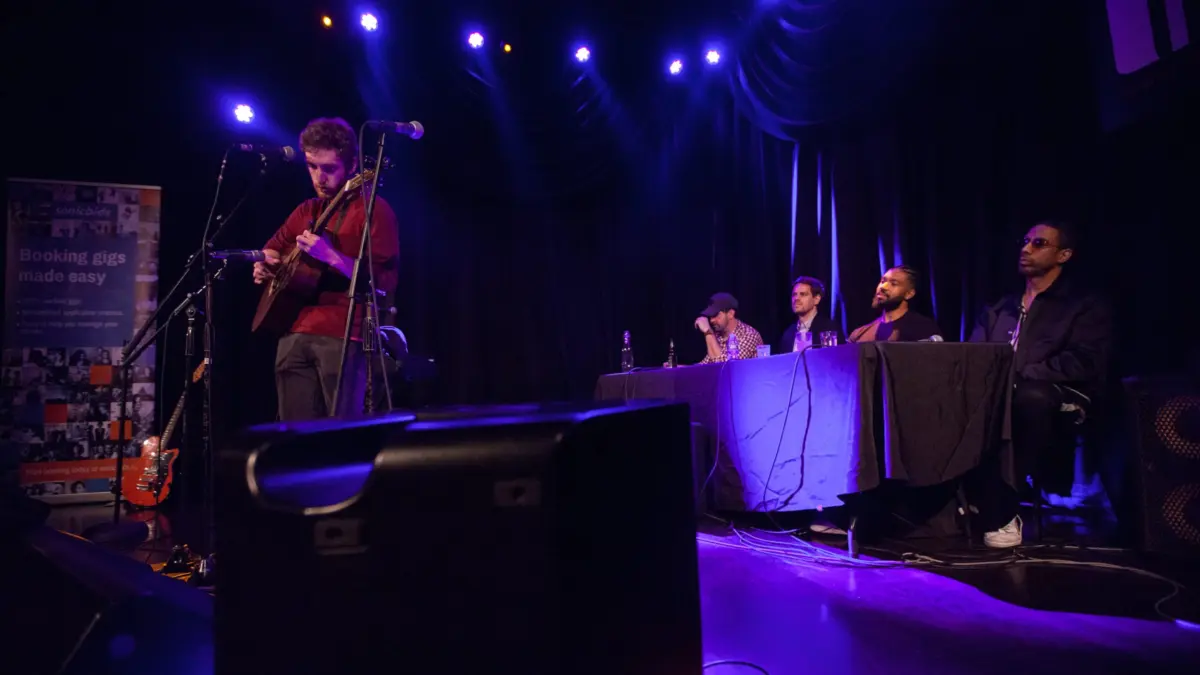
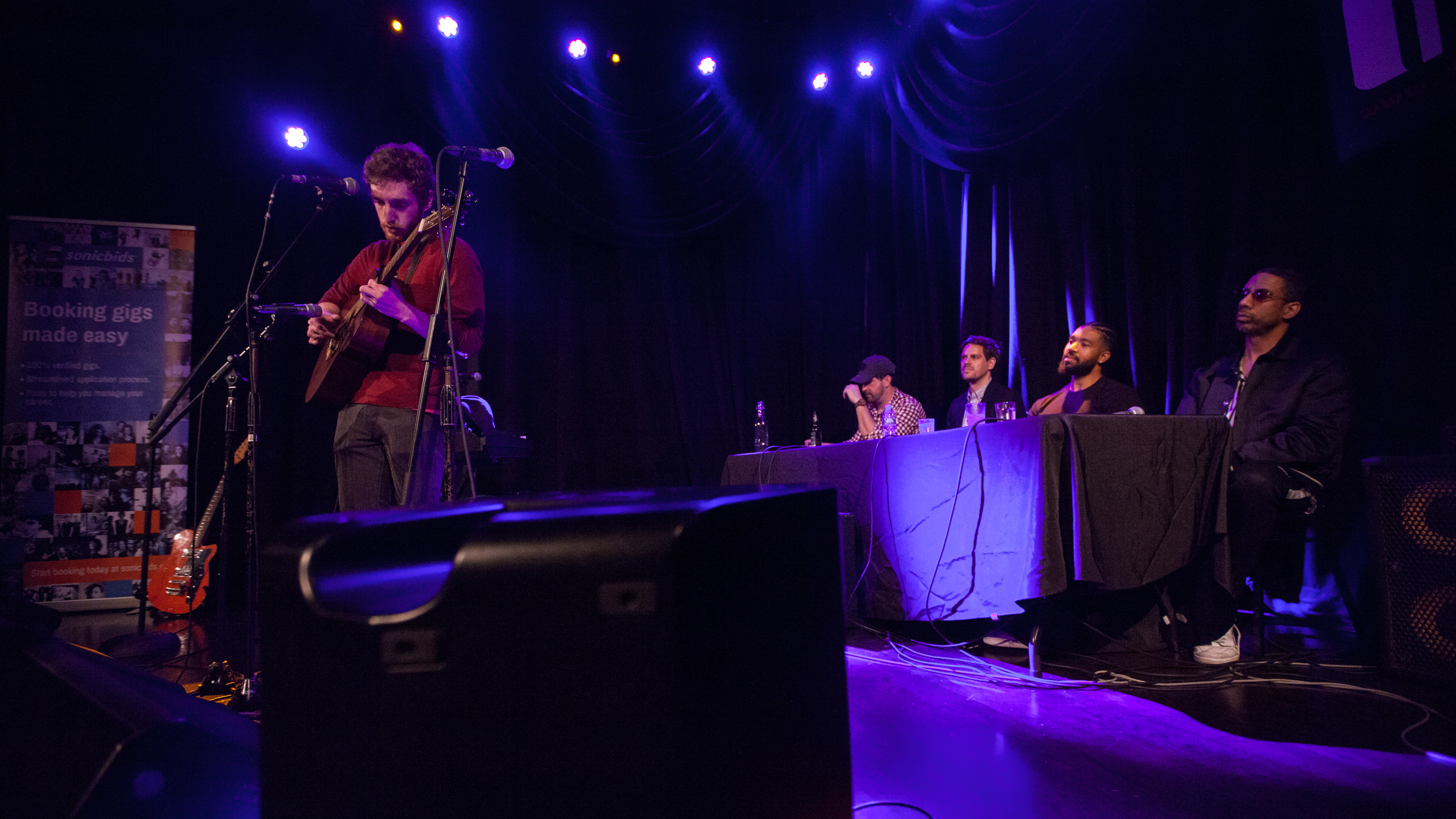
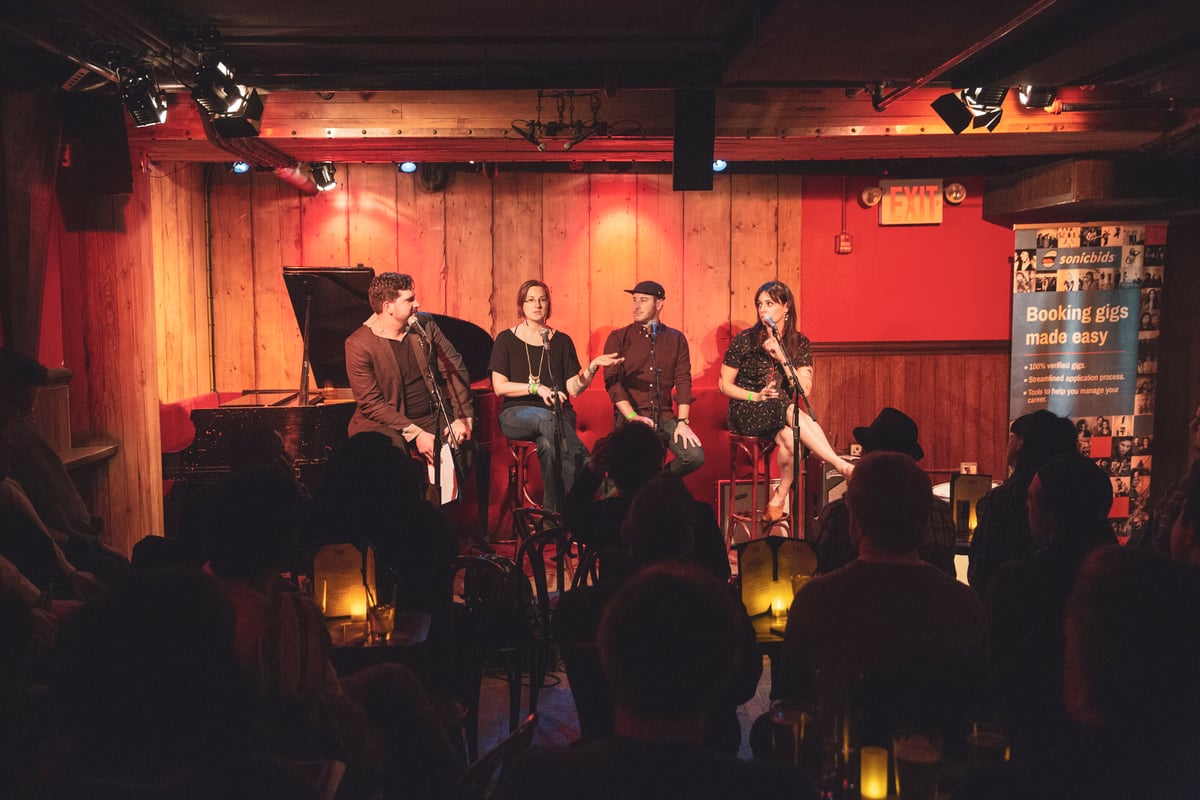
Despite the digital nature of the modern industry, physical proximity remains a powerful tool for building trust and creative rapport. Initiatives like the Feedback Collective, organized by platforms such as Sonicbids, demonstrate the continued demand for structured in-person interaction. These events, which include panel discussions and songwriting workshops, provide a controlled environment where artists can receive constructive criticism and meet potential collaborators.
Chronologically, the industry saw a massive dip in these interactions during the 2020-2022 period due to global health restrictions. However, 2023 and 2024 have seen a "hyper-local" resurgence. Hosting or attending jam sessions and workshops allows musicians to showcase their technical proficiency and interpersonal compatibility in real-time. Industry experts note that a musician’s "vibe" and reliability are often as important as their talent when it comes to being recruited for tours or studio sessions. By facilitating these gatherings, artists position themselves as community leaders, further enhancing their professional reputation.
Leveraging Niche Digital Platforms for Global Reach
While mainstream social media platforms like Instagram and TikTok are essential for fan engagement, they are often less effective for deep professional networking. Instead, many independent artists are turning to niche platforms designed specifically for collaboration. Sites such as BandLab, SoundCloud, and specialized Discord servers allow for a more focused exchange of ideas.
Data indicates that remote collaboration has become a standard practice in music production. A 2023 survey of independent producers found that over 60% had worked on a project with someone they had never met in person. These digital tools allow for a "modular" approach to songwriting, where a producer in London can easily collaborate with a vocalist in Nashville and a bassist in Tokyo. This globalized networking strategy not only enhances the creative quality of the music but also provides the artist with a foothold in multiple international markets simultaneously.
The Strategic Value of Industry Volunteering and Proximity
For emerging artists, the "power of proximity" cannot be overstated. Volunteering at music festivals, industry conferences, and local venues offers a "backstage" view of the business side of music. This role provides direct access to event organizers, sound engineers, and established artists—individuals who are usually shielded by layers of management.
From a chronological perspective, many successful careers have been launched from these entry-level positions. By working within the infrastructure of a festival, a volunteer gains an understanding of the logistics of touring and performance, which makes them more professional and "tour-ready" when their own opportunity arises. Furthermore, the relationships formed during a high-stress event like a festival are often more resilient than those made through casual social media interactions.

Crowdsourcing Collaboration: The Fan-to-Artist Pipeline
A significant shift in modern networking is the involvement of the fanbase in the creative process. Independent musicians are increasingly utilizing their followers as a decentralized A&R (Artists and Repertoire) department. Through polls, surveys, and direct engagement on platforms like Patreon or X (formerly Twitter), artists are asking their fans who they should collaborate with next.
This strategy serves two purposes. First, it ensures that any resulting collaboration has a pre-built audience interested in the project. Second, it empowers fans, turning them from passive listeners into active stakeholders in the artist’s career. Analysis of streaming data shows that collaborative tracks often see a 20-30% higher "save" rate on platforms like Spotify, as the algorithm recognizes the overlap between two different artist profiles and pushes the music to both sets of fans.
Economic Implications and Market Trends
The financial benefits of robust networking are supported by current market trends. The "collaborative economy" in music reduces the overhead costs for independent artists. By trading services—such as a photographer providing press shots in exchange for a musician providing a theme song for a video project—artists can maintain high production values on a limited budget.
Moreover, the "Fans Also Like" algorithm on major streaming services is heavily influenced by collaborations. When two artists release a song together, their profiles become linked in the platform’s metadata. This ensures that the algorithm will continue to recommend one artist to the other’s fans long after the initial release. For the independent musician, this is a form of permanent, automated networking that continues to pay dividends in the form of streaming royalties.

Analysis of the Broader Impact on the Music Industry
The move toward community-based networking is more than just a survival tactic; it is a fundamental restructuring of the music industry’s power dynamics. As artists become more adept at building their own networks, the traditional "gatekeeper" role of the record label is diminished. This leads to a more diverse and democratized musical landscape where success is determined by community support and creative merit rather than large-scale marketing budgets.
However, this shift also places a greater burden of responsibility on the artist. To succeed, the modern musician must be a performer, a social media manager, and a networking strategist. The mental health implications of this "always-on" networking culture are a subject of ongoing debate within the industry, leading to a rise in support groups and wellness initiatives specifically for independent creatives.
Conclusion: The Future of the Connected Artist
Networking and collaboration have evolved from optional activities to the very foundation of the independent music career. By embracing local arts scenes, utilizing specialized digital tools, and engaging their fanbases, musicians can build a resilient professional ecosystem that sustains them through the fluctuations of the market.
As the industry continues to evolve, the most successful artists will likely be those who view networking not as a chore, but as an extension of their creative practice. Every handshake at a local gallery, every comment on a SoundCloud track, and every volunteer shift at a festival represents a potential turning point in an artist’s career. In the fragmented digital age, the ability to forge genuine human connections remains the most powerful tool in any musician’s arsenal. The data is clear: the future of music is not solitary; it is collaborative, community-driven, and interconnected.
