

The landscape of the independent music industry has undergone a radical transformation over the last decade, transitioning from a centralized model dominated by major labels to a decentralized ecosystem where "DIY" artists now represent the fastest-growing segment of the market. According to recent industry reports from MIDiA Research, independent artists generated more than $1.2 billion in revenue in 2023, a significant increase that highlights the shifting power dynamics within the global music economy. However, as the barriers to entry for recording and distribution have collapsed, the challenge of visibility and professional growth has intensified. For the modern independent musician, the ability to network and collaborate is no longer a secondary skill; it is a fundamental requirement for commercial viability and creative longevity.
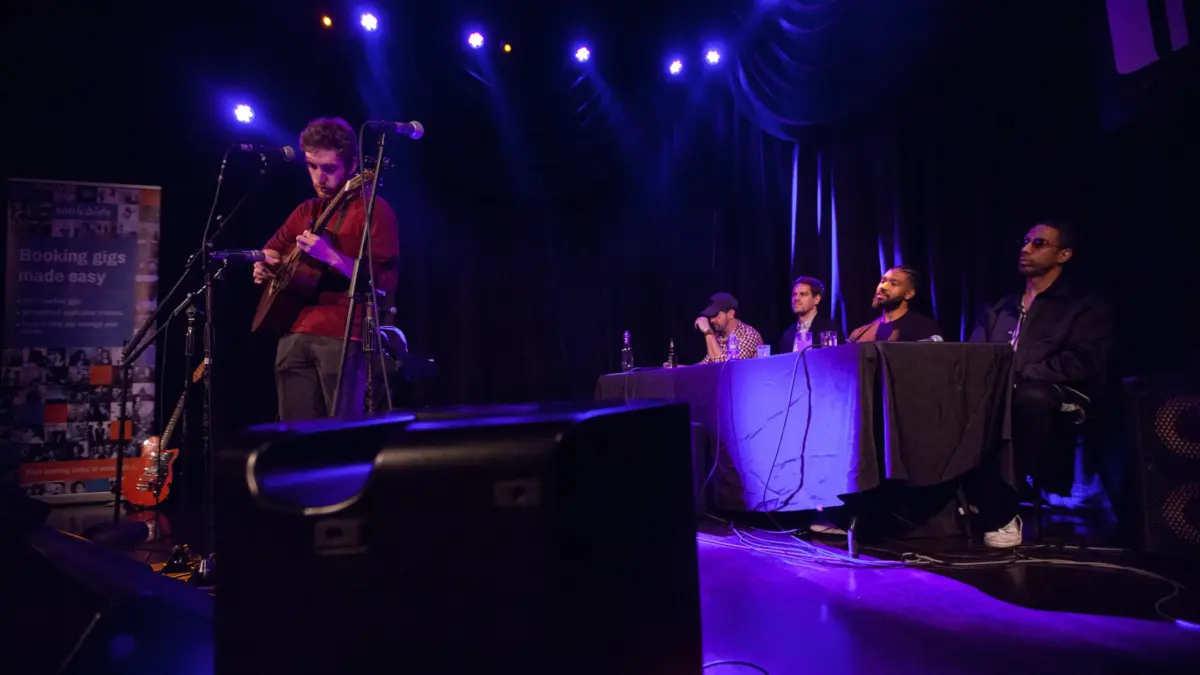
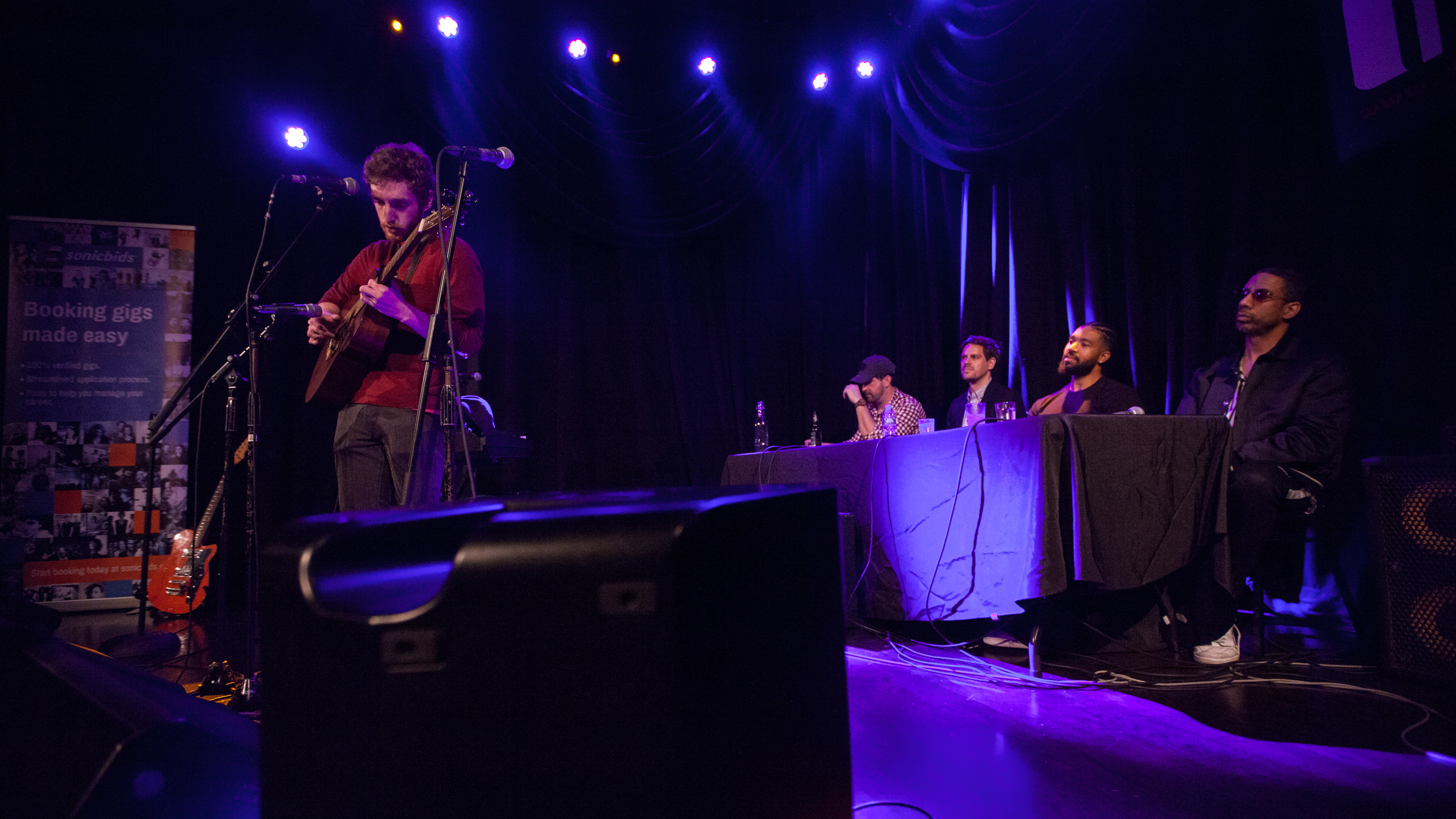
The traditional "cold call" or unsolicited demo submission has largely been replaced by a more nuanced, community-centric approach to career development. Organizations like Sonicbids have recognized this shift, implementing initiatives such as the Feedback Collective Panel Discussion and various songwriting workshops to facilitate high-value interactions. These events underscore a broader industry trend: the move away from transactional networking toward the cultivation of "creative capital" through shared experiences and interdisciplinary cooperation.
The Evolution of the Independent Music Ecosystem
Historically, networking for musicians was a top-down process. An artist sought the attention of an A&R executive, who then provided access to a network of producers, session musicians, and promoters. In the current era, the responsibility for building this infrastructure rests entirely on the artist. This shift has created a high-pressure environment where many creators feel overwhelmed by the sheer volume of talent and the noise of digital platforms.
Data suggests that collaborative tracks often outperform solo releases on streaming services like Spotify and Apple Music. By pooling audiences, artists can bypass traditional gatekeepers and leverage the "algorithmic lift" that occurs when a song is associated with multiple artist profiles. Despite these clear benefits, many independent musicians struggle to initiate these partnerships. The current professional consensus suggests that networking must be approached as a strategic discipline, involving five core pillars of engagement: cross-disciplinary integration, peer-led education, niche digital immersion, industry service, and fan-driven connectivity.
Cross-Disciplinary Integration at the Local Level
The creative economy is increasingly interconnected, with the boundaries between visual arts, theater, and music becoming porous. Local art scenes offer a fertile ground for "stealth networking," where musicians can find opportunities that are not yet saturated by their peers. Professional analysis of urban creative hubs suggests that musicians who engage with non-musical art forms—such as sculpture, digital installations, or performance poetry—often secure more lucrative and unique synchronization opportunities.
For example, a musician attending a local gallery opening may encounter a visual artist seeking a sonic landscape for a multimedia installation. These projects often provide higher visibility in high-income demographics than a standard club gig. Furthermore, regional theater companies frequently require original compositions for productions, offering musicians a chance to build a portfolio in scoring and sound design. This cross-pollination of audiences allows the independent artist to tap into the "cultural capital" of other artistic disciplines, effectively diversifying their reach without the need for a massive marketing budget.
Peer-Led Education and the Rise of the Workshop Model
The emergence of the "workshop model" has become a cornerstone of professional development in the independent sector. Events such as the Feedback Collective Songwriting Workshop, hosted by Sonicbids, demonstrate how structured interaction can break down social barriers. These sessions serve a dual purpose: they provide technical skill enhancement while simultaneously acting as a vetting process for future collaborators.
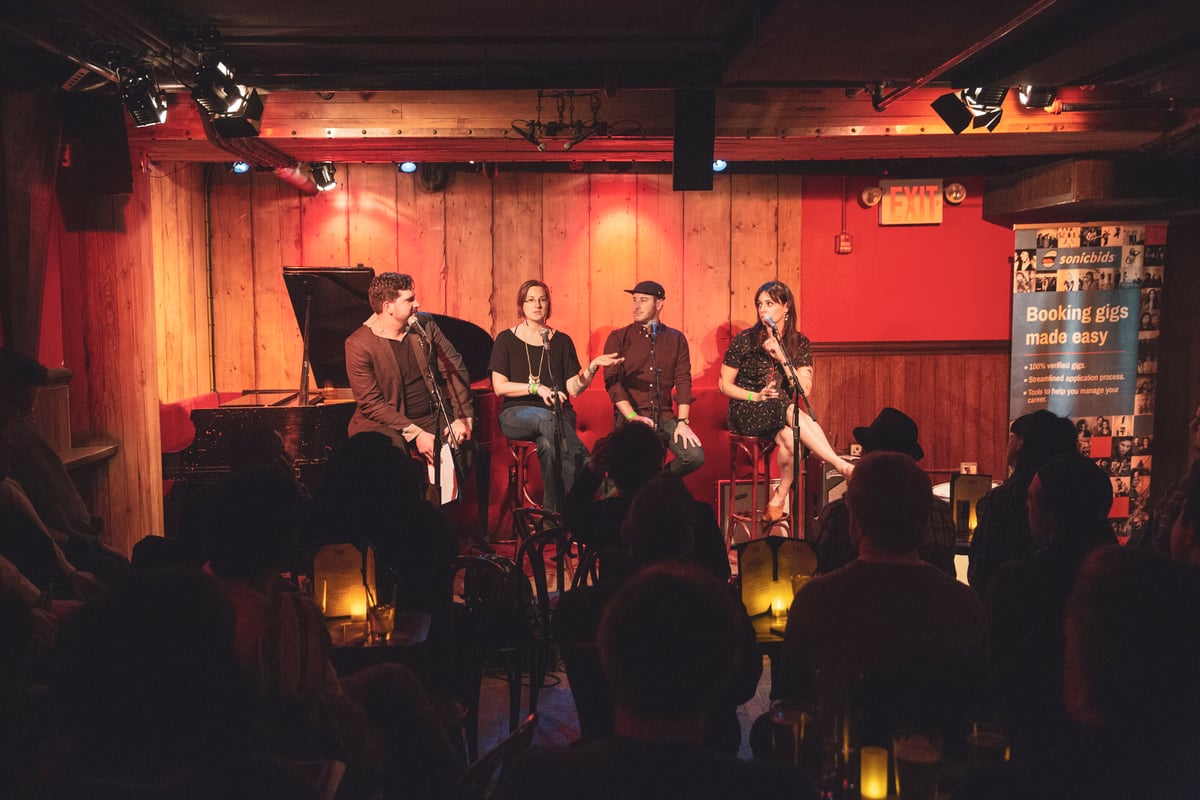
In a workshop setting, musicians are afforded the opportunity to observe the work ethic, technical proficiency, and personality of their peers in a low-stakes environment. This is a critical departure from the traditional jam session, which can sometimes prioritize individual virtuosity over collective output. By focusing on the "feedback" aspect, artists build trust—a prerequisite for any successful long-term partnership. Industry observers note that the rapport established in these educational settings often leads to the formation of "supergroups" or production collectives that can share the costs of touring and promotion.
Strategic Immersion in Niche Digital Ecosystems
While mainstream social media platforms like Instagram and TikTok are essential for fan engagement, they are often less effective for deep professional networking due to the high volume of non-professional content. Consequently, there is a growing movement toward niche platforms designed specifically for creative collaboration, such as BandLab, SoundCloud, and specialized Discord servers.
BandLab, for instance, has reported a surge in "asynchronous collaboration," where musicians from different continents contribute to a single project file in real-time or via cloud-based DAWs (Digital Audio Workstations). This technological shift has democratized access to global talent. A musician in a rural area can now collaborate with a world-class percussionist in another country, provided they have the digital literacy to navigate these platforms. The key to success in these spaces is "active contribution"—leaving technical, thoughtful feedback on others’ work rather than simply broadcasting one’s own links. This fosters a "reciprocity loop" that is central to the digital-first music economy.
The Strategic Value of Industry Service and Volunteering
One of the most overlooked avenues for professional networking is the "service-based" approach. Volunteering at major music festivals or industry conferences provides a level of access that is rarely available through traditional channels. By working behind the scenes, musicians gain a firsthand look at the logistics of the industry and build relationships with event organizers, stage managers, and technical crews.

Chronological data from career trajectory studies shows that many successful independent artists spent their early years in support roles within the festival circuit. These roles provide "contextual proximity" to industry decision-makers. A volunteer at a festival like SXSW or the Newport Folk Festival is in a position to have brief, organic interactions with agents and managers that would be impossible via email. The objective in these settings is not to hand out business cards aggressively, but to demonstrate reliability and a professional demeanor, which are the traits industry professionals look for in potential partners.
Decentralized Talent Discovery via Fan Engagement
The final pillar of modern networking involves the "democratization of A&R" through the artist’s existing fanbase. In a saturated market, an artist’s followers act as a decentralized intelligence network. By utilizing polls, surveys, and direct engagement on platforms like Patreon or Discord, musicians can identify potential collaborators who are already within their extended network.
This "fan-to-collaborator" pipeline is particularly effective because it ensures that any resulting partnership will have a pre-existing audience. If a fan introduces a musician to a local singer with a complementary style, the collaboration begins with a built-in "proof of concept." This strategy also strengthens the bond between the artist and their audience, as fans feel a sense of ownership and pride in the artist’s growth. This model reflects a broader shift toward "community-owned" career paths, where the line between the creator and the consumer becomes increasingly blurred.
Economic and Professional Implications for the Independent Sector
The implications of these networking strategies are profound. For the independent musician, the transition from a "solo operator" to a "networked professional" significantly reduces the financial risks associated with the music industry. Collaborative efforts allow for the sharing of fixed costs, such as studio time, PR retainers, and travel expenses. Furthermore, a robust network acts as a safety net in an industry characterized by volatility.

Analysis of the current market suggests that the most successful independent artists are those who view themselves as "nodes" within a larger creative network. By diversifying their points of contact—across local art scenes, digital platforms, and industry events—they create multiple pathways for discovery. This "multi-modal" approach to networking is what separates hobbyists from professionals in the 21st-century music business.
As the industry continues to evolve, the emphasis on human connection remains the one constant. While AI and automation may change how music is produced and distributed, the "creative spark" that occurs during a collaborative session cannot be replicated. Organizations and platforms that facilitate these connections will continue to play a vital role in the health of the independent music ecosystem. For the musician, the message is clear: the instrument is only half of the equation; the community is the other. Embracing these unconventional networking strategies is not merely an option—it is the primary engine of sustainable success in the modern era.
