

The year 1965 stands as the definitive peak of the British Invasion, a period when the United Kingdom’s musical exports transitioned from a novelty to the dominant force within the American cultural landscape. While the initial wave in 1964, led by the frenetic energy of The Beatles and The Rolling Stones, was characterized by high-tempo rock and roll and rhythm and blues, the following year witnessed a sophisticated diversification of the sound. By 1965, British artists had achieved a level of market saturation that saw them occupying the top tiers of the Billboard Hot 100 with unprecedented frequency. Central to this sustained success was the mastery of the pop ballad—a format that allowed British songwriters and performers to showcase melodic complexity, orchestral arrangements, and emotional depth.
The shift toward ballads in 1965 was not merely a stylistic choice but a strategic evolution that appealed to a broader demographic of American listeners. While the "mop-top" era catered largely to a younger, teenage audience, the melodic sophistication of mid-sixties British ballads bridged the gap between youth culture and the adult contemporary market. This transition was facilitated by a unique confluence of factors: the influence of legendary producers like George Martin, the integration of classical orchestration into pop music, and the willingness of American radio stations to prioritize British imports.
A Chronological Trajectory of the 1965 Charts
To understand the magnitude of the British Invasion in 1965, one must look at the timeline of chart dominance. The year began with Petula Clark’s "Downtown" hitting number one on the Billboard Hot 100 in January, signaling that the British influence extended beyond four-piece rock bands. Throughout the spring and summer, the charts were a revolving door of UK talent. By the time the year concluded, British acts had spent a total of 26 weeks at the number-one spot.
This period also marked a professionalization of the British recording industry. Studios like Abbey Road in London became laboratories for sonic experimentation. The chronological progression of the year showed a move away from simple guitar-bass-drums configurations toward the inclusion of harpsichords, string quartets, and sophisticated vocal layering. This evolution is best exemplified by four specific tracks that defined the year’s emotional and melodic landscape.
Petula Clark and the Transatlantic Urban Anthem
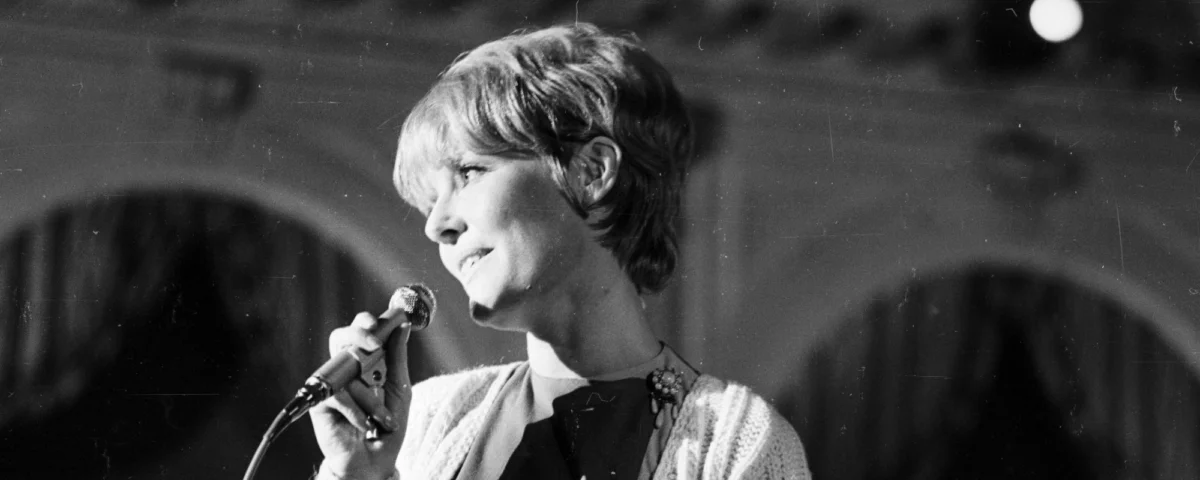
Petula Clark’s "Downtown" serves as a primary case study for the 1965 British success story. Released in late 1964 and ascending to the top of the US charts in January 1965, the song represented a departure from the "group" sound that had defined the previous year. Clark, an established child star in the UK, found a new identity through her collaboration with songwriter and producer Tony Hatch.
Hatch reportedly conceived the song during his first visit to New York City, inspired by the atmosphere of Times Square. This American inspiration likely contributed to the song’s immediate resonance with US audiences. From a technical standpoint, "Downtown" was a marvel of mid-sixties production, featuring a driving piano riff, a brass section, and Clark’s clear, emotive soprano. The track was recorded at Pye Studios in London with a session band that included future Led Zeppelin guitarist Jimmy Page.
The impact of "Downtown" was validated not only by sales but by industry recognition. It won the Grammy Award for Best Rock and Roll Recording in 1965, making Clark the first British female artist to win a Grammy. The song’s success illustrated that the British Invasion was a multi-faceted movement capable of producing polished, solo-driven pop that rivaled the output of New York’s Brill Building.
The Merseybeat Influence and the Orchestral Shift
While Petula Clark represented the sophisticated solo artist, Gerry and the Pacemakers remained rooted in the Merseybeat tradition of Liverpool. However, their 1965 hit "Ferry Cross the Mersey" showcased a significant maturation of that sound. Written by lead singer Gerry Marsden, the song was an ode to the band’s hometown, specifically the ferry service connecting Liverpool to the Wirral Peninsula.
The success of "Ferry Cross the Mersey" in the United States—peaking at number six on the Billboard Hot 100—was indicative of the American public’s fascination with British geography and culture. The track was produced by George Martin, whose influence cannot be overstated. Martin’s decision to incorporate a lush, melancholic string arrangement provided the song with a timeless quality that distinguished it from the band’s earlier, more upbeat hits like "How Do You Do It?"
At the time, Martin was simultaneously working with The Beatles on "Yesterday," a track that would further cement the use of classical strings in pop music. The parallel development of these songs suggests a broader industry trend toward "Baroque pop," where the grit of rock was tempered by the elegance of classical instrumentation. "Ferry Cross the Mersey" remains a definitive example of how regional British identity was successfully packaged for a global audience.
Cross-Continental Collaborations and Vocal Harmonies
The duo Peter and Gordon exemplified the interconnected nature of the 1960s British music scene. Their 1965 hit "I Go To Pieces" highlights the importance of cross-pollination between artists. While the duo was famously associated with Paul McCartney—Peter Asher’s sister, Jane, was dating McCartney at the time—"I Go To Pieces" was actually penned by American rocker Del Shannon.
Shannon had written the song for another artist who declined it, and after touring with Peter and Gordon in the UK, he offered the track to them. The song’s trajectory was unusual: it failed to make a significant impact on the UK charts but became a major Top 10 hit in the United States. This discrepancy underscores the unique appetite of the American market for the "British sound"—even when the material originated from an American songwriter.
The track is characterized by its "fluttery" vocal harmonies, a hallmark of the Peter and Gordon style. Their ability to deliver a heart-rending narrative of romantic loss with a polite, almost academic vocal precision appealed to the American sensibility of the time. This success paved the way for future harmony-heavy acts and demonstrated that the British Invasion was as much about "vibe" and vocal styling as it was about original songwriting.
The Sophisticated Evolution: The Zombies and "Tell Her No"
The Zombies occupied a unique niche within the British Invasion, often described as more intellectual or "jazzy" than their contemporaries. Their 1965 hit "Tell Her No" followed the massive success of "She’s Not There" and solidified their reputation for musical sophistication. Written by keyboardist Rod Argent, the song utilized an electric piano—a rarity in pop at the time—to create a distinct, slightly detached atmosphere.
Colin Blunstone’s lead vocals on "Tell Her No" are frequently cited by musicologists for their dynamic range, moving from breathy whispers to powerful, soulful declarations. Despite the song’s success, reaching number six in the US, The Zombies struggled to maintain commercial momentum in the immediate years following its release. It was only after their 1968 masterpiece Odessey and Oracle and the posthumous success of "Time of the Season" that the full extent of their genius was recognized.
The inclusion of "Tell Her No" in the 1965 canon is essential because it represents the "art-rock" potential of the British Invasion. It proved that pop music could be commercially viable while experimenting with non-traditional structures and jazz-inflected chords.
Statistical Analysis and Industry Reactions
The data from 1965 confirms the overwhelming dominance of British acts. According to Billboard Year-End charts, British artists accounted for nearly 30% of all Top 40 hits that year. The Recording Industry Association of America (RIAA) noted a surge in gold certifications for British singles, a trend that forced American labels to rethink their talent acquisition strategies.
Industry reactions at the time were a mix of admiration and defensive maneuvering. American labels like Capitol and RCA began aggressively signing UK acts or licensing their masters for US distribution. Meanwhile, established American artists felt the pressure; Motown Records, for instance, shifted its production style to include more melodic, "pop-friendly" hooks to compete with the British imports.
In a 1965 interview, Beatles producer George Martin remarked on the phenomenon, noting that "the American audience has a tremendous capacity for melody, and the British songwriters of this era are tapping into a vein of melodic classicism that had been absent from rock and roll."
Broader Impact and Implications
The legacy of the 1965 British ballads extends far beyond the charts of that year. These songs fundamentally altered the DNA of American pop music. By proving that ballads could be as culturally significant and commercially lucrative as uptempo rockers, these artists opened the door for the singer-songwriter movement of the 1970s.
Furthermore, the technical innovations seen in "Downtown" and "Tell Her No" laid the groundwork for the psychedelic and progressive rock movements that would emerge in the late 1960s. The integration of orchestral elements and jazz influences signaled that pop music was an evolving art form capable of high-level composition.
Six decades later, these four ballads remain staples of classic hits radio and digital streaming platforms. Their enduring popularity is a testament to the craftsmanship of the 1965 era—a year when the British Invasion stopped being a temporary "fad" and became the foundation of the modern music industry. The emotional resonance of these tracks continues to bridge generational gaps, proving that the "feels" identified by listeners in 1965 were rooted in a timeless musical excellence.
