

The event technology sector is currently navigating a dual challenge: an unprecedented shortage of skilled labor and an increasingly complex regulatory landscape that dictates the safety and efficiency of global productions. While the industry frequently focuses on the immediate demands of stagecraft, lighting design, and audio engineering, the underlying framework of technical standards—the "silent architecture" of the industry—is facing a critical transition. As the "baby boomer" generation, characterized by deep technical expertise and decades of institutional memory, approaches retirement, the committees responsible for maintaining and evolving these standards are seeing a significant thinning of their ranks. This shift occurs at a time when the convergence of digital technology, sustainability mandates, and electrical safety requirements makes the work of standardization more vital than ever.
The Demographic Shift and the Standardization Crisis
The German labor market, particularly in technical fields, is currently feeling the effects of the "Pillenknick"—the sharp decline in birth rates following the introduction of oral contraceptives in the 1960s. In the context of event technology, this demographic trend is not merely a staffing issue for rental houses or production firms; it is a systemic threat to the development of industry norms. Standards are not static documents; they are living frameworks that must be periodically reviewed, updated, or retired.
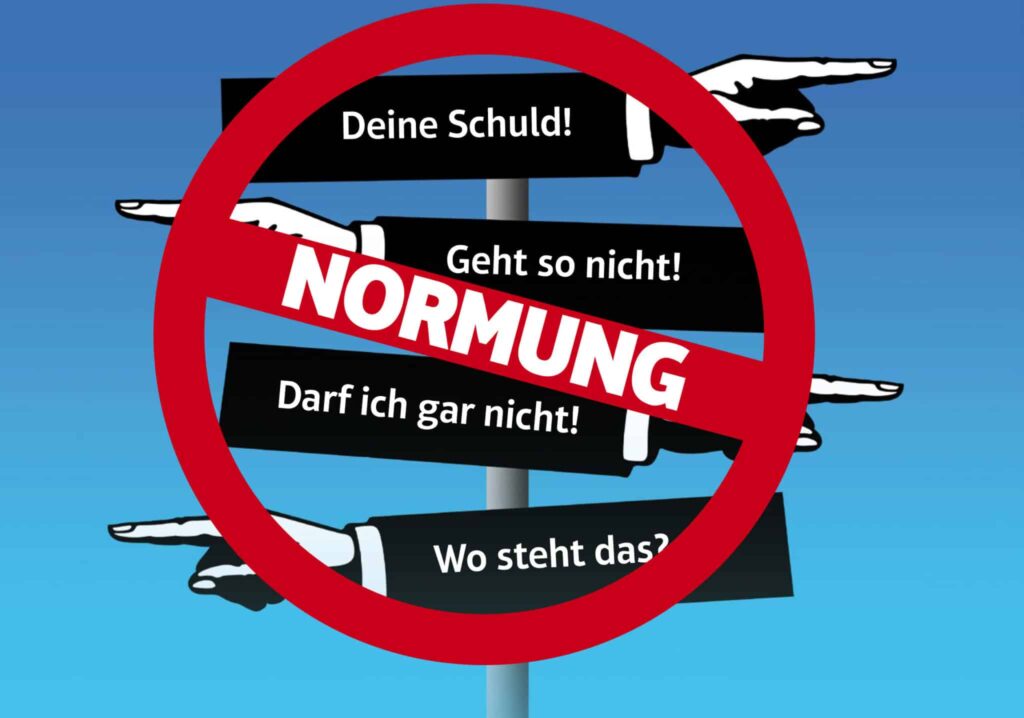
Unlike many professional services, work within standardization bodies such as the German Institute for Standardization (DIN) is largely voluntary and unpaid. Experts from the field contribute their time and knowledge to ensure that regulations remain practical and grounded in the realities of the stage. However, as the veteran cohort of experts retires, there is a growing vacuum in the working groups (Arbeitsgruppen) that draft these rules. The consequence of a lack of industry participation is profound: if the event industry does not write its own rules, external regulators—often with little understanding of the unique pressures of a touring production or a live broadcast—will do it for them.
A Chronology of Technical Evolution: The Case of Voltage Drop
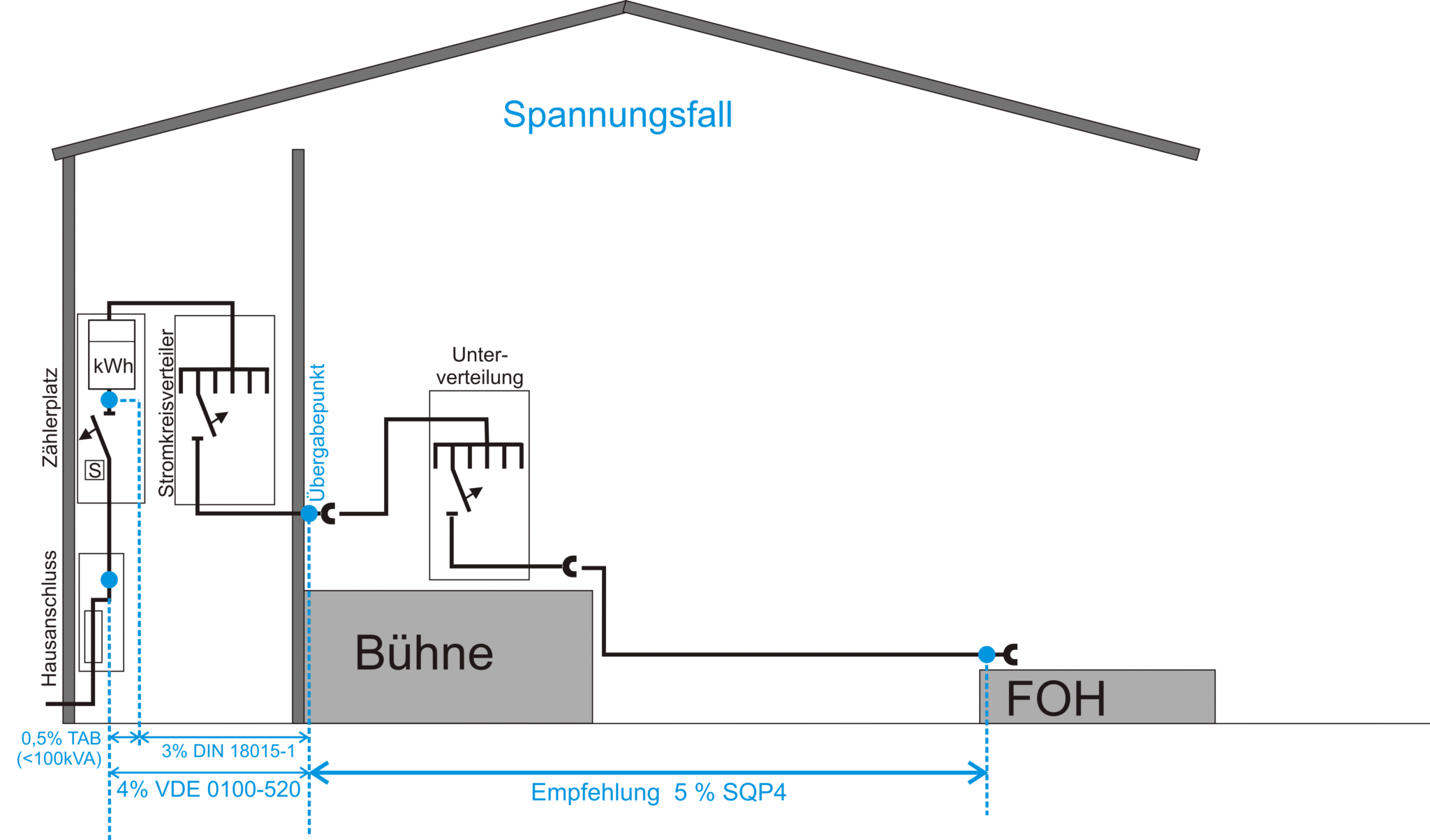
The history of electrical standards in event technology illustrates how industry-specific expertise can correct impractical general rules. For decades, the industry operated under a "3% voltage drop" rule, a figure traditionally applied to permanent household and industrial installations. This 3% limit, measured from the house connection point to the final socket or device terminal, was often cited by electricians who transitioned from general construction to theater and events.
However, the origins of this 3% rule were often misunderstood. While mentioned in various contexts like DIN 18015-1 (for residential buildings) or VDE 0100-520, it did not account for the unique architecture of temporary event power distribution. In large-scale productions, cable runs are often significantly longer, and power is distributed through multiple mobile sub-distribution units.
The shift toward industry-specific standards began with the VPTL (Association of Professional Lighting and Sound Technology) and was later solidified by the IGVW (Integrated Association of the Event Industry). Through the development of the SQ (Standard of Quality) series, specifically SQP4 "Mobile Electrical Systems in Event Technology," the industry defined its own parameters. This standard formally introduced a 5% voltage drop limit for mobile systems, providing a technically sound and legally defensible framework that reflects the reality of temporary infrastructure. This transition from a borrowed 3% rule to a defined 5% industry standard represents a major milestone in the professionalization of the sector.
The Ecodesign Crisis: A Battle for Theatrical Lighting
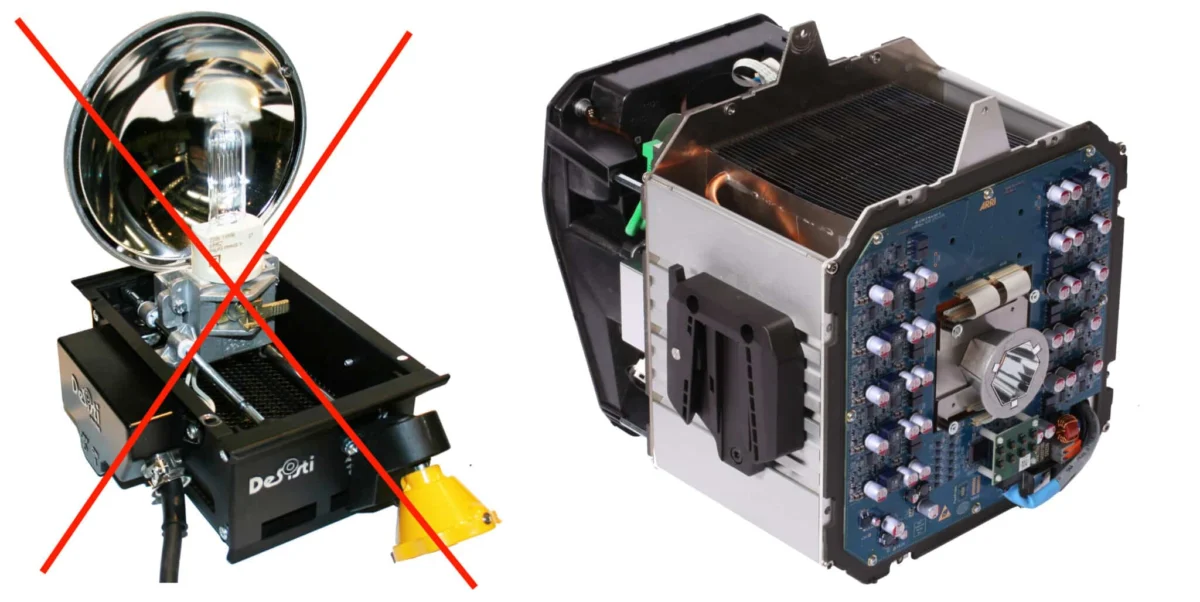
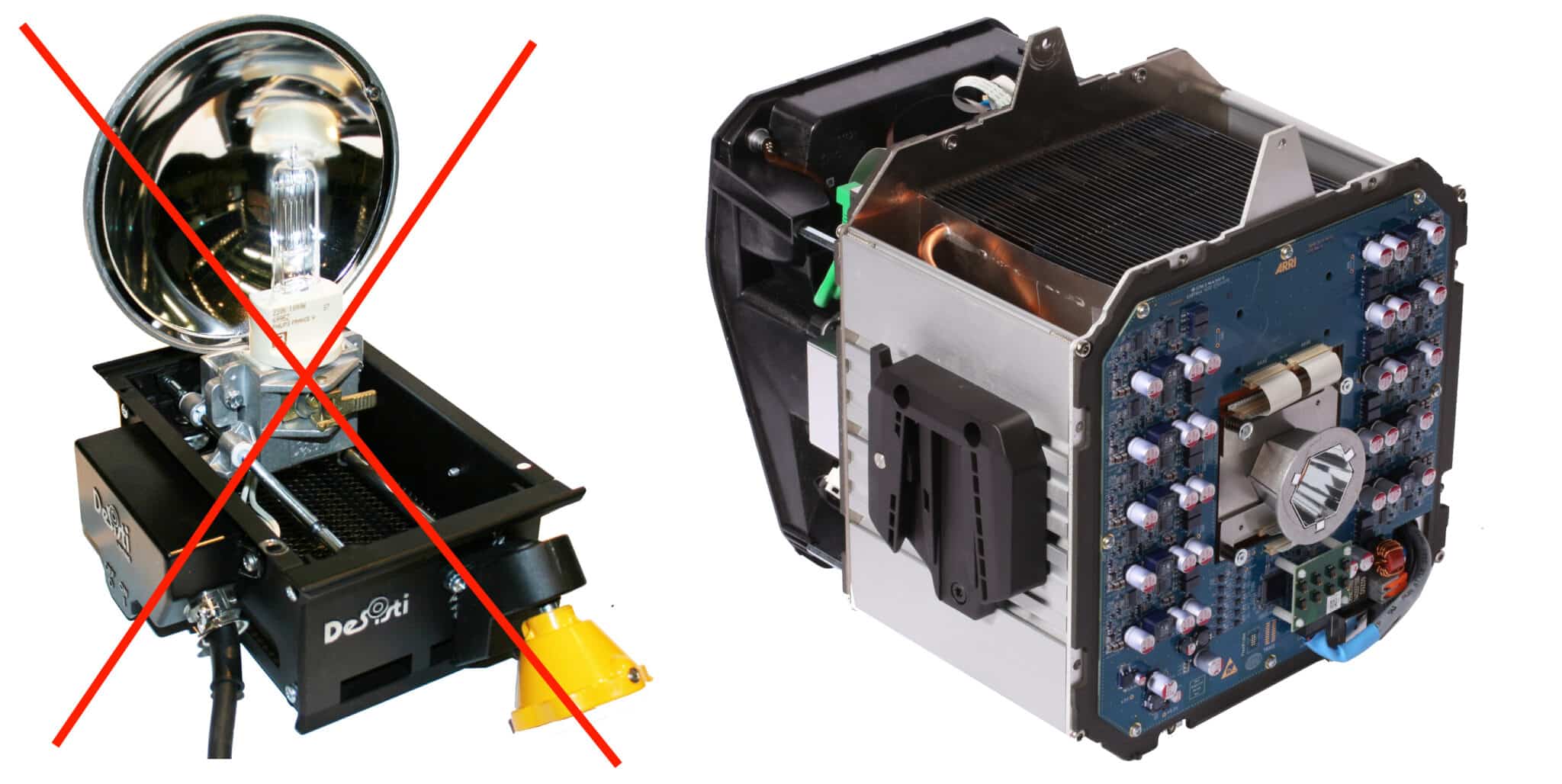
Perhaps the most significant example of the power of industry intervention occurred during the revision of the European Union’s Ecodesign Directive (EU Regulation No. 2019/2020). The directive aimed to phase out inefficient light sources to meet climate goals—a noble objective that, in its initial draft, posed an existential threat to the entertainment industry.
The drafting process was largely influenced by energy consultants focused on consumer goods, such as household LED fixtures and integrated lighting in furniture. Their goal was to close loopholes that allowed manufacturers to bypass energy efficiency requirements. However, the draft failed to recognize the specialized nature of stage lighting, where high color rendering, dimming curves, and specific spectral outputs are essential.
Had the original draft passed without intervention, millions of functional theater spotlights across Europe would have become illegal to operate or maintain, as their specific lamp types would have been banned. It was only through the rapid mobilization of the European Entertainment Ecodesign Coalition—a group of industry bodies—that the EU Commission was alerted to the oversight. Working alongside organizations like the German Federal Environment Agency (Umweltbundesamt), the coalition successfully argued for detailed exemptions. The final regulation now includes specific exceptions for lamp sockets used in stage and studio lighting, certain high-intensity discharge lamps, and color-tunable light sources, ensuring that the transition to LED technology is sustainable rather than destructive.
Resolving the VDE 0100 Conflict: Temporary vs. Permanent Installations
A recurring point of friction in the German event sector involves the application of VDE 0100, the foundational standard for erecting low-voltage installations. For years, a legal and technical gray area existed: should a temporary mobile distribution system for a street festival or a concert tour be treated as a permanent "installation"?
If VDE 0100 were applied strictly, every mobile socket-outlet would theoretically need to be measured and certified by a registered installation company listed in a network operator’s directory before every use. For a touring production that moves to a new city every 24 hours, such a requirement is physically and economically impossible.
The resolution of this conflict highlights the importance of institutional dialogue. Experts like Sascha Rose, acting within the DIN Standardization Committee for Event Technology, Image, and Film (NA 149-00-04 AA), brought this issue to the DKE (German Commission for Electrical, Electronic & Information Technologies). The resulting clarification was a victory for the industry: mobile event systems are categorized as temporary setups, not permanent installations. The DKE officially recognized industry-specific qualifications, such as the SQQ1 "Event Electrician" and the SQP4 standard, as the governing frameworks for these systems. This "knighting" of industry standards by the DKE and VDE provides legal certainty for technicians and organizers alike.
Global Impact and the Role of International Committees
The work performed at the national level often cascades into the international arena. The involvement of German experts in the IEC (International Electrotechnical Commission) has been instrumental in educating global regulators about the scale of modern events. At an IEC meeting in Stockholm, industry representatives presented data on the massive power requirements of events like the Eurovision Song Contest (ESC), where 4,000 Amperes of mobile power are routinely deployed via generators and complex distribution networks.
These presentations challenged the preconceived notions of many international regulators who viewed "temporary power" through the lens of small-scale carnival stands. By demonstrating the professional rigor and technical scale of the event industry, experts have ensured that international standards for mobile generators and high-capacity power distribution remain compatible with the needs of global touring.
Strengthening the Industry Through Active Participation
The governance of standards in Germany is managed through several key associations, each of which plays a vital role in the DIN committees. The VPLT (Association of Media and Event Technology) and the DTHG (German Theater Technical Society) are particularly active, with delegates serving on committees ranging from "Lifting and Moving Loads" (NVBF 4) to "Stages and Directing Areas" (NVBF 5) and "Electrical Systems" (NVBF 6).
Despite the technical and often dry nature of the work, the implications are profoundly practical. As noted by industry veteran Thomas Bardeck, there is a unique satisfaction in seeing "living action arise from the dry text of a norm." Participation in these committees allows companies and individual experts to:
- Prevent Impractical Regulation: Ensuring that new laws do not inadvertently ban essential equipment or mandate impossible workflows.
- Define Safety Parameters: Setting the bar for what constitutes a "safe" production, which protects both the public and the workers.
- Drive Innovation: Creating standards that allow for the interoperability of new technologies, such as networked lighting and automated rigging systems.
- Legal Protection: Providing a "state of the art" (Stand der Technik) reference that serves as a shield in the event of legal disputes.
Conclusion: The Future of the Silent Framework
The event technology industry stands at a crossroads. The standards that govern every cable run, every rigging point, and every light source are only as good as the experts who write them. As the veteran generation of technicians prepares to hand over the reins, the call for new experts to join standardization bodies is becoming urgent.
The transition from "given" rules to "designed" standards has empowered the industry to operate with greater flexibility and safety. However, this progress is fragile. Maintaining the autonomy of the event sector requires a commitment to the "dry" work of committee meetings and draft reviews. By engaging with associations like the VPLT, DTHG, or EVVC, the next generation of technicians can ensure that the rules of the future are written by those who actually stand on the stage, rather than those who only observe it from a distance. The evolution of industry standards is not merely a technical necessity; it is a vital act of self-preservation for the entire event economy.
