

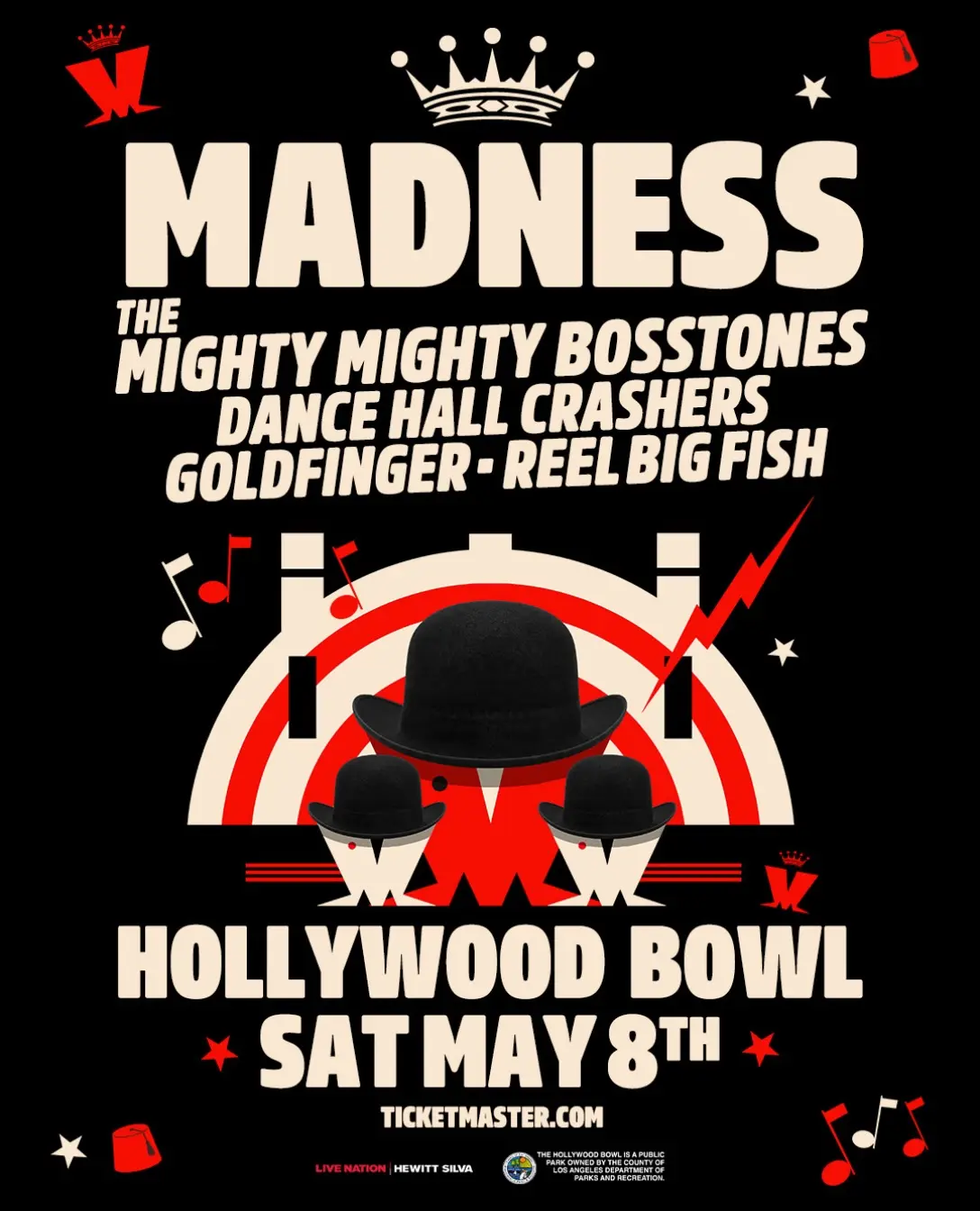
The iconic ska-punk outfit, The Mighty Mighty Bosstones, known for their infectious energy and distinct sound, is set to perform at the Hollywood Bowl in May, a seemingly triumphant return that has, however, ignited a firestorm of controversy. This reunion comes two years after the band’s unceremonious dissolution in 2022, a breakup widely speculated to be linked to frontman Dicky Barrett’s outspoken anti-vaccine activism. The latest development reveals that the impending performance will feature Barrett leading an entirely new lineup, effectively sidelining long-standing original members, a move underscored by Barrett’s pending trademark application for the band’s name.
A Legacy Forged in Brass and Punk Rock
The Mighty Mighty Bosstones emerged from Boston’s vibrant music scene in the early 1980s, carving a unique niche with their fusion of traditional ska, punk rock, and a distinctive visual style characterized by sharp suits and an undeniable stage presence. Their sound, often dubbed "ska-core," blended aggressive punk guitar riffs and drums with a dynamic horn section, setting them apart in an evolving alternative music landscape. Throughout the 1980s and early 1990s, the band cultivated a dedicated following through relentless touring and a series of independent releases, building a reputation for electrifying live performances.
Their career reached its commercial zenith in the late 1990s, particularly with the release of their fifth studio album, Let’s Face It, in 1997. Propelled by the breakout single "The Impression That I Get," which dominated alternative radio and MTV, the album achieved platinum status and solidified their position as mainstream darlings while retaining their punk rock credibility. The track became a quintessential anthem of the era, showcasing their signature blend of catchy melodies, driving rhythms, and Barrett’s distinctive gravelly vocals. This period saw them touring extensively, participating in major festivals like Vans Warped Tour, and appearing in popular culture, including a memorable cameo in the film Clueless. They continued to release albums and tour well into the 21st century, demonstrating remarkable longevity for a band of their genre. Their commitment to their unique sound and tireless work ethic earned them a revered status among fans and critics alike, making their sudden breakup in 2022 all the more surprising and disheartening.
The Unexplained Hiatus and the Shadow of Controversy
On January 27, 2022, The Mighty Mighty Bosstones announced their breakup via a concise statement on their website, declaring, "After decades of brotherhood, touring the world and making great records together, we have decided to no longer continue as a band. Above all, we want to express our sincere gratitude to every single one of you who have supported us. We could not have done any of it without you." The statement offered no specific reasons for the split, leaving fans and the music industry to speculate.
However, the prevailing sentiment quickly coalesced around the public actions and increasingly prominent anti-vaccine stance of frontman Dicky Barrett. The timing of the breakup coincided with the height of public health debates surrounding the COVID-19 pandemic, vaccine mandates, and widespread societal polarization. In the absence of an official explanation, the narrative that Barrett’s controversial views had become irreconcilable with the band’s collective identity gained significant traction. This speculation was fueled by Barrett’s increasingly visible role in anti-vaccine movements, a position that diverged sharply from the generally progressive and inclusive ethos often associated with ska and punk subcultures.
Dicky Barrett’s Public Stance and Professional Repercussions
Prior to the Bosstones’ breakup, Dicky Barrett had already become a vocal proponent of anti-vaccine narratives. His activism extended beyond social media posts or casual commentary, manifesting in direct collaborations with prominent figures in the anti-vaccine movement. Notably, Barrett co-wrote a song with Robert F. Kennedy, Jr., a figure at the forefront of vaccine skepticism, to promote one of Kennedy’s anti-vaccine rallies in Washington D.C. This collaboration placed Barrett firmly in the public eye as an all-around vaccine denier, associating his public persona directly with a controversial and widely debunked health movement.
The implications of Barrett’s stance were not confined to his musical endeavors. For over two decades, Barrett had held a steady and recognizable job as the announcer for the late-night talk show Jimmy Kimmel Live!, lending his distinctive voice to the program’s opening credits and various segments. This long-standing professional relationship came to an abrupt end in 2021, with Barrett reportedly being let go from the show due to his refusal to comply with Disney’s (the parent company of ABC, which airs Jimmy Kimmel Live!) vaccine mandate for employees. This professional setback underscored the tangible consequences of his public health positions, demonstrating how personal beliefs, when publicly espoused and acted upon, could impact established career paths.
Further illuminating his perspective on the band’s dissolution, Barrett provided rare commentary in a 2022 interview with fellow anti-vaccine advocate Joseph Arthur on TNT Radio. This online radio network gained notoriety for its dedication to pandemic skepticism and promotion of "covid-19 malfeasance" narratives, aligning perfectly with Barrett’s views. During the interview, Barrett cryptically addressed the end of The Mighty Mighty Bosstones, stating, "They were uncomfortable, and it ended up the way it ended up. Whatever happened is whatever happened." He further cemented his alignment with pandemic skepticism by agreeing with Arthur’s assertion that the vaccine was part of "some kind of nefarious agenda of control." These statements, while not a direct admission, strongly implied that the internal discomfort among band members regarding his public stance was a significant, if not primary, factor in their decision to disband.
The Defiant: A New Chapter with a Familiar Message
Following the dissolution of The Mighty Mighty Bosstones and his departure from Jimmy Kimmel Live!, Dicky Barrett did not retreat from the music scene. Instead, he channeled his energy into a new project, forming a band called The Defiant. This new group quickly garnered attention due to its lineup, which reportedly included other musicians who had also been removed or departed from prominent punk bands under similar circumstances, seemingly due to their own anti-vaccine or pandemic-skeptical views. This formation suggested a deliberate assembly of like-minded individuals, creating a platform where Barrett could continue expressing his views without the potential internal conflicts that reportedly plagued the Bosstones. The Defiant’s existence reinforced the notion that Barrett was committed to his convictions, even if it meant forging new musical paths with a different set of collaborators.
The Road to Reunion: Hollywood Bowl and a Transformed Lineup
The first public hint of a potential return for The Mighty Mighty Bosstones, albeit in a modified form, came approximately a year ago. Barrett made an appearance with the Boston hardcore band Haywire, joining them onstage to perform a Bosstones cover. This impromptu performance sparked whispers and excitement among fans, suggesting that Barrett might be contemplating a return to his musical roots. In recent months, these whispers solidified into concrete plans, with Barrett reportedly expressing intentions to "get the band back together."
These intentions have now materialized in a high-profile announcement: The Mighty Mighty Bosstones are slated to perform at the iconic Hollywood Bowl next spring. The May 8th concert is a significant event, featuring British second-wave ska legends Madness as headliners, supported by a stellar lineup of beloved 1990s ska-punk bands including Dance Hall Crashers, Goldfinger, and Reel Big Fish. This grouping places the Bosstones squarely back into a nostalgic and highly anticipated festival setting, promising a celebration of the genre that they helped popularize. For many fans, the prospect of seeing the Bosstones share a stage with these influential peers was initially a cause for immense excitement, signaling a potential revival of the classic ska-punk energy.
The Lineup Controversy: A "Hostile Takeover"?
However, the initial euphoria surrounding the Hollywood Bowl announcement quickly gave way to confusion and dismay as details emerged regarding the actual lineup of "The Mighty Mighty Bosstones" performing at the event. It was revealed that this iteration of the band would consist solely of Dicky Barrett, backed by an entirely new ensemble of musicians, effectively excluding the majority of the long-standing, original Bosstones members.
This revelation was brought to light by Sammy Kay, frontman of Sammy Kay And The Fast Four and a former touring member of The Pietasters, who also shared a musical connection with Bosstones bassist Joe Gittleman through their band, The Kilograms. In a poignant Instagram post, Kay articulated his deep disappointment and concern, writing, "Let’s face it. No fiddleman. No Joe the kid. No Vegas, no Nate Albert. No Chris Rhodes. Just a hostile takeover for a buck. #sosadtosay." Kay’s statement specifically named key original members who would be absent: Joe Gittleman (bass), Joe Sirois (drums), Tim "Johnny Vegas" Burton (tenor saxophone), Chris Rhodes (trombone), and original guitarist Nate Albert. These individuals were instrumental in defining the Bosstones’ sound and stage presence for decades, making their exclusion a significant point of contention.
The term "hostile takeover" used by Kay suggests a profound disagreement or lack of communication regarding the use of the band’s name. It implies that Barrett’s decision to perform as The Mighty Mighty Bosstones with a new lineup was made without the consent or involvement of his former bandmates, transforming what could have been a collective reunion into a singular effort under the established brand. This has led to considerable debate among fans about the authenticity and integrity of this "reunion," with many questioning whether a band can truly be considered "The Mighty Mighty Bosstones" without its core, defining members.
Legal Dimensions: The Trademarking of a Legacy
Adding another layer of complexity and potential conflict to the situation, it has been confirmed that Dicky Barrett has a pending trademark application for "The Mighty Mighty Bosstones" name. Filed as of October 9, the trademark application is a critical legal maneuver that could grant Barrett exclusive rights to use the band’s name for commercial purposes, including performances, merchandise, and recordings.
Trademarking a band name after a breakup, particularly when original members are excluded from a subsequent "reunion," is a legally fraught and ethically controversial practice. While the legal specifics would depend on previous agreements, if any, between the original members regarding intellectual property, a successful trademark application by Barrett could effectively prevent his former bandmates from ever performing or recording under The Mighty Mighty Bosstones name, or even a similar derivative, without his permission. This action transforms the dispute from a personal disagreement into a matter of legal ownership over a shared creative legacy. It suggests a strategic move by Barrett to secure control over the band’s identity, further fueling the perception of a deliberate exclusion of his long-time collaborators. The outcome of this trademark application will have significant implications for the future of the band’s name and the rights of its original members.
Broader Implications for Band Legacy and Fan Reception
The unfolding narrative surrounding The Mighty Mighty Bosstones’ "reunion" carries profound implications for the band’s legacy, fan reception, and the broader music industry’s discussion about artistic integrity versus personal beliefs. For a band that cultivated a reputation for camaraderie and a distinctive, communal stage presence, the absence of core members fundamentally alters the experience for many long-time fans. The "hostile takeover" sentiment articulated by Sammy Kay resonates with a segment of the fanbase who feel that the spirit of the band cannot be replicated with a new lineup, regardless of the musical proficiency of the substitute musicians.
The controversy also forces fans to grapple with the dissonance between the music they love and the public stances of an artist. Dicky Barrett’s unwavering commitment to anti-vaccine views, which reportedly led to the original breakup, now casts a shadow over this new iteration of the band. For some, the opportunity to hear Bosstones songs live, even with a new lineup, might outweigh the concerns about Barrett’s politics or the exclusion of original members. For others, however, the integrity of the band’s legacy and the principles involved in the breakup and subsequent trademarking will be insurmountable barriers to enjoyment. This situation highlights the growing challenge for artists and their audiences in an era where personal and political beliefs are increasingly intertwined with public personas and artistic output.
The Hollywood Bowl performance, set against this backdrop of controversy, will be a significant moment. It will test the loyalty of the fanbase, the resilience of the Bosstones’ brand, and the public’s willingness to separate the art from the artist, or, in this case, the band’s history from its current iteration. The event serves as a stark reminder that even after a band’s official dissolution, the complex dynamics of ownership, legacy, and personal conviction can continue to play out in the public arena, reshaping narratives and redefining what it means to be "the band." Whether this new chapter can recapture the magic and unity that defined The Mighty Mighty Bosstones for decades remains to be seen, but it will undoubtedly be under intense scrutiny.
