

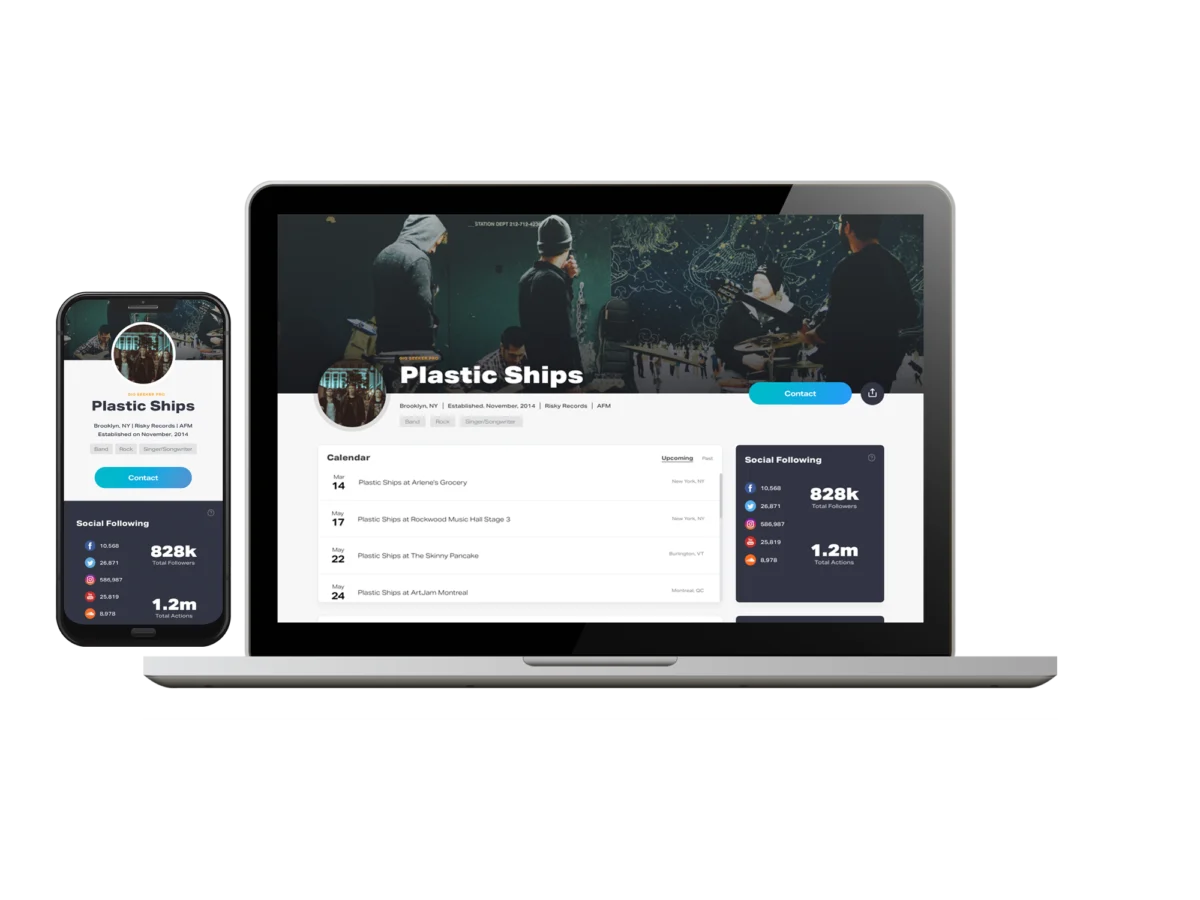
The Electronic Press Kit (EPK) has transitioned from a supplementary promotional tool to an absolute prerequisite for professional engagement within the global music industry. As the digital music ecosystem becomes increasingly saturated—with over 100,000 tracks uploaded to streaming platforms daily—the ability for an independent artist to present a cohesive, professional, and easily digestible narrative has become the primary differentiator between hobbyists and career professionals. An EPK serves as a centralized digital hub, a professional resume, and a brand portfolio that allows booking agents, festival curators, journalists, and label executives to assess an artist’s viability within a matter of seconds.
The Historical Transition: From Physical Folders to Digital Hubs
The concept of the press kit originated in the mid-20th century, primarily as a physical folder containing an 8×10 glossy photograph, a typed biography, a vinyl record or cassette tape, and photocopies of newspaper clippings. Throughout the 1980s and 1990s, these kits were mailed at significant expense to radio stations and record labels. However, the labor-intensive nature of physical distribution created a high barrier to entry for independent artists.
The year 2001 marked a pivotal shift in this trajectory with the emergence of digital standards and platforms like Sonicbids, which formalized the "Electronic Press Kit." This transition moved the industry away from physical clutter and toward a streamlined, cloud-based model. By the mid-2010s, the integration of streaming data, social media metrics, and high-definition video transformed the EPK from a static document into a dynamic, real-time reflection of an artist’s career momentum. Today, the EPK is an interactive experience, often serving as the first point of contact between an artist’s creative output and the industry’s gatekeepers.
Structural Components of a Professional EPK
A modern, high-functioning EPK is defined by its ability to provide comprehensive information without overwhelming the recipient. Industry standards dictate several core components that must be present to ensure a kit is taken seriously by professionals:
- The Professional Biography: This is typically divided into three formats: a "pitch" or "elevator" bio (one sentence), a short bio (one paragraph), and a long-form bio. These narratives provide the context of the artist’s journey, their genre-bending influences, and their unique value proposition.
- High-Resolution Visual Assets: Professionalism is often judged by visual quality before a single note of music is heard. This includes promotional photos (both landscape and portrait), album artwork, and high-definition "live-in-studio" or concert videos.
- Curated Music Selection: Rather than providing a link to an entire discography, a successful EPK features two or three "focus tracks." These are the songs that best represent the artist’s current sound and commercial potential.
- Social Proof and Press Coverage: This section includes pull-quotes from reputable music journals, blogs, or notable figures in the industry. It serves as external validation of the artist’s talent.
- Tour History and Live Statistics: For booking agents, data regarding past venues, ticket sales, and audience demographics is essential for assessing the financial viability of a performance.
- Technical Riders and Contact Information: A professional kit often includes a stage plot and input list, ensuring that venue engineers understand the artist’s technical requirements before a contract is even signed.
Data-Driven Impact: Why Professionals Demand Standardization
The demand for EPKs is driven by the sheer volume of submissions received by industry professionals. A talent buyer for a mid-sized music festival may receive upwards of 500 inquiries per week. In this high-pressure environment, the "six-second rule"—a concept borrowed from corporate recruitment—applies. If a curator cannot find an artist’s music, photos, and stats within six seconds of opening an email, the submission is likely to be discarded.
Data from industry surveys suggests that 85% of festival programmers and booking agents prefer a single-link EPK over emails with multiple attachments. Attachments not only clog professional inboxes but also pose security risks, leading many corporate servers to automatically divert such emails to spam folders. Furthermore, a centralized EPK allows artists to track engagement. Advanced platforms provide analytics that show who viewed the kit, which tracks were played, and which photos were downloaded, providing artists with actionable data for their follow-up communications.
Enhancing Credibility in a Competitive Market
The psychological impact of a professional presentation cannot be overstated. In the independent music sector, credibility acts as a currency. When an artist presents a polished EPK, they signal to the industry that they possess an understanding of professional standards and a commitment to their business operations.
This credibility is further bolstered by the inclusion of "social proof." In a journalistic context, social proof refers to the endorsements and reviews that validate an artist’s claims. If a reputable outlet like Pitchfork, Rolling Stone, or even a respected niche blog provides a positive review, that quote becomes a cornerstone of the artist’s EPK. For emerging artists without major press, testimonials from venue owners or prominent local musicians serve a similar purpose. The presence of these endorsements distinguishes an artist from the millions of casual creators who may have talent but lack the professional infrastructure to support it.
Streamlining Global Communication and Accessibility
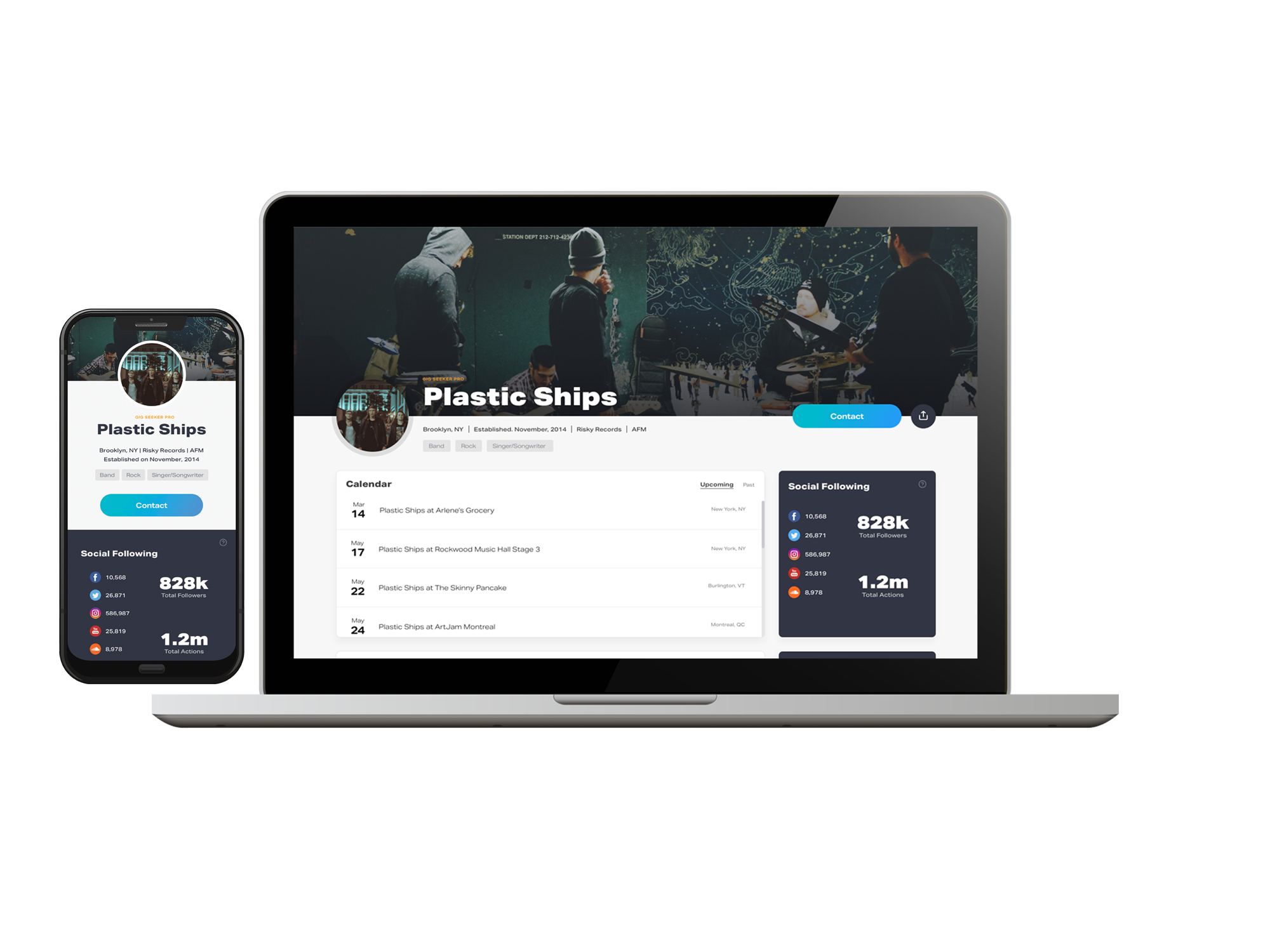
The digital nature of the EPK eliminates geographical barriers. An indie artist based in Seattle can seamlessly pitch to a festival in Berlin or a label in London without the logistical hurdles of international shipping or time-zone-restricted phone calls. The EPK acts as a 24/7 digital storefront.
Accessibility also extends to the technical format. A well-constructed EPK is mobile-responsive, recognizing that many industry professionals review submissions on smartphones while traveling or during live events. By providing a link that functions perfectly across all devices, artists ensure that their work is accessible at the exact moment a professional is ready to view it. This ease of access significantly increases the "conversion rate" of a pitch—the likelihood that a cold outreach email will result in a booking or a media feature.
The Iterative Nature of the Modern Press Kit
Unlike the static physical kits of the past, the modern EPK is a living document. The music industry operates on a cycle of "momentum," and an EPK must reflect the artist’s most recent achievements to remain effective. This iterative process is crucial for long-term growth.
For instance, if an artist’s new single goes viral on a social media platform or receives significant airplay on a college radio station, the EPK must be updated within 24 hours to capitalize on that spike in interest. Similarly, as an artist moves from playing 100-capacity rooms to 500-capacity venues, their tour history and technical rider must evolve. This constant state of refinement demonstrates to potential partners that the artist is on an upward trajectory, making them a more attractive "investment" for labels and promoters.
Industry Perspectives and Official Reactions
Leading figures in the talent acquisition space have frequently emphasized the necessity of streamlined communication. "We don’t have the luxury of time to search for an artist’s biography or look for a high-res photo on their Instagram," says one veteran talent buyer for a major North American music festival. "If all the assets aren’t in one place—specifically an EPK—we move on to the next artist who is prepared. Preparation is as important as the music itself."
Publicists also note that the EPK is the foundation of any successful PR campaign. Without a centralized hub of assets, a publicist cannot effectively pitch to major media outlets. The consensus among industry veterans is that the EPK is not merely a "bonus" for an artist but the very bedrock upon which a professional career is built.
Broader Implications and Future Outlook
The rise of the EPK reflects a broader trend in the music industry: the "democratization of professionalism." Tools that were once reserved for artists signed to major labels are now available to any independent creator with a modest budget and a strategic mindset. This shift has leveled the playing field, allowing the most organized and business-savvy artists to compete for high-level opportunities.
Looking toward the future, the EPK is expected to integrate even more deeply with Artificial Intelligence and Big Data. Future iterations may include AI-generated "fit scores" that match artists with festivals based on audience overlap data, or real-time streaming widgets that update listener counts every hour. As the industry continues to move toward a data-centric model, the EPK will remain the primary vehicle for translating an artist’s creative output into a language that the business world understands.
In conclusion, the Electronic Press Kit is the most vital asset in an independent artist’s arsenal. It functions as a bridge between the raw creativity of the studio and the pragmatic requirements of the marketplace. By centralizing information, simplifying communication, and projecting a high degree of professional credibility, the EPK enables artists to navigate the complexities of the modern music industry with precision. For any artist serious about transitioning from a local act to a global presence, the creation and maintenance of a high-quality EPK is not just a recommendation—it is a strategic imperative.
