

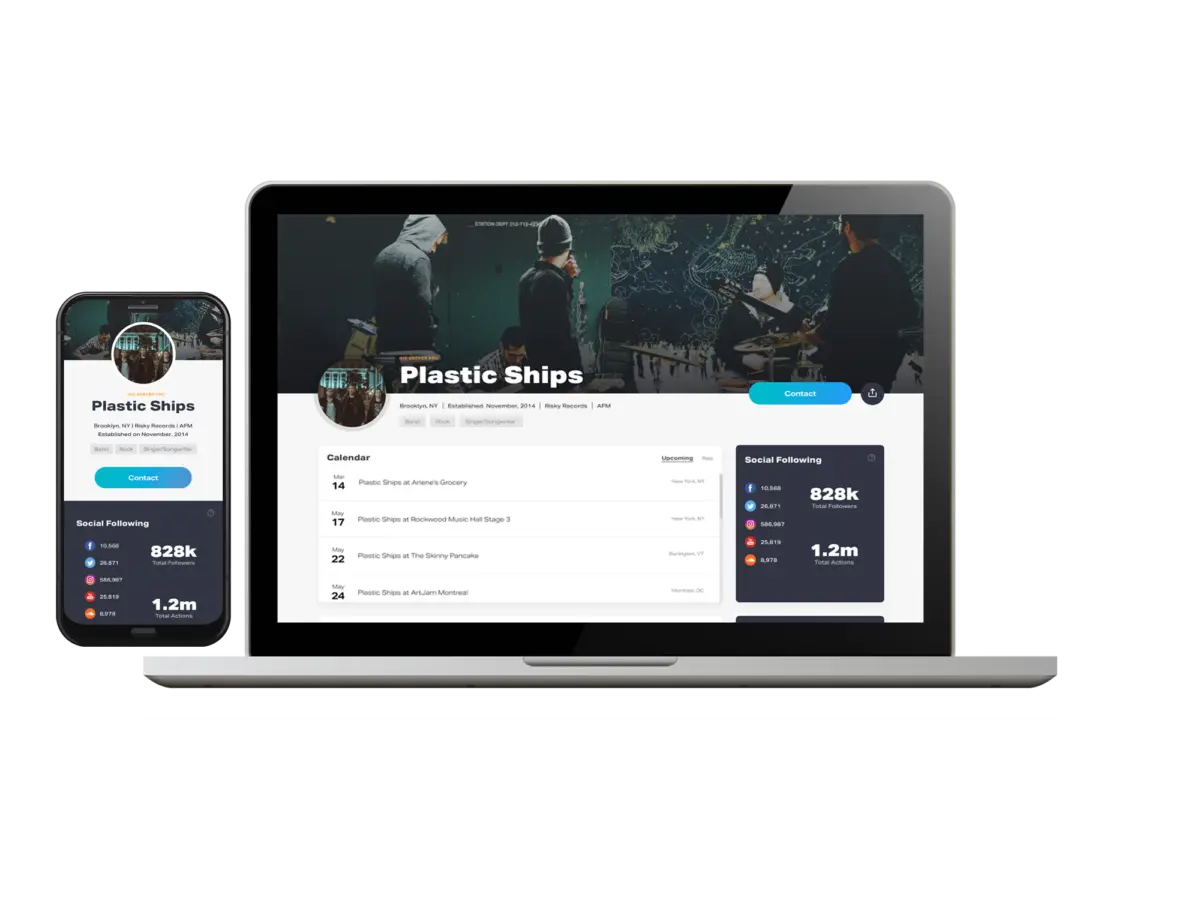
The global music landscape has undergone a radical transformation over the last two decades, shifting from a centralized, label-dominated hierarchy to a decentralized digital ecosystem where independent artists now represent one of the fastest-growing sectors of the market. In this saturated environment, where streaming platforms receive upwards of 100,000 new track uploads daily, the Electronic Press Kit (EPK) has emerged as a fundamental business asset for artists seeking to navigate the professional spheres of talent buying, media relations, and label representation. Once a physical folder containing glossy photographs and compact discs, the contemporary EPK is a sophisticated digital resume designed to streamline the vetting process for industry gatekeepers. As the "noise floor" of the industry rises, the ability to present a concise, professional, and data-driven narrative has become the primary differentiator between hobbyist musicians and career-oriented professionals.
The Historical Transition from Physical to Digital Media Kits
To understand the current importance of the EPK, one must examine the historical trajectory of music promotion. During the 1980s and 1990s, "press kits" were physical entities. Artists and their management teams would assemble folders containing a printed biography, a 8×10 black-and-white promotional photograph, a cassette tape or CD, and a "one-sheet" summarizing their achievements. These kits were expensive to produce and even more costly to distribute via traditional mail services. The barrier to entry was high, effectively limiting professional outreach to artists with significant financial backing.
The year 2001 marked a pivotal shift in this paradigm with the launch of platforms like Sonicbids, which standardized the digital format. This transition allowed independent artists to bypass the logistical hurdles of physical mailers. By the mid-2010s, the industry had moved almost entirely to cloud-based solutions. Today, the EPK is no longer just a digital version of a physical folder; it is a dynamic, interactive hub that integrates streaming data, high-definition video, social media metrics, and real-time tour schedules. This evolution has democratized access to industry professionals, though it has simultaneously increased the competition for their limited attention.
The Core Components of a High-Impact Electronic Press Kit
A professional EPK serves as a comprehensive "one-stop-shop" for anyone looking to hire, interview, or sign an artist. According to industry standards, an effective kit must contain several key elements, each serving a specific strategic purpose.
First, the biography must be segmented into multiple formats: a "Twitter-style" one-sentence pitch, a short paragraph for social media blurbs, and a full-length narrative for journalists. This ensures that the recipient can find the appropriate level of detail without unnecessary searching. Second, high-resolution promotional imagery is essential. These photos must be available in both landscape and portrait orientations to accommodate different web and print layouts, and they must be cleared for editorial use.
Third, the inclusion of high-quality audio and video is non-negotiable. Rather than providing links to external platforms that may require logins or subscriptions, a professional EPK often embeds players that allow for immediate listening. Furthermore, a "live" video component is frequently cited by talent buyers as the most critical element for booking. A study of festival talent buyers indicates that nearly 85% will not consider an indie act without seeing a high-quality video of a live performance, as it serves as proof of the artist’s ability to draw and entertain a crowd.
Data-Driven Credibility and the Role of Social Proof
In the modern music business, qualitative descriptions of music are increasingly supplemented by quantitative data. The contemporary EPK must act as a data dashboard. Independent artists who can demonstrate "social proof"—the phenomenon where high engagement metrics validate an artist’s marketability—are significantly more likely to secure professional opportunities.
Relevant data points often included in high-performing EPKs include:
- Streaming milestones (e.g., "Over 100,000 monthly listeners on Spotify").
- Social media engagement rates, which are often viewed as more important than raw follower counts.
- Previous "wins," such as placements on influential editorial playlists or sync licensing in film and television.
- Geographic data showing where an artist’s fanbase is concentrated, which is vital for booking agents planning regional tours.
By presenting these metrics upfront, artists reduce the "due diligence" time required by a label or promoter. This transparency builds immediate credibility, signaling that the artist understands the business side of the industry and is prepared for a professional partnership.
Streamlining Industry Workflows: The Gatekeeper’s Perspective
The necessity of the EPK is perhaps best understood from the perspective of the industry professional. A mid-sized talent buyer for a 500-capacity venue may receive between 200 and 500 booking inquiries per week. Similarly, music journalists at major publications are inundated with hundreds of pitches daily. In such a high-volume environment, efficiency is the primary concern.
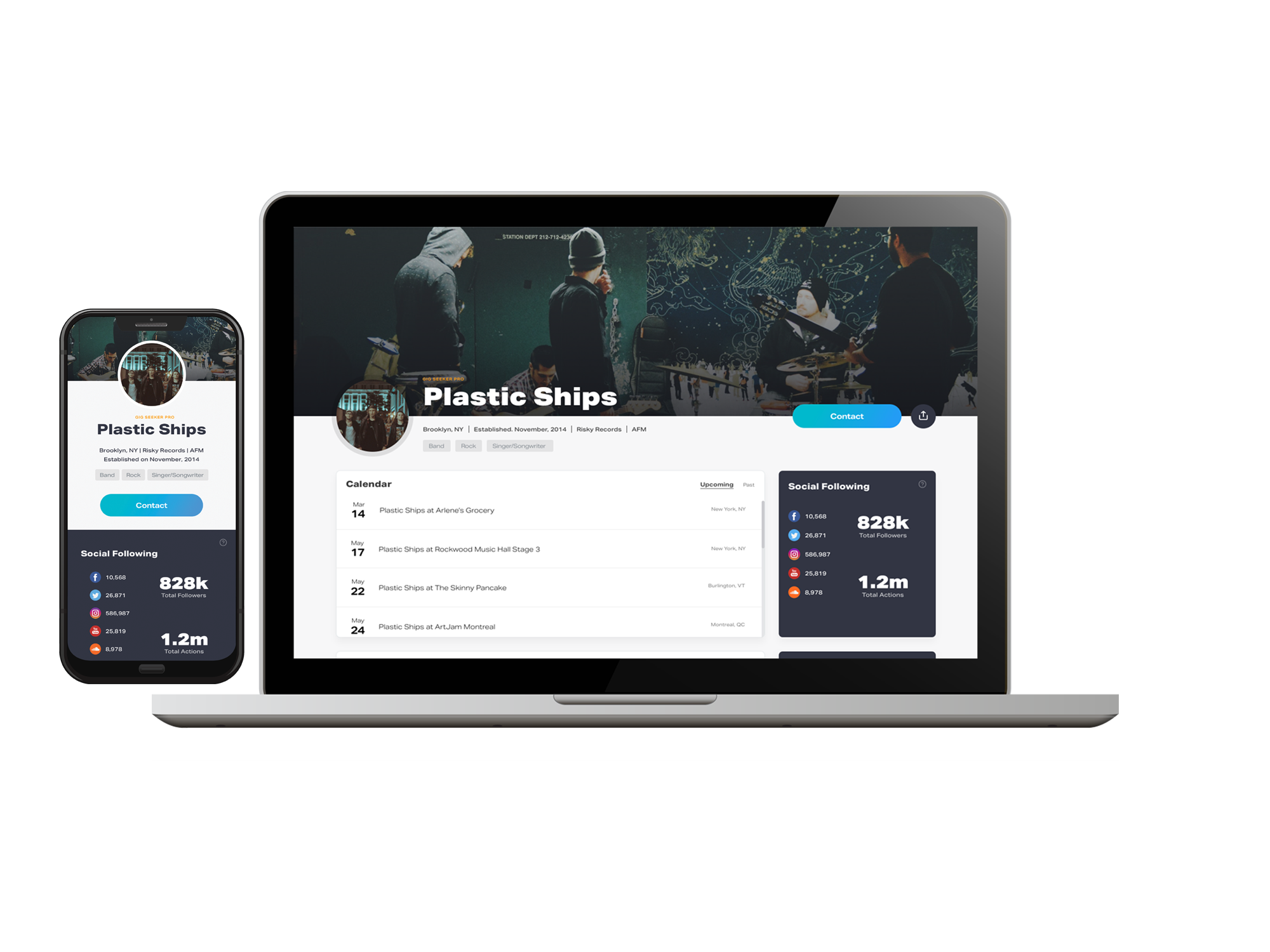
Professional outreach that relies on multiple links to various platforms—SoundCloud for audio, Instagram for photos, YouTube for video—is often discarded immediately. Industry professionals prefer a single URL that contains all necessary assets. An EPK provides this centralized access, allowing a promoter to review an artist’s entire "package" in under two minutes. This streamlined communication respects the time of the professional and increases the statistical probability of the artist being considered.
Furthermore, the EPK facilitates "unsolicited discovery." If a booking agent is looking for a support act for a touring headliner on short notice, they will often turn to their archives of submitted EPKs. Having a searchable, professional kit available ensures that an artist remains in the consideration set even after the initial outreach has concluded.
Technical Infrastructure and Global Accessibility
One of the most significant advantages of the modern EPK is its accessibility across time zones and devices. The music industry is a 24-hour global operation. A talent scout in London may be reviewing the materials of an artist in Los Angeles while the artist is asleep. A cloud-based EPK ensures that the artist’s "pitch" is always active.
Moreover, the mobile-first nature of the modern workforce means that EPKs must be optimized for smartphones. A 2023 industry survey suggested that over 60% of music professionals review new submissions on mobile devices during commutes or between meetings. EPK platforms that provide responsive design—ensuring that videos play and text remains legible on small screens—offer a distinct competitive advantage over artists who send large, unoptimized PDF attachments that can clog email inboxes or fail to load.
The Living Document: Iterative Growth and Career Milestones
Unlike a traditional resume, which may remain static for years, an EPK is a "living document." The lifecycle of an independent artist involves constant evolution: new singles are released, tour dates are completed, and press mentions are accumulated. A critical function of the EPK is its ability to reflect this real-time growth.
For instance, if an artist receives a positive review from a reputable outlet like Pitchfork or Rolling Stone, that quote should be featured prominently within hours. If a song goes viral on a platform like TikTok, the resulting spike in streaming data should be integrated into the kit immediately. This iterative process demonstrates to industry professionals that the artist has "momentum." In the venture-capital-style logic of the modern music industry, momentum is often more valuable than talent alone. A regularly updated EPK shows that the artist is an active participant in their own career trajectory, which reduces the perceived risk for potential investors, labels, or sponsors.
Broader Implications for the Independent Sector
The widespread adoption of EPKs has broader implications for the power dynamics of the music industry. By professionalizing the presentation of independent music, these tools have lowered the barriers to entry for artists from marginalized backgrounds or remote geographic locations. An artist in a small town with a well-crafted EPK can, in theory, present themselves with the same level of professionalism as an artist signed to a major label in New York or Nashville.
However, this democratization also means that the "minimum viable product" for an artist has increased. It is no longer enough to have good music; one must also possess the digital infrastructure to market that music effectively. This has led to the rise of the "artist-entrepreneur," a figure who balances creative output with administrative and marketing proficiency. The EPK is the primary tool of this new class of musician.
Conclusion and Future Outlook
As the music industry continues to integrate artificial intelligence and advanced analytics into its scouting processes, the role of the EPK is likely to expand. Future iterations may include AI-generated summaries of an artist’s "vibe" or automated sentiment analysis of their press coverage. Regardless of the technology, the underlying principle remains the same: the EPK is a bridge between the creative world of the artist and the commercial world of the industry.
In conclusion, the Electronic Press Kit is not merely a convenience; it is a strategic necessity. It serves as a concise representation of artistry, a tool for simplified communication, a badge of credibility, and a platform for continuous growth. For the independent artist, the EPK is the most effective way to ensure that when an opportunity arises, they are prepared to meet it with professional rigor. As the industry moves further into the digital age, those who master the art of the digital presentation will be the ones best positioned to navigate the complexities of a global music career. Organizations like Sonicbids continue to provide the framework for this essential interaction, reinforcing the EPK’s status as the industry standard for professional music promotion.
