

The decade of the 1990s is often categorized by the seismic shift in the musical landscape brought about by the emergence of grunge and alternative rock; however, it also served as a pivotal era for the refinement of the arena rock anthem. While the 1970s and 1980s established the template for stadium-sized soundscapes, the 1990s introduced a layer of grit, emotional complexity, and cinematic production that allowed certain tracks to transcend their initial release and remain permanent fixtures in global popular culture. Three specific tracks—AC/DC’s “Thunderstruck,” Aerosmith’s “I Don’t Want to Miss a Thing,” and the Foo Fighters’ “My Hero”—represent the pinnacle of this evolution. These songs did not merely top the charts during their respective releases; they became structural pillars of the modern rock canon, utilized across sports, film, and live performance to evoke a specific, monumental scale of human emotion and energy.
The Architectural Precision of AC/DC’s Thunderstruck
Released in September 1990 as the lead single from the album The Razors Edge, “Thunderstruck” signaled a massive commercial resurgence for the Australian hard rock band AC/DC. After a period in the mid-to-late 1980s where the band’s commercial dominance seemed to be waning, “Thunderstruck” reaffirmed their status as the premier architects of high-voltage rock. The song is built upon a singular, relentless guitar riff composed by Angus Young, utilizing a hammer-on and pull-off technique on an open string that creates a percussive, cyclical wall of sound.
The production, handled by Bruce Fairbairn, emphasized a "stadium-ready" aesthetic. The vocal arrangement, featuring a chanting "Thunder!" response, was designed specifically for crowd participation. From a data perspective, the track’s longevity is staggering. As of 2024, the official music video for “Thunderstruck” has surpassed 1.4 billion views on YouTube, a rare feat for a rock song released before the digital age. Furthermore, the song has been certified Diamond in several territories and remains one of the most-played tracks in professional sports history.
The song’s chronology is also significant. Arriving at the very dawn of the 1990s, it bridged the gap between the hair metal excesses of the 1980s and the more stripped-down rock of the 1990s by focusing on pure, unadulterated power rather than aesthetic fluff. Lead guitarist Angus Young later noted in interviews that the song began with a small trick he played on the guitar, which eventually grew into a composition that even the band realized felt "massive" during the recording sessions at Little Mountain Sound Studios in Vancouver.
Aerosmith and the Cinematic Power Ballad
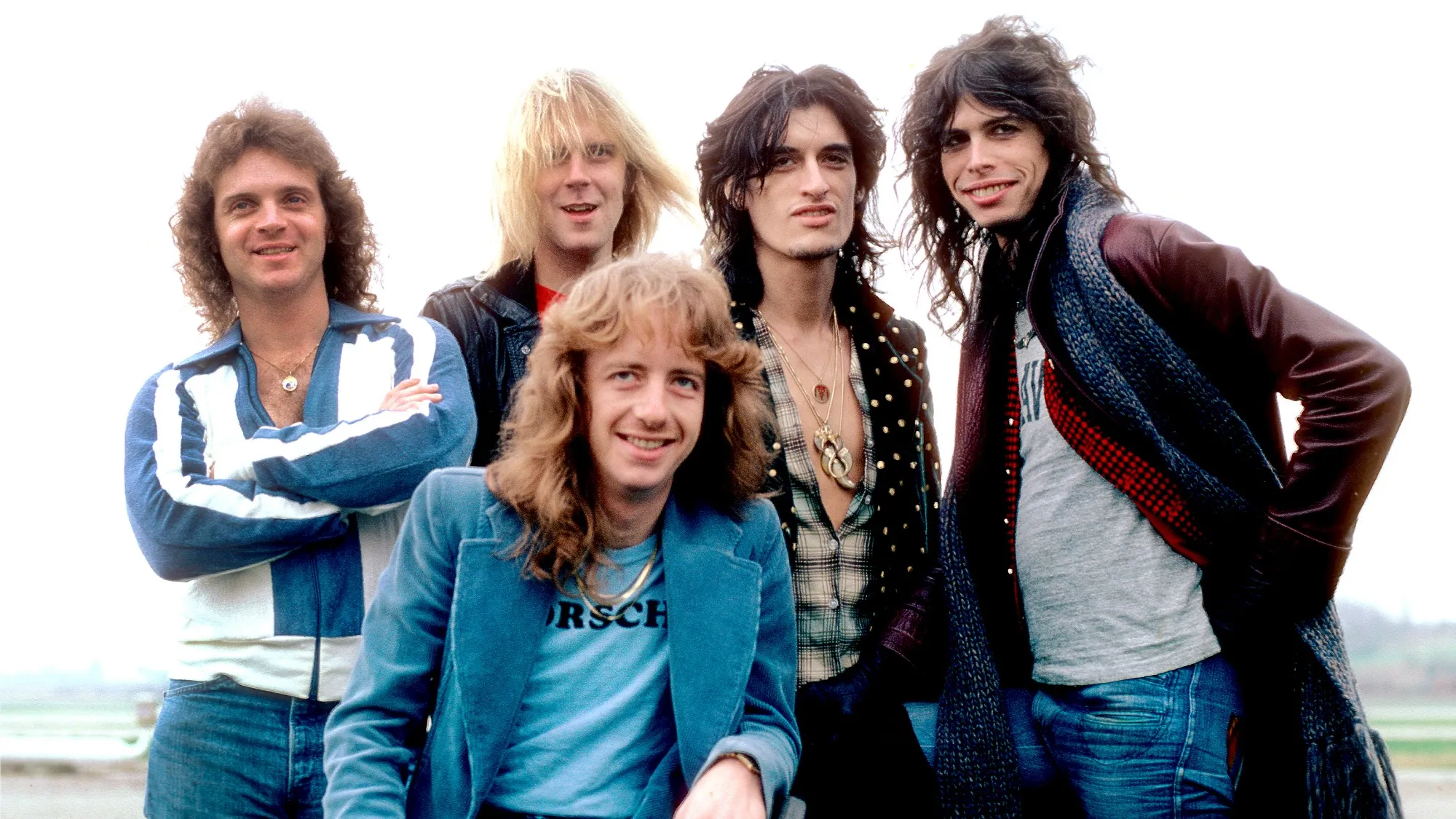
By the late 1990s, the definition of an "arena anthem" had expanded to include the high-budget cinematic power ballad. Aerosmith, a band that had already survived multiple iterations of rock history, achieved their most significant commercial milestone in 1998 with “I Don’t Want to Miss a Thing.” Written by Diane Warren for the soundtrack of the disaster film Armageddon, the song represented a departure for the band, as it was their first major hit not written by members of the group.
The song’s impact on Aerosmith’s trajectory cannot be overstated. It debuted at number one on the Billboard Hot 100, a first for the band in their nearly 30-year career at the time, and remained at the top for four consecutive weeks. The track’s success proved that "legacy acts" could not only survive in the post-grunge era but could dominate the pop charts by leaning into grand, orchestral arrangements and emotionally resonant themes.
From a technical standpoint, the song utilizes a full string section and a slow-build dynamic that culminates in Steven Tyler’s signature raspy belt. This "crescendo" structure is a hallmark of the arena rock ballad, designed to fill large spaces with sound. The song was nominated for an Academy Award for Best Original Song and remains a staple of radio rotations globally. Industry analysts often point to this track as the moment Aerosmith transitioned from being a "blues-rock band" to a "global entertainment brand," capable of bridging the gap between rock enthusiasts and mainstream pop audiences.
Foo Fighters and the De-Escalation of the Hero Myth
While AC/DC and Aerosmith leaned into the grandiose, the Foo Fighters’ 1997 hit “My Hero” redefined the arena anthem by applying a massive sound to a humble sentiment. Released as the third single from their second studio album, The Colour and the Shape, “My Hero” was written by Dave Grohl as a tribute to the "ordinary" person. In an era where rock stars were often placed on unreachable pedestals—a dynamic Grohl had experienced firsthand as the drummer for Nirvana—the song’s lyrics offered a grounded perspective: "There goes my hero / He’s ordinary."
The song is characterized by its heavy, double-tracked drum intro and a thick, melodic guitar hook that captures the "Wall of Sound" technique popularized in the 90s alternative scene. Unlike the polished production of Aerosmith, “My Hero” maintains a certain raw edge, produced by Gil Norton. It reached number six on the Billboard Alternative Songs chart and has since become one of the most recognizable rock tracks of the decade.
The song’s legacy has evolved significantly over the years. Following the death of Foo Fighters drummer Taylor Hawkins in 2022, "My Hero" took on a new, somber resonance during tribute concerts, highlighting the song’s ability to adapt its meaning to the emotional needs of the audience. It stands as a prime example of how a song can be "huge" in sound while remaining "intimate" in its message, a balance that helped the Foo Fighters become one of the last true stadium-filling rock bands of the modern era.
Data and Market Performance Analysis
The enduring relevance of these three tracks is supported by modern streaming metrics and licensing data. According to industry reports, "Thunderstruck," "I Don’t Want to Miss a Thing," and "My Hero" consistently rank in the top percentile of "catalog tracks" (songs older than 18 months) that generate revenue for labels and publishers.
- Digital Reach: On platforms like Spotify, these tracks collectively garner millions of streams per month. "Thunderstruck" alone frequently appears in the "Global Top 200" catalog charts, illustrating its cross-generational appeal.
- Licensing and Synchronization: These songs are among the most licensed tracks in the industry. "Thunderstruck" is a staple for the NFL and NHL, used during kickoffs and player introductions. "I Don’t Want to Miss a Thing" remains a go-to choice for romantic montages in film and television, while "My Hero" has been featured in various contexts, from the 1999 film Varsity Blues to more recent documentary scores.
- Touring Revenue: The ability of these bands to continue headlining stadiums—or in the case of AC/DC, to launch massive comeback tours—is directly tied to the presence of these "tentpole" songs in their setlists. Promoters often cite the "anthem factor" as a primary driver for ticket sales, as audiences are willing to pay premium prices to experience these specific songs in a communal live setting.
Official Responses and Artist Perspectives
Reflecting on the impact of these songs, the artists themselves have often noted the transformative power of these specific compositions. Angus Young has described the crowd reaction to the opening notes of “Thunderstruck” as a "physical force" that changes the atmosphere of a venue instantly. Dave Grohl has frequently mentioned in his memoirs and interviews that "My Hero" was a song that helped him find his voice as a songwriter, moving away from the shadow of his previous band.
Diane Warren, the songwriter behind Aerosmith’s hit, has remarked on the "perfect marriage" between Steven Tyler’s vocal intensity and her melodic structure. She noted that while many rockers were hesitant to record a ballad of that scale, Aerosmith embraced the theatricality of it, which ultimately secured their place in pop history.
Broader Cultural Impact and Implications
The persistence of these 1990s anthems suggests a shift in how audiences consume rock music. In a fragmented digital landscape where new hits often have short lifespans, these songs serve as a "common language" for music listeners. They represent a period when rock music was still a dominant cultural force capable of producing songs that felt larger than life.
Furthermore, these tracks have influenced the technical standards for live sound and event production. The frequency ranges and dynamic shifts in "Thunderstruck" and "My Hero" are often used by sound engineers to test stadium PA systems, ensuring that the audio can handle the specific "punch" required for arena-scale performances.
In conclusion, the 1990s did not see the end of the arena rock anthem; rather, it saw its refinement. AC/DC proved that a song could be a rhythmic juggernaut; Aerosmith demonstrated that rock could master the cinematic ballad; and the Foo Fighters showed that an anthem could be built on the virtues of the common man. Together, these tracks continue to define the "huge" sound of the 90s, proving that while musical trends may fluctuate, the human desire for a massive, shared sonic experience remains constant. As these songs continue to be streamed, played, and shouted in stadiums around the world, their status as timeless pillars of the rock genre remains undisputed.
