

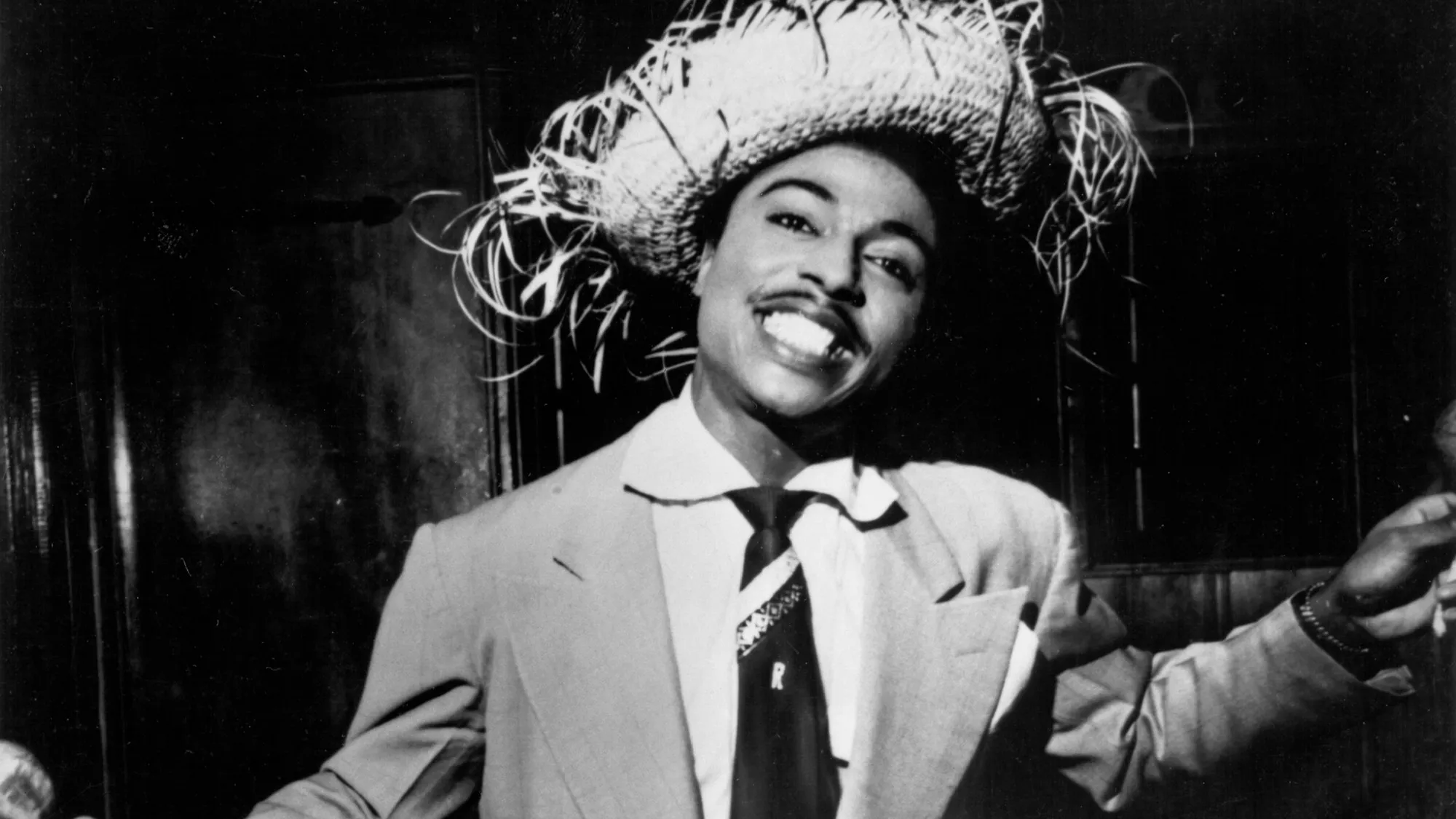
The year 1955 serves as a fundamental cornerstone in the history of modern music, marking the definitive transition from the Big Band and crooner eras into the high-energy, youth-driven phenomenon of rock and roll. This period of cultural upheaval saw the convergence of rhythm and blues, gospel, and country, resulting in a sonic revolution that fundamentally altered the global entertainment landscape. Among the myriad of releases that year, three particular tracks—Little Richard’s "Tutti Frutti," Pat Boone’s "Ain’t That a Shame," and The Platters’ "Only You (And You Alone)"—stand as quintessential examples of the 1955 sound. These songs not only dominated the airwaves of the mid-1950s but also established the blueprints for vocal performance, crossover appeal, and production techniques that continue to influence artists in the twenty-first century.
The Genesis of Rock and Roll: Little Richard and the Explosion of Tutti Frutti
In October 1955, a recording session at J&M Studio in New Orleans produced what many musicologists consider the foundational text of rock and roll. Little Richard, born Richard Penniman, had spent years struggling to find his commercial voice, releasing several singles that failed to gain traction. However, under the guidance of producer Bumps Blackwell, Richard unleashed "Tutti Frutti," a track characterized by its frantic tempo, percussive piano playing, and the now-iconic vocalization, "A-wop-bop-a-loo-mop-a-lop-bam-boom."
The song’s path to the charts was not without complication. Originally, the lyrics to "Tutti Frutti" were considered too suggestive for mainstream radio. Blackwell enlisted songwriter Dorothy LaBostrie to revise the verses, sanitizing the content while maintaining the infectious energy of the chorus. This collaboration resulted in a hit that peaked at number two on the Billboard Rhythm and Blues chart and number seventeen on the Billboard Top 100.
The significance of "Tutti Frutti" extends beyond its chart performance. It introduced a level of uninhibited vocal intensity that was previously unheard of in popular music. The track served as the lead single for Richard’s debut album, Here’s Little Richard, which remains a landmark recording. Its influence was immediate and wide-reaching; the song was covered by a diverse array of artists, including Elvis Presley and Pat Boone within months of its release, and later by The Beatles, demonstrating its universal appeal across racial and genre boundaries. In 2010, the Library of Congress added "Tutti Frutti" to the National Recording Registry, citing its "irresistible beat and wild vocals" as a turning point in American culture.
The Crossover Phenomenon: Pat Boone and the Commercialization of Ain’t That a Shame
While Little Richard represented the raw, unbridled energy of the emerging rock scene, Pat Boone represented its mainstream, crossover potential. In 1955, Boone released his version of "Ain’t That a Shame," a song originally written and performed by the legendary Fats Domino. Domino’s version, released earlier that same year, was a major hit on the R&B charts, reaching number one and solidifying his status as a premier songwriter and performer.
Boone’s interpretation of the track was a strategic move by Dot Records to bring the rhythm and blues sound to a broader, predominantly white audience. Despite the inherent sadness of the lyrics—which detail a narrative of heartbreak and abandonment—Boone’s delivery and the polished orchestral arrangement gave the song an upbeat, accessible quality. The strategy proved immensely successful; Boone’s version reached number one on the Billboard charts and remained there for two weeks.
The dual success of "Ain’t That a Shame" highlights a pivotal trend in the 1955 music industry: the "cover" record. During this era, white artists frequently recorded versions of songs by Black artists, often achieving greater commercial success on the pop charts due to the systemic segregation of the radio industry. While this practice remains a subject of historical debate regarding cultural appropriation and economic equity, it undeniably played a role in integrating the American musical palate. Fats Domino himself later acknowledged that Boone’s cover helped introduce his music to a wider audience, famously showing Boone a gold ring bought with the royalties earned from the cover version.
Sophistication in Harmony: The Platters and the Success of Only You (And You Alone)
While the rock and roll revolution was gaining momentum, the vocal group tradition reached a new pinnacle of sophistication with The Platters. Their 1955 hit, "Only You (And You Alone)," became one of the most enduring ballads of the decade. Managed and produced by Buck Ram, The Platters achieved a level of crossover success that few African American vocal groups had reached before them.
"Only You" was not an immediate success. The group had actually recorded a version of the song in 1954 for Federal Records, which failed to chart. It was only after they moved to Mercury Records and re-recorded the track with a more refined arrangement that it became a global sensation. The song features the soaring tenor of lead singer Tony Williams, whose distinctive "hiccup" vocal style became a trademark of the group’s sound.
The lyrical content of "Only You" resonated with a post-war audience seeking romantic idealism. The song spent seven weeks at the top of the R&B charts and reached number five on the pop charts. Its longevity is evidenced by the sheer number of subsequent covers; the song has been interpreted by artists ranging from Louis Armstrong to Reba McEntire and Travis Tritt. The Platters’ success in 1955 paved the way for the "doo-wop" explosion and established a blueprint for the vocal-led pop groups of the 1960s.
A Chronology of the 1955 Musical Shift
To understand the impact of these three songs, one must look at the timeline of events that defined the year:
- January 1955: Bill Haley & His Comets’ "Rock Around the Clock" begins its slow climb to the top of the charts, eventually becoming the anthem of the youth movement after its inclusion in the film Blackboard Jungle.
- May 1955: Fats Domino releases "Ain’t It a Shame" (later titled "Ain’t That a Shame"), reaching the top of the R&B charts.
- July 1955: Pat Boone’s cover of "Ain’t That a Shame" enters the pop charts, signaling the industry’s shift toward R&B-influenced pop.
- August 1955: The Platters release "Only You (And You Alone)," breaking through the barriers between R&B and Pop radio.
- October 1955: Little Richard records "Tutti Frutti" in New Orleans, introducing a new level of sonic aggression to the mainstream.
- November 1955: RCA Victor purchases Elvis Presley’s contract from Sun Records for an unprecedented $35,000, setting the stage for the global dominance of rock and roll in 1956.
Economic and Technological Drivers of the 1955 Sound
The success of these singles was bolstered by significant shifts in technology and economics. The 1950s saw the widespread adoption of the 45 RPM record, which was more durable and affordable for teenagers than the older 78 RPM format. This allowed the youth market to become the primary drivers of the music economy for the first time in history.
Furthermore, the rise of independent radio DJs, most notably Alan Freed, played a crucial role in the dissemination of these tracks. Freed, who is credited with popularizing the term "rock and roll," ignored the traditional "race record" classifications and played music based on its popularity with his listeners. This democratization of the airwaves allowed Little Richard and The Platters to compete directly with established pop stars, forever changing how music was marketed and consumed.
Legacy and Implications for Modern Popular Music
The legacy of the 1955 hits is found in the DNA of nearly every genre that followed. Little Richard’s "Tutti Frutti" provided the template for the high-energy performances of James Brown, Prince, and Mick Jagger. The song’s emphasis on rhythm and vocal improvisation challenged the rigid structures of traditional songwriting, opening the door for the experimentalism of the 1960s.
Pat Boone’s "Ain’t That a Shame" serves as a historical marker for the complexities of the music industry. It illustrates the era’s racial tensions and the commercial strategies used to navigate a segregated society. However, it also demonstrates the power of a well-written song to transcend its original context and become a standard within the American songbook.
The Platters’ "Only You" remains the gold standard for the romantic pop ballad. Its influence can be heard in the vocal harmonies of the Motown era and the power ballads of the 1980s and 90s. By achieving massive success on both the R&B and pop charts, The Platters proved that Black artists could achieve mainstream superstardom without compromising their artistic identity.
In conclusion, the music of 1955 was more than just a collection of catchy tunes; it was the sound of a society in the midst of a profound transformation. Through the explosive energy of Little Richard, the polished crossover appeal of Pat Boone, and the melodic sophistication of The Platters, the year 1955 established the foundations of a global culture that remains vibrant nearly seventy years later. These songs do not merely evoke nostalgia; they represent the moment when the world first learned to rock.
