

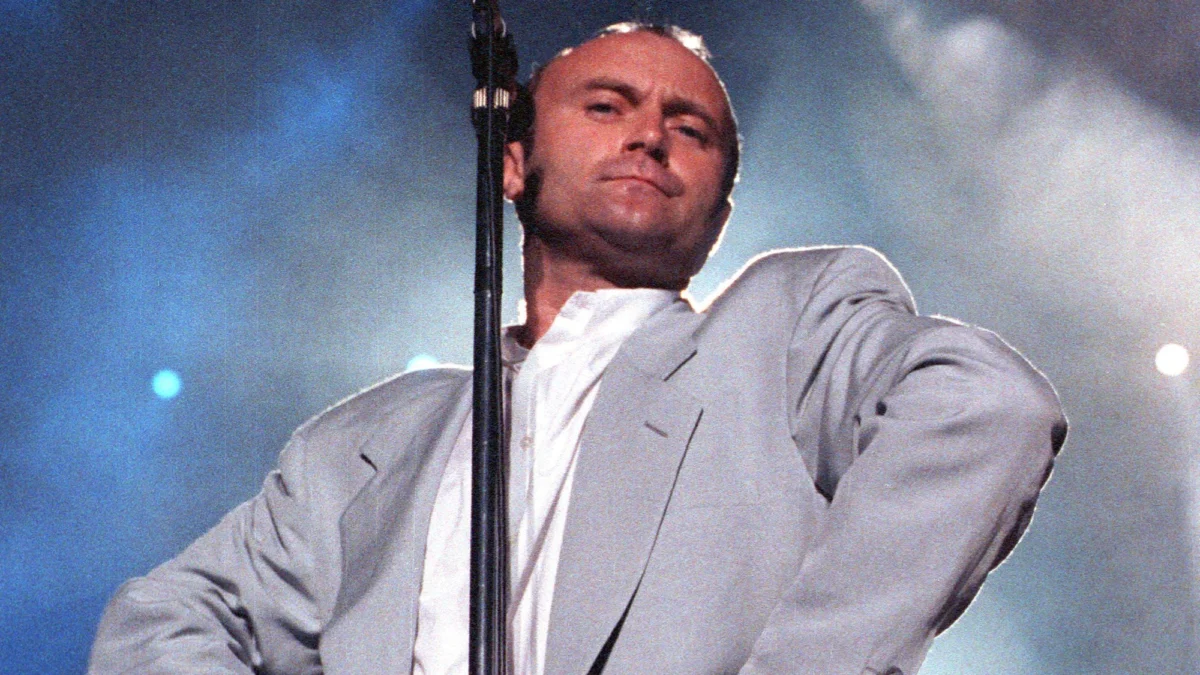
The year 1988 represented a pivotal juncture in the evolution of popular music, marking a transition from the flamboyant synth-pop of the mid-eighties toward a more polished, production-heavy sound that would eventually pave the way for the adult contemporary dominance of the early nineties. While the decade is often remembered for its heavy metal anthems and the rise of hip-hop, 1988 specifically served as a high-water mark for the soft rock ballad. This era saw established rock veterans and solo superstars pivot toward melodic, emotionally resonant tracks that secured massive radio airplay and solidified their legacies on the Billboard charts. Among the most significant contributions to this cultural moment were Phil Collins’ "A Groovy Kind of Love," Chicago’s "Look Away," and Cheap Trick’s "The Flame." These three tracks not only dominated the airwaves but also illustrated the changing tides of the music industry as it moved toward a more sophisticated, commercially accessible rock aesthetic.
Phil Collins and the Cinematic Success of A Groovy Kind of Love
By 1988, Phil Collins had already established himself as one of the most successful solo artists in the world, having successfully balanced his role as the frontman of Genesis with a prolific solo career. His contribution to the 1988 soundtrack of the film Buster—a crime comedy in which Collins also starred as the lead character, Buster Edwards—yielded one of his most enduring hits: "A Groovy Kind of Love."
While many fans associated Collins with the driving drum fills of "In the Air Tonight," "A Groovy Kind of Love" showcased his ability to deliver a minimalist, tender vocal performance. The song itself was a cover, originally written by Toni Wine and Carole Bayer Sager. It was first made famous by the Mindbenders in 1965. However, Collins’ 1988 rendition stripped away the upbeat, mod-pop sensibilities of the original, replacing them with a slow-tempo, synth-heavy arrangement that emphasized the lyrical themes of romantic devotion.
The track reached No. 1 on both the Billboard Hot 100 and the Adult Contemporary chart. Its success was a testament to Collins’ "Midas touch" during this period. The Buster soundtrack was a commercial juggernaut, also featuring "Two Hearts," another No. 1 hit for Collins that earned him a Golden Globe Award and an Academy Award nomination. The inclusion of tracks like "…And I Love Her" and "Alone In Acapulco" further demonstrated Collins’ versatility. Industry analysts at the time noted that Collins’ ability to cross-promote his film roles with chart-topping music was a masterclass in late-80s multimedia branding.
Chicago’s Pivot and the Influence of Diane Warren
Chicago, a band that had redefined the integration of brass instruments into rock music during the 1970s, underwent a significant sonic transformation following the departure of bassist and vocalist Peter Cetera in 1985. By 1988, the band had fully leaned into the power ballad format, a move that culminated in the release of "Look Away" from the album Chicago 19.
"Look Away" is notable not only for its commercial success—spending two weeks at No. 1 on the Billboard Hot 100—but also for its pedigree. The song was penned by Diane Warren, who was rapidly becoming the most sought-after songwriter in the industry. Warren’s ability to craft emotionally poignant lyrics about heartbreak and missed connections resonated deeply with the 1988 audience. Sung by Bill Champlin rather than the band’s traditional lead vocalists, the track offered a gritty yet polished take on the pain of seeing a former lover move on.
The statistical performance of "Look Away" was extraordinary; despite being released in late 1988, it was ranked as the No. 1 song on the Billboard Year-End Hot 100 singles chart for 1989. This anomaly occurred because the song maintained such high levels of airplay and sales throughout the transition between the two years. It would serve as Chicago’s final No. 1 hit of the 20th century, marking the end of an era for the band as a dominant chart force. The collaboration with Warren also produced the hit "I Don’t Wanna Live Without Your Love," which reached No. 3, further cementing the band’s reliance on outside professional songwriters to maintain their commercial relevance in the competitive late-80s market.
Cheap Trick’s Commercial Resurgence with The Flame
Perhaps the most surprising soft rock success of 1988 came from Cheap Trick, a band primarily known for their power-pop energy and hard-rocking live performances, as exemplified by their 1978 classic At Budokan. By the mid-1980s, the band had experienced a commercial decline, struggling to find their footing in a landscape increasingly dominated by hair metal and dance-pop.
The release of the album Lap of Luxury in 1988 served as a strategic "comeback" orchestrated by Epic Records. The label insisted that the band work with professional songwriters, a decision that initially met with resistance from band members, particularly guitarist Rick Nielsen. However, the result was "The Flame," a power ballad written by Bob Mitchell and Nick Graham.
"The Flame" became Cheap Trick’s first and only No. 1 single on the Billboard Hot 100. The song featured a soaring vocal performance by Robin Zander, whose range and emotive delivery turned the track into a staple of the era. The lyrics, centered on unwavering devotion and "being the flame" after the fire has died down, fit perfectly into the power ballad trend of the time. While some purist fans of the band’s earlier, quirkier material viewed the song as a departure, its success was undeniable. It revitalized the band’s career, leading to a successful cover of Elvis Presley’s "Don’t Be Cruel" on the same album, which also reached the Top 10. The success of "The Flame" illustrated a broader industry trend: veteran rock bands were often required to adopt a softer, more melodic sound to secure radio play and maintain their major-label contracts.
Chronology of the 1988 Soft Rock Wave
The dominance of these tracks was part of a specific timeline that saw soft rock and power ballads occupy the top spots of the charts for much of the year:
- July 1988: Cheap Trick’s "The Flame" reaches No. 1 on the Billboard Hot 100, ending a dry spell for the band and signaling the power of the rock ballad in the summer market.
- September 1988: Phil Collins’ "A Groovy Kind of Love" is released in conjunction with the film Buster. It quickly ascends the charts, reaching No. 1 in October in both the United States and the United Kingdom.
- December 1988: Chicago’s "Look Away" hits No. 1 on the Hot 100, remaining at the top for two weeks and ending the year as one of the most-played songs on American radio.
Statistical Overview and Chart Performance Analysis
The commercial impact of these three songs is reflected in their historical chart data and certifications. In 1988, the Billboard Hot 100 was the primary barometer of a song’s success, combining physical single sales with radio airplay reports.
- Phil Collins – "A Groovy Kind of Love": Reached No. 1 in the US, UK, Canada, and several European territories. It was certified Gold by the RIAA, representing over 500,000 physical copies sold at a time when the industry was transitioning toward the CD format.
- Chicago – "Look Away": Aside from its two-week stint at No. 1, the song spent 24 weeks on the Hot 100. Its longevity on the charts was a key factor in it being named the top song of 1989 by Billboard.
- Cheap Trick – "The Flame": The song reached No. 1 on July 9, 1988. It also performed exceptionally well in Australia, where it reached No. 1 and stayed on the charts for 22 weeks.
Broader Impact and Industry Implications
The success of these tracks in 1988 had significant implications for the music industry. First, it reinforced the "power ballad" as a necessary tool for rock bands to achieve crossover success. Groups that had previously relied on high-energy rock found that a mid-tempo ballad was the most effective way to reach the Adult Contemporary audience while retaining their core fans.
Second, the year highlighted the growing influence of "super-songwriters" like Diane Warren and the team of Albert Hammond and Diane Warren. This era marked a shift away from bands writing all their own material, as labels prioritized radio-friendly hits crafted by proven hitmakers. This trend would continue well into the 1990s, defining the careers of artists like Celine Dion, Aerosmith, and Toni Braxton.
Finally, the production style of these 1988 hits—characterized by the use of digital synthesizers like the Yamaha DX7 and Roland D-50, combined with heavily gated reverb on drums—created a sonic template that defined the "80s sound." While this aesthetic eventually fell out of favor with the rise of grunge and alternative rock in the early 90s, the songs of 1988 remain quintessential examples of a period when pop-rock reached its peak of technical polish and commercial accessibility.
Today, these three songs remain staples of "80s on 8" satellite radio and nostalgic playlists. They represent a moment in time when the music industry successfully bridged the gap between the rock-and-roll foundations of the past and the high-gloss production of the future. For the "80s kids" who grew up with these melodies, "A Groovy Kind of Love," "Look Away," and "The Flame" are more than just hits; they are the soundtrack to the closing chapter of a definitive decade in pop culture.
