

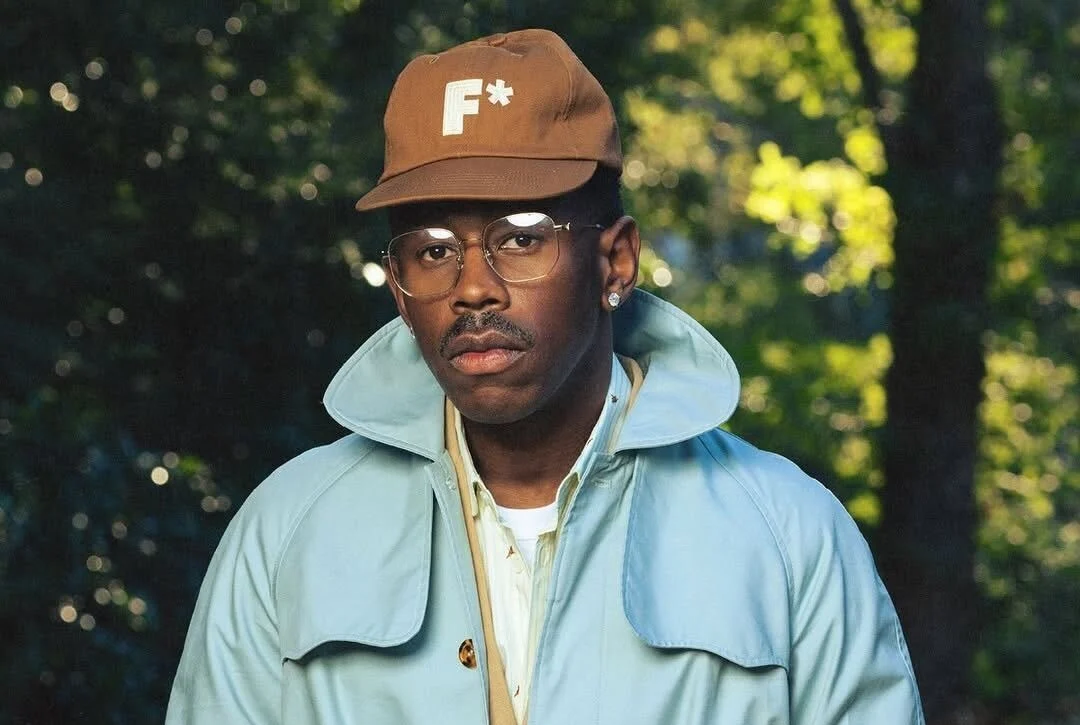
The pervasive expansion of surveillance culture and the relentless demand for digital content have once again sparked a critical discussion, ignited by musician Tyler, The Creator, whose private moments browsing a Mexico City bookstore were captured by security cameras and subsequently leaked online. On March 25, 2024, images derived from the security footage of the acclaimed artist perusing books at Polilla Librería began circulating across social media platforms. This incident prompted a swift and unequivocal response from Tyler, The Creator, who took to his Instagram Story today to express profound frustration and concern over the escalating erosion of personal privacy in an increasingly monitored world, lamenting, "i understand the excitment but the behavior is going to morph into everyone having footage or anything involving them uploaded for content."
The Incident: A Breach of Private Space in a Public Setting
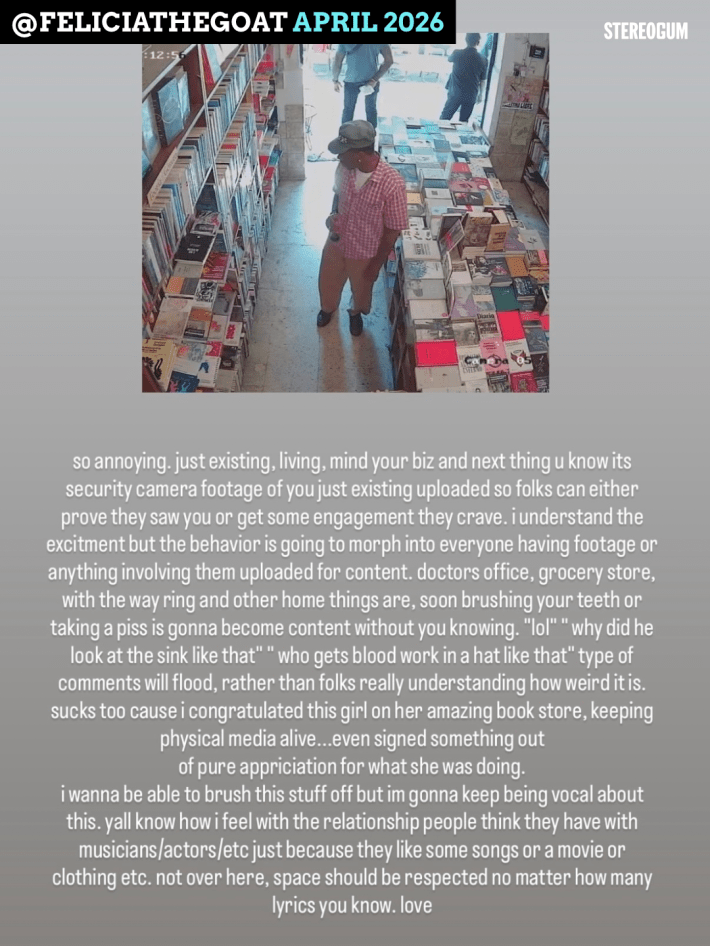
The controversy centers on an event that unfolded during Tyler, The Creator’s recent visit to Mexico City while on tour. While enjoying what should have been a private moment of leisure and cultural engagement at Polilla Librería, his presence was recorded by the establishment’s security cameras. These recordings, intended for security purposes, found their way onto public online accounts, featuring screenshots of the rapper engaged in a seemingly mundane activity – browsing books. The dissemination of this footage, which was not authorized by Tyler, The Creator, swiftly garnered attention across various fan pages and news outlets, transforming a personal outing into public spectacle. This particular incident at Polilla Librería underscores a growing tension between the ubiquitous nature of modern surveillance technology and the individual’s right to anonymity and personal space, even for public figures in seemingly public environments. The bookstore, a cherished space for intellectual discovery and quiet contemplation, inadvertently became the stage for a privacy debate.
Tyler, The Creator’s Urgent Plea for Respect and Boundaries
In a series of candid messages posted on his Instagram Story, Tyler, The Creator articulated his deep-seated unease regarding the normalization of surveillance and the commodification of private moments for online engagement. His statement highlighted the absurdity of a world where "just existing, living, mind your biz" can lead to one’s likeness being uploaded for public consumption. He elaborated on his concerns, stating:
"so annoying. just existing, living, mind your biz and next thing u know its security camera footage of you just existing uploaded so folks can either prove they saw you or get some engagement they crave. i understand the excitment but the behavior is going to morph into everyone having footage or anything involving them uploaded for content. doctors office, grocery store, with the way ring and other home things are, soon brushing your teeth or taking a piss is gonna become content without you knowing. ‘lol’ ‘why did he look at the sink like that’ ‘who gets blood work in a hat like that’ type of comments will flood, rather than folks really understanding how weird it is. sucks too cause i congratulated this girl on her amazing book store, keeping physical media alive…even signed something out of pure appriciation for what she was doing. i wanna be able to brush this stuff off but im gonna keep being vocal about this. yall know how i feel with the relationship people think they have with musicians/actors/etc just because they like some songs or a movie or clothing etc. not over here, space should be respected no matter how many lyrics you know. love"
This impassioned response goes beyond a mere celebrity complaint; it serves as a broader commentary on the societal implications of pervasive surveillance and the blurred lines between public fascination and personal intrusion. His frustration is palpable, particularly as he had genuinely appreciated the bookstore and its mission, even signing an item as a gesture of goodwill, only to have that positive interaction overshadowed by a privacy breach. His words reflect a sentiment shared by many who feel increasingly exposed by the ever-present gaze of cameras, both public and private.
A Pattern of Privacy Invasion: Chronology and Artistic Commentary
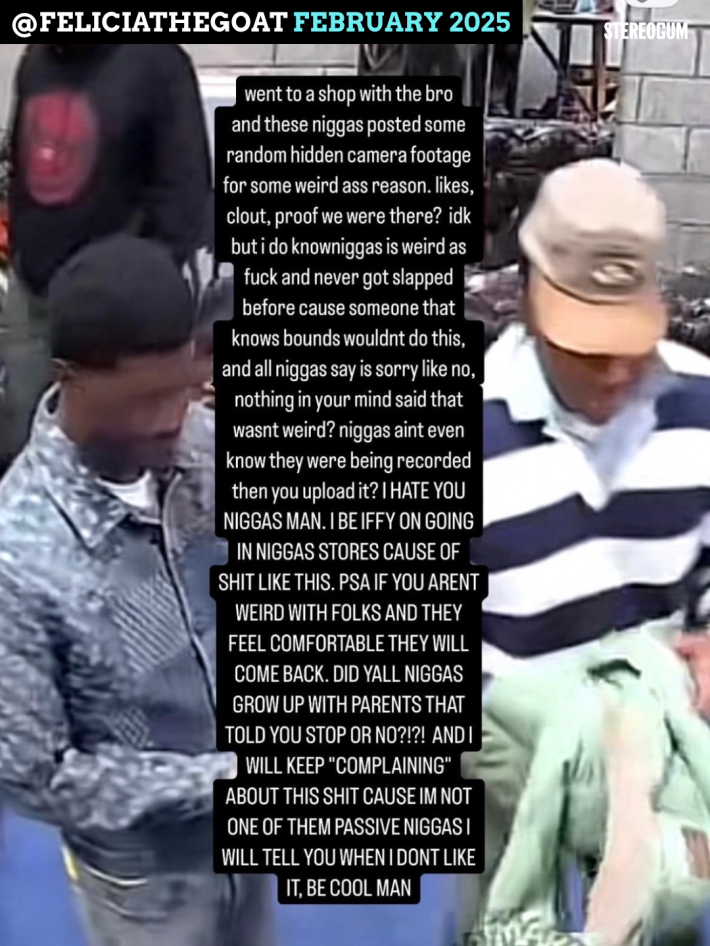
This is not an isolated incident for Tyler, The Creator. His recent experience in Mexico City is part of a recurring pattern of privacy infringements he has publicly addressed. In late February of the previous year, similar security camera footage depicting him and fellow artist Lil Yachty at another retail establishment also found its way online, prompting a similar outcry from the rapper. These repeated incidents underscore the vulnerability of public figures to constant monitoring and the unauthorized dissemination of their images.
Tyler, The Creator has even channeled his frustration into his art. His 2024 album, Chromakopia, features the poignant track "Noid," which directly addresses his desire for personal space and anonymity. The lyric "No cameras out please/ I wanna eat in peace" serves as a direct and unambiguous plea, reflecting a deep-seated yearning for ordinary moments free from the intrusive lens of public scrutiny. This artistic expression highlights not only his personal struggle but also the broader challenges faced by individuals navigating a world where every action risks becoming digital content. The inclusion of such a theme in his album indicates that these privacy concerns are not fleeting but are deeply ingrained in his experience and perspective.
The Broader Landscape of Surveillance and the "Content Economy"
The incidents involving Tyler, The Creator are emblematic of a larger societal shift towards pervasive surveillance and the emergent "content economy." According to a 2023 report by the IHS Markit, the global installed base of professional video surveillance cameras is estimated to be over 1 billion, with a significant portion deployed in commercial and public spaces. While these systems are primarily installed for security, the unauthorized access and dissemination of their footage raise serious ethical and legal questions.
The "content economy" further exacerbates these concerns. In an era where individuals can monetize their online presence and interactions, there’s an increasing incentive to capture and share anything that might generate engagement, views, or likes. This drive often overrides considerations of privacy and consent. For public figures, the line between public persona and private individual becomes dangerously thin, with fans and opportunists alike seeking to capture and share "exclusive" content, regardless of the ethical implications. This behavior, as Tyler points out, risks "morphing into everyone having footage or anything involving them uploaded for content," extending the privacy crisis beyond celebrities to everyday citizens. The ease of sharing via social media platforms amplifies the reach and impact of such leaks, making it nearly impossible to control the narrative or remove the content once it’s online.
The Rise of Wearable Tech: Meta Glasses and the Future of Constant Recording
Adding another layer to this complex issue, Tyler, The Creator also explicitly condemned Meta Glasses (formerly Ray-Ban Stories) on his Instagram Story, a clear indication of his concern about the future trajectory of personal surveillance technology. He stated, "Ban all viral media coming from this technology expeditiously," and unequivocally declared, "anyone who uses these is a true weirdo, anyone ok with these is a true weirdo."
Meta Glasses, which integrate cameras and microphones into fashionable eyewear, represent a new frontier in wearable technology that enables seamless, inconspicuous recording of daily life. While marketed for hands-free photo and video capture, their potential for surreptitious recording and privacy invasion is a significant concern. The ability to covertly record interactions, conversations, and environments without explicit consent from those being recorded introduces a new level of ethical dilemma. Tyler’s strong stance reflects a growing apprehension about technologies that blur the lines between personal experience and public record, further eroding the expectation of privacy in everyday interactions. His call for a ban on viral media originating from such devices highlights the urgent need for regulations and societal norms that prioritize privacy over technological convenience and content generation.
Implications for Public Figures and the Public Discourse on Privacy
The recurring incidents involving Tyler, The Creator serve as a potent case study for the broader implications of pervasive surveillance and content culture. For public figures, the constant threat of being recorded and having those recordings disseminated creates a profound sense of vulnerability and a diminished capacity for genuine, uninhibited interaction. The expectation of privacy, even in seemingly public settings like a bookstore, is rapidly eroding, replaced by the reality that any moment could become "content." This constant vigilance can lead to self-censorship, isolation, and a general distrust of public spaces.
Beyond celebrities, Tyler’s warning about "doctors office, grocery store" footage becoming content resonates with the growing concerns of ordinary citizens about their digital footprint and the control they have over their own image and personal data. The legal frameworks surrounding the collection and dissemination of surveillance footage from private businesses vary widely by jurisdiction and often lag behind technological advancements. While businesses typically have the right to install security cameras on their premises, the ethical and legal boundaries of sharing that footage, especially when it captures individuals not involved in illicit activity, remain largely undefined and contested.
Ultimately, Tyler, The Creator’s vocal stand is a significant contribution to the ongoing public discourse about privacy in the digital age. It challenges individuals and corporations alike to reflect on the ethical responsibilities that accompany advanced surveillance technology and the insatiable demand for online content. His message is clear: respect for personal space and the right to exist without being constantly monitored and commodified is not merely a celebrity’s plea but a fundamental human expectation that deserves vigilant protection. The battle for privacy in an increasingly transparent world continues, with voices like Tyler, The Creator serving as crucial advocates for boundaries and human dignity.
