

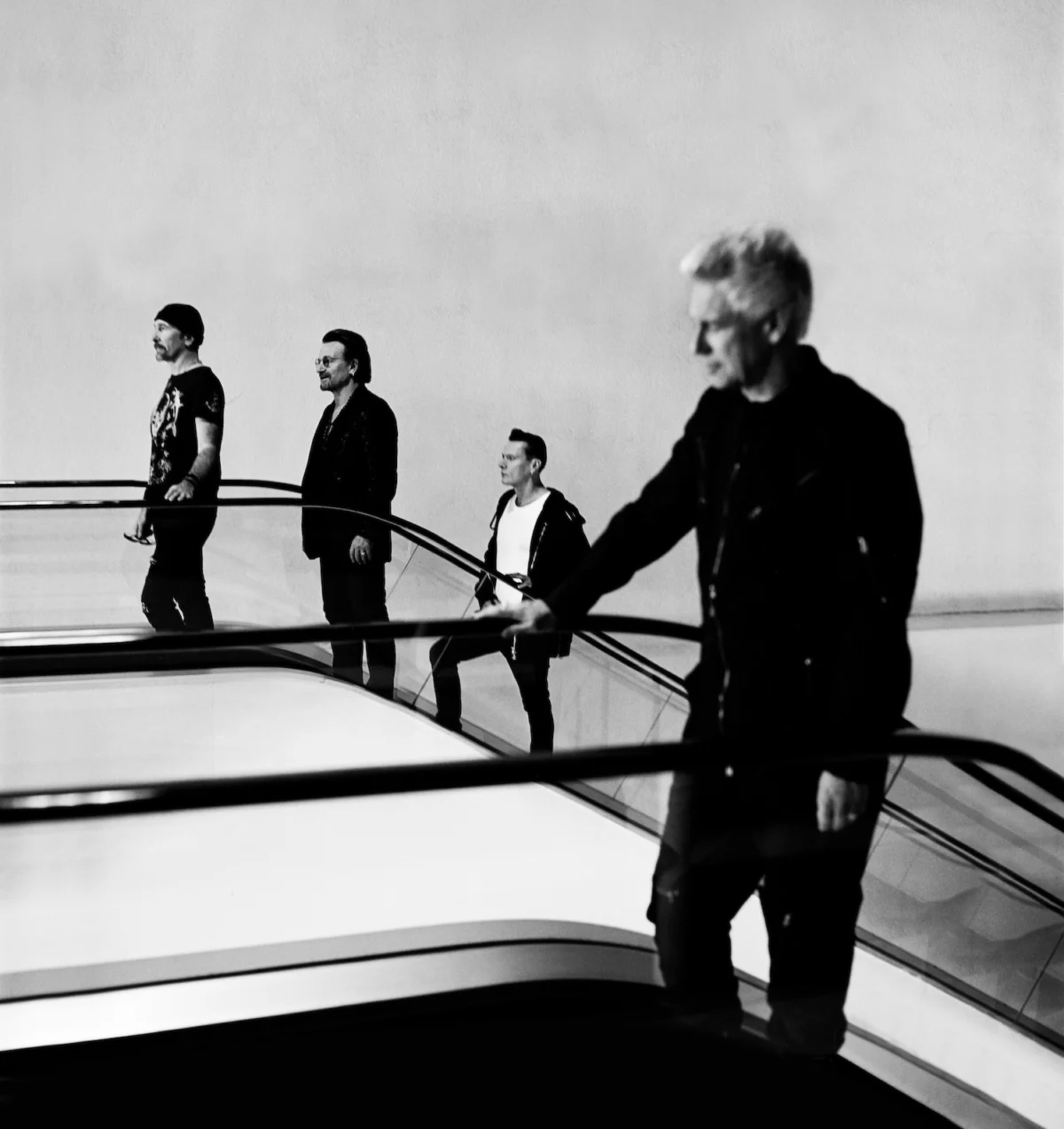
Dublin, Ireland – In a profound testament to the enduring legacy of Shane MacGowan, the iconic frontman of The Pogues, U2 has unveiled their interpretation of "Yeah, Yeah, Yeah, Yeah, Yeah," a vibrant single from The Pogues’ 1988 album If I Should Fall from Grace with God. This release serves as a preview for the highly anticipated compilation album, 20th Century Paddy – The Songs Of Shane MacGowan, slated for release this fall. The tribute album features an eclectic array of artists, underscoring MacGowan’s broad and lasting impact on music.
A Deep-Rooted Connection: U2 and The Pogues’ Shared History
The relationship between U2, widely recognized as Ireland’s most globally successful musical export, and The Pogues, a band born in London but steeped in Irish identity, stretches back decades. While U2 meticulously crafted anthems of hope and introspection, often with a grand, stadium-rock sensibility, The Pogues carved out their niche with a raw, raucous blend of traditional Irish folk music and punk rock energy, delivering narratives rich in emigration, despair, defiance, and drunken revelry. Despite their distinct stylistic approaches, both bands emerged from the vibrant, often politically charged, musical landscape of the late 20th century, sharing a profound connection to their Irish heritage, whether by birth or by cultural affinity.
Their mutual respect blossomed into a professional relationship that saw the bands tour together extensively in the 1980s and 1990s, forging a bond that transcended musical genres. These tours were more than just shared stages; they represented a confluence of different expressions of Irishness on the global music scene, each band offering a unique lens through which to view the complexities of Irish identity. U2’s Bono and The Edge have frequently spoken of their admiration for MacGowan’s lyrical prowess and his unparalleled ability to weave poignant stories and vivid imagery into his songs.
Shane MacGowan: A Bard for the Ages
Shane MacGowan, who passed away on November 30, 2023, at the age of 65, was an artist of unparalleled originality. Born in Kent, England, to Irish parents, MacGowan’s upbringing was deeply immersed in traditional Irish culture, spending formative years in County Tipperary. This dual heritage profoundly shaped his artistic output, allowing him to articulate the Irish experience with a voice that was both authentic and profoundly universal. His lyrics, often described as poetic and gritty, explored themes of exile, poverty, love, faith, and the often-romanticized struggles of the Irish diaspora. Songs like "Fairytale of New York," "Dirty Old Town," and "A Rainy Night In Soho" became anthems for generations, resonating far beyond the confines of folk or punk.
The Pogues, formed in London in 1982, quickly garnered critical acclaim for their energetic live performances and MacGowan’s distinctive, often slurred, vocal delivery. They revitalized traditional Irish music by infusing it with punk’s rebellious spirit, creating a sound that was at once ancient and aggressively modern. MacGowan’s persona—a blend of literary genius, pub philosopher, and self-destructive poet—became legendary, embodying a certain romanticized archetype of the Irish artist. His influence extends across genres, inspiring countless musicians to explore the rich tapestry of folk traditions through a contemporary lens.
A Timely Tribute: From Vegas to the Studio
The news of MacGowan’s passing in late 2023 sent ripples through the music world, prompting an outpouring of grief and remembrance from fans and fellow artists alike. U2, then in the midst of their highly successful "U2:UV Achtung Baby Live at Sphere" residency in Las Vegas, were among the first prominent acts to pay a public tribute. Just days after MacGowan’s death, on December 1, 2023, U2 dedicated a poignant live cover of The Pogues’ "A Rainy Night In Soho" during their Sphere performance. The rendition, emotionally charged and stripped back, showcased the deep respect and sorrow felt by the band, providing a powerful moment of collective mourning and celebration of MacGowan’s artistry in a technologically advanced venue. This spontaneous tribute underscored the immediacy of MacGowan’s impact and the personal connection U2 felt to his work.
The forthcoming tribute album, 20th Century Paddy – The Songs Of Shane MacGowan, serves as a more expansive and curated homage to his songwriting brilliance. The album’s tracklist reads like a who’s who of influential musicians across various genres, reflecting the breadth of MacGowan’s appeal. Artists such as Tom Waits, The Jesus And Mary Chain, Primal Scream, Dropkick Murphys, the late Glen Hansard, and the duo of Hozier and Jessie Buckley are contributing their unique interpretations. Notably, Bruce Springsteen has also contributed his take on "A Rainy Night In Soho," a testament to the song’s universal resonance and MacGowan’s lyrical depth. The album, set for release on November 13 via Rubyworks, aims to solidify MacGowan’s place in the pantheon of great songwriters.
U2’s Distinctive Take on "Yeah, Yeah, Yeah, Yeah, Yeah"
U2’s contribution to the tribute album, their cover of "Yeah, Yeah, Yeah, Yeah, Yeah," marks a notable stylistic departure from some of their recent releases. The band has been active with new material, including the surprise EPs Days Of Ash (featuring collaborations with Ed Sheeran and Taras Topolia) and Easter Lily, as well as a collaboration with Martin Garrix on "Fireflies." These recent works often lean into contemporary production techniques and varied sonic palettes, demonstrating U2’s continued willingness to experiment.
However, their rendition of "Yeah, Yeah, Yeah, Yeah, Yeah" eschews these more modern inclinations. Instead, it is characterized by a refreshingly joyous and stripped-down approach. The cover evokes a sense of unbridled enthusiasm and raw energy, harkening back to a more organic, performance-driven sound. Critics and listeners have noted that the band sounds genuinely "fun" on this track, suggesting a spontaneous and heartfelt engagement with the material. This choice to embrace a more unadorned sound highlights the inherent strength of MacGowan’s songwriting and U2’s desire to honor its spirit rather than re-interpret it through a heavily produced lens. The track’s infectious energy and straightforward delivery perfectly capture the rousing, rebellious spirit of The Pogues’ original, showcasing U2’s versatility and deep appreciation for the source material.
The Edge on MacGowan’s Enduring Enigma
In a press statement accompanying the release of their cover, UU’s guitarist The Edge offered a profound reflection on Shane MacGowan’s complex artistry and persona:
"Shane MacGowan was full of contradictions – and that’s where the truth of him lived. He could be precise about what mattered and gloriously careless about everything else. If that sounds like a kind of performance, maybe it was. But as Oscar Wilde put it, ‘a mask tells us more than a face.’"
The Edge’s words eloquently capture the essence of MacGowan’s enigmatic appeal. He touches upon the deliberate crafting of a public image that, paradoxically, revealed deeper truths. MacGowan’s "crooked grin, the wildness, the old-Ireland inflections" were not mere disguises but "signals," a deliberate placement of himself within a rich lineage of Irish storytelling. The Edge draws a compelling parallel between the "pub storyteller" and the "punk stage," positioning MacGowan as a vital link in a cultural chain that spans from literary figures like John B. Keane to punk pioneers like The Clash. This analysis underscores MacGowan’s unique ability to synthesize seemingly disparate influences into a cohesive, authentic voice that felt both ancient and profoundly contemporary.
The Edge further elaborates on MacGowan’s masterful songwriting: "What he did with that voice was remarkable. He pulled together threads that shouldn’t quite fit – folk tradition, political memory, gallows humour, romance – and made them sound inevitable." This observation highlights MacGowan’s genius in creating a unique artistic tapestry. He seamlessly blended the melancholic beauty of traditional Irish ballads with the raw energy of punk, infusing it with sharp political commentary, dark wit, and an underlying current of poignant romance. His songs, as The Edge notes, "sound like they have always existed," possessing a timeless quality that transcends trends. In dissolving himself into his creations, MacGowan forged a myth, allowing the emotional and thematic core of his work to speak volumes about what he truly valued, even as the details of his personal life remained elusive.
Broader Implications and Cultural Significance
The release of U2’s cover and the impending tribute album carry significant cultural implications. Firstly, it reaffirms Shane MacGowan’s status as a seminal figure in modern music, whose influence continues to resonate across generations and genres. The diverse roster of artists participating in 20th Century Paddy testifies to the universal appeal and timeless quality of his songwriting, proving that his narratives of Irish identity, struggle, and joy possess a resonance far beyond specific cultural boundaries.
Secondly, U2’s participation, particularly with a track like "Yeah, Yeah, Yeah, Yeah, Yeah," offers a fresh perspective on their own artistic journey. By embracing a more raw and unvarnished sound, they not only pay homage to MacGowan’s aesthetic but also demonstrate their own enduring capacity for genuine, uninhibited musical expression. It serves as a reminder of their roots and their deep connection to the rich tapestry of Irish music that inspired them.
Finally, this tribute album reinforces the ongoing dialogue about Irish identity in contemporary music. Both U2 and The Pogues, in their vastly different ways, have contributed profoundly to shaping global perceptions of Ireland through their art. MacGowan, through his unapologetic portrayal of Irish life, gave voice to a generation and left an indelible mark on the cultural consciousness. This album ensures that his voice, filtered through the interpretations of admiring peers and successors, will continue to inspire and provoke for years to come. It is a powerful collective statement on the enduring power of storytelling, the transformative nature of music, and the immortal legacy of a true original.
