

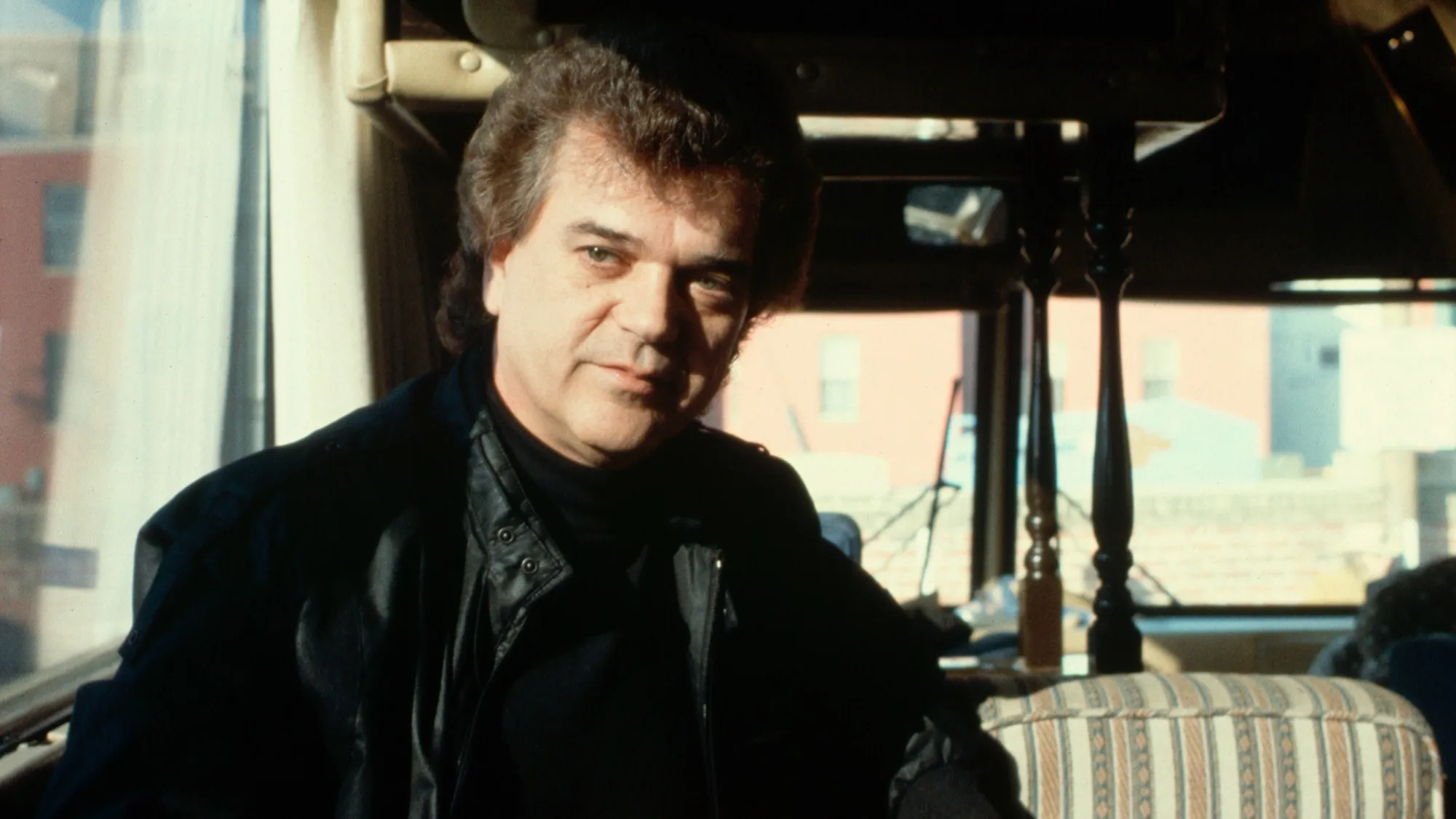
The Enduring Dominance of Conway Twitty and the Success of Happy Birthday Darlin
By 1979, Conway Twitty had already established himself as a titan of country music, having successfully transitioned from a 1950s rockabilly star to the "High Priest of Country Music." His release of "Happy Birthday Darlin’" marked a significant milestone, appearing on Cross Winds, which was remarkably his 40th studio album. The track was written by Chuck Howard and was released as the second single from the album, eventually spending three weeks at the No. 1 spot on the Billboard Hot Country Singles chart in October 1979.
The song is structurally unique for its era, utilizing a spoken-word introduction—a technique Twitty had mastered to create an intimate connection with his predominantly female fan base. The lyrics serve as a masterclass in sentimental songwriting, pivoting away from the traditional tropes of birthday celebrations to focus on the emotional foundations of a long-term relationship. Instead of offering a physical gift, the narrator promises to "take things away," specifically the "suspicion" and "doubt" that can plague a partnership.
Musicologists often point to the song’s opening line, "Hello darlin’, happy birthday," as a deliberate and brilliant marketing nod to Twitty’s 1970 signature hit, "Hello Darlin’." By referencing his most iconic work, Twitty and Howard created a sense of continuity in his discography. The production of the track, handled by Twitty and David Barnes, featured the lush, string-heavy arrangements typical of the "Countrypolitan" style, which helped the song maintain a presence on both country and adult contemporary radio stations.
The Bellamy Brothers and the Rise of Crossover Country
While Conway Twitty represented the established Nashville guard, The Bellamy Brothers brought a fresh, pop-inflected sensibility to the genre in 1979. Howard and David Bellamy had already tasted global success with their 1976 smash "Let Your Love Flow," which topped the pop charts but had more modest success in the country market. However, "If I Said You Had A Beautiful Body Would You Hold It Against Me" solidified their status as country superstars, becoming their first No. 1 hit on the country charts.
The song’s origins are rooted in American pop culture history. David Bellamy, who wrote the track, was inspired by a classic quip from Groucho Marx on the television game show You Bet Your Life. Marx often used the "hold it against me" double entendre when interviewing attractive contestants. Bellamy took this comedic wordplay and transformed it into a soft-rock country ballad that resonated with a broad audience.
Released in March 1979 as the lead single from their album The Two and Only, the song climbed to the top of the Billboard Hot Country Singles chart by May. Its impact was not limited to the United States; it became a massive international hit, reaching No. 3 on the UK Singles Chart. This international success was indicative of a broader trend in the late 1970s where country music began to shed its regional labels and find a footing in the global pop market. The track’s laid-back rhythm and clever lyrics provided a blueprint for the "Urban Cowboy" movement that would dominate the early 1980s, favoring smooth vocals and relatable, often humorous, romantic themes.
Larry Gatlin & The Gatlin Brothers and the Power of Harmony
The third pillar of 1979’s country dominance was Larry Gatlin & The Gatlin Brothers with their quintessential hit "All The Gold In California." Released in August 1979 from the album Straight Ahead, the song became a definitive anthem of the era. Larry Gatlin, the primary songwriter for the group, wrote the track during a period of personal and professional observation while navigating the complexities of the entertainment industry.
The inspiration for "All The Gold In California" famously struck Gatlin while he was stuck in a traffic jam in Los Angeles. Observing the sea of people flocking to the West Coast in search of fame and fortune, Gatlin penned a cautionary tale about the reality of the American Dream. The lyrics—"And all the gold in California is in a bank in the middle of Beverly Hills / In somebody else’s name"—served as a sobering reminder that the "Golden State" was a "brand new game" where many would-be stars find themselves sidelined.
Musically, the song showcased the impeccable three-part family harmonies of Larry, Steve, and Rudy Gatlin. Their background in gospel music provided a technical precision that was rare in mainstream country at the time. The song reached No. 1 on the Billboard Hot Country Singles chart in October 1979 and earned a Grammy nomination for Best Country Song. The success of "All The Gold In California" helped the Straight Ahead album achieve platinum status, cementing the Gatlins as one of the premier vocal groups in the history of the genre.
Chronology of 1979: A Banner Year for the Charts
The year 1979 was characterized by a rapid succession of hits that have since become standards. To understand the impact of these three songs, one must look at the timeline of the Billboard Hot Country Singles chart for that year:
- Spring 1979: The Bellamy Brothers release "If I Said You Had A Beautiful Body Would You Hold It Against Me." It hits No. 1 in May, breaking the duo into the country mainstream after years of being categorized as pop-rock.
- Late Summer 1979: Larry Gatlin & The Gatlin Brothers release "All The Gold In California." It begins a steady climb, reflecting the national mood of economic anxiety and the "Me Decade" focus on individual success.
- Autumn 1979: Conway Twitty releases "Happy Birthday Darlin’." By October, it sits at the top of the charts, coinciding with the peak of Gatlin’s success.
- Year-End 1979: All three songs finish in the top tier of year-end charts, representing three different facets of the genre: the romantic ballad, the clever crossover, and the harmony-driven social commentary.
Industry Implications and the "Urban Cowboy" Prelude
The success of these three tracks in 1979 signaled a significant shift in the business of Nashville. During this period, the Recording Industry Association of America (RIAA) began reporting a surge in country music sales, fueled by the genre’s increased accessibility. The production quality of these hits—featuring cleaner guitar tones, sophisticated string arrangements, and high-fidelity vocal tracks—appealed to a demographic that had previously avoided country music.
Furthermore, the late 1970s saw the rise of country music on television. Programs like Hee Haw remained popular, but the emergence of specials and televised awards shows gave artists like the Gatlin Brothers and the Bellamy Brothers a visual platform. This visibility was crucial for "All The Gold In California," as the Gatlins’ energetic performances became a staple of variety shows.
The thematic shift was also notable. While 1970s country had been dominated by "cheatin’ and hurtin’" songs, 1979 showed a move toward more nuanced storytelling. Twitty’s "Happy Birthday Darlin’" explored the psychology of trust; the Bellamys used wit to navigate modern dating; and Gatlin offered a critique of the entertainment industry itself. This intellectual expansion of country lyrics allowed the genre to compete more effectively with the singer-songwriter movement of the 1970s pop world.
Broader Cultural Impact and Legacy
The enduring popularity of these 1979 classics is evidenced by their continued presence in modern media and their influence on subsequent generations of artists. "If I Said You Had A Beautiful Body Would You Hold It Against Me" has been covered by numerous artists and remains a staple of "Classic Country" radio formats worldwide. Its title has entered the pop culture lexicon as one of the most famous pick-up lines in music history.
"All The Gold In California" continues to be cited by contemporary vocal groups, such as Little Big Town and Old Dominion, as a primary influence on harmony arrangements. The song’s message remains relevant in an era of social media-driven fame-seeking, proving that Gatlin’s observations from a 1979 traffic jam were prophetic.
Conway Twitty’s "Happy Birthday Darlin’" remains a cornerstone of his legacy, often included in "Greatest Hits" compilations that highlight his ability to evolve with the times. For the "70s kids" mentioned in the original context, these songs are more than just hits; they are a sonic map of a transitional era in American life. They represent the final moments of a decade that started with the raw honesty of the Outlaw movement and ended with a polished, professional, and commercially formidable industry ready to take on the 1980s.
In conclusion, the trifecta of "Happy Birthday Darlin’," "If I Said You Had A Beautiful Body Would You Hold It Against Me," and "All The Gold In California" serves as a historical marker for 1979. These songs did not merely top the charts; they defined the aesthetic and commercial aspirations of an entire industry, ensuring that the final year of the 1970s would be remembered as one of the most significant in the history of country music.
