

The Evolution of Music Promotion: From Physical Folders to Digital Hubs
To understand the current significance of the EPK, one must examine the historical trajectory of music promotion. For decades, the "press kit" was a physical entity—a folder containing a glossy 8×10 photograph, a printed biography, a physical demo tape or CD, and a collection of photocopied newspaper clippings. This traditional model was both cost-prohibitive and inefficient, requiring significant investment in printing and postage, with no guarantee that the materials would ever be reviewed by the intended recipient.
The transition toward digital formats began in the late 1990s, but it was the launch of platforms like Sonicbids in 2001 that standardized the industry’s expectations. By centralizing an artist’s assets into a single, cloud-based link, the EPK solved the logistical nightmare of physical mailings. Today, the EPK serves as a digital résumé, a brand portfolio, and a media center combined into one accessible interface. It represents the professionalization of the independent artist, providing a level playing field where a DIY musician can present their work with the same polish as a major-label act.
A Concise Representation of Artistry and Brand Identity
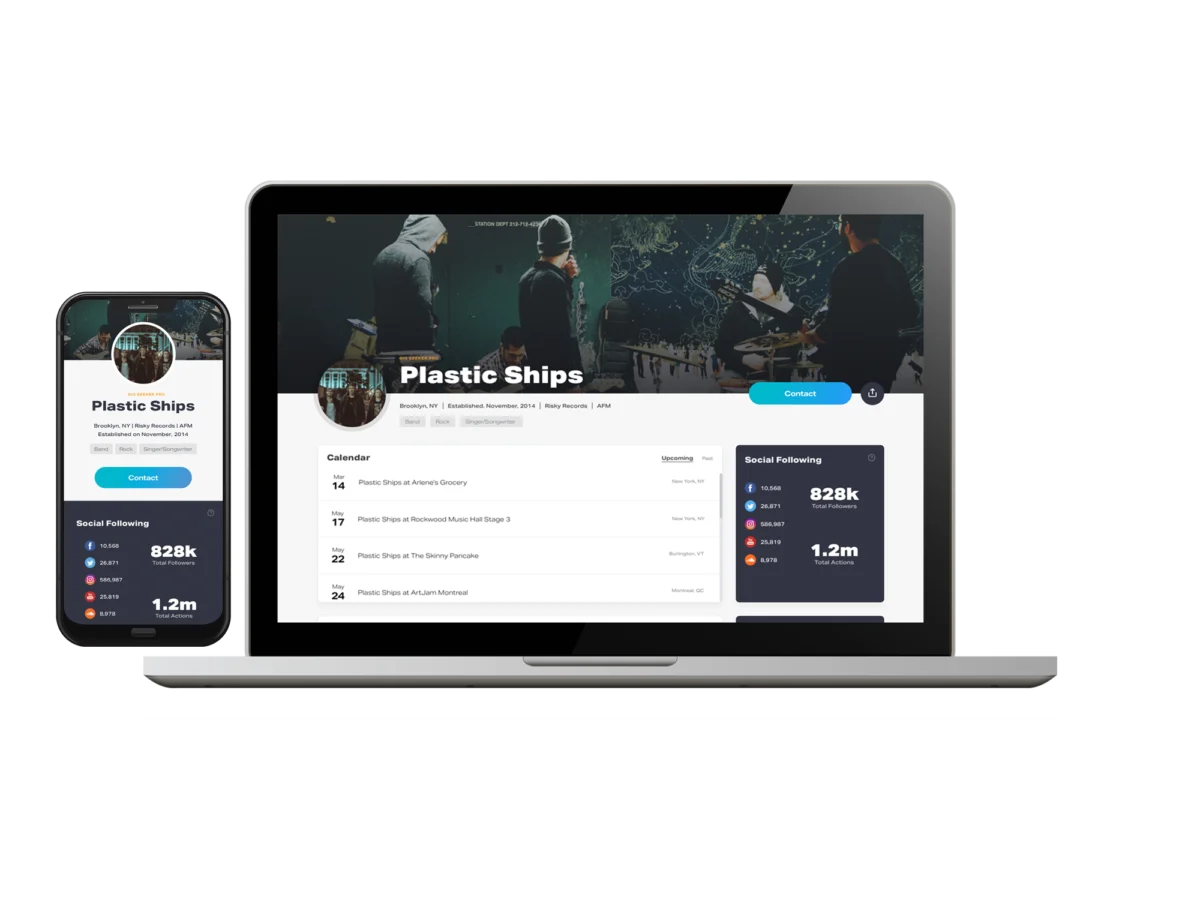
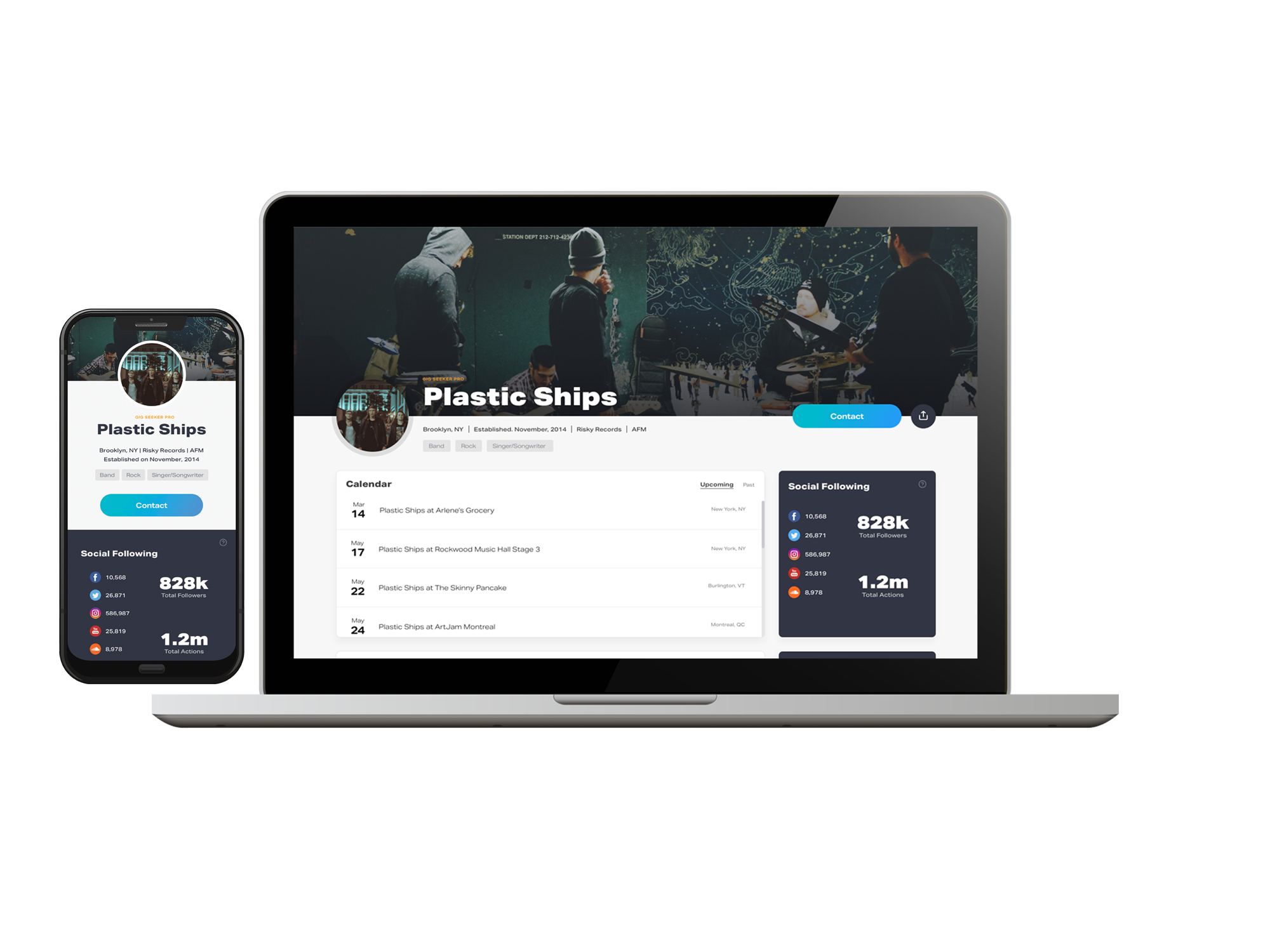
The primary function of an EPK is to provide a curated, high-impact snapshot of an artist’s career. Unlike a social media profile, which is often cluttered with casual updates and fan interactions, an EPK is a dedicated professional tool. It is designed to answer the three most critical questions a talent buyer or journalist has: Who is this artist, what do they sound like, and why do they matter right now?
A comprehensive EPK typically comprises several core elements. The biography is perhaps the most vital, often provided in three lengths: a one-sentence "elevator pitch," a short paragraph for social media or program guides, and a full-length narrative for feature articles. This tiered approach respects the time of industry professionals who may only have seconds to evaluate a pitch.
Furthermore, the inclusion of high-resolution promotional photography is a non-negotiable requirement. Music journalists require "print-ready" images (typically 300 DPI) for physical publications, while digital outlets need web-optimized versions. An EPK that provides these assets upfront eliminates the back-and-forth communication that often leads to missed opportunities. By presenting a cohesive visual and narrative identity, the artist demonstrates a level of "market readiness" that is highly attractive to potential partners.
Streamlining Communication in a High-Volume Industry
The modern music industry operates at a breakneck pace. Booking agents at major venues and festivals often receive hundreds of inquiries per week. In this environment, friction is the enemy of progress. If a talent buyer has to search multiple platforms—Spotify for music, Instagram for photos, and a personal website for contact information—they are likely to move on to the next candidate.
The EPK acts as a friction-reduction tool. By consolidating music players, video embeds, social media links, and technical riders into a single URL, the artist ensures that the professional has everything they need to make a decision. This efficiency is particularly valued by festival organizers, who must coordinate dozens or even hundreds of acts simultaneously. According to industry surveys, talent buyers are 70% more likely to consider an artist who provides a professional EPK over one who sends fragmented links via email.
Establishing Credibility Through Social Proof and Data
In the absence of a major label’s endorsement, independent artists must rely on "social proof" to establish credibility. The EPK serves as the primary vessel for this evidence. This includes press quotes, testimonials from venue owners, and, increasingly, hard data from streaming and social media platforms.
Quantitative data has become a cornerstone of the modern music business. An EPK that highlights milestones—such as "surpassed 50,000 monthly listeners on Spotify" or "sold out three consecutive shows at a 200-capacity venue"—provides tangible proof of an artist’s growth and market viability. For a booking agent, these metrics represent a reduced financial risk. By showcasing past successes and media recognition, the EPK transforms the artist from an unknown quantity into a proven professional.
Accessibility and the 24/7 Global Marketplace
The digital nature of the EPK facilitates a global reach that was previously impossible for independent acts. A talent buyer in London can review the kit of an artist in Nashville at any time of day without the delays of international shipping or the limitations of time zones. This 24/7 accessibility is crucial for artists looking to break into international markets or secure placement on global touring circuits.
Moreover, the "shareability" of the EPK allows it to move through the industry hierarchy organically. A junior publicist might share a link with a senior editor, or a local promoter might pass it along to a regional booking agent. Because the link remains constant while the content can be updated, the EPK ensures that everyone in the chain is looking at the most current and accurate representation of the artist’s work.
The Living Document: Adapting to Career Milestones
One of the most significant advantages of a digital press kit over its physical predecessor is its capacity for real-time evolution. An artist’s career is not static, and their promotional materials should reflect that dynamism. As new singles are released, new tours are completed, and new accolades are received, the EPK can be updated instantaneously.
This iterative process serves two purposes. First, it ensures that the artist is always putting their best foot forward. Second, it signals to the industry that the artist is active and gaining momentum. A "stale" EPK—one with photos from three years ago or a bio that mentions an upcoming album that was released in 2021—can actually damage an artist’s reputation, suggesting a lack of professional oversight. Conversely, a frequently updated EPK suggests a career on an upward trajectory, encouraging industry professionals to "get in early" on a rising star.
Broader Impact and Industry Analysis
The widespread adoption of the EPK has fundamentally altered the power dynamics of the music industry. Historically, the "gatekeepers"—labels, managers, and high-level agents—controlled the flow of information and the access to professional promotional materials. The democratization of these tools via platforms like Sonicbids has empowered independent artists to take control of their own narratives.
Analysis of the independent music sector suggests that this shift is contributing to the "middle-class" of musicians. While the "superstar" tier remains dominated by major labels, a growing number of independent artists are sustaining viable careers by utilizing professional tools to secure regional tours, sync licensing deals, and niche media coverage. The EPK is the foundational document of this movement, providing the professional veneer necessary to compete in a corporate-dominated space.
However, the proliferation of EPKs also means that the standard for quality has risen. Simply having an EPK is no longer enough; the kit must be exceptionally well-designed and content-rich to stand out. This has led to a secondary market of professional bio-writers, photographers, and EPK designers, further emphasizing that the presentation of the music is often as influential as the music itself in the professional sphere.
Conclusion: The Strategic Necessity of the EPK
As the music industry continues to evolve toward a more data-driven and digital-first model, the Electronic Press Kit remains an indispensable asset. It is the bridge between the creative process of making music and the commercial reality of selling it. By providing a concise, credible, and easily accessible representation of an artist’s work, the EPK allows independent musicians to navigate the complexities of the industry with confidence.
For the artist, the creation of an EPK is also an exercise in self-reflection. It requires them to define their brand, articulate their goals, and quantify their achievements. In doing so, they transition from being a "hobbyist" to a "business entity." In a landscape where attention is the most valuable currency, the EPK is the most effective tool an artist has to capture it, hold it, and convert it into a sustainable career. Whether the goal is a local residency or a global tour, the journey begins with a professional presentation, and in the modern era, that presentation is defined by the Electronic Press Kit.
