

The Historical Evolution of Music Promotion
To understand the current necessity of the EPK, one must examine the historical shift in how music is discovered and vetted. Throughout the 1980s and 1990s, artists relied on Physical Press Kits (PPKs), which consisted of folders containing printed biographies, glossy 8×10 photographs, and physical media such as cassette tapes or compact discs. These kits were expensive to produce and cumbersome to distribute via postal mail, often resulting in significant financial overhead for independent acts.
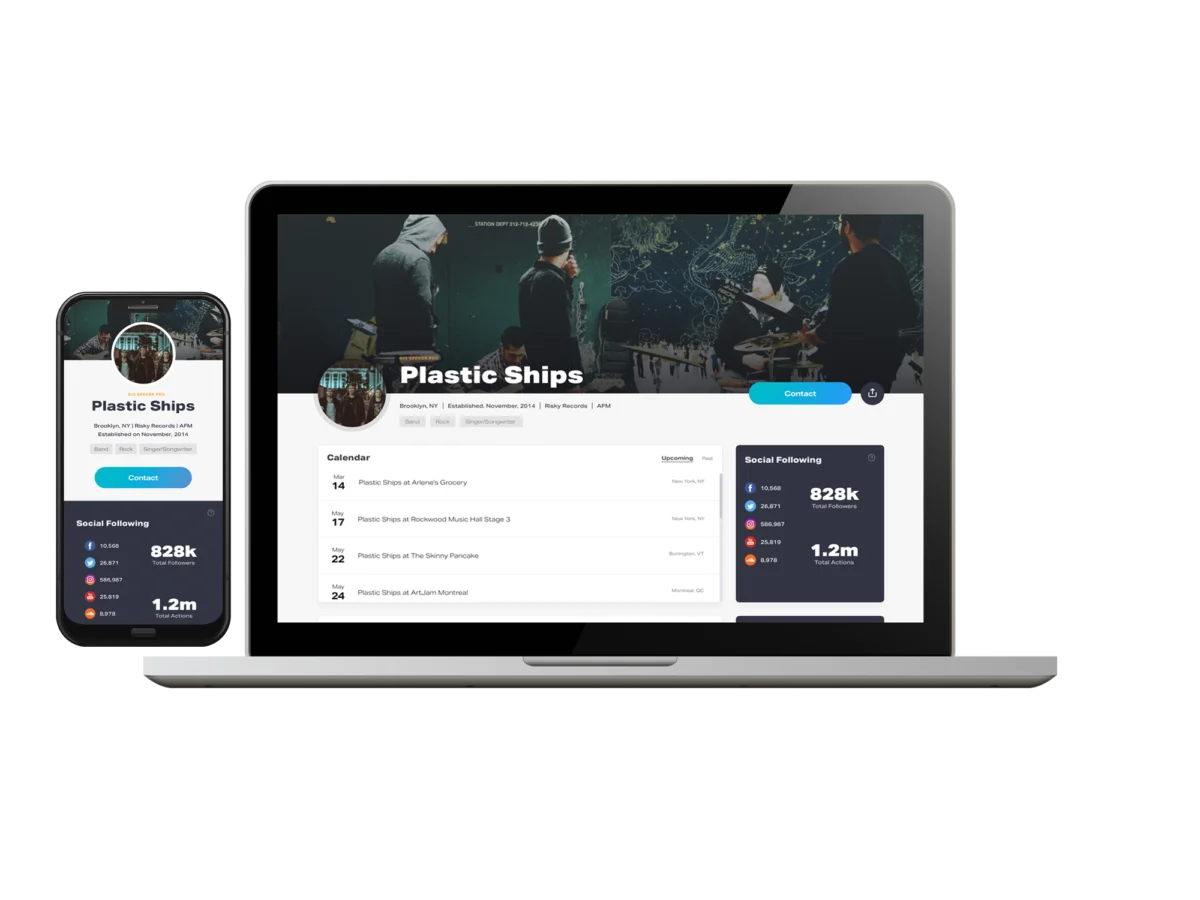
The landscape shifted fundamentally in 2001 with the launch of platforms like Sonicbids, which pioneered the industry standard for the Electronic Press Kit. This transition allowed for the democratization of the booking process, enabling artists to submit their materials to festivals and venues worldwide with a single click. By 2010, the digital format had almost entirely superseded physical kits, coinciding with the rise of social media and digital streaming platforms. Today, the EPK is no longer just a digital version of a folder; it is an interactive, multimedia portfolio that integrates real-time data from streaming services and social media analytics to provide a comprehensive view of an artist’s market viability.
Data and Market Saturation in the Independent Sector
The modern music market is characterized by unprecedented volume. According to recent industry reports, approximately 100,000 new tracks are uploaded to major streaming platforms every day. For talent buyers and media outlets, this volume creates a "paradox of choice," where the sheer amount of available talent makes it impossible to review every submission thoroughly. Data suggests that the average booking agent or music journalist spends less than 60 seconds reviewing an initial inquiry before deciding whether to engage further.
In this environment, the EPK functions as a critical efficiency tool. By consolidating essential information into a single, professional link, artists reduce the "friction" of the vetting process. Statistics from industry networking platforms indicate that artists with a complete and professional EPK are up to 40% more likely to receive a response from festival organizers compared to those who send scattered links to various social media profiles.
The Five Structural Pillars of Professional Credibility
Professionalism in the music industry is often measured by the quality of an artist’s presentation. An EPK provides five distinct advantages that contribute to an artist’s long-term career trajectory.
1. A Concise Representation of Artistry and Brand Identity
An EPK is not merely a storage space for files; it is a curated branding tool. It allows an artist to control the narrative of their career. A standard professional EPK includes a multi-tiered biography (a "tweet-length" elevator pitch, a short paragraph, and a full-length story), high-resolution promotional photography suitable for both web and print, and a selection of the artist’s most commercially successful or critically acclaimed tracks. By presenting these elements in a unified format, artists ensure that media outlets have the correct information to write accurate features, reducing the risk of misinformation.
2. Streamlining Industry Communication
Communication efficiency is a hallmark of the professional music business. Industry stakeholders, including A&R (Artist and Repertoire) representatives and sync licensing agents, operate under tight deadlines. When an artist provides a single EPK link, they eliminate the need for the recipient to search for social media handles, download large email attachments, or request high-resolution files. This "one-link" philosophy respects the time of busy professionals and signals that the artist understands the logistical requirements of the industry.
3. Establishing Social Proof and Market Credibility
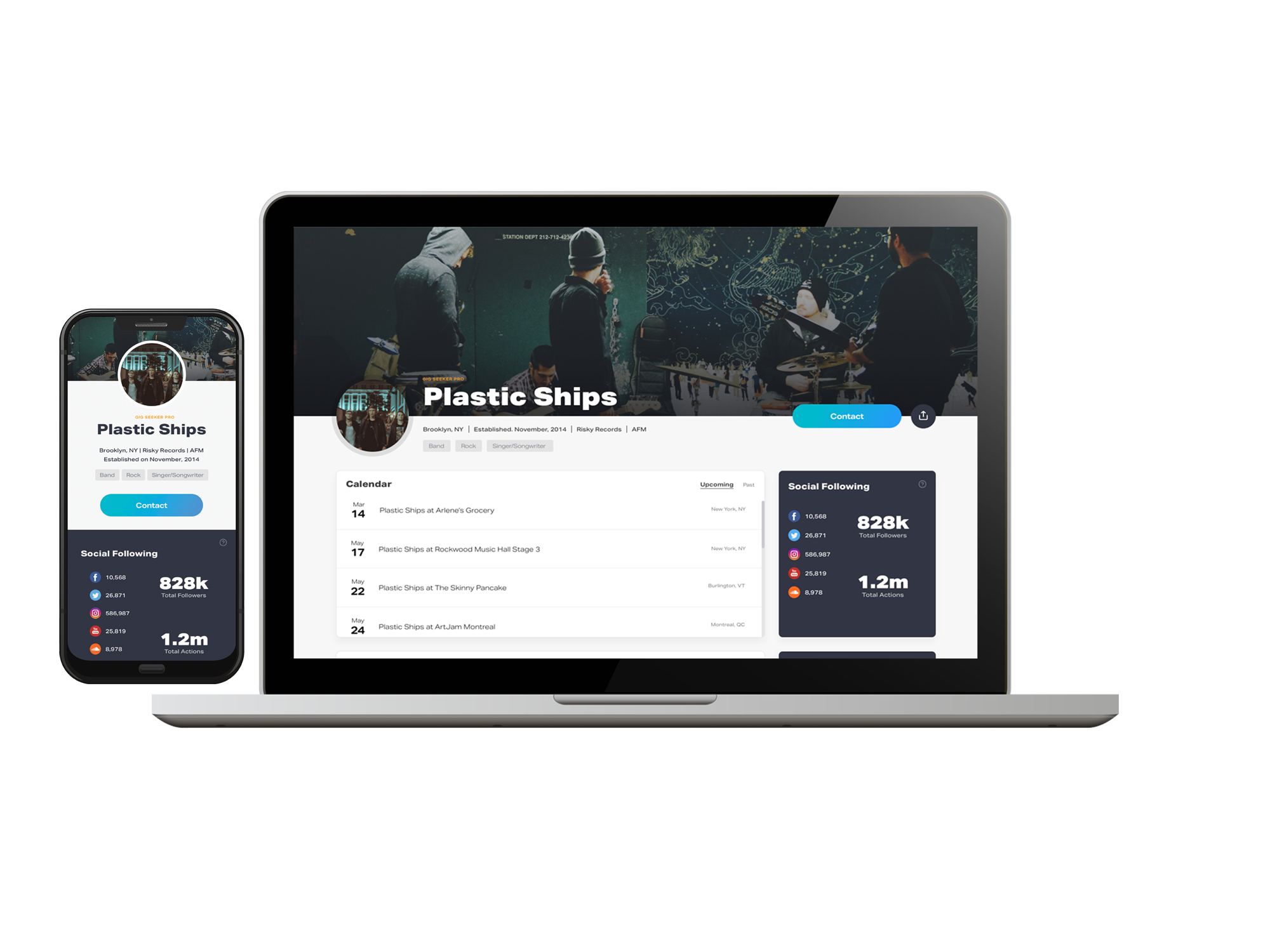
In a competitive market, credibility is often built through "social proof"—the validation of an artist’s work by third parties. A professional EPK prominently features press quotes, awards, and notable performance history. For example, if an independent artist achieves a milestone such as 50,000 monthly listeners on Spotify or a positive review from a respected publication like Pitchfork or Rolling Stone, the EPK serves as the official record of these achievements. This external validation is crucial for talent buyers who need to justify their booking decisions to venue owners and stakeholders.
4. Global Accessibility and 24/7 Availability
The digital nature of the EPK ensures that an artist’s materials are accessible across different time zones and geographic boundaries. As the music industry becomes increasingly globalized, an artist in Nashville may be scouted by a promoter in Berlin or a label head in Tokyo. Having a hosted EPK ensures that the artist’s "digital storefront" is open 24 hours a day. Furthermore, modern EPKs are optimized for mobile viewing, acknowledging that a significant portion of industry networking occurs on smartphones during live events and conferences.
5. Dynamic Growth Tracking and Career Documentation
Unlike static physical media, an EPK is a living document. It allows artists to update their credentials in real-time as their career progresses. When an artist transitions from playing small clubs to mid-sized theaters, or when they secure a high-profile opening slot for a major act, these milestones can be instantly integrated into the EPK. This continuous evolution demonstrates a "growth mindset" to potential partners, showing that the artist is actively gaining momentum in the marketplace.
Industry Perspectives and Official Responses
Industry veterans consistently emphasize the necessity of organized digital assets. In statements regarding the submission process for major festivals such as SXSW or Summerfest, organizers have noted that the use of standardized EPK platforms allows for a more equitable judging process. By having all artists present their data in a similar format, talent committees can compare metrics such as "draw" (the number of fans an artist can bring to a venue) and "engagement" more effectively.
Booking agents have frequently expressed frustration with "unsolicited attachments" in emails, which can trigger spam filters or clog server space. The official stance of many talent agencies is a preference for a single, cloud-based link that includes a "Technical Rider"—a document detailing the artist’s sound and lighting requirements. Including a technical rider within an EPK further elevates an artist’s status, indicating they are prepared for the logistical realities of touring.
Broader Implications for the Future of Music Management
The reliance on EPKs reflects a broader shift toward the "artist-as-entrepreneur" model. As major labels reduce their development budgets, the burden of proof has shifted to the artist. To secure a recording contract or a distribution deal, an artist must now present a "turnkey" package—a brand that is already professional, documented, and generating data.
The integration of Artificial Intelligence (AI) and advanced analytics is the next frontier for the EPK. Future iterations are expected to include predictive modeling, showing promoters the likely ticket sales based on an artist’s streaming density in a specific zip code. As these tools become more sophisticated, the EPK will transition from a promotional tool to a comprehensive business intelligence report.
Conclusion and Strategic Outlook
The Electronic Press Kit remains an indispensable asset for the independent musician. In an era defined by digital noise and rapid-fire consumption, the ability to present a clear, professional, and data-backed narrative is the primary way an artist can command attention. By centralizing music, media, and milestones, the EPK serves as the bridge between creative output and commercial opportunity. For the independent artist, the creation of an EPK is more than a marketing task; it is a foundational step in building a sustainable career in the global music industry. As the sector continues to evolve, those who prioritize professional presentation and streamlined communication will be best positioned to capitalize on the opportunities of the digital age.
