

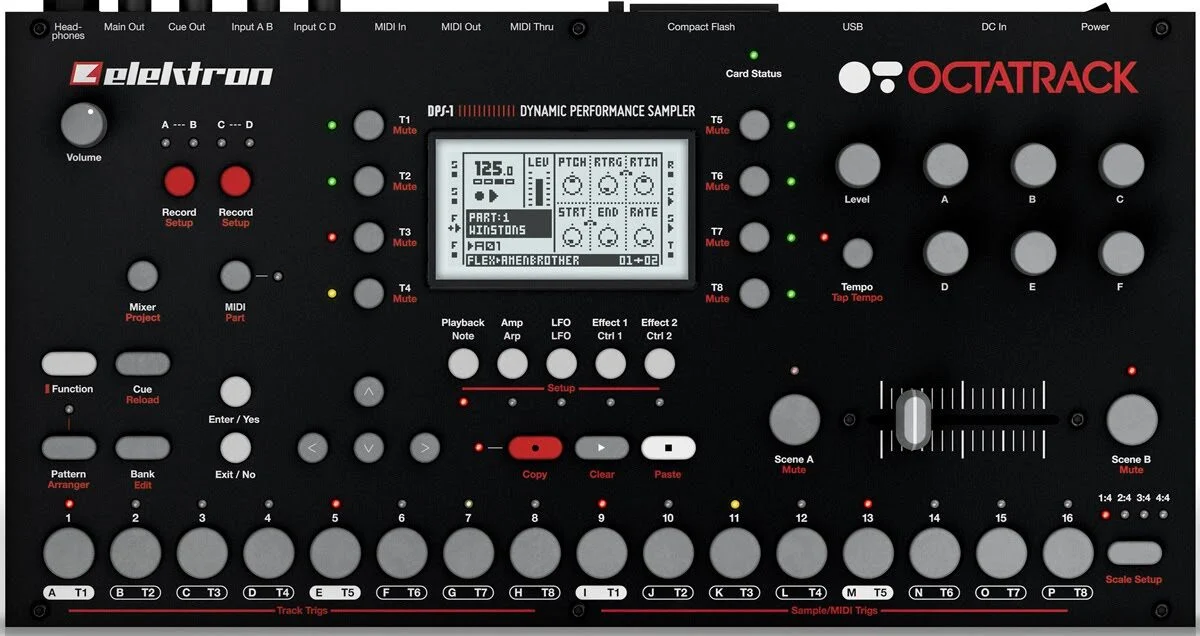
The electronic music production community has witnessed a significant milestone in hardware modularity with the emergence of Octabam, an open-source firmware modification framework designed specifically for the Elektron Octatrack. By leveraging a unique "remixing" methodology, the project allows owners of both the Octatrack MKI and MKII to generate bespoke versions of the device’s operating system, specifically targeting the official OS 1.40C. Unlike traditional firmware distributions that might infringe upon intellectual property rights, Octabam operates as a sophisticated patching utility. It requires users to provide their own legitimate copy of the Elektron firmware, which the software then modifies by injecting community-developed modules, experimental digital signal processing (DSP) algorithms, and critical bug fixes that have remained unaddressed in official releases.
Technical Overview and Core Functionality
The architecture of Octabam represents a departure from standard firmware updates. It functions as a build system rather than a static image. When a user runs the Octabam script—typically managed via a Python-based environment—it deconstructs the original 1.40C firmware and applies a series of binary patches. This modular approach ensures that users can select which features they wish to include in their "remix," effectively allowing for a personalized workflow that aligns with specific performance or studio requirements.
Among the most notable technical additions is the implementation of an auxiliary send bus. Historically, the Octatrack’s internal routing has been somewhat rigid, often requiring users to sacrifice one of the two available effect slots per track to achieve global spatial processing. Octabam addresses this by introducing a dedicated send bus featuring a high-quality delay and an eight-line Feedback Delay Network (FDN) reverb. This allows for more complex, lush ambient textures without exhausting the primary effect blocks of individual tracks.
Furthermore, the project introduces six experimental per-track inserts. These inserts expand the sonic palette of the Octatrack by offering new filter types, saturation circuits, and modulation effects. For sound designers, these additions provide a layer of grit and movement previously unattainable within the stock Elektron environment. The MIDI functionality has also seen a significant overhaul; Octabam enables MIDI-driven parameter locks, allowing external sequencers or controllers to manipulate the Octatrack’s internal parameters with a level of precision and automation that bypasses the limitations of the standard MIDI implementation.
Historical Context: The Evolution of the Octatrack
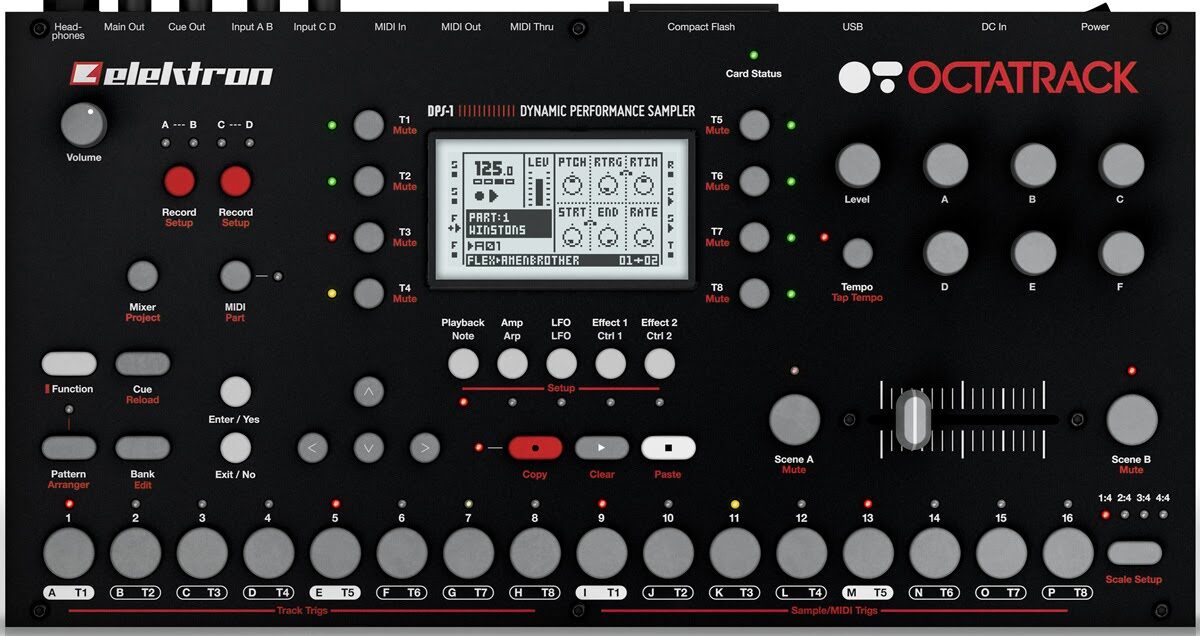
To understand the impact of Octabam, one must consider the historical trajectory of the Elektron Octatrack. Released in 2011, the Octatrack DPS-1 (MKI) was a revolutionary "Dynamic Performance Sampler" that redefined how artists approached live electronic music. Its combination of a powerful sequencer, crossfader-based scene transitions, and real-time sampling capabilities made it a staple in professional rigs. In 2017, Elektron released the MKII version, which featured improved hardware—including better buttons, a crisper OLED screen, and balanced inputs—but utilized the same internal DSP architecture and firmware codebase as its predecessor.
For over a decade, the Octatrack has been the flagship of the Elektron line, yet its aging Motorola Coldfire processor has presented challenges for continued official expansion. The release of OS 1.40C was seen by many as the "final" stable version of the software, as Elektron shifted its focus toward newer platforms like the Digitakt, Digitone, and Syntakt. However, the Octatrack’s user base remains one of the most dedicated in the industry. This devotion led to the "Octabam" initiative, as power users sought to unlock the remaining potential of the hardware’s aging but capable DSP.
The timeline of Octabam’s development follows a trend of "community-driven longevity" seen in other classic hardware, such as the JJOS for the Akai MPC series or the various custom firmwares for the Yamaha DX7. By moving the development into the open-source realm, the project ensures that the Octatrack can evolve even if official manufacturer support reaches its natural conclusion.
Supporting Data and Performance Enhancements
The Octabam project does not merely add features; it refines existing ones through data-driven optimizations. One of the most significant "quality of life" improvements is the "recorder-loop click fix." In the stock firmware, users occasionally reported audible clicks when a recording loop wrapped around, particularly when sampling external gear with high-frequency content. Octabam’s developers identified the zero-crossing and windowing issues within the firmware’s buffer management and applied a patch that smooths these transitions, resulting in seamless looping.
Another critical fix involves the LO-FI pitch correction. In certain playback scenarios, the Octatrack’s pitch-shifting algorithm could exhibit artifacts or inconsistent behavior when interacting with the LO-FI effect block. The Octabam remix incorporates a fix that stabilizes these interactions, ensuring tonal consistency during extreme sound manipulation.
The project also includes "expanded Octakit functionality." While the details of these expansions are technical, they generally refer to the way the device handles "Kits"—the collections of sounds and settings associated with a pattern. By optimizing the memory pointers within the firmware, Octabam allows for more robust kit management, reducing the risk of data corruption during complex live performances where patterns are changed rapidly.
Safety, Testing, and the "Remix" Framework
Given the risks inherent in flashing unofficial firmware to expensive hardware, the Octabam project has implemented a rigorous safety framework. The build system includes automated compatibility checks designed to detect conflicts between different modules. For example, if two community-developed effects attempt to utilize the same memory address in the DSP, the Octabam compiler will alert the user and halt the build process.
The project also provides emulation and testing tools. These allow developers to simulate the behavior of the modified firmware in a virtual environment before it is ever loaded onto the physical hardware. This "sandbox" approach is crucial for maintaining the stability that professional musicians require. Despite these precautions, the developers emphasize that Octabam is an unofficial modification. Flashing custom firmware typically voids manufacturer warranties and carries a non-zero risk of "bricking" the device if the process is interrupted or if a corrupted image is used. Consequently, the project mandates that users perform full backups of their projects and "Compact Flash" card data before proceeding.
Industry Implications and Developer Philosophy
The release of Octabam highlights a growing tension between hardware manufacturers and the "right to repair" and "right to modify" movements. While companies like Elektron have historically been protective of their proprietary code, the reality of the secondary market and the longevity of high-end instruments suggests that community-led development can actually increase the value of the hardware. A more capable Octatrack remains a more desirable Octatrack, potentially extending the product’s market relevance for another decade.
The developer of Octabam, known in the community as Sam Banks, has structured the project on GitHub to encourage collaboration. This "remix" philosophy allows other coders to submit their own "pull requests," contributing new modules or fixes to the main repository. This creates a living ecosystem where the firmware can be constantly refined.
Industry analysts suggest that projects like Octabam may force manufacturers to reconsider their approach to firmware. By providing a framework for safe modification, Elektron could theoretically embrace the community’s creativity without having to dedicate their own internal resources to legacy hardware. However, for now, Octabam remains a grassroots effort, fueled by the passion of artists who view the Octatrack not just as a tool, but as an instrument capable of infinite evolution.
Conclusion and Future Outlook
As of the current release, Octabam supports the shared OS 1.40C image for both MKI and MKII units. The community reaction has been largely positive, with early adopters reporting that the new FDN reverb and MIDI parameter locks significantly expand the device’s utility in modern production environments. The ability to sync delays to tempo more accurately and the elimination of long-standing bugs have also been cited as primary reasons for the shift to the custom OS.
Looking forward, the Octabam roadmap includes plans for even deeper integration of community modules, including potential new sequencer modes and expanded internal modulation matrices. For the global community of "Octanauts," as the device’s users are often called, Octabam represents more than just a software update; it is a declaration of independence for their hardware, ensuring that the Elektron Octatrack remains at the cutting edge of electronic music technology for years to come. The project serves as a definitive example of how open-source principles can revitalize aging technology, turning a static piece of hardware into a dynamic, evolving platform for sonic exploration. Owners interested in exploring these features are encouraged to visit the project’s repository, while remaining mindful of the technical requirements and risks associated with firmware modification.
