

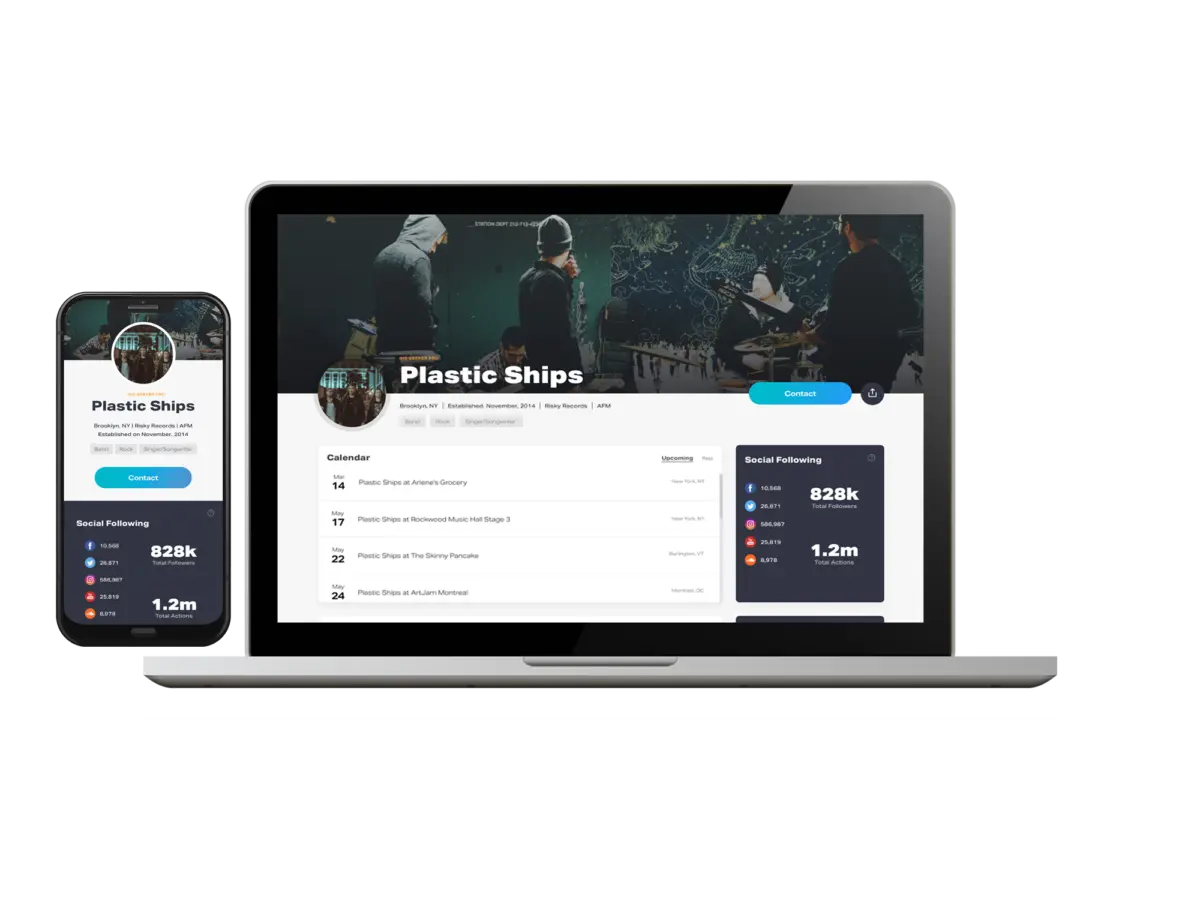
The landscape of the global music industry has undergone a radical transformation over the last two decades, shifting from a gatekeeper-heavy model to a decentralized digital ecosystem where independent artists now represent the fastest-growing segment of the market. Central to this evolution is the Electronic Press Kit (EPK), a professional digital resume that serves as the primary bridge between independent creators and the industry professionals—booking agents, festival talent buyers, publicists, and label executives—who facilitate career advancement. As the volume of new music reaching digital service providers exceeds 120,000 tracks per day, the EPK has transitioned from a supplemental promotional tool to a mandatory requirement for any artist seeking to secure professional opportunities in a saturated marketplace.
The Evolution of Artist Promotion: From Physical Folders to Digital Standards
To understand the current significance of the EPK, it is necessary to examine the chronological shift in how music is discovered and vetted. Throughout the 1980s and 1990s, "press kits" were physical entities, often consisting of a glossy 8×10 photograph, a printed biography, a physical cassette or CD, and a folder of photocopied newspaper clippings. These kits were expensive to produce and cumbersome to distribute, often resulting in significant financial barriers for independent musicians.
The year 2001 marked a pivotal turning point with the founding of Sonicbids, which established the first industry-standard platform for digital press kits. This innovation allowed artists to consolidate their assets into a single, shareable link. This shift mirrored the broader digital revolution occurring in the music business, moving away from physical mailings toward the instantaneous, high-bandwidth communication that defines the modern era. By the mid-2010s, the physical press kit had become largely obsolete, replaced by cloud-based EPKs that integrate streaming audio, high-definition video, and real-time social media analytics.
The Five Pillars of a Professional Electronic Press Kit
A modern EPK is more than a simple website or a collection of files; it is a curated narrative designed to answer the specific questions of a talent buyer or journalist within seconds. Industry data suggests that a professional reviewer may spend less than two minutes on an initial assessment of an artist. Therefore, the structure of the EPK is critical to its success.
1. The Narrative Bio and Artistic Vision
The biography serves as the foundation of the artist’s brand. Journalistic standards in the music industry prioritize a "hook"—a unique story or background that distinguishes the artist from millions of others. A professional EPK typically includes three versions of the bio: a "tweet-length" elevator pitch, a one-paragraph summary, and a full-length narrative. This tiered approach allows media professionals to quickly find the information that fits their specific format, whether it is a short social media blurb or a long-form feature article.
2. High-Fidelity Multimedia Assets
In the visual-driven economy of 2024, the quality of promotional photography and video content is often equated with the quality of the music itself. A professional EPK includes high-resolution, "press-ready" images in both landscape and portrait orientations to accommodate different layout requirements for web and print. Furthermore, the inclusion of embedded live performance videos provides essential proof of an artist’s "stage-readiness," a critical metric for booking agents who are risk-averse when hiring unknown talent for high-stakes events.
3. Quantitative Data and Social Proof
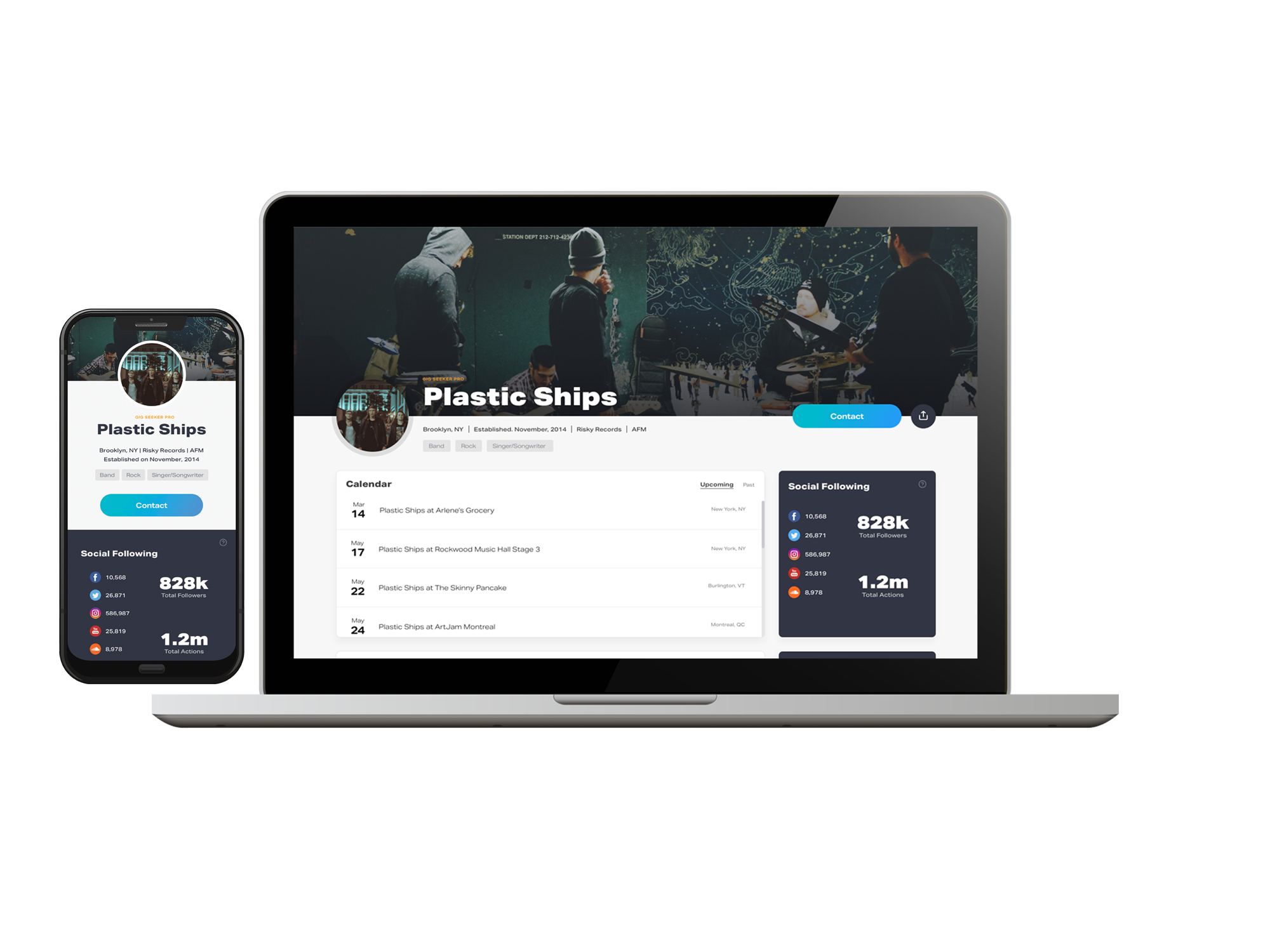
While music is an inherently subjective medium, the business of music relies heavily on objective data. An effective EPK integrates "social proof"—metrics that demonstrate an existing audience. This includes streaming statistics (e.g., "10,000 monthly listeners on Spotify"), social media engagement rates, and notable press quotes. For an independent artist, demonstrating a growth trajectory through data can be more persuasive to a label or promoter than the music alone, as it mitigates the perceived financial risk of a partnership.
4. Discography and Technical Requirements
The EPK acts as a centralized repository for an artist’s best work. Rather than providing links to multiple external platforms, the EPK hosts high-quality audio files or direct embeds that allow for seamless listening. Additionally, for touring artists, the inclusion of a "Tech Rider" and "Stage Plot" within the EPK is a standard professional practice. These documents detail the technical specifications (microphones, inputs, monitor mixes) required for a performance, signaling to venue engineers that the artist is prepared and professional.
5. Contact and Booking Information
The final pillar is accessibility. An EPK must provide clear, direct channels for inquiries. In the professional sphere, the absence of clear contact information is often viewed as a lack of "business readiness." By centralizing management, booking, and PR contacts, the EPK eliminates friction in the negotiation process.
Streamlining Communication in a High-Volume Industry
The primary utility of the EPK for industry professionals is the reduction of "communication friction." Talent buyers at major festivals, such as SXSW or Glastonbury, receive thousands of applications annually. Managing these through fragmented emails and diverse file formats is logistically impossible.
According to industry analysts, the use of standardized EPK platforms allows festival organizers to filter and categorize talent efficiently. When an artist provides a single, organized link, they are respecting the time of the professional on the receiving end. This efficiency increases the likelihood of a review; conversely, an artist who sends multiple unorganized attachments or broken links is frequently disregarded regardless of their musical merit. This streamlined approach has become the "unspoken handshake" of the professional music world.
Establishing Credibility and Professionalism
In the independent music sector, the "signal-to-noise ratio" is a constant challenge. An EPK serves as a primary signal of professionalism. It demonstrates that an artist has invested time and resources into their career, which in turn suggests they will be reliable partners for venues and labels.
The concept of "first impression bias" is highly relevant here. When a promoter clicks on an EPK and sees a polished, cohesive presentation, they subconsciously associate that quality with the artist’s work ethic. This psychological factor often determines whether an artist is booked for a $500 local club date or a $5,000 festival slot. In a field where talent is abundant, professionalism becomes the ultimate competitive advantage.
The Economic Impact of Digital Accessibility
The accessibility of the EPK has democratized the music industry to a degree never seen before. Geographic barriers that once isolated artists in rural or non-musical hubs have been largely dismantled. A producer in a home studio can now present their work to a journalist in London or a label in Los Angeles with the same professional veneer as a signed artist.
Furthermore, the 24/7 nature of the digital EPK means that scouting never stops. Data from talent discovery platforms indicates that a significant percentage of "scouting clicks" occur outside of traditional business hours. Because an EPK is always "live," it functions as a tireless representative for the artist, making their pitch even while they are asleep or on stage. This constant availability maximizes the "surface area" for luck and opportunity to strike.
Analysis of Long-term Growth and Career Sustainability
An EPK is not a static document but a dynamic archive of an artist’s career progression. Chronologically updating the kit with new milestones—such as a successful tour, a viral single, or a sync placement in a film—creates a record of momentum.
From a strategic perspective, this constant evolution is vital. The music industry is trend-averse and risk-averse; professionals look for "signs of life." An EPK that has been updated within the last 30 days sends a clear message that the artist is active and growing. This narrative of "continuous improvement" is often what attracts long-term investment from managers and talent agencies who are looking for artists with longevity rather than one-hit wonders.
Conclusion: The Mandatory Path Forward
As the music industry continues to integrate advanced technologies, including AI-driven discovery and blockchain-based rights management, the fundamental need for a clear, human-curated identity remains unchanged. The Electronic Press Kit is the definitive tool for this purpose. It bridges the gap between the chaotic creative process and the structured requirements of the business world.
For the independent artist, the creation of an EPK is an act of professional self-actualization. It requires the artist to step back from their music and view their work through the lens of a business partner. In doing so, they prepare themselves for the rigors of the global stage. In an era where the barrier to entry for making music is lower than ever, the barrier to professional success remains high. The EPK is the essential key that unlocks the gates to that professional realm, ensuring that an artist’s music is not just heard, but valued and sought after.
