

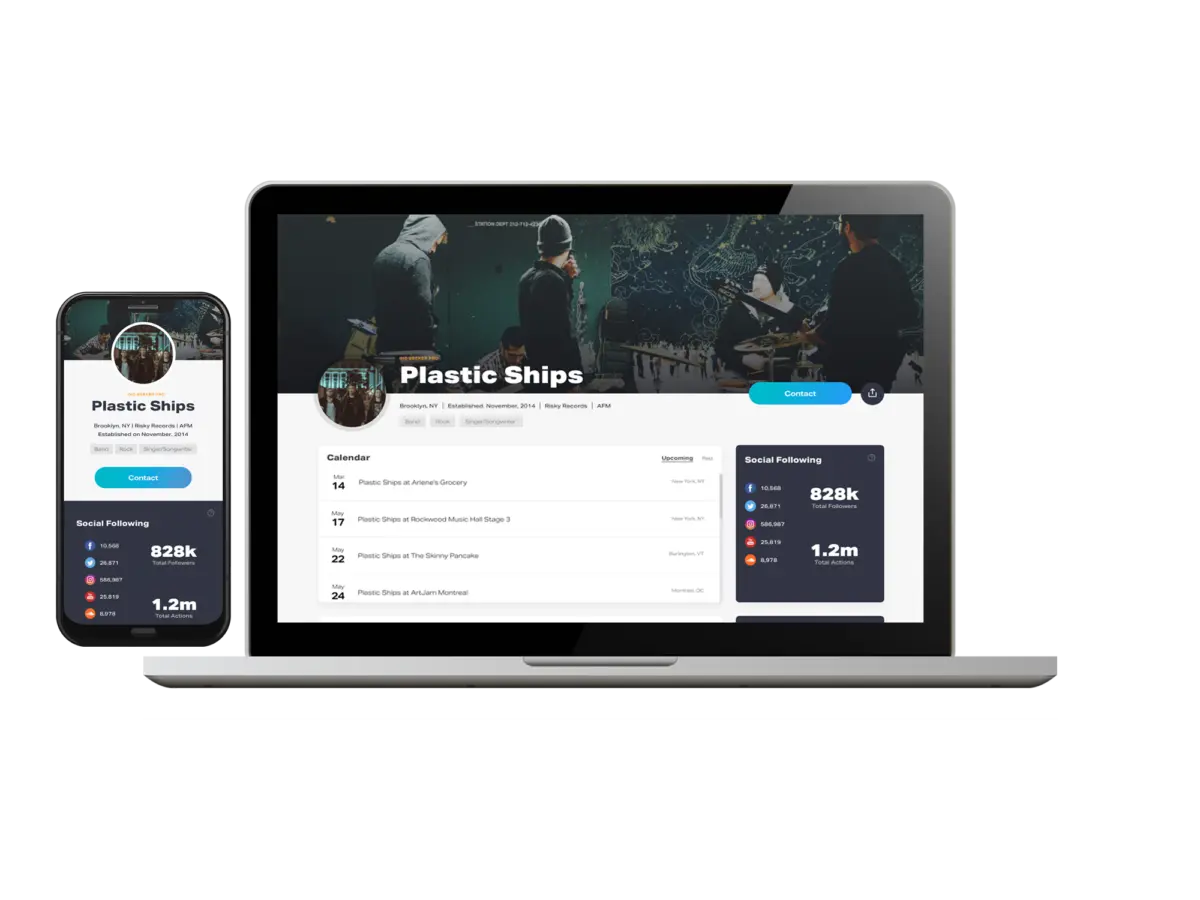
Mastering the Digital Stage: Why the Electronic Press Kit Remains the Essential Tool for Independent Music Success in 2024 is the definitive guide for navigating the increasingly complex landscape of the modern music industry, where the transition from physical media to digital dominance has fundamentally altered how artists interact with industry gatekeepers. In the contemporary music ecosystem, independent artists are required to function as their own managers, publicists, and booking agents, making the Electronic Press Kit (EPK) an indispensable asset for professional survival. Since the inception of digital hosting services like Sonicbids in 2001, the EPK has evolved from a simple digital folder into a sophisticated multimedia resume that serves as the primary point of contact between an artist and the global music market. As the industry faces a saturated market where over 100,000 new tracks are uploaded to streaming platforms daily, the ability to present a curated, professional, and easily accessible narrative has become the differentiating factor between obscurity and commercial viability.
The Evolution of Artist Promotion: From Physical Mailers to Digital Portals
To understand the current necessity of the EPK, one must examine the historical trajectory of music promotion. Prior to the digital revolution of the early 2000s, independent artists relied on physical press kits, which typically consisted of a demo cassette or CD, a printed 8×10 glossy photograph, a typed biography, and a folder of photocopied press clippings. These kits were expensive to produce and cumbersome to distribute, often resulting in significant financial loss for DIY musicians when materials were discarded by overwhelmed A&R departments or venue managers.
The emergence of Sonicbids in 2001 marked a pivotal shift in this paradigm. By standardizing the digital press kit, the platform allowed artists to consolidate their assets into a single, linkable URL. This transition did more than just save on postage; it democratized access to major festivals and booking opportunities. Today, the EPK is no longer a luxury but an industry standard. It functions as a centralized hub that aggregates music, high-resolution imagery, video content, social media metrics, and historical achievements into a streamlined package designed for rapid consumption by busy professionals.
A Comprehensive Snapshot of Artistic Identity
The primary function of an EPK is to provide a concise and compelling representation of an artist’s vision. In a professional context, industry stakeholders—ranging from festival talent buyers to music journalists—rarely have the luxury of time to search through various social media profiles to piece together an artist’s story. An EPK solves this by providing a "one-stop shop" for all pertinent information.
A standard, high-quality EPK in 2024 must include several critical components. First is the professional biography, which should be tiered into "elevator pitch" (one sentence), "short bio" (one paragraph), and "full bio" formats. This allows a journalist to grab exactly what they need for a specific article length. Second is the discography, featuring high-quality audio streams that do not require the listener to download files or navigate through intrusive advertisements. Third is the visual component: high-resolution promotional photos (both landscape and portrait) and embedded music videos or live performance footage. Data shows that EPKs featuring live performance video have a significantly higher success rate in securing venue bookings, as they provide tangible proof of an artist’s ability to command a stage.
Streamlining Industry Communication and Efficiency
Efficiency is the currency of the modern music business. For booking agents and labels, the ability to assess an artist’s potential in under three minutes is vital. The EPK facilitates this by eliminating the "link-heavy" email, which often triggers spam filters or overwhelms the recipient. Instead of sending five separate links for Spotify, YouTube, Instagram, a bio PDF, and a Dropbox folder of photos, the artist sends a single, professional link.
This streamlined communication respects the time of industry professionals. According to industry surveys, talent buyers at mid-to-large scale venues receive hundreds of inquiries per week. An artist who provides a well-organized EPK is viewed as "tour-ready" and professional, whereas an artist who sends a disorganized list of links is often dismissed as amateur. By centralizing assets, the EPK ensures that the most recent and relevant versions of an artist’s work are the ones being reviewed, preventing the accidental distribution of outdated demos or low-quality imagery.
Establishing Credibility in a Saturated Market
In the "attention economy," credibility acts as a gatekeeper. For an independent artist, establishing this credibility without the backing of a major label requires the strategic presentation of "social proof." The EPK serves as the vessel for this proof. By including press quotes, reviews from reputable blogs, and a list of notable past performances, the artist builds a narrative of momentum.
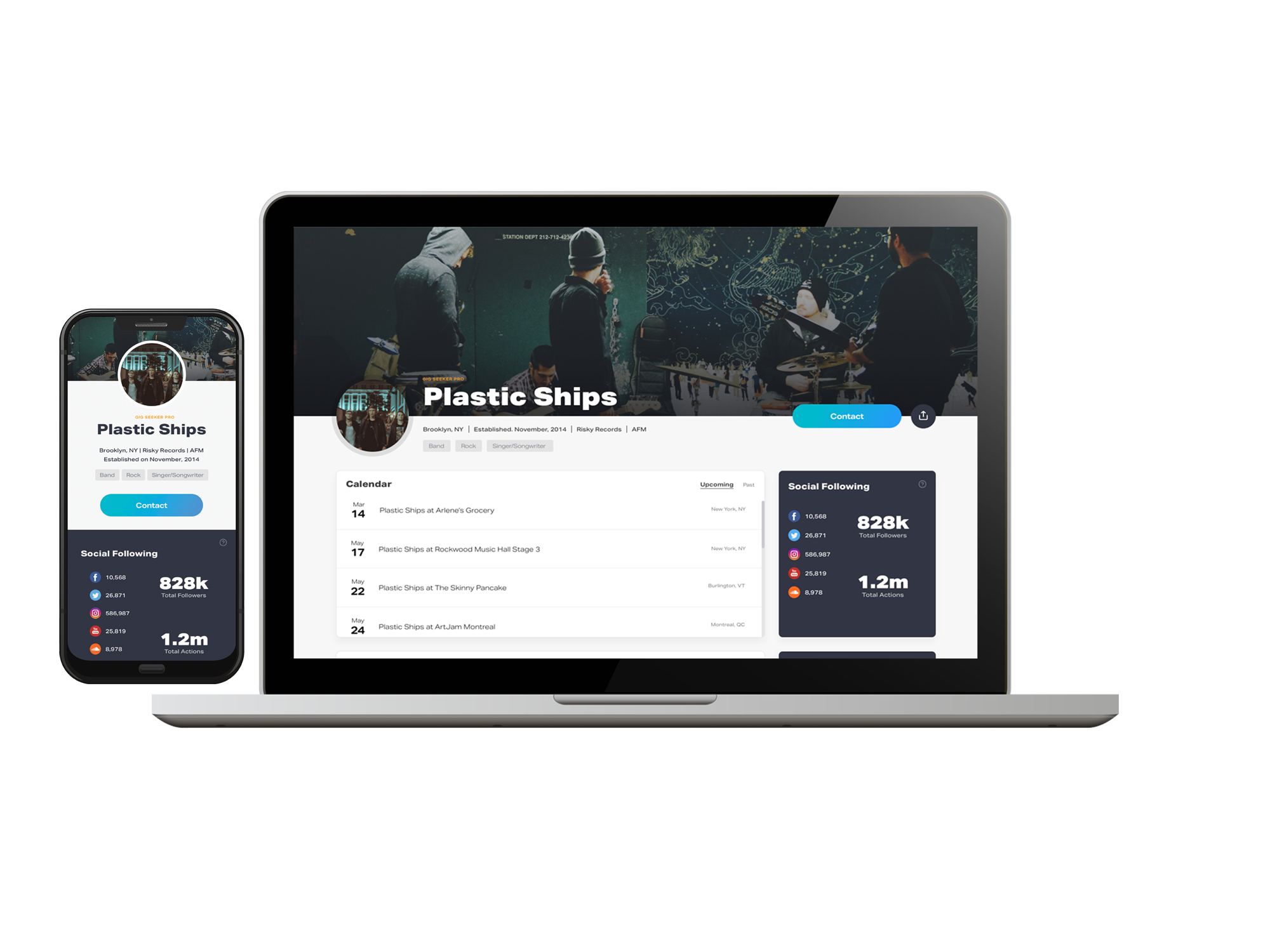
If an artist has achieved significant milestones—such as reaching 50,000 streams on a single track, being featured on a curated Spotify playlist, or opening for a national touring act—these facts must be highlighted prominently. For example, a quote from a local music critic or a mention of a "Sold Out" show at a reputable club functions as a third-party endorsement. This professional presentation bridges the gap between being a "hobbyist" and a "professional," signaling to promoters that the artist is a low-risk, high-reward investment for their stage.
Accessibility and the Global Scouting Network
The digital nature of the EPK provides a level of accessibility that was previously impossible. Because an EPK is hosted online, it is available 24/7 to scouts and professionals across different time zones. This is particularly relevant for the rise of global music markets and international festival circuits. A talent buyer in London can review the EPK of an artist in Los Angeles at any hour, facilitating international opportunities without the need for immediate direct contact.
Furthermore, the shareability of an EPK link allows it to be passed easily between departments. If a publicist likes a band, they can instantly forward the EPK to a booking agent or a sync licensing representative. This ease of movement within the industry hierarchy increases the "virality" of an artist’s professional profile. In an era where "sync" deals (placing music in film, television, and gaming) are a primary revenue stream for indie artists, having a professional kit that music supervisors can access quickly is essential for capitalizing on sudden opportunities.
The EPK as a Living Document for Growth
One of the most significant advantages of the digital press kit is its capacity for real-time updates. Unlike physical media, which is static once printed, an EPK is a living document that evolves alongside the artist’s career. As an artist gains more experience, the EPK should reflect that growth.
Professional career management requires the regular updating of an EPK to include new releases, updated press photos that reflect the current "era" of the artist, and refreshed statistics. For instance, if an artist’s social media following grows by 20% following a viral video, or if they win a regional music award, these updates can be integrated immediately. This constant refinement demonstrates to the industry that the artist is active, engaged, and on an upward trajectory. A stagnant EPK suggests a stagnant career, while a frequently updated one signals a brand that is worth following.
Analysis of Implications: The Future of Artist Discovery
The continued reliance on EPKs highlights a broader trend in the music industry: the professionalization of the independent sector. As data analytics become more integrated into A&R processes, the EPK of the future may likely include integrated data dashboards showing real-time listener demographics and geographic "hotspots" for touring.
However, the human element remains paramount. While data can prove a following, the EPK provides the "vibe" and the "story"—the qualitative elements that data cannot capture. It allows the artist to control their narrative rather than leaving it to the whims of an algorithm. In the long term, the EPK serves as the foundation of an artist’s brand identity, ensuring that when opportunity strikes, the artist is prepared to meet it with professional rigor.
Conclusion: The Catalyst for Career Advancement
In conclusion, the Electronic Press Kit is far more than a digital resume; it is a critical infrastructure for any serious independent music career. By providing a concise representation of artistry, simplifying communication, boosting credibility, and offering a platform for continuous growth, the EPK empowers artists to take control of their professional destinies.
Platforms like Sonicbids have set the standard for over two decades, proving that while music trends and technologies change, the need for professional presentation remains constant. For the independent artist, the message is clear: the music is the product, but the EPK is the storefront. Investing the time to create and maintain a high-quality EPK is not just a clerical task; it is a strategic move that prepares an artist for the transition from local talent to a globally recognized brand. As the music industry continues to evolve, those who master the art of the EPK will be the best positioned to navigate the challenges and seize the opportunities of the digital age.
