

The independent music sector has undergone a seismic shift over the last decade, transitioning from a peripheral component of the entertainment industry to its fastest-growing segment. As digital distribution lowers the barriers to entry, the primary challenge for modern artists has shifted from production to visibility and professional connectivity. In this saturated market, the traditional "lone wolf" approach to artistry is increasingly being replaced by a collaborative model where networking is viewed not merely as a social endeavor, but as a critical business strategy. Industry analysts suggest that the strength of an artist’s professional network is now a primary indicator of long-term career sustainability. This report examines the evolving landscape of musician networking, identifying five unconventional strategies that are currently reshaping how independent creators build community and expand their professional reach.
The Evolution of Musical Networking: From Physical Gatekeepers to Peer-to-Peer Ecosystems
Historically, the trajectory of a musical career was dictated by a rigid hierarchy of gatekeepers, including A&R executives, radio programmers, and major label representatives. Networking in the 20th century was largely vertical, focused on gaining the attention of those in positions of institutional power. However, the democratization of music technology and the rise of streaming platforms have inverted this structure. Today’s networking is predominantly horizontal, emphasizing peer-to-peer collaboration and cross-disciplinary partnerships.
According to data from Midia Research, the "independent artist-direct" segment generated approximately $1.2 billion in 2020, representing a 34.1% increase from the previous year. This growth is largely attributed to the ability of independent artists to bypass traditional institutions and build their own localized or digital ecosystems. Programs like the Sonicbids Feedback Collective have emerged to address this need, providing structured environments where artists can receive peer critique and establish professional bonds outside of the traditional industry framework.

Cross-Disciplinary Integration: The Local Arts Scene as a Catalyst
One of the most effective yet underutilized networking strategies involves engaging with the broader local arts community. While musicians often gravitate toward other musicians, significant opportunities for innovation and audience expansion exist at the intersection of different creative disciplines. Visual arts, theater, and performance poetry offer fertile ground for what Brian Eno famously termed "scenius"—the intelligence and intuition of a whole cultural scene.
By attending gallery openings or local theater productions, musicians can identify opportunities for soundtracking, live accompaniment, or collaborative multimedia installations. For example, a sculptor may require an ambient soundscape for a gallery exhibition, or a local theater troupe may seek original compositions for a new play. These partnerships provide musicians with access to the visual artist’s or the theater’s existing audience, facilitating a "cross-pollination" of fanbases. Furthermore, cross-disciplinary collaboration often leads to the development of unique artistic identities that distinguish musicians in a crowded digital marketplace.
Community Infrastructure: The Rise of the Jam Session and Workshop Model
In an era dominated by digital interaction, the physical "space" of the jam session remains a cornerstone of professional development. However, the modern iteration of this practice has evolved beyond informal gatherings into structured workshops and "feedback collectives." These events serve as a micro-incubator for talent, allowing musicians from disparate genres to interact in a low-stakes environment.
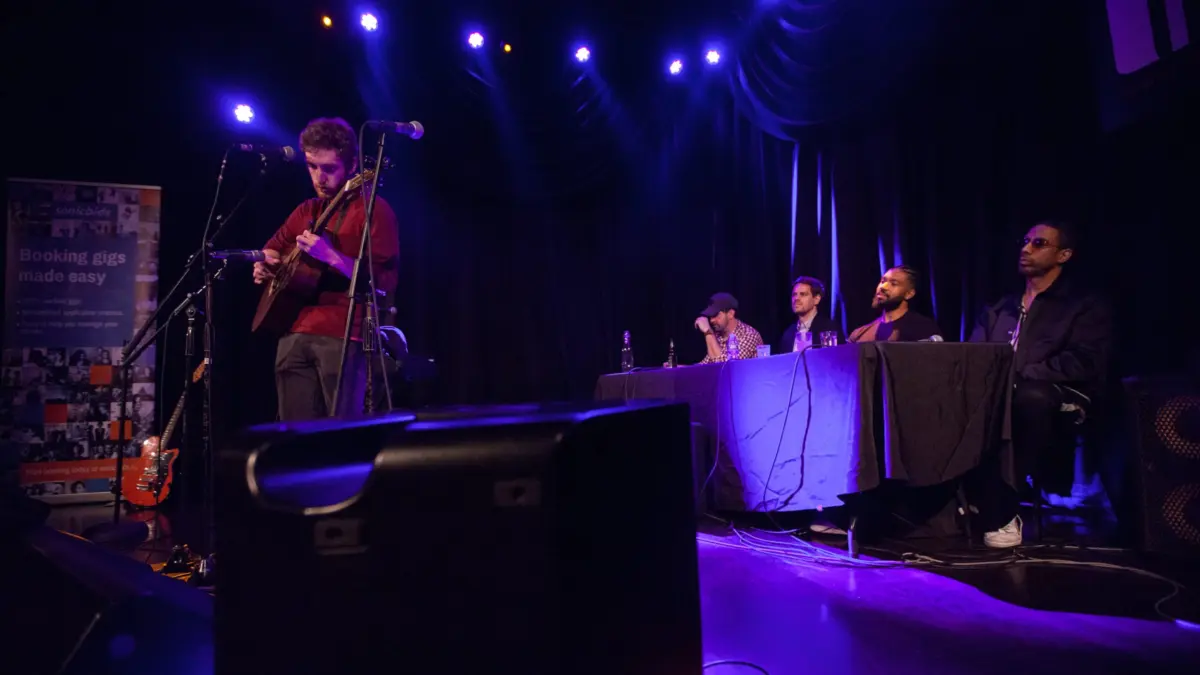
Hosting a jam session or a songwriting workshop allows an artist to position themselves as a community leader. This role provides significant social capital. When a rock guitarist collaborates with a jazz saxophonist in a workshop setting, the resulting "fusion" often yields creative breakthroughs that would not occur in isolation. According to participants in recent Sonicbids-hosted Feedback Collective Panel Discussions, these structured interactions are essential for breaking down the silos that often separate different musical subcultures. By creating a space for dialogue, artists can share resources, such as information on reliable venues, trustworthy sound engineers, and effective marketing tactics.

The Digital Collaborative Frontier: Beyond Social Media
While platforms like Instagram and TikTok are essential for fan engagement, they are often less effective for deep professional collaboration. Consequently, a new tier of "creative-first" platforms has gained prominence. Tools such as BandLab, SoundCloud, and specialized Discord servers are designed to facilitate the actual process of music creation across geographical boundaries.
BandLab, which recently surpassed 60 million users, allows musicians to collaborate on tracks in real-time using a cloud-based digital audio workstation (DAW). This shift toward digital-first collaboration has profound implications for the industry. It allows a producer in London to work with a vocalist in Nashville and a percussionist in Lagos, creating a globalized sound that is not tethered to a specific geographic "scene." Journalistic analysis of these platforms suggests that the most successful users are those who engage deeply with the community—leaving constructive feedback on others’ works-in-progress and proposing specific collaborative projects rather than simply broadcasting their finished content.
The Festival Labor Exchange: Volunteering as Strategic Access
Music festivals represent the pinnacle of industry concentration, bringing together artists, agents, managers, and technical professionals in a high-density environment. For the independent musician, the barrier to entry for these events can be high. However, volunteering provides a strategic "backdoor" into these professional circles.
Working within the logistical framework of a festival—whether in artist relations, stage management, or technical support—offers a level of access that a standard ticket holder cannot obtain. It allows musicians to observe the "mechanics" of large-scale productions and to build rapport with industry professionals during the shared effort of event execution. Case studies of emerging artists often reveal that their first major touring opportunities or management contracts originated from connections made while working in a support capacity at regional festivals. This "service-first" approach to networking builds a reputation for reliability and professionalism, traits that are as highly valued in the industry as musical talent.

Leveraging the Fanbase: The Audience as a Networking Asset
The traditional view of the fan-artist relationship is one-way: the artist creates, and the fan consumes. However, the modern independent model views the fanbase as an active network of advocates and connectors. Direct-to-fan engagement tools, such as polls, surveys, and private community groups (e.g., Patreon or Geneva), allow artists to leverage the diverse professional backgrounds of their audience.
A fan may be a graphic designer, a venue owner, or a friend of a prominent booking agent. By involving the fanbase in the creative process—such as asking for recommendations for collaborators—musicians can tap into a vast, decentralized network. This strategy not only uncovers new professional leads but also fosters a sense of "psychological ownership" among fans. When a fan facilitates a connection that leads to a successful collaboration, their loyalty to the artist is solidified, and they become more invested in the artist’s long-term success.
Analysis of Implications: The Sustainability of the Collaborative Model
The move toward these five networking strategies reflects a broader shift in the music economy. As streaming royalties remain low for the majority of independent creators, the "value" of a career is increasingly found in diversified revenue streams—sync licensing, live performance, and collaborative projects. Each of these streams is heavily dependent on a robust professional network.
Furthermore, the psychological impact of these networking strategies cannot be overlooked. The independent music path is often characterized by isolation and burnout. By fostering a sense of community through local events, workshops, and digital collaboration, musicians build a social safety net. This communal approach to the industry mitigates the risks associated with the "gig economy" and provides a framework for collective problem-solving.

Future Outlook: The Professionalization of the Independent Artist
As the industry continues to evolve, the distinction between "independent" and "professional" is blurring. The most successful independent artists are those who adopt the networking rigors of a traditional business while maintaining the creative agility of a grassroots creator. The integration of cross-disciplinary collaboration, digital tools, and community leadership is no longer optional; it is the blueprint for survival in the 21st-century music landscape.
In conclusion, networking for the modern musician has moved far beyond the exchange of business cards at industry mixers. It is an multifaceted practice that involves community building, strategic volunteering, and the creative use of digital ecosystems. By embracing these unexpected avenues for connection, independent musicians can amplify their reach, enhance their creative output, and build a career that is resilient in the face of an ever-changing industrial climate. The "adventure" of networking, as illustrated by initiatives like the Sonicbids Feedback Collective, is ultimately about transforming the solitary act of creation into a collective movement.
