

The contemporary music industry has undergone a radical transformation over the last decade, shifting from a centralized, label-driven model to a decentralized "creator economy" where independent artists now command a significant portion of the global market share. According to recent industry reports from Midia Research, independent artists generated over $1.2 billion in 2023, representing a double-digit growth rate that outpaces the traditional major label sector. Within this hyper-competitive landscape, the ability to network and collaborate has moved from a supplementary skill to a core business requirement. As the barriers to entry for music production and distribution have vanished, the primary challenge for the modern independent musician is no longer technical, but social and strategic. Networking is no longer merely about "meeting people"; it is about the intentional construction of a professional ecosystem that provides emotional support, creative friction, and expanded audience access.
The Shift Toward Cross-Disciplinary Creative Placemaking
The traditional advice for musicians has often focused on industry-specific silos, such as meeting A&R executives or booking agents. However, a burgeoning trend in the independent sector involves "cross-disciplinary integration," where musicians embed themselves into broader local art scenes. This strategy, often referred to by urban planners as "creative placemaking," involves the deliberate use of arts and culture to strengthen the social and economic fabric of a community. By engaging with visual artists, theater troupes, and poets, musicians can tap into existing audiences that are already predisposed to supporting the arts but may not be aware of a specific local music act.

The logic behind this approach is rooted in the "Experience Economy," a term coined by Pine and Gilmore. In this economic model, consumers are not just looking for a product—such as a song on Spotify—but for a transformative experience. When a musician provides the soundtrack for a sculptor’s gallery opening or composes original scores for a local theater production, they are positioning their art within a high-value experiential context. This type of collaboration often leads to "accidental networking," where the artist is introduced to donors, local government officials, and community leaders who view the musician not just as a performer, but as a vital contributor to the local cultural infrastructure.
The Architecture of Community: The Rise of Professional Development Workshops
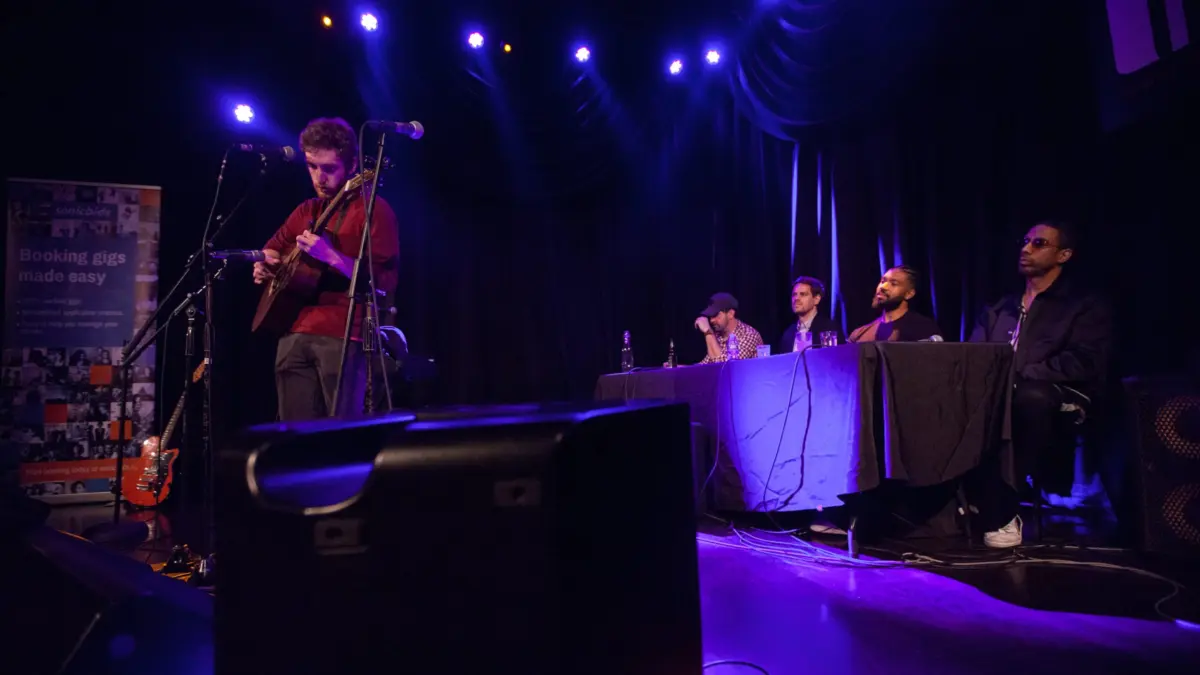
While informal networking remains valuable, there is a growing movement toward structured collaborative environments. Organizations such as Sonicbids have pioneered initiatives like the "Feedback Collective," a series of panel discussions and songwriting workshops designed to bridge the gap between creative output and professional critique. These events serve a dual purpose: they provide immediate educational value while creating a "low-stakes" environment for networking. For many independent artists, the intimidation factor of networking is mitigated when the interaction is centered around a shared task, such as critiquing a demo or brainstorming a marketing strategy.
The chronology of these professional workshops often follows a specific trajectory. Typically, an artist begins by attending as a passive observer, moves into active participation in jam sessions, and eventually evolves into a facilitator or host. This progression is essential for building "social capital." By hosting a jam session or a workshop, an artist transitions from a seeker of opportunities to a provider of value. This shift in status is crucial in a professional setting; it signals to other musicians and industry professionals that the artist possesses leadership qualities and a commitment to the growth of the collective scene. Furthermore, the sonic diversity found in these sessions—where a rock guitarist might collaborate with a jazz saxophonist—often leads to the "Medici Effect," a term used to describe the burst of innovation that occurs when different disciplines and cultures intersect.

Digital Frontiers and the Democratization of Collaboration
The digital landscape has expanded far beyond the promotional confines of Instagram and TikTok. Emerging platforms like BandLab, SoundCloud, and Splice have introduced sophisticated collaborative tools that allow musicians to work together regardless of geographical constraints. BandLab, in particular, has reported a user base of over 60 million creators, many of whom utilize the platform’s cloud-based Digital Audio Workstation (DAW) to co-write and produce tracks in real-time. This "remote-first" collaboration model has significantly lowered the cost of production and expanded the creative palette of independent artists.
A fact-based analysis of digital engagement shows that "meaningful social interaction" (MSI) on these platforms leads to higher retention rates for fans and collaborators alike. Rather than broadcast-style marketing, successful independent artists are utilizing these platforms for "micro-networking." This involves leaving thoughtful, technical feedback on a peer’s track or proposing a "remix swap." These interactions are data-backed drivers of growth; SoundCloud’s internal data suggests that artists who engage in frequent peer-to-peer comments and reposts see a 30% higher growth in their own follower count compared to those who use the platform solely for distribution. The implication is clear: in the digital age, networking is a reciprocal exchange of attention and expertise.
The Strategic Value of "Sweat Equity" in the Festival Circuit
Despite the rise of digital tools, the live event sector remains the cornerstone of the music industry’s economic health. Following the global pandemic, the festival market has seen a robust recovery, with projected annual growth rates of 18% through 2030. For the independent musician, however, getting on the lineup of a major festival can be a multi-year process. This is where "sweat equity"—volunteering time and labor—becomes a strategic networking tool.

Volunteering at a music festival provides a "behind-the-curtain" look at the logistics of the industry. It places the artist in direct contact with stage managers, sound engineers, and event organizers—the gatekeepers who make hiring decisions for future events. Statements from festival organizers often highlight that reliability and a positive attitude are just as important as musical talent when booking local acts for smaller stages. By working on the production side, a musician builds a reputation as a professional who understands the demands of the industry. This creates a foundation of trust that can be leveraged when it comes time to submit a press kit for a performance slot. The transition from volunteer to performer is a well-documented path in the industry, proving that proximity to the "action" is often the most effective form of networking.
Decentralized A&R: Empowering the Fanbase as a Networking Engine
One of the most underutilized assets in an independent artist’s arsenal is their existing fanbase. In the traditional music model, the fan was a passive consumer. In the modern, decentralized model, the fan is a co-creator and a networker. The "1,000 True Fans" theory, popularized by Kevin Kelly, posits that an artist only needs a relatively small but dedicated following to sustain a career. These "true fans" are often the most effective ambassadors for an artist’s brand, frequently possessing connections that the artist themselves may lack.
By utilizing tools such as polls, surveys, and Discord servers, artists can turn their fanbase into a "decentralized A&R department." When an artist asks their audience who they should collaborate with, they are doing more than just gathering data; they are engaging in a form of community-led networking. Fans often have personal connections to other local creatives, venue owners, or media personalities. A single introduction from a dedicated fan can bypass weeks of "cold-calling" or emailing. Furthermore, this level of transparency and involvement increases fan loyalty, as they feel a sense of "psychological ownership" over the artist’s success. The data supports this: artists with high levels of community engagement see higher conversion rates on crowdfunding platforms like Patreon and Kickstarter, which provide the necessary capital for further collaborative projects.

Broader Economic Impact and the Future of Independent Music
The implications of these networking strategies extend beyond individual career success; they contribute to a more resilient and diverse global music economy. As independent artists become more adept at networking and collaboration, the reliance on traditional "gatekeepers" diminishes. This leads to a more equitable distribution of wealth within the industry and allows for a wider variety of musical voices to be heard.
However, this shift also requires a new set of competencies. The modern musician must be a "slash-careerist": a songwriter/producer/marketer/networker. Educational institutions and industry bodies are beginning to recognize this, with many music performance programs now incorporating business and networking modules into their curricula. The success of the independent sector is increasingly dependent on "soft skills"—empathy, communication, and strategic thinking.
In conclusion, the journey of the independent musician is no longer a solitary pursuit. It is an exercise in community building and strategic partnership. By embracing local art scenes, participating in structured workshops, leveraging digital platforms, volunteering within the industry, and empowering their fans, musicians can navigate the complexities of the modern market. Each connection made is a brick in the foundation of a sustainable career. As the industry continues to evolve, the artists who thrive will be those who view networking not as a daunting task, but as a fundamental creative act that amplifies their voice and their impact on the world. The era of the "isolated genius" is over; the era of the "connected creator" has begun.
