

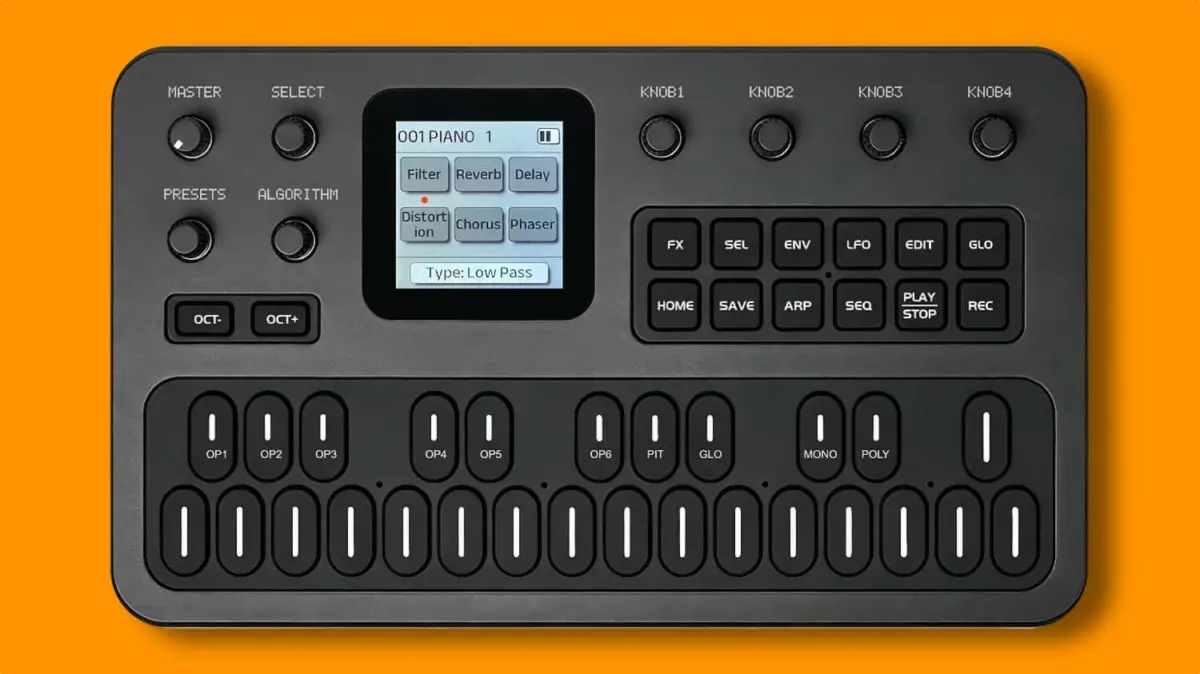
The landscape of affordable digital synthesis has undergone a significant transformation with the official announcement from M-VAVE regarding the "FM1 Open" project. This initiative represents a formal embrace of the burgeoning third-party developer community that has, over recent months, turned the company’s compact FM-1 synthesizer into a versatile platform for experimental firmware. By releasing an official open-source framework, a dedicated software development kit (SDK), and a browser-based editing workbench, M-VAVE is pivoting from a traditional proprietary hardware manufacturer to a facilitator of community-driven innovation. This move is designed to provide a structured environment for users and developers to extend the instrument’s capabilities far beyond its original factory specifications.
The FM1 Open project includes three primary pillars: the open-source firmware itself, hosted on GitHub; a comprehensive SDK intended to lower the barrier of entry for programmers; and a Web MIDI-based workbench that allows for real-time sound design and project management via a standard web browser. This strategic release follows a period of intense unofficial activity where independent developers began reverse-engineering the FM-1 hardware to implement custom features, alternative synthesis engines, and enhanced MIDI functionalities. Rather than discouraging these modifications, M-VAVE has opted to provide the source code and official tools necessary to stabilize and accelerate these efforts.
Technical Specifications and Hardware Context
The M-VAVE FM-1 originally entered the market as a highly portable, budget-friendly four-operator FM (Frequency Modulation) synthesizer. Known for its minimalist interface and reliance on digital architecture, the hardware provided a surprisingly robust foundation for sound generation at a price point significantly lower than its competitors in the "pocket synth" category. The device typically features a compact form factor, MIDI connectivity via USB and traditional ports, and internal battery power, making it a favorite for mobile musicians and hobbyists.
The transition to an open-source model leverages the hardware’s internal processing power—often centered around efficient microcontrollers capable of handling complex digital signal processing (DSP) tasks. By opening the firmware, M-VAVE allows developers to access the core routines that govern voice allocation, envelope generation, and operator algorithms. This level of access enables the creation of entirely new synthesis types, such as subtractive synthesis, wavetable synthesis, or even granular synthesis, provided the hardware’s memory and CPU cycles can support the logic.
A Chronology of the FM-1 Evolution
The journey toward the FM1 Open project began shortly after the device’s initial commercial release. While the FM-1 was initially marketed as a straightforward, "what-you-see-is-what-you-get" FM synthesizer, its affordability made it an attractive target for the DIY electronics and "synth hacking" communities.
In late 2023 and early 2024, various independent forums and repositories began hosting "alpha" versions of alternate firmware. These early projects sought to fix perceived bugs in the original factory code, such as MIDI jitter or limited velocity response. As the community grew, the scope of these projects expanded. Developers began implementing features that were absent in the stock version, such as expanded polyphony, additional LFO (Low-Frequency Oscillator) routing options, and improved patch storage systems.
By mid-2024, the volume of third-party firmware had reached a critical mass. Users were increasingly purchasing the FM-1 specifically to flash it with unofficial software, effectively treating the hardware as a blank canvas. Recognizing this trend, M-VAVE’s engineering team began internal discussions on how to formalize this relationship. The result was the development of the FM1 Open framework, which was officially unveiled in late 2024 to provide a "golden master" source code from which all future community projects could safely branch.
The Role of the FM1 Workbench and SDK
Central to the M-VAVE announcement is the introduction of the FM1 Workbench. This tool utilizes the Web MIDI API, allowing users to connect their synthesizer to a computer and edit parameters in real-time through a Google Chrome or Microsoft Edge browser. This eliminates the need for complex driver installations or specialized software suites, aligning with the modern trend of "zero-install" music production tools. The workbench provides a visual interface for the FM-1’s four-operator engine, making the notoriously difficult task of FM programming more intuitive for the average user.
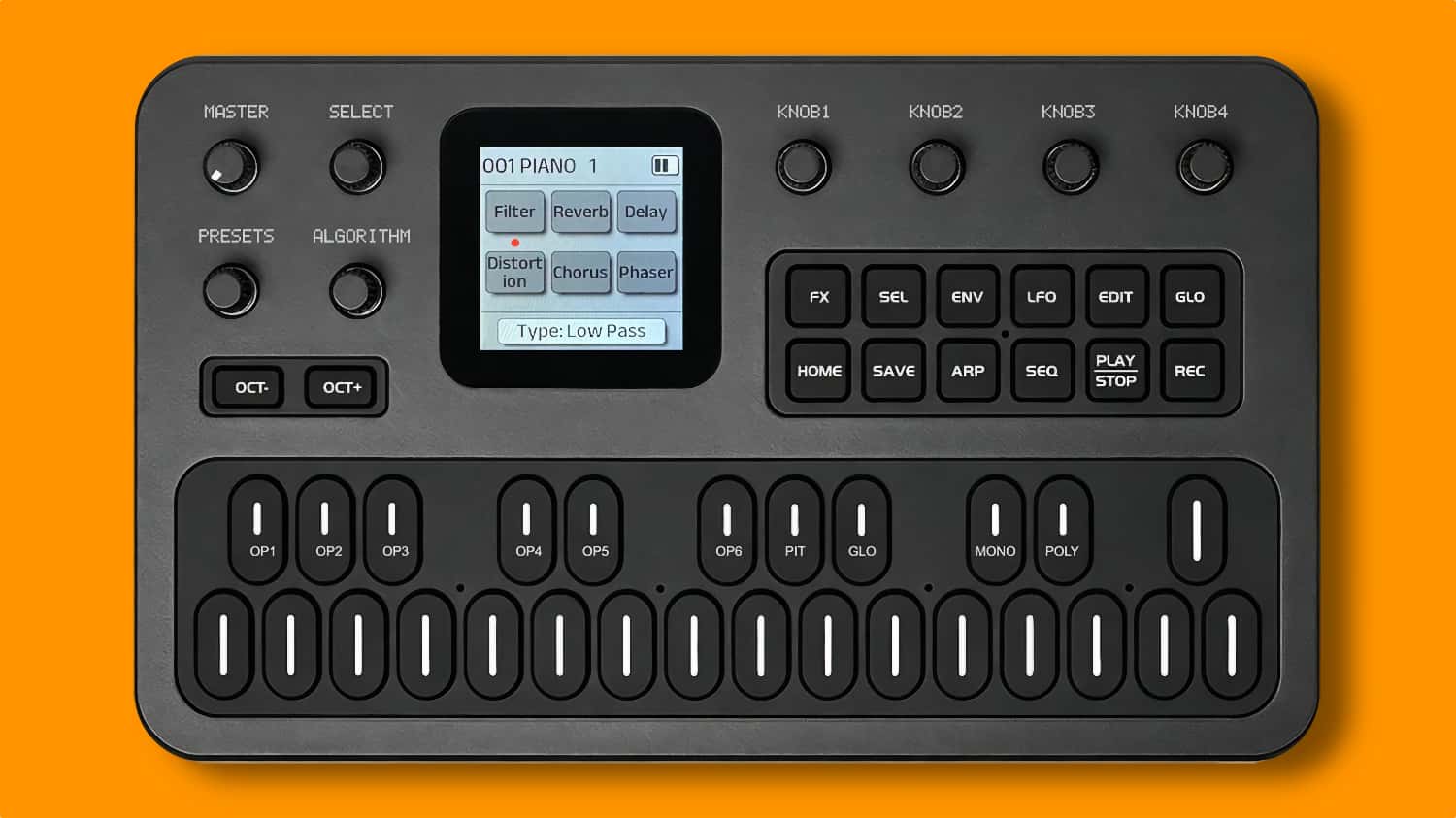
Complementing the workbench is the Software Development Kit (SDK). The SDK is designed for the C/C++ programming environment, providing the necessary libraries and headers to interface with the FM-1’s hardware peripherals, such as the display, buttons, and audio output jack. For the first time, developers have access to documented APIs (Application Programming Interfaces) for the synth’s internal oscillators and filters. This move is expected to attract a higher tier of DSP engineers who previously may have been hesitant to work with undocumented, reverse-engineered code.
Market Analysis and Industry Implications
M-VAVE’s decision to go open-source reflects a broader shift in the electronic musical instrument industry. For decades, manufacturers guarded their firmware as trade secrets. However, the success of platforms like the Korg Nu:Tekt series and the Teenage Engineering Pocket Operator Modular has demonstrated that there is a significant market for "hackable" gear. By providing an official open-source path, M-VAVE is positioning the FM-1 as a direct competitor to more expensive "open" platforms like the Critter & Guitari Organelle or the Axoloti Core.
From a business perspective, this strategy reduces the long-term burden on M-VAVE to provide feature updates. By empowering the community to maintain and improve the software, the manufacturer can focus on hardware production and distribution while the "value add" of new features is generated organically by the user base. This model has proven successful in the computer world (e.g., Linux, Raspberry Pi) and is now finding a permanent foothold in the music technology sector.
Furthermore, the price-to-performance ratio of the FM-1, combined with open-source support, creates a low-cost entry point for STEM (Science, Technology, Engineering, and Mathematics) education. Universities and music technology programs can now utilize the FM-1 as a teaching tool for digital synthesis programming without the high overhead of proprietary development kits.
Official Responses and Community Reaction
While official statements from M-VAVE have focused on the technical aspects of the release, internal sources suggest the company is "excited to see the creative directions the community will take." The sentiment among the developer community has been overwhelmingly positive. Early adopters on platforms like GitHub and Reddit have noted that the official SDK resolves several "bottlenecks" that existed in the reverse-engineered versions, particularly regarding the optimization of the audio buffer and the stability of the I2C communication between internal components.
Independent developers have already begun discussing the possibility of porting classic synthesis algorithms to the FM-1. Projects currently in the conceptual phase include a "DX7-compatible" mode, which would allow the FM-1 to load original Yamaha SYX files, and a "Lo-Fi" mode that intentionally degrades the bit depth and sample rate to emulate vintage 1980s digital hardware.
Broader Impact on Digital Synthesis
The FM1 Open project serves as a case study for the democratization of music technology. By lowering the financial and technical barriers to hardware customization, M-VAVE is contributing to a more modular and transparent ecosystem. In an era where many consumer electronics are designed with "planned obsolescence" in mind, the ability to completely rewrite a device’s firmware extends its lifespan indefinitely.
As more users adopt the FM1 Open platform, the industry will likely see a surge in niche, highly specialized firmware. One user might turn the FM-1 into a dedicated percussion voice, while another might transform it into a MIDI-controlled algorithmic sequencer. This level of flexibility ensures that the hardware remains relevant long after its initial feature set would have become outdated.
In conclusion, the launch of FM1 Open is more than just a software update; it is a strategic realignment that acknowledges the power of the end-user. By providing the tools for total customization, M-VAVE has effectively transformed a budget synthesizer into a powerful, evolving platform for digital sound exploration. The success of this initiative may well encourage other manufacturers to follow suit, leading to a future where the line between the instrument designer and the instrument performer becomes increasingly blurred. For now, the FM-1 stands as a testament to the potential of open-source collaboration in the world of professional audio.
