

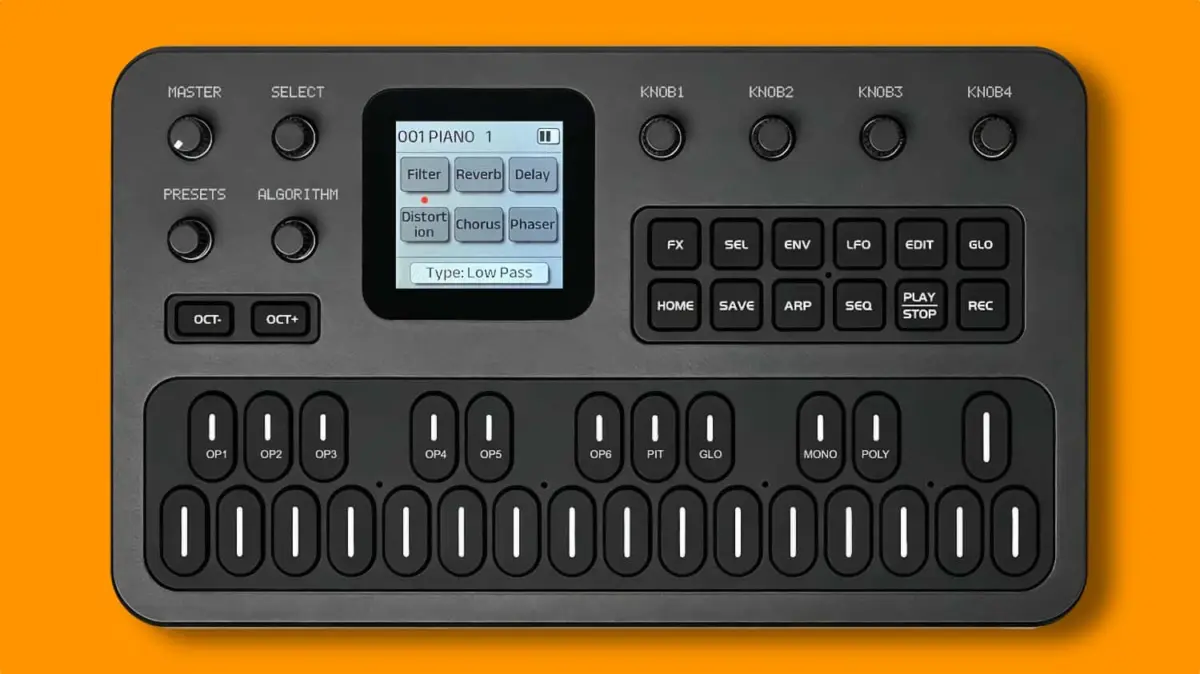
The landscape of budget-friendly music technology has undergone a significant transformation as M-VAVE, a manufacturer known for its accessible digital instruments and MIDI controllers, officially announced the release of FM1 Open. This initiative represents a comprehensive open-source firmware project for the company’s popular FM-1 synthesizer, a compact frequency modulation (FM) hardware unit that has gained a dedicated following since its market debut. By releasing the source code, a dedicated software development kit (SDK), and a browser-based editing workbench, M-VAVE has transitioned the FM-1 from a closed-architecture consumer product into an extensible development platform for musicians and software engineers alike.
The move is a direct response to a burgeoning underground movement of third-party developers who had already begun reverse-engineering the device to unlock features not present in the factory settings. Recognizing the value of this community-driven innovation, M-VAVE has opted to support these efforts officially rather than restrict them. The FM1 Open project includes the full source code hosted on GitHub, providing a transparent look at the instrument’s inner workings and allowing users to compile their own custom versions of the operating system.
The Evolution of the M-VAVE FM-1 Synthesizer
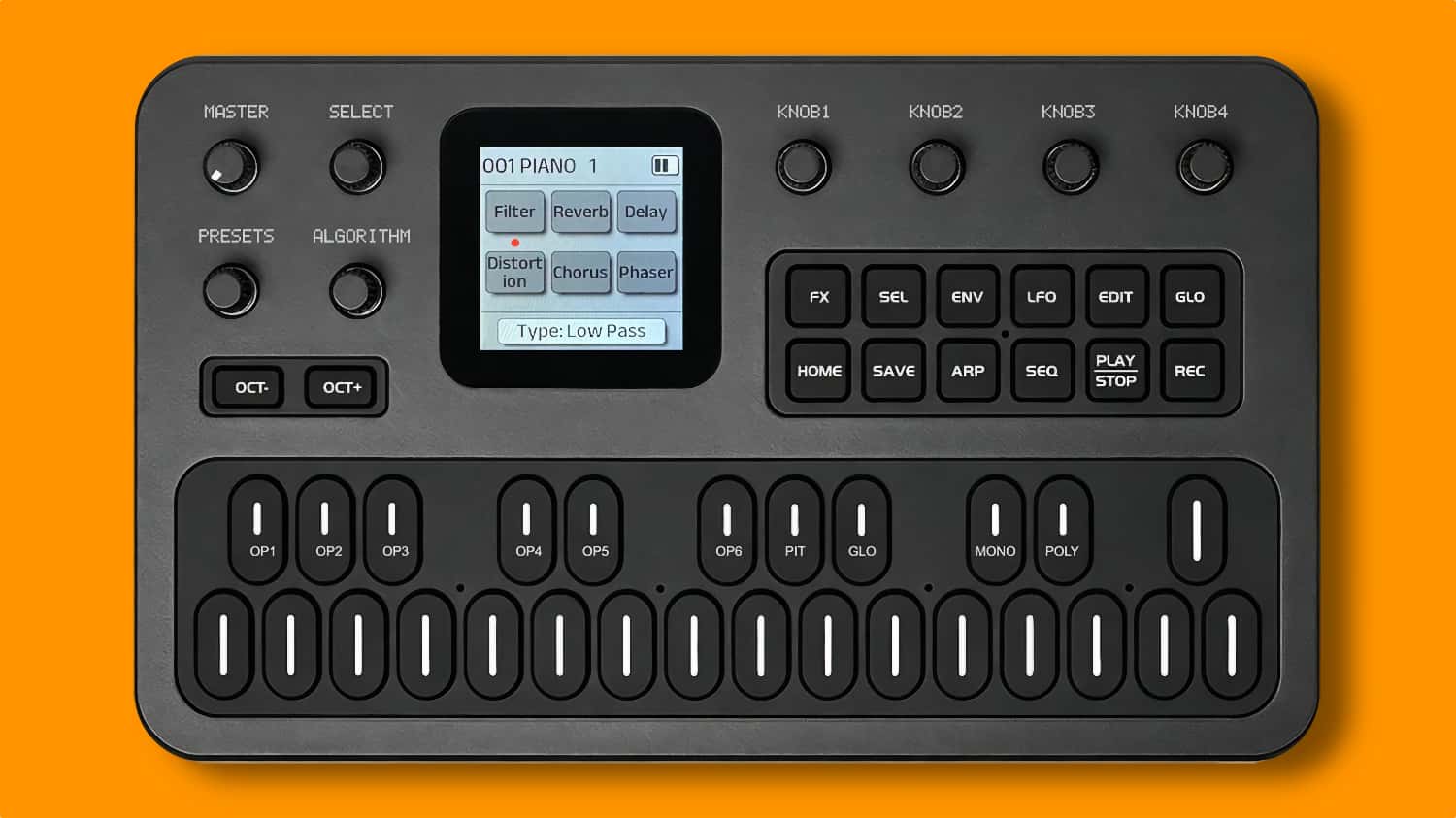
To understand the significance of the FM1 Open project, one must look at the trajectory of the FM-1 hardware itself. Released as a low-cost entry point into the world of FM synthesis—a method of sound generation famously popularized by the Yamaha DX7 in the 1980s—the M-VAVE FM-1 offered a surprisingly robust feature set for its price point. Featuring a multi-operator FM engine, a compact form factor with touch-capacitive keys, and built-in effects, it targeted both hobbyists and mobile producers.
However, the primary draw for the technical community was the hardware’s internal architecture. Built upon modern, high-performance microcontrollers often used in the "Maker" community, the FM-1 was a prime candidate for modification. Within months of its release, independent developers began sharing custom firmware on forums and social media, adding features such as expanded MIDI implementation, new waveform algorithms, and improved user interface workflows.
The official launch of FM1 Open legitimizes these efforts. By providing an official framework, M-VAVE ensures that developers have access to the correct hardware abstraction layers (HAL), preventing the "bricking" of devices that can occur with unofficial firmware and streamlining the process of feature implementation.
Technical Components of the FM1 Open Project
The FM1 Open release is structured into three primary pillars designed to cater to different levels of technical expertise: the open firmware, the FM1 Workbench, and the Software Development Kit (SDK).
1. The Open Firmware and GitHub Integration
The heart of the announcement is the availability of the FM-1’s source code on GitHub. This repository allows developers to fork the project, experiment with the core audio engine, and submit pull requests for improvements. The code includes the fundamental logic for the 4-operator FM engine, the envelope generators, and the digital signal processing (DSP) routines for the onboard effects. By making this public, M-VAVE allows for a level of transparency rarely seen in the commercial synthesizer market, particularly at the entry-level price bracket.
2. The FM1 Workbench
Recognizing that not every musician is a proficient C++ or Python coder, M-VAVE has launched the FM1 Workbench. This is a browser-based graphical user interface (GUI) that utilizes the WebMIDI API to communicate directly with the hardware. Through the Workbench, users can manage presets, edit sound parameters in real-time, and back up entire projects. This tool effectively bridges the gap between the complex mathematics of FM synthesis and the tactile needs of a performer, providing a visual representation of frequency ratios, operator algorithms, and modulation curves.
3. The Software Development Kit (SDK)
For the advanced developer, the SDK provides the necessary headers, libraries, and documentation to build entirely new applications for the FM-1 hardware. This effectively turns the FM-1 into a "blank slate" computer for audio. Developers could, in theory, rewrite the device to function as a subtractive synthesizer, a drum machine, a MIDI sequencer, or even a specialized algorithmic composition tool. The SDK includes documentation on how to interface with the device’s OLED display, its touch keys, and its physical knobs.
Chronology of the Open-Source Transition
The path toward the FM1 Open project has been marked by several key milestones over the past year:
- Initial Release (Late 2023): The M-VAVE FM-1 is released to the international market, quickly selling out on various e-commerce platforms due to its sub-$60 price point and portable design.
- Community Discovery (Early 2024): Users on platforms like Reddit and specialized synth forums discover that the hardware is highly capable and shares similarities with open-source ESP32-based audio projects.
- Third-Party Breakthroughs (Mid 2024): Independent developers release "alternative" firmware that adds features like 6-operator modes and improved MIDI CC mapping. These projects gain significant traction, proving there is a high demand for a more flexible version of the device.
- M-VAVE Internal Shift (Late 2024): Rather than issuing "cease and desist" orders or implementing hardware locks, M-VAVE’s engineering team begins internal work on a standardized open-source framework to support the community.
- Official Launch (Current): M-VAVE officially debuts FM1 Open, providing the GitHub repository and the browser-based Workbench to the public.
Market Context and Industry Implications
The decision by M-VAVE to embrace open-source principles is part of a broader trend in the music technology industry. Historically, synthesizer manufacturers kept their codebases proprietary to protect intellectual property and maintain a "walled garden" ecosystem. However, the success of platforms like the Korg Nu:Tekt NTS-1, which features a custom oscillator and effect API, has shown that "hackability" can be a major selling point.
By opening the FM-1, M-VAVE is positioning itself against much larger competitors. While companies like Behringer focus on cloning classic hardware at low costs, and Korg offers high-end "logue" SDKs, M-VAVE is carving out a niche in the "ultra-low-cost open platform" segment. This move is likely to increase the longevity of the FM-1; while a budget synth might normally be replaced by a newer model within a year, an open-source synth can continue to evolve through community updates long after the manufacturer has moved on to other projects.
Analysis of Potential Impact on the User Base
The implications for the end-user are twofold. For the average musician, the FM1 Open project means a steady stream of free, community-created sounds and features. As developers optimize the code, users may see improvements in voice polyphony, lower latency, and more sophisticated effects without having to purchase new hardware.
For the developer and "maker" community, the FM-1 now serves as one of the most affordable entry points into hardware DSP development. Building a custom synthesizer from scratch usually requires sourcing components, designing PCBs, and 3D-printing enclosures. The FM-1 provides a pre-built, professional-grade housing with a screen, power management, and tactile controls for less than the cost of some development boards. This makes it an ideal educational tool for students learning digital audio theory and embedded systems programming.
Official Responses and Community Reaction
While official statements from M-VAVE have focused on the "spirit of collaboration," internal developers have noted that the project is intended to "lower the barrier to entry for sound design." On community forums, the reaction has been overwhelmingly positive. Early adopters of the third-party firmware have expressed relief that they no longer have to rely on "hacks" to improve their instruments.
"Seeing a manufacturer actually listen to the people who are taking their gear apart is a breath of fresh air," noted one prominent developer on the Synthtopia forums. "It turns the FM-1 from a toy into a serious tool for experimentation."
Conclusion and Future Outlook
The launch of FM1 Open marks a significant milestone for M-VAVE and the wider budget synthesizer market. By providing the tools for its own product’s transformation, the company has fostered a level of brand loyalty that is difficult to achieve through traditional marketing alone.
As the GitHub repository grows and more developers contribute to the SDK, the FM-1 is poised to become a staple in the kits of experimental musicians and DIY enthusiasts. The success of this project may also serve as a blueprint for other manufacturers, demonstrating that in the modern era of music technology, opening the "black box" of hardware design can lead to greater innovation, longer product lifecycles, and a more engaged global community. For now, the FM1 Open stands as a testament to the power of community-driven development in the digital age.
