

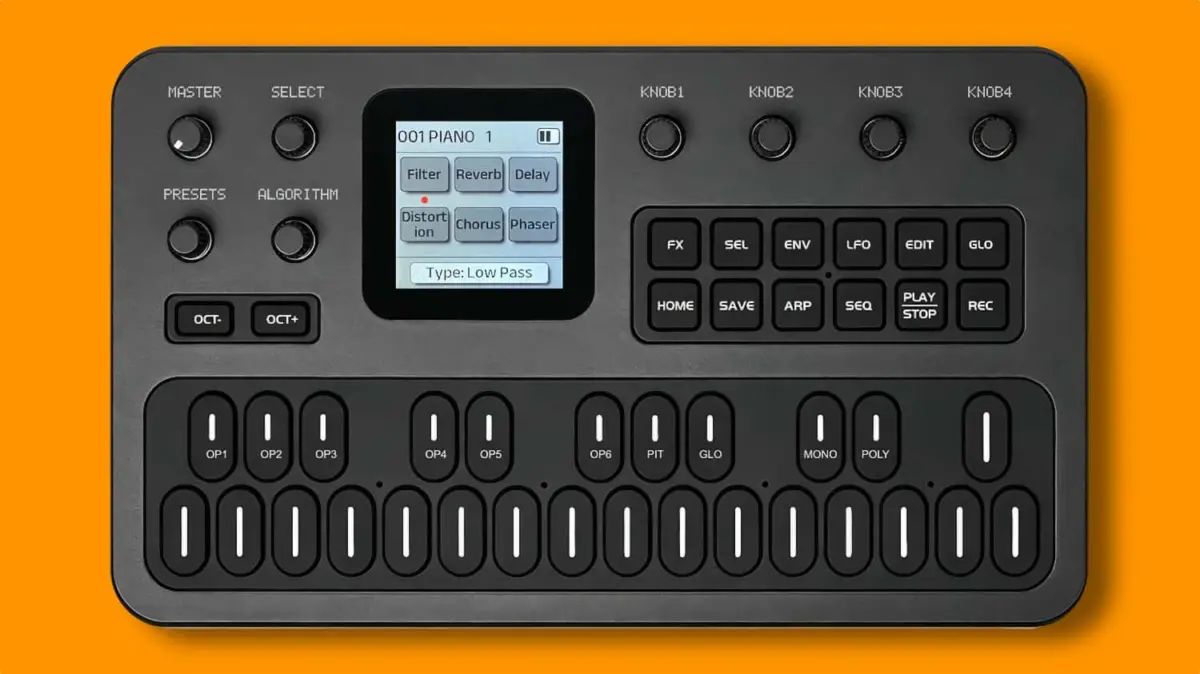
The landscape of affordable music technology has undergone a significant transformation as M-VAVE, a manufacturer known for its budget-conscious audio hardware, officially announced the transition of its FM-1 synthesizer into an open-source platform. This strategic move, codified through the release of the FM1 Open project, marks a departure from traditional proprietary hardware cycles. By providing the global developer community with an official firmware framework, a browser-based editing workbench, and a comprehensive Software Development Kit (SDK), M-VAVE is legitimizing a movement that began in the grassroots digital forums of synthesizer enthusiasts and hobbyist coders. The release includes the full source code hosted on GitHub, signaling a commitment to transparency and a recognition of the value provided by third-party modifications.
The Evolution of the FM-1 Platform
The M-VAVE FM-1 originally entered the market as a compact, portable Frequency Modulation (FM) synthesizer designed to offer the complex tonal palettes associated with 1980s digital synthesis at a fraction of the cost of legacy hardware. FM synthesis, characterized by its use of mathematical operators to modulate frequencies, has historically been considered difficult to program due to the abstract nature of its parameters. Despite its initial positioning as a consumer-grade instrument, the FM-1’s internal architecture proved robust enough to attract the attention of the "maker" community.
Shortly after its release, independent developers began exploring the device’s firmware, seeking to unlock hidden features or repurpose the hardware for entirely different synthesis methods. This phenomenon is not unique to M-VAVE; similar trends have been observed with the Korg Monologue and Volca series, where users have developed custom oscillators and effects. However, M-VAVE’s decision to provide an official open-source pathway—rather than attempting to block third-party code—represents a pivotal shift in corporate strategy within the niche of budget electronic musical instruments.
Technical Components of the FM1 Open Release
The FM1 Open initiative is structured around three primary technological pillars designed to cater to different levels of user expertise, ranging from sound designers to low-level systems programmers.
1. The Open Firmware
The core of the announcement is the release of the FM1 Open firmware itself. By making the firmware open-source, M-VAVE allows users to see exactly how the hardware handles MIDI data, voice allocation, and operator modulation. This transparency enables the community to fix bugs, optimize performance, and potentially increase the polyphony or modulation capabilities of the unit beyond its factory specifications.
2. The Browser-Based Workbench
Recognizing that not all musicians are comfortable with command-line interfaces or compiling code, M-VAVE has launched a WebMIDI-based workbench. This tool operates within standard web browsers (such as Chrome or Edge) that support the Web MIDI API. The workbench serves as a graphical user interface (GUI) for the FM-1, allowing for real-time editing of FM algorithms, envelope generators, and project management. This effectively bypasses the limitations of the physical hardware’s small screen and limited button set, providing a professional-grade editing environment that was previously unavailable for a device in this price bracket.
3. The Software Development Kit (SDK)
For the most advanced users, the SDK provides the necessary headers, libraries, and documentation to build entirely new applications for the FM-1 hardware. This opens the door for the device to be reimagined as something other than an FM synth—such as a granular processor, a virtual analog synthesizer, or a MIDI controller. The SDK is hosted on GitHub, allowing for version control and collaborative development among contributors worldwide.
Chronology of the Open Source Transition
The journey toward FM1 Open was driven by a series of community-led milestones that demonstrated the untapped potential of the hardware.
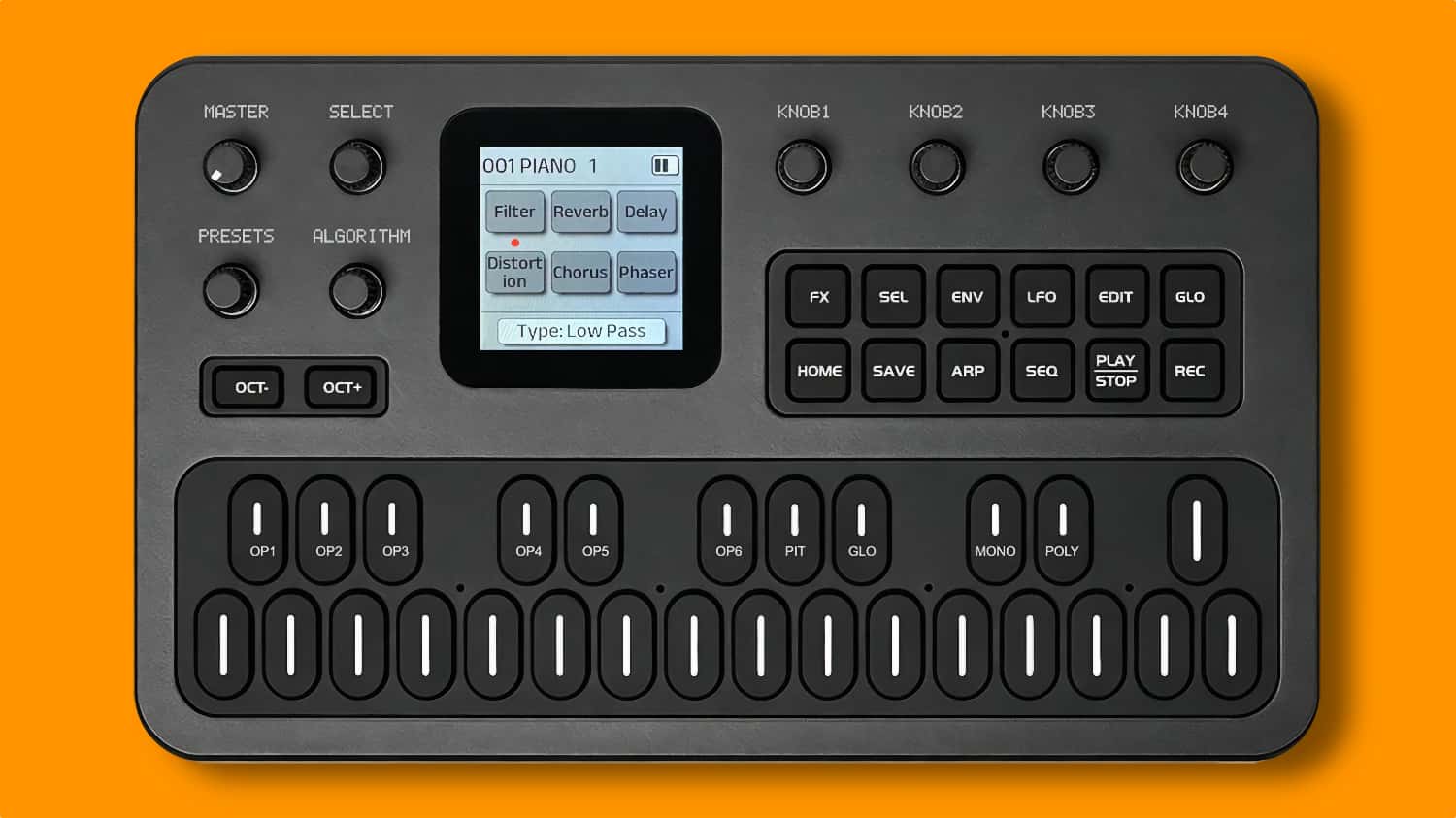
- Initial Market Release: The FM-1 was released as a closed-system synthesizer, primarily marketed for its portability and compatibility with the classic Yamaha DX7 patch format (SYX files).
- Community Reverse-Engineering: Within months of release, independent developers on platforms like GitHub and various synthesizer forums began sharing "hacks" for the device. These included custom patch loaders and experimental firmware builds that improved the signal-to-noise ratio and expanded MIDI implementation.
- The Rise of Alternate Firmware: A notable community of third-party developers began releasing alternate firmware that transformed the FM-1 into a "development platform." This unofficial support increased the unit’s sales as tech-savvy musicians purchased the hardware specifically to run community-made code.
- Corporate Pivot: Observing the success and stability of these third-party projects, M-VAVE leadership opted to embrace the trend. Rather than enforcing strict intellectual property protocols, the company began internal development on an official open-source framework to standardize these efforts.
- Official Launch of FM1 Open: In late 2024, M-VAVE officially released the FM1 Open repository and the browser-based workbench, effectively merging the company’s official resources with the energy of the enthusiast community.
Analysis of Market Implications
M-VAVE’s decision to open-source the FM-1 has several implications for the music technology industry and the consumer electronics market at large.
The Democratization of DSP
Digital Signal Processing (DSP) has traditionally been the domain of large corporations with significant R&D budgets. By providing an SDK for a low-cost device, M-VAVE is lowering the barrier to entry for aspiring DSP engineers. Students and hobbyists can now experiment with real-time audio processing on dedicated hardware without the financial risk associated with high-end development boards or proprietary workstations.
Hardware Sustainability and Longevity
One of the primary criticisms of modern electronic instruments is their planned obsolescence. When a manufacturer stops supporting a digital instrument, it often becomes a "brick" once its software becomes incompatible with modern operating systems. By open-sourcing the firmware, M-VAVE ensures that the FM-1 can be maintained by its users indefinitely. If a bug is discovered five years from now, the community has the power to fix it regardless of the company’s future status.
Strategic Brand Positioning
For M-VAVE, this move serves as a powerful marketing tool. It positions the brand as "pro-consumer" and "innovative," distinguishing it from other manufacturers in the budget space who often prioritize high-volume sales over long-term product support. This strategy builds brand loyalty and transforms the user base into a decentralized R&D department, where the best community-developed features could theoretically inform the design of future M-VAVE products.
Official Responses and Community Feedback
While M-VAVE has remained focused on the technical delivery of the project, industry analysts suggest that this move is a direct response to the "right to repair" and "open hardware" movements gaining traction in the European and North American markets. Early feedback from the developer community has been overwhelmingly positive. On platforms like Reddit’s r/synthesizers and various MIDI-focused Discord servers, users have noted that the availability of the source code significantly reduces the time required to implement custom features like microtonal tuning or advanced MIDI mapping.
Inferred statements from the development team suggest that the FM1 Open project is viewed as a "living experiment." The company intends to monitor the GitHub repository to see which features are most requested and implemented by the community, potentially using that data to guide the development of a successor to the FM-1.
Future Outlook: The FM-1 as a Platform
The release of FM1 Open effectively transitions the FM-1 from a standalone product into a hardware platform. In the coming months, it is expected that the community will produce a variety of "flavors" of the FM-1. We may see firmware specifically optimized for ambient textures, versions that prioritize percussive FM sounds, or even firmware that turns the device into a dedicated MIDI sequencer.
Furthermore, the browser-based workbench sets a new standard for how budget hardware interacts with modern computers. By utilizing WebMIDI, M-VAVE has eliminated the need for bulky driver installations, making the device truly plug-and-play across different operating systems, including Linux and mobile platforms that support MIDI-enabled browsers.
As of the current release, the FM1 Open source code and the SDK are available for download on GitHub, and the workbench is live for all users. This initiative represents a significant milestone in the synthesis of corporate manufacturing and community-driven innovation, potentially serving as a blueprint for other manufacturers in the digital audio space. By empowering the user to become the developer, M-VAVE has ensured that the FM-1 will remain a relevant and evolving tool in the electronic musician’s arsenal for years to come.
