

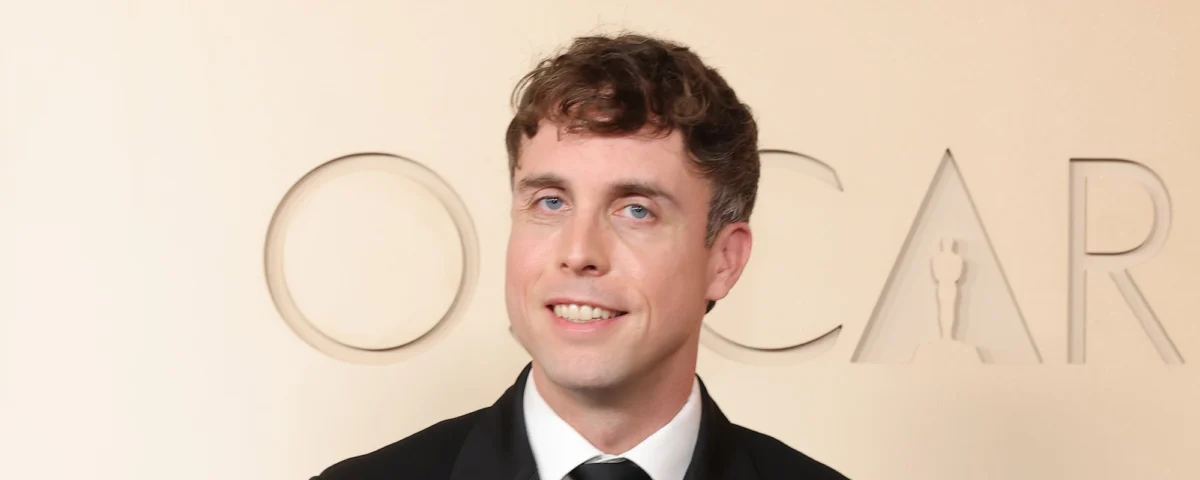
The 98th annual Academy Awards, held on March 15, 2026, at the Dolby Theatre in Hollywood, marked a transformative milestone in the history of global music and animation as songwriter and composer Mark Sonnenblick secured his first Oscar for Best Original Song. The winning composition, “Golden,” featured in the 2025 Netflix animated musical KPop Demon Hunters, represents more than a personal victory for the New York-based composer; it stands as the first K-Pop song to ever receive an Academy Award. This achievement was part of a broader night of success for the production, as KPop Demon Hunters also claimed the Oscar for Best Animated Feature, cementing its status as a cultural phenomenon that bridged the gap between the global K-Pop industry and Western cinematic traditions.
The success of “Golden” was not an isolated event but the culmination of a record-breaking year for the film’s soundtrack. Co-written by Sonnenblick alongside a powerhouse team of South Korean and American talent—including singer-songwriter and producer Ejae, as well as renowned producers 24, Ido, and the legendary Teddy Park—the track served as the emotional and narrative anchor of the film. Performed by the fictional in-universe group HUNTR/X, voiced by Ejae, Audrey Nuna, and Rei Ami, the song achieved unprecedented commercial success prior to its awards season sweep. It reached No. 1 on the Billboard Hot 100 and anchored a soundtrack that spent two weeks atop the Billboard 200. In a feat never before seen in the history of film music, the KPop Demon Hunters soundtrack became the first to place four individual songs in the Top 10 of the singles chart simultaneously.
The Genesis of an Animated Global Phenomenon
The journey toward the 98th Academy Awards began with a bold vision from directors Maggie Kang and Chris Appelhans. KPop Demon Hunters was conceived as a high-octane blend of supernatural action and the rigorous, high-stakes world of the South Korean music industry. The narrative follows a world-renowned K-Pop girl group who must balance their grueling training and performance schedules with a secret life as demon hunters, using the power of their voices and choreography to combat supernatural threats.
Central to the film’s authenticity was the decision to collaborate with both Broadway-trained storytellers like Sonnenblick and the architects of the modern K-Pop sound. Sonnenblick, whose background is rooted in musical theater, was tasked with ensuring that the songs functioned as traditional narrative vehicles while maintaining the sonic hallmarks of the K-Pop genre. He co-wrote seven of the nine tracks on the film’s soundtrack, working within a collaborative environment that included industry veterans such as Danny Chung, Vince, Kush, Jenna Andrews, Daniel Rojas, Stephen Kirk, Lindgren, Dominsuk, and Marcelo Zarvos.
According to production data, “Golden” was the final song written for the film. Despite being the last addition, it was designed to be the film’s "opus," a track that provided the essential backstory and emotional resolution for the characters. Sonnenblick has noted that the song’s lyrics were meticulously mapped to the characters’ internal journeys, a factor that many critics believe contributed to its resonance with both the Academy’s Music Branch and the general public.
Chronology of a Record-Breaking Awards Season
The road to the Oscar was paved with a series of historic wins that signaled the industry’s shift toward recognizing global pop influences. Following the film’s summer 2025 release on Netflix, where it became one of the most-watched movies in the platform’s history, the music began its ascent through the awards circuit.
- Summer 2025: The KPop Demon Hunters soundtrack is released, achieving viral success on social media platforms and dominating streaming services. “Golden” begins its climb on the Billboard Hot 100.
- Autumn 2025: The soundtrack breaks the record for most simultaneous Top 10 hits from a single film. Industry analysts begin to project the film as a frontrunner for the Best Animated Feature category.
- January 2026: Sonnenblick and his co-writers win the Golden Globe for Best Original Song. The win is seen as a bellwether for the Academy Awards.
- February 2026: “Golden” makes history at the 68th Annual Grammy Awards, becoming the first K-Pop song to win Best Song Written for Visual Media. This victory solidified the track’s status as a critical and commercial juggernaut.
- March 15, 2026: Mark Sonnenblick and the production team accept the Academy Award for Best Original Song.
The Oscar win for “Golden” is particularly significant given the Academy’s historical preference for traditional balladry and Western-style musical theater compositions. By honoring a track that blends K-Pop production techniques with narrative depth, the Academy has acknowledged the evolving landscape of global music consumption.
Artistic Collaboration and the Learning Curve
For Mark Sonnenblick, the project represented a departure from his previous work on more traditional Western projects. Having served as a lyricist for the 2022 musical The Devil Wears Prada (alongside Elton John and Shaina Taub) and contributed to films like Lyle, Lyle, Crocodile, Spirited, and Theater Camp, Sonnenblick was well-versed in the mechanics of the American musical. However, KPop Demon Hunters required a deep dive into a new sonic world.
The collaborative process involved a synthesis of different creative philosophies. Sonnenblick’s theater background focused on character-driven lyrics and narrative progression, while the South Korean producers brought a sophisticated understanding of hook-driven pop and intricate vocal layering. Sonnenblick has described the experience as a "learning process" that relied heavily on building trust among a diverse group of songwriters and producers. This cross-cultural exchange resulted in a soundtrack that appealed to K-Pop enthusiasts while remaining accessible to general audiences who may have been unfamiliar with the genre.
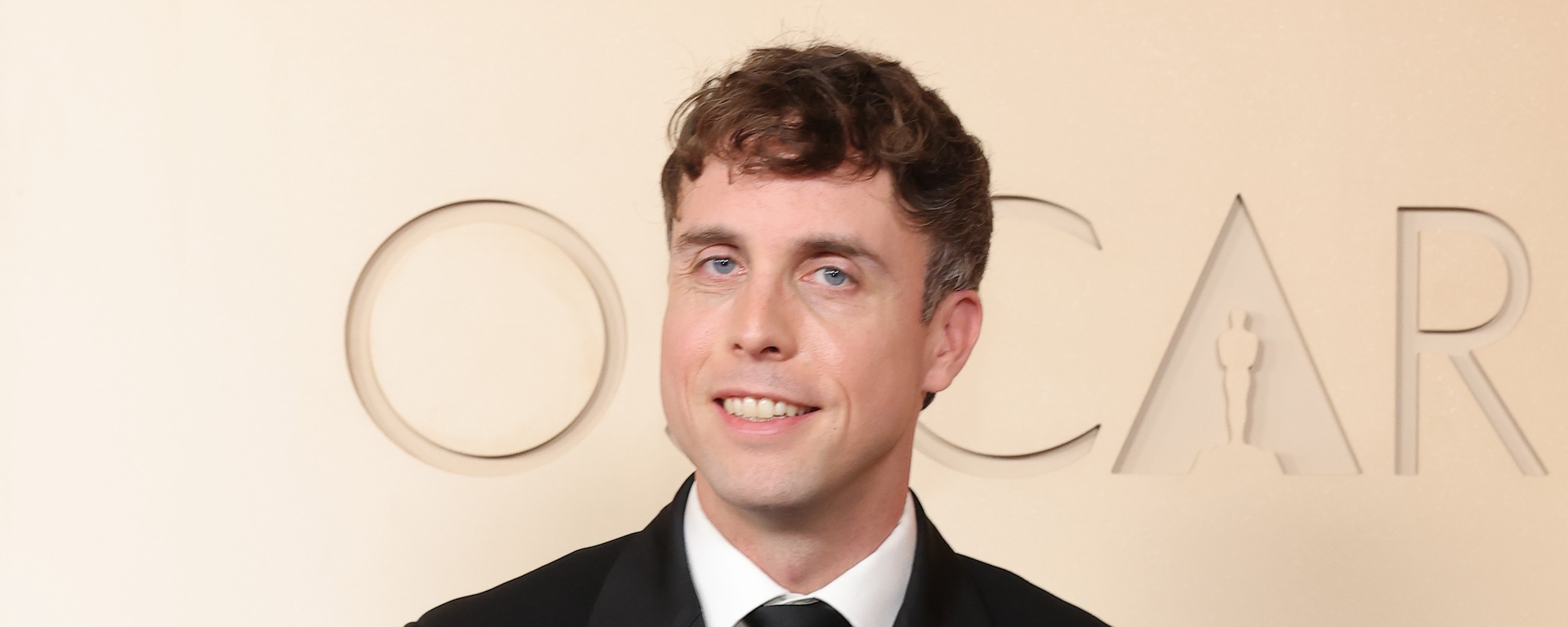
The technical production of "Golden" involved a complex arrangement that allowed the voices of Ejae, Nuna, and Ami to shine while maintaining the high-energy "demon-fighting" aesthetic of the film. The success of this synergy is evident in the song’s ability to stand alone as a radio hit while also serving as a pivotal story beat within the movie.
Broader Industry Implications and the Rise of Global Animation
The dual Oscar win for KPop Demon Hunters reflects a significant shift in the animation industry. Historically dominated by major studios with a focus on Western folklore or original fantasy, the success of a Netflix-produced, K-Pop-centric film suggests that audiences are increasingly seeking diverse, culturally specific stories.
Market analysis indicates that the film’s success was driven by a massive international audience, particularly in Asia and North America, where K-Pop’s influence has surged over the last decade. By leveraging a popular music genre as the foundation for an animated musical, Netflix successfully tapped into a pre-existing global fanbase. This model is expected to be emulated by other studios looking to diversify their animated portfolios.
Furthermore, the win for “Golden” may open doors for more non-English or bilingual songs to be considered for major awards. While the Academy has previously recognized international films, the music categories have often remained insulated from global pop trends. The precedent set by Sonnenblick and the team behind KPop Demon Hunters suggests a more inclusive future for the Best Original Song category.
Future Endeavors: A Return to the Stage
Despite his newfound status as an Oscar winner, Mark Sonnenblick is poised to return to his theatrical roots. In the summer of 2026, he will debut Midnight at the Never Get at the Menier Chocolate Factory in London. This production marks a significant personal milestone for Sonnenblick, as it is the first show he has written entirely by himself.
Directed by David Cromer—who recently collaborated with George Clooney on Good Night, Good Luck—and starring Tony Award winner Ben Platt, the musical is a stark contrast to the high-energy K-Pop world. Described as a tribute to the "Great American Songbook," the show is set in a 1960s cabaret in New York’s West Village. The project highlights Sonnenblick’s versatility as a composer, moving from the cutting-edge pop of KPop Demon Hunters to the intimate, nostalgic atmosphere of mid-century musical theater.
Sonnenblick has remarked on the irony of his career trajectory, noting that he reached the pinnacle of cinematic achievement with an Oscar before receiving a Tony nomination, despite his long-standing history in the theater community. This duality—being an architect of both modern global pop hits and traditional stage musicals—positions him as a unique figure in the contemporary entertainment landscape.
Conclusion: The Lasting Impact of Golden
As the dust settles on the 98th Academy Awards, the legacy of “Golden” and KPop Demon Hunters continues to resonate. The film remains a staple of streaming charts, and the soundtrack continues to garner millions of monthly listeners. For the industry, the lesson of 2025 and 2026 is clear: the integration of global cultural movements into mainstream storytelling is no longer a niche strategy but a proven path to critical and commercial success.
Mark Sonnenblick’s journey from a theater lyricist to an Oscar-winning composer serves as a testament to the power of artistic evolution and the importance of cross-cultural collaboration. By stepping into the world of K-Pop and applying his narrative sensibilities to a new genre, he helped create a piece of music that not only defined a film but also made history. As he transitions back to the London stage, he carries with him the distinction of having helped bridge two worlds, forever changing the way the Academy and the music industry view the global reach of the original song.
