

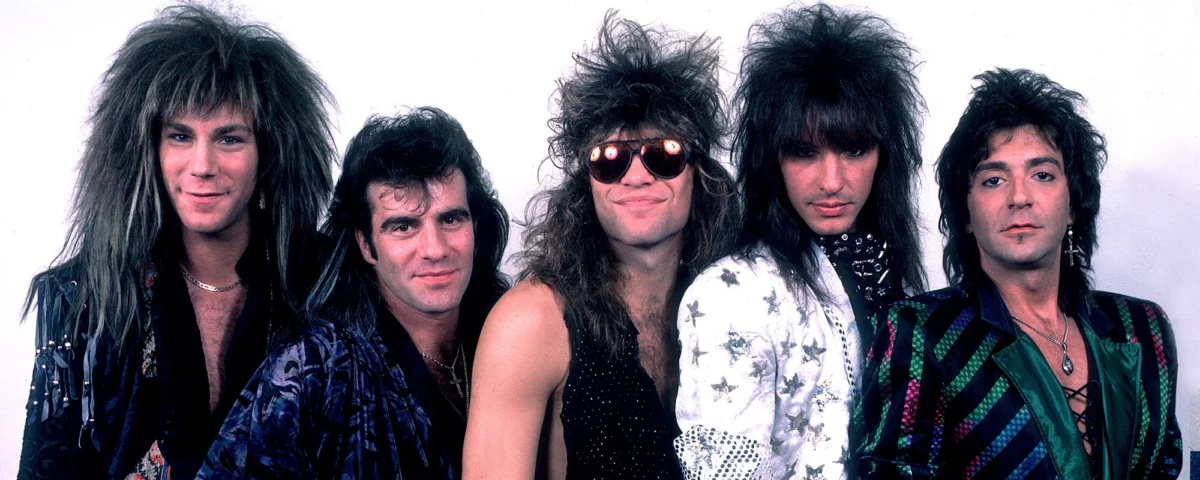
The year 1987 stands as a watershed moment in the history of popular music, representing a unique intersection where the excess of glam metal, the introspection of post-punk, and the sophisticated production of progressive pop converged. This period marked a significant shift in the recording industry as the compact disc (CD) began to surpass the long-playing vinyl record (LP) in commercial dominance, allowing for high-fidelity recordings that redefined the "stadium rock" sound. During this calendar year, the Billboard charts were dominated by a series of singles that would eventually become the foundation of the classic rock canon. These tracks were not merely commercial successes; they represented technical milestones in production and songwriting that continue to influence the music industry decades later.
The Commercial Landscape of 1987
To understand the impact of 1987’s musical output, one must consider the economic and technological state of the industry. According to data from the Recording Industry Association of America (RIAA), 1987 saw a massive surge in total industry revenue, driven largely by the mainstream adoption of MTV as a primary marketing vehicle. The "visual era" of music meant that a hit song required a cinematic music video to achieve global reach. This environment favored artists who could blend high-concept aesthetics with radio-friendly hooks. It was within this high-stakes climate that artists like Heart, U2, Genesis, and Bon Jovi released works that balanced commercial viability with artistic ambition.
Heart and the Reimagining of the Power Ballad
In June 1987, the band Heart released "Alone," a track that would define the pinnacle of the power ballad era. While the song is inextricably linked to the vocal prowess of Ann Wilson, its history began four years prior. Written by the prolific songwriting duo Billy Steinberg and Tom Kelly, the song was originally recorded for their 1983 project, i-Ten, on the album Taking a Cold Look. Despite the songwriters’ pedigree—having penned hits like Madonna’s "Like a Virgin"—the original version failed to gain traction.
When Heart covered the song for their album Bad Animals, producer Ron Nevison applied a high-gloss, high-dynamic production style that was characteristic of late-80s rock. The track’s structure, moving from a delicate piano-driven verse to a thunderous, multi-tracked vocal explosion in the chorus, became a blueprint for the genre. "Alone" reached No. 1 on the Billboard Hot 100 in July 1987 and remained there for three weeks.
Industry analysts point to "Alone" as a prime example of the "reinterpretation" strategy used by labels in the 80s to revitalize established acts. By taking an obscure track and applying the production standards of 1987, Capitol Records successfully transitioned Heart from their 1970s folk-rock roots into 1980s arena-rock icons. Ann Wilson later reflected on the recording, noting that the vocal take was one of the most physically demanding of her career, requiring a level of sustain and power that few contemporary vocalists could match.
U2 and the Atmospheric Shift of The Joshua Tree
While Heart dominated the charts with high-octane ballads, the Irish quartet U2 was fundamentally altering the sound of rock music with the release of The Joshua Tree. In March 1987, the band released "With Or Without You" as the lead single for the album. Produced by Daniel Lanois and Brian Eno, the song represented a departure from the traditional blues-based rock structures that had dominated the early 80s.
The technical innovation behind "With Or Without You" included the use of the "Infinite Guitar," an instrument designed by Michael Brook that allowed notes to be held indefinitely through an electromagnetic feedback loop. This created an eerie, ambient drone that served as the song’s foundation. Unlike the explosive crescendos of their contemporaries, U2 utilized a "minimalist build," where the tension was sustained through Larry Mullen Jr.’s steady percussion and Adam Clayton’s repetitive bassline.
"With Or Without You" became U2’s first No. 1 hit in the United States, spending three weeks at the top of the Hot 100 starting in May 1987. The song’s success signaled a shift in listener preference toward "atmospheric rock," paving the way for the alternative rock movement of the 1990s. Critics at the time noted that the song managed to feel intimate and personal while possessing a scale large enough to fill the stadiums U2 was beginning to headline.
Genesis and the Fusion of Art Rock and Pop Realism
Genesis, a band that had spent the 1970s at the forefront of progressive rock, completed their transformation into a global pop-rock powerhouse in 1987. The single "Tonight, Tonight, Tonight," released in March 1987, served as a bridge between their experimental past and their chart-topping present. As the second track on the multi-platinum album Invisible Touch, the song achieved a peak position of No. 3 on the Billboard Hot 100.
"Tonight, Tonight, Tonight" is notable for its darker, more ominous tone compared to other hits of the year. The lyrics, which address the cycle of drug addiction and the desperation of the "quick fix," were set against an unsettling chord progression composed by keyboardist Tony Banks. Phil Collins, the band’s drummer and frontman, utilized the LinnDrum—a digital drum machine—to create a rhythmic pattern that felt mechanical and cold, reflecting the song’s lyrical themes.
The song’s inclusion on the charts was a testament to the sophistication of the 1987 audience. Even in a radio edit format, which cut the original nine-minute album version down to five minutes, the track maintained its progressive edge. The success of "Tonight, Tonight, Tonight" demonstrated that classic rock could incorporate modern electronic elements without losing its emotional or artistic weight.
Bon Jovi and the Synthesis of Glam Metal and Americana
No discussion of 1987 is complete without the cultural phenomenon of Bon Jovi’s Slippery When Wet. While the album was released in late 1986, its third single, "Wanted Dead Or Alive," became one of the defining anthems of 1987. The song is credited with bridging the gap between the high-energy "hair metal" of the Sunset Strip and the traditional "outlaw" storytelling of American country and folk music.
"Wanted Dead Or Alive" utilized 12-string acoustic guitars and cowboy imagery to create a modern mythos for the touring rock musician. Lead guitarist Richie Sambora’s blues-infused solo and the band’s emphasis on vocal harmonies set the track apart from the more aggressive metal of the era. The song peaked at No. 7 on the Billboard Hot 100 in June 1987.
The broader impact of "Wanted Dead Or Alive" cannot be overstated. It is widely cited as the inspiration for the MTV Unplugged series, following a 1989 MTV Video Music Awards performance where Jon Bon Jovi and Richie Sambora performed the song with only acoustic guitars. This performance proved to the industry that "hard rock" songs were fundamentally rooted in strong songwriting and could be stripped of their electronic artifice.
Chronology of Major 1987 Rock Milestones
The timeline of 1987 shows a consistent output of high-quality rock music that kept the genre at the center of the cultural conversation:
- January – February: Bon Jovi’s "Livin’ on a Prayer" dominates the charts, setting the stage for the year’s rock resurgence.
- March: U2 releases The Joshua Tree, and Genesis releases "Tonight, Tonight, Tonight."
- May: "With Or Without You" hits No. 1, marking a shift toward more serious, atmospheric rock.
- June: Heart releases "Alone," which quickly climbs the charts to become the summer’s definitive ballad.
- July: Guns N’ Roses releases Appetite for Destruction, introducing a grittier, "street" rock sound that would eventually challenge the polished production of the early year.
- August – September: Def Leppard releases Hysteria, further refining the use of digital technology in rock production.
- October: George Harrison releases "Got My Mind Set on You," proving that the "classic" artists of the 60s could still compete in the modern 80s market.
Statistical Analysis and Industry Impact
The data from 1987 reveals a healthy diversification of the rock genre. According to Billboard’s 1987 year-end charts, rock-oriented acts occupied over 40% of the Top 100 positions, a significantly higher percentage than in the early 1980s. This resurgence was fueled by the "crossover" appeal of these tracks. Songs like "Alone" appealed to pop audiences, while "Wanted Dead Or Alive" captured the burgeoning metal demographic.
Furthermore, the longevity of these tracks is supported by modern streaming data. As of the early 2020s, "With Or Without You" and "Wanted Dead Or Alive" consistently rank in the top percentile of "legacy" tracks on platforms like Spotify, garnering millions of monthly plays. This suggests that the production standards and songwriting structures established in 1987 possess a timeless quality that transcends the specific cultural trends of the decade.
Broader Implications for Music History
The success of these songs in 1987 had several long-term implications for the music industry. First, it solidified the "Power Ballad" as a necessary component of any successful rock album, a trend that would continue until the grunge movement of the early 1990s. Second, it demonstrated the power of the "global" sound—music that was produced with such high fidelity and broad themes that it could top charts in the U.S., the U.K., Japan, and Australia simultaneously.
Finally, 1987 represented the last era of "monocultural" rock. Before the fragmentation of the 1990s into subgenres like grunge, Britpop, and nu-metal, 1987 provided a moment where the entire world seemed to be listening to the same handful of masterfully crafted rock songs. The works of Heart, U2, Genesis, and Bon Jovi during this year did not just "shake the ground" at the time; they built the foundation upon which the modern concept of "Classic Rock" now stands. These songs remain staples of FM radio and digital playlists, serving as a reminder of a year when rock music achieved a rare balance of commercial dominance and creative excellence.
