

The 1970s are often regarded as the golden age of the long-playing record, an era when rock and pop music transitioned from a singles-driven market to a sophisticated landscape of conceptual and high-production albums. However, the immense commercial expectations and the grueling creative demands of this decade frequently pushed even the most successful groups to their breaking points. While the public often views classic albums as seamless triumphs of collaboration, historical records and firsthand accounts from musicians reveal that the recording studio was frequently a crucible of interpersonal conflict. For legendary acts like Foreigner, The Eagles, and Simon & Garfunkel, the pressure to replicate past successes or navigate diverging professional interests during the production of specific albums created irreparable fractures that led to hiatuses, lineup changes, or permanent dissolutions.
Foreigner and the Crisis of Artistic Stagnation during Head Games
In 1979, the British-American rock band Foreigner stood at a precarious crossroads. Having achieved massive success with their self-titled debut in 1977 and the follow-up Double Vision in 1978, the group was under immense pressure from Atlantic Records and their global fanbase to deliver a third consecutive multi-platinum hit. The resulting project, Head Games, became a commercial success, eventually certified five-times platinum by the RIAA, but its production nearly signaled the end of the band’s initial lineup.
The primary source of friction during the Head Games sessions was a growing sense of creative redundancy. Lead vocalist Lou Gramm and guitarist Mick Jones found themselves locked in a debate regarding the band’s sonic evolution. According to retrospective accounts provided by Gramm in his memoir and various documentary appearances, including the "Life of the Record" series, several members felt the group was beginning to repeat itself. There was a pervasive fear that the band was leaning too heavily on the hard-rock formulas established in their previous two outings, specifically regarding the rhythmic structure and bass riffs that mirrored tracks like "Double Vision" and "Hot Blooded."
The internal dialogue reached a critical point where Jones and Gramm reportedly discussed the possibility of disbanding if they could not achieve a breakthrough in their songwriting. The tension was exacerbated by the production style of Roy Thomas Baker, known for his work with Queen, whose meticulous and often time-consuming approach added to the exhaustion of the band members. While Head Games ultimately paved the way for the band’s most successful era in the 1980s—including the global hit "I Want to Know What Love Is"—the 1979 sessions remained a period of significant instability. The album’s release was followed by the departure of founding members Ian McDonald and Al Greenwood, illustrating that even a platinum-selling record could act as a catalyst for a fundamental restructuring of a group’s identity.
The Eagles and the Weight of Perfection on The Long Run
If Foreigner’s tension was defined by a fear of repetition, The Eagles’ struggle during the late 1970s was defined by the crushing weight of their own legacy. Following the 1976 release of Hotel California, which became one of the best-selling albums of all time, the band found themselves paralyzed by the need to top their previous achievement. The recording of their sixth studio album, The Long Run, would take eighteen months to complete—an extraordinary duration for the era—and would ultimately result in the band’s dissolution in 1980.
The chronology of The Long Run is a study in creative burnout. Production began in 1978, but the sessions were plagued by substance abuse, physical exhaustion, and a complete breakdown in communication between the band’s primary architects, Glenn Frey and Don Henley, and guitarist Don Felder. Frey later reflected on the period as one where the joy of music was replaced by the "business of being the Eagles." Every creative decision became a battleground; the simple act of writing a song was no longer a collaborative effort but a high-stakes negotiation.
The friction culminated in the infamous "Long Night at Long Beach" on July 31, 1980. During a benefit concert for Senator Alan Cranston, an on-stage disagreement between Frey and Felder escalated to the point where the two exchanged threats throughout the performance, audible to those close to the stage and captured on monitors. Frey famously told Felder, "Only three more songs until I kick your ass, pal." The band announced their "vacation" shortly after, which lasted until 1994. Although The Long Run produced three Top 10 hits—"Heartache Tonight," "The Long Run," and "I Can’t Tell You Why"—the data suggests that the cost of the album was the functional destruction of the group’s internal chemistry. The Eagles’ hiatus serves as a primary example of how the relentless pursuit of perfection in the studio can erode the personal foundations of a musical partnership.
Simon & Garfunkel: The Fracture of a Lifelong Partnership via Bridge Over Troubled Water
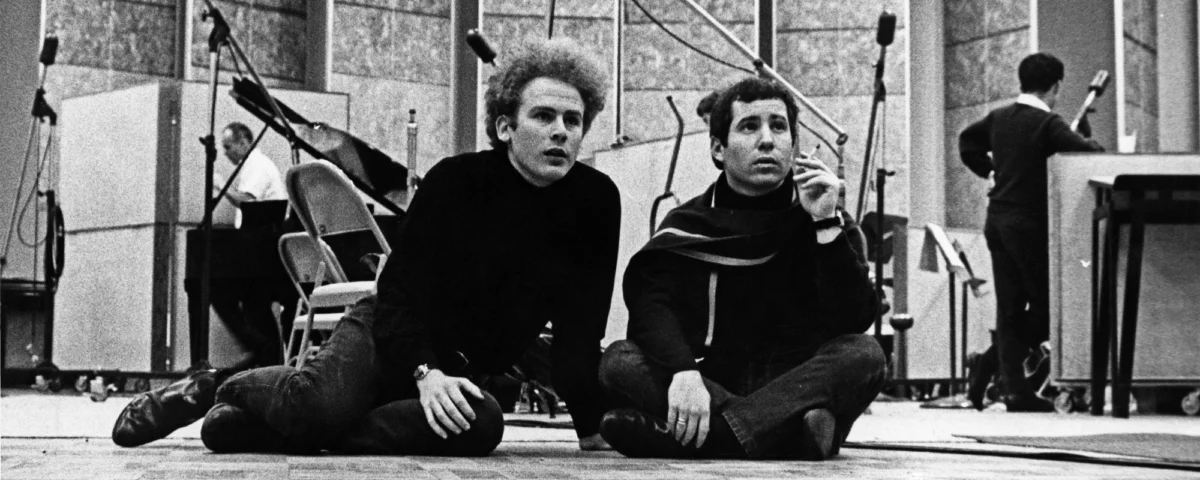
The 1970 release of Bridge Over Troubled Water stands as one of the most successful albums in the history of recorded music, winning six Grammy Awards and topping the charts globally. However, the record also serves as the final studio chapter for Paul Simon and Art Garfunkel, effectively ending a partnership that began in elementary school. Unlike the drug-fueled or ego-driven conflicts of rock bands, the tension between Simon and Garfunkel was rooted in diverging professional ambitions and an increasingly lopsided creative dynamic.
The timeline of the rift began during the pre-production phase of the album when Art Garfunkel accepted an acting role in Mike Nichols’ film Catch-22. The filming schedule in Mexico took Garfunkel away from the studio for several months, leaving Paul Simon to write and arrange the majority of the material in isolation. When Garfunkel returned, the power dynamic had shifted. Simon felt the burden of the creative workload, while Garfunkel felt increasingly marginalized in a project that was becoming a solo Simon endeavor in all but name.
The recording of the title track, "Bridge Over Troubled Water," became a specific point of contention. Simon initially wanted Garfunkel to sing the song alone, recognizing that Garfunkel’s angelic tenor was perfectly suited for the gospel-inspired arrangement. Garfunkel, conversely, initially resisted, suggesting that Simon should sing it himself. Although they eventually reached an agreement, the song’s massive success—and the fact that Simon had written it but Garfunkel was the one receiving the nightly standing ovations for it—exacerbated existing resentments.
By the time the album was released in January 1970, the two were barely speaking. Simon later described the period to People magazine as the moment when the "harmony of the friendship" was broken. The data regarding their subsequent solo careers illustrates the finality of this split: while they would reunite for occasional concerts, most notably in Central Park in 1981, they never recorded another full studio album together. Bridge Over Troubled Water remains a masterpiece of the era, but its production history reveals it was the soundtrack to a divorce.
Broader Impact and Industry Implications
The struggles faced by Foreigner, The Eagles, and Simon & Garfunkel highlight a broader trend in the 1970s music industry: the "Successor Syndrome." This phenomenon occurs when the financial and critical success of a breakthrough project creates an environment where creative experimentation is discouraged in favor of safe, profitable replication. For groups like Foreigner, this led to an identity crisis; for the Eagles, it led to a total collapse of interpersonal relations under the weight of expectations.
From a sociological perspective, these conflicts underscore the difficulty of maintaining democratic or even dual partnerships in high-pressure creative environments. In the cases of both The Eagles and Simon & Garfunkel, the transition from a shared vision to a centralized leadership (Henley/Frey and Simon, respectively) created a hierarchy that the other members found intolerable. The 1970s marked the transition of rock music into a billion-dollar industry, and with that capital came a level of scrutiny that many artists were psychologically unprepared to handle.
Furthermore, these albums represent a shift in the role of the producer and the studio. The extended recording times for The Long Run and the technological perfectionism of Bridge Over Troubled Water signaled the end of the "four guys in a room" era of recording. The studio became a place of isolation and meticulous layering, which often deprived musicians of the spontaneous interaction that builds camaraderie.
Conclusion
The legacy of Head Games, The Long Run, and Bridge Over Troubled Water is a dual one. On one hand, they are essential components of the 20th-century musical canon, containing some of the most enduring songs in history. On the other hand, they are artifacts of creative exhaustion and fractured friendships. These albums prove that commercial and critical peak performance often occurs at the exact moment of internal structural failure. For the music industry, these cases serve as a historical reminder that the pressure to maintain a "streak" of hits can be as destructive to a band’s longevity as a lack of success. While the music remains timeless, the circumstances of its creation reveal the volatile human cost of 1970s superstardom.
