

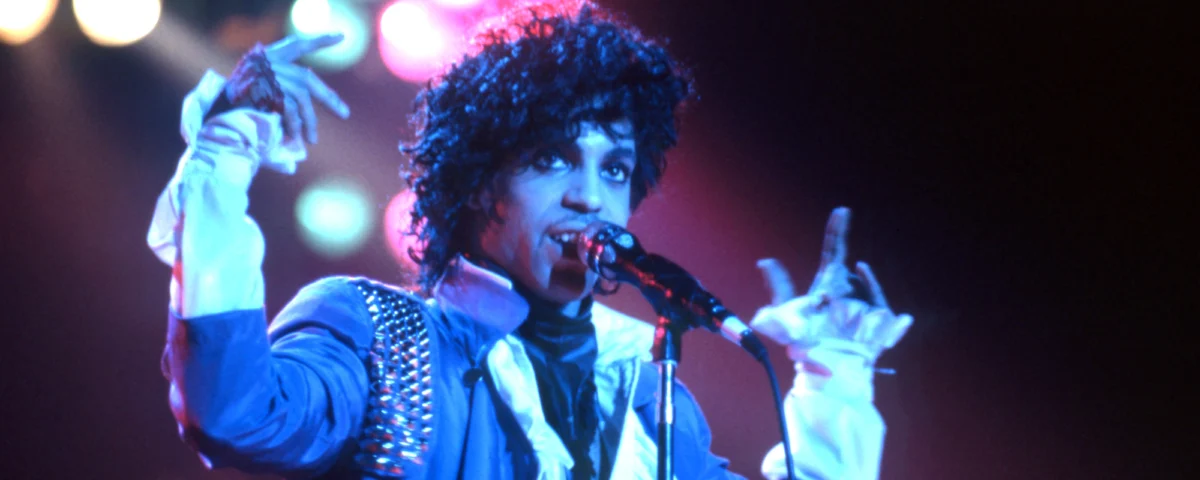
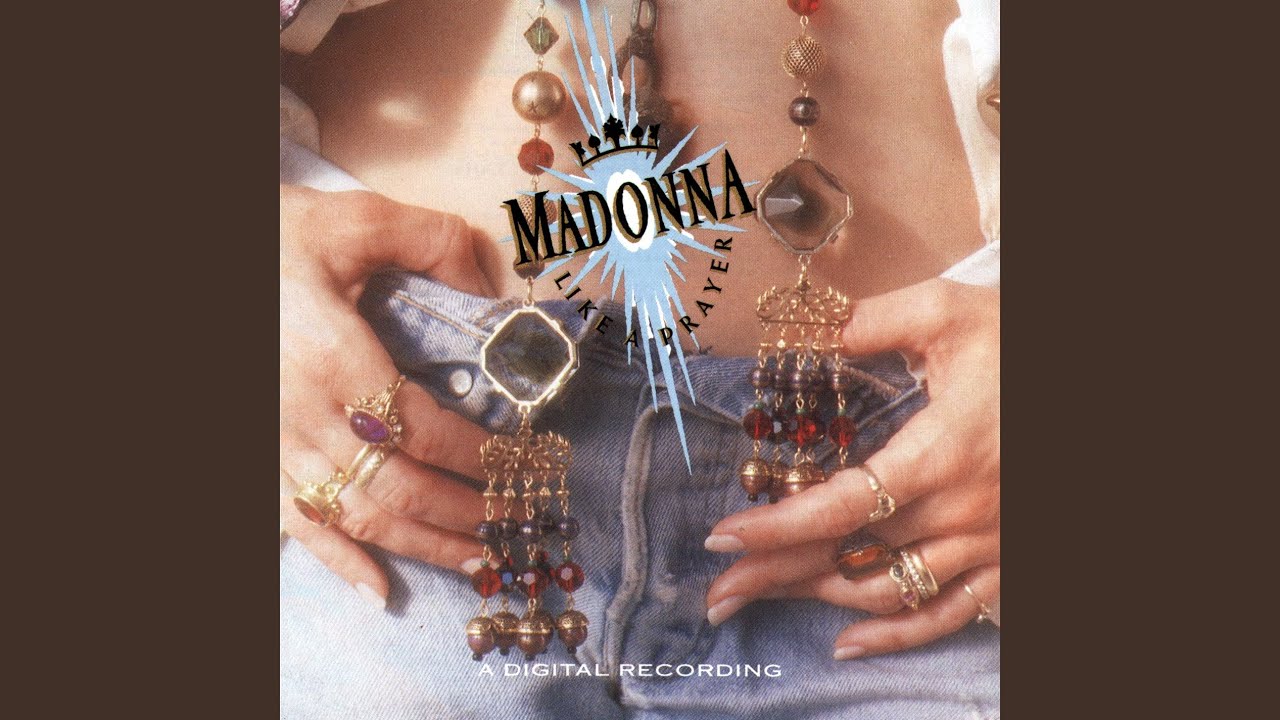
The intersection of two of the most influential figures in pop music history, Madonna and Prince, represents a unique chapter in the late 20th-century cultural landscape. While their professional relationship is often remembered for its public friction and competitive barbs, the foundational collaboration between the "Queen of Pop" and the "High Priest of Pop" during the late 1980s produced some of the most enduring sounds of the era. Central to this partnership was Madonna’s fourth studio album, Like a Prayer, released in 1989, a project that saw Prince contribute significant, though often understated, musical elements that bridged the gap between Minneapolis funk and mainstream pop-rock.
The Collaborative Genesis of Like a Prayer
By 1988, Madonna was seeking a more mature and introspective sound following the massive success of True Blue and the Who’s That Girl World Tour. Prince, meanwhile, was established as a multi-instrumentalist virtuoso whose Paisley Park complex had become a hub for experimental and boundary-pushing production. The decision to collaborate was born out of mutual respect and a brief romantic history in 1985.
During the recording sessions for Like a Prayer, Prince’s involvement extended beyond a simple guest appearance. He contributed distinctive guitar work to several tracks that would become cornerstones of the album’s sonic identity. Most notably, the title track, "Like a Prayer," features an uncredited but unmistakable distorted guitar intro played by Prince. This heavy, gospel-infused rock sound set the tone for an album that explored themes of religion, family, and personal identity.
In addition to the title track, Prince’s guitar work is featured on "Keep It Together" and "Act of Contrition." The latter, a chaotic and experimental closing track, utilizes Prince’s signature frenetic guitar solos to mirror the track’s themes of spiritual conflict. These contributions remained largely uncredited in the original liner notes, a move that served to keep the focus on Madonna’s artistic evolution while adding a layer of mystery for audiophiles and critics who quickly identified Prince’s idiosyncratic playing style.
The Paisley Park Sessions and Love Song
The most direct collaboration between the two artists was the track "Love Song." Unlike his instrumental contributions to other songs, "Love Song" was a true co-production. Between December 1987 and early 1988, Madonna traveled to Prince’s Paisley Park studio in Chanhassen, Minnesota. The recording environment at Paisley Park was legendary for its state-of-the-art technology and Prince’s rigorous work ethic, which reportedly clashed and then synchronized with Madonna’s own perfectionism.
"Love Song" is characterized by its hypnotic, minimalist funk arrangement. The track opens with Madonna speaking in French: "Je suis prête. Vous êtes prêt aussi?" (I am ready. Are you ready too?). This sets a seductive, conversational tone for a song that explores the nuances of romantic gamesmanship. The lyrics, co-written by the duo, include lines such as "Are you wasting my time? / Are you just being kind?" which some critics have since interpreted as a meta-commentary on the artists’ own complex relationship. The song stands out on the album for its mid-tempo groove and the vocal interplay between Madonna’s breathy delivery and Prince’s soulful backing vocals.
Professional Friction and the Warner Bros. Context
Despite the creative success of the 1989 sessions, the relationship between Madonna and Prince soured in the early 1990s. Both artists were signed to Warner Bros. Records, leading to an environment of corporate competition. During this period, the music industry was undergoing a shift, and both stars were vying for the label’s primary focus and marketing resources.
The tension became public through a series of anecdotes and media reports. In 1994, Madonna famously recounted a dinner date with Prince from their brief 1985 courtship, describing him as a "little troll" and criticizing his reserved nature. She noted that his refusal to eat during the date was a source of annoyance, stating, "He was just sipping tea, very daintily. I have this theory about people who don’t eat. They annoy me."
Prince, known for his quick wit and protective stance over his musical legacy, responded in kind over the years. During his celebrated 21-night residency at London’s O2 Arena in 2007, he quipped to the audience that he had "more hits than Madonna’s got kids." While the remark was framed as a joke, it underscored a decade of professional rivalry.
In 2013, Prince provided deeper insight into the source of his frustration, linking it to the business side of the music industry. He suggested that his grievances were not personal but rather rooted in the disparate treatment they received from Warner Bros. "She was getting paid, but at the same time, we were selling more records and selling out concerts on multiple nights," Prince remarked. He emphasized that his issues with the label—which eventually led to his high-profile battle for his master recordings and his decision to write "SLAVE" on his cheek—were exacerbated by how the label managed its top-tier talent.
A Timeline of Reconciliation and Mutual Respect
The narrative of a lifelong feud, however, is incomplete without acknowledging the reconciliation that occurred in their later years. As both artists matured into elder statespeople of the pop world, the animosity of the 1990s gave way to a renewed friendship.
- January 2011: Madonna attended Prince’s "Welcome 2 America" concert at Madison Square Garden in New York City as a special guest. Her presence in the VIP section was noted by fans and media as a public signal that the hatchet had been buried.
- 2015: Prince invited Madonna to an exclusive after-party at Paisley Park. Sources present at the event described the interaction as warm, with the two icons spending time discussing music and their shared history.
- April 2016: Upon the news of Prince’s passing at the age of 57, Madonna was among the first to offer a public tribute. She shared a vintage photograph of them together on social media, describing him as a "visionary" who "changed the world." Her post notably referenced their 1989 collaboration by stating, "This is Not A Love Song."
Broader Impact and Industry Implications
The collaboration and subsequent rivalry between Madonna and Prince serve as a case study in the dynamics of superstar power in the 1980s and 90s. From a technical perspective, Prince’s work on Like a Prayer demonstrated his ability to integrate his Minneapolis sound into a mainstream pop framework without overshadowing the lead artist. For Madonna, the collaboration helped cement her status as an artist capable of working with the industry’s most demanding geniuses to produce work that was both commercially viable and critically acclaimed.
Market data from the era highlights the stakes of their competition. Like a Prayer went quadruple platinum in the United States and topped charts worldwide. Prince’s own output during the same period, including the Batman soundtrack (1989) and Graffiti Bridge (1990), saw significant commercial success, with the Batman soundtrack reaching number one on the Billboard 200. The fact that two such dominant forces were operating within the same label ecosystem created a unique pressure cooker of creativity and ego.
Furthermore, their eventual reconciliation reflects a broader trend among veteran artists who recognize the shared experiences of navigating the heights of fame. The "feud" was, in many ways, a product of a specific era of music journalism and corporate structure that encouraged rivalry between top-tier performers.
The 2016 Billboard Music Awards Tribute
The legacy of their relationship was perhaps most poignantly captured during the 2016 Billboard Music Awards, where Madonna was chosen to perform a tribute to the late artist. Dressed in a lavender brocade suit and seated in a velvet throne, she performed a rendition of "Nothing Compares 2 U," a song written by Prince. She was later joined by Stevie Wonder for a sing-along of "Purple Rain."
The performance was met with mixed reviews from fans and critics—some felt a different artist should have led the tribute—but it was a powerful statement of Madonna’s personal connection to Prince. It served as a final, public acknowledgement of the bond formed decades earlier at Paisley Park.
Ultimately, the story of Madonna and Prince is one of two titans who shaped the modern pop landscape. Their collaboration on Like a Prayer remains a high-water mark of 1980s production, proving that even when personalities clash, the resulting art can transcend the friction of its creation. The uncredited guitar riffs and the hypnotic verses of "Love Song" continue to serve as a testament to a time when the Queen and the Prince of Pop worked in tandem to redefine the boundaries of their craft.
